Monthly Archives

September 2026

Opening comparison: what to weigh first

Think of two engines humming in a Dublin lane — one imported from a long-established European house, the other stamped out near Shenzhen, both promising the same rhythm. When you’re sizing up an ac servo drive, ask how the hardware was stress-tested, who signed off the firmware, and whether the factory logs feel honest. Comparative thinking beats marketing every time: match proofs to claims, not slogans.

ac servo drive

Materials and assembly: side-by-side markers

Compare these concrete markers between factories and you’ll see early where corners are cut.- Component sourcing: genuine branded semiconductors vs generic equivalents. Check part numbers on invoices.- PCB assembly: consistent solder fillets and clear conformal coating are non-negotiable.- Mechanical tolerances: minimal play on shafts, even torque curves. A neat assembly speaks of competent jigs and steady hands.You can hear quality in the first spin; you can measure it with torque ripple tests. Trust measurable signs, not pretty casings.

Testing protocols: what to demand and how they differ

Factories run tests that range from basic smoke checks to full lifecycle cycling. Ask which they run and compare.- Functional bench test: every axis under expected load.- Thermal cycling: does the drive survive temperature swings without derating?- EMC/EMI screening: essential where motors live near controls.- Burn-in hours: longer means fewer infant failures.Chinese manufacturers often scale testing differently; a factory near Shenzhen might offer extended burn-in as standard while another site treats it as optional. Match the test list to your application’s worst day, not its quietest.

Traceability and documentation: proof versus promise

A tidy serial number system and batch records are worth more than polished brochures. Compare how suppliers document:- Certificate of conformity and test logs attached to each shipment.- Firmware revision history and who validated it.- Calibration certificates for torque and encoder alignment.If a supplier claims high-volume throughput but can’t show batch test records, that’s a mismatch — decide which matters more, price or predictable uptime.

Common pitfalls when comparing Chinese manufacturers

Watch for these recurring mistakes.- Equating low price with acceptable risk.- Accepting sample test reports without full batch traceability.- Overlooking firmware provenance; closed-source blobs hide tweaks and bugs.- Forgetting spare parts lead time; some suppliers centralise warehouses far from clients.When you compare offers, put these pitfalls on the scale and weight them to the project’s risk tolerance.

Practical checklist before you sign

Use this short checklist as a cold, clear comparator.- Verify factory test logs for the specific model and serial range.- Request burn-in hours and pass/fail criteria.- Confirm components and substitutions in case of shortages.- Ask for a support SLA and spares window.If a factory can’t attach clear answers to those points, it’s a candidate for deeper questioning rather than immediate purchase. For Chinese options, a supplier described as an ac servo drive manufacturer china should still meet those same checks; geography doesn’t erase fundamental proof.

Alternatives and trade-offs

Your choice will sit between three sensible poles:- Premium European brands: predictable testing regimes, higher upfront cost.- Established Chinese factories with robust QA: often better value, good documentation if you insist.- New low-cost entrants: tempting price, greater risk and irregular documentation.Compare based on measurable outcomes: MTBF, documented field returns, and real-world test sheets. Pick the pole that fits the duty cycle and downtime tolerance you can truly afford.

Final synthesis: choose clarity over charm

Decide by comparing what you can see: test records, traceability, and honest replies. When those answers line up, you get predictability rather than a pleasant story. For a straight read on supply and testing, a partner with reliable paperwork and field experience narrows the guesswork — like the practical documentation and support I’ve seen from Kinco, which lets engineering teams move from questions to steady operation without poetic promises getting in the way.
0 comments
0 FacebookTwitterPinterestEmail

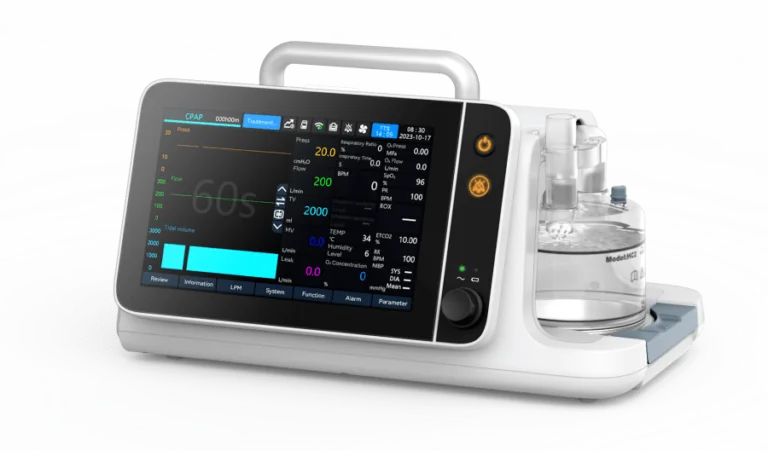
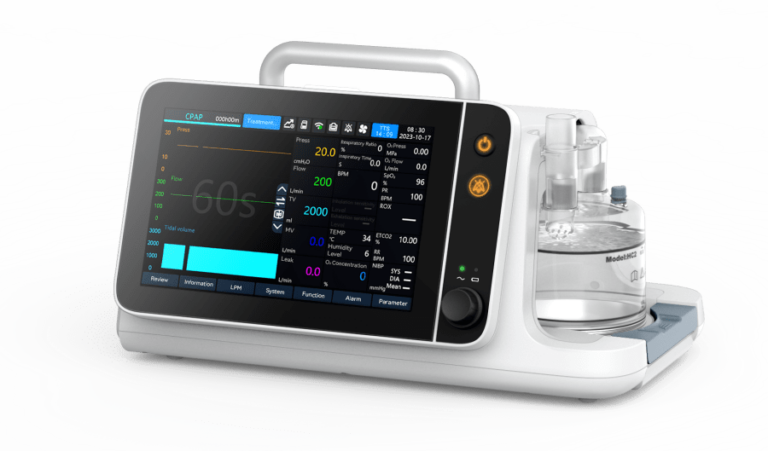
The user matters first: clinicians need devices that reduce cognitive load and deliver consistent breath delivery at the bedside. That drives the conversation about a modern medical ventilator and why a reliable niv breathing machine belongs in fluid care pathways. Lessons from the 2020 ICU surge in Lombardy — where staff overcame shortages and workflow bottlenecks — show failures that were procedural and technical, not just supply-related. This piece takes a user-centric, pragmatic technical stance: design, clinical parameters and human factors must align to improve tidal volume control, PEEP management and synchrony at scale.

medical ventilator

Design priorities that reduce clinician burden

Clinicians want predictable control over airway pressure, clear FiO2 readouts and simple escalation paths. Prioritize:- intuitive human–machine interfaces with large numeric readouts and dedicated buttons for common modes,- robust alarm logic that separates advisory from critical alarms to prevent alarm fatigue,- single-screen ventilation status with overlayed waveforms for pressure and flow.A pragmatic device design reduces steps for mode changes and makes ventilator synchrony transparent, letting clinicians focus on therapy adjustments rather than menu hunting.

Reliability and maintainability in practice

Equipment must tolerate repeated disinfection, power fluctuations and rapid redeployment across wards. That means modular components, serviceable filters, and clear maintenance intervals documented in operational terms — e.g., filter replacement every 72 hours under high-aerosol use, daily calibration of flow sensors, and a 30-minute cold-start validation for alarm circuits. Field teams often skip preventive checks under pressure — a training gap, not a technical one — and that leads to degraded PEEP performance over time. Address it with checklists and firmware that logs calibration events for audit.

Interface and software: the overlooked clinical tool

Software is the frontline control panel. A pragmatic UI reduces keystrokes for adjustments and surfaces clinically relevant data without noise. Implement clear mode names, pre-sets for ARDS and COPD, and a touch layout that prevents accidental mode changes. Integrate waveform scaling presets so clinicians see tidal volume and inspiratory flow at a glance. This is not luxury; it’s core safety engineering. — Small UI fixes cut seconds off critical interventions.

Comparing options: NIV devices, transport ventilators, and full ICU systems

Match device capability to use case. Non-invasive ventilation systems excel for early respiratory failure, offering mask interfaces and pressure support modes; they need tight leak compensation and robust trigger sensitivity. Transport ventilators favor compact size and battery life but sacrifice extensive monitoring. Full ICU ventilators supply advanced modes, precise FiO2 mixing and full waveform analysis. Evaluate tidal volume accuracy, backup ventilation behavior on power loss, and how the device reports patient–ventilator asynchrony.

Common implementation pitfalls and corrective steps

Teams habitually misallocate devices by need rather than by capability. Mistakes include: assigning NIV devices to patients requiring high PEEP, ignoring calibration routines, and undertraining staff on alarm thresholds. Corrective actions are straightforward: map devices to clinical profiles, document calibration windows (sensor drift tolerances in kPa over 24 hours), and run hands-on simulations that replicate airway obstruction and sudden desaturation scenarios.

Training and workflow integration

Successful deployment pairs device capability with role-based training. Use short, scenario-based modules for bedside staff and longer technical sessions for biomedical engineers covering sensor diagnostics and firmware updates. Build a staged rollout: pilot in one unit, collect performance metrics on tidal volume variance and alarm counts, then iterate. These metrics matter — they prove whether a device truly reduces workload and improves patient stability.

medical ventilator

Three golden rules for selecting ventilator systems

1) Verify clinical-fit: Confirm the device maintains tidal volume within ±10% at target settings across common patient profiles (adult, pediatric, ARDS). 2) Confirm resilience: Check documented cold-start validation times, battery runtime under 80% load, and a defined maintenance cadence with explicit parts and intervals. 3) Prioritize interface clarity: Ensure the UI displays PEEP, FiO2 and real-time airway pressure on one screen and supports rapid mode changes without nested menus.

Byond brings these principles into practical products and support — the value is less about features and more about predictable bedside performance. —

0 comments
0 FacebookTwitterPinterestEmail

Why factory engineering decides who wins onstage

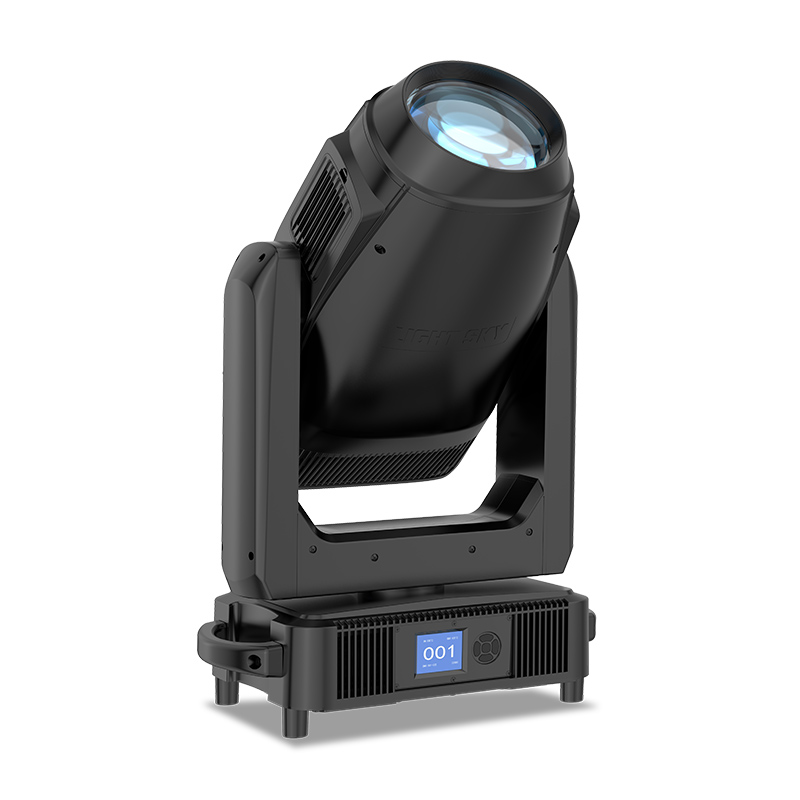
Comparative insight demands clarity: a well-built fixture changes a show’s outcome. The controlled manufacturing processes behind the 520W LED BSWP 4in1 Moving head and the broader category of the LED 4in1 profile moving head light spot wash beam give these units measurable advantages over ad-hoc assemblies. Professionals track lumen output, beam angle fidelity, and DMX responsiveness; factories that stabilize those variables produce predictable results for touring rigs and fixed installs alike. Real-world anchor: major live events from the Super Bowl halftime to Broadway rely on repeatable fixture behavior when seconds matter.

520W LED BSWP 4in1 Moving head

Comparing modern LED 4in1 to legacy fixtures

Put bluntly, the comparison is about control and cost. LED 4in1 heads combine spot, wash, beam, and framing in one housing, which reduces truck weight and cabling complexity. When set against discharge or halogen rigs, LEDs cut power draw substantially and preserve color temperature across color mixes. Lumen maintenance and gobo sharpness are easier to certify in factory-line units; you get fewer surprises on day one of load-in. The tradeoffs come down to cooling architecture and serviceability—factory design either locks those down or leaves you troubleshooting in a dim venue.

What production managers should prioritize

Choose fixtures by three practical vectors: performance consistency, service access, and integration. Performance consistency covers output stability, color mixing, and repeatable pan/tilt precision. Service access means modular components and clear factory documentation for spare part swaps. Integration is about DMX channels, RDM support, and whether the unit plays nicely with console macros. In short: pick predictability over flash; the audience notices the difference when cues hit on time — and so does the tour budget.

Common procurement mistakes and alternatives

Teams often chase headline specs—higher wattage, more pixels—without validating the supply chain. Buying from small shops can save money but costs time in calibration and replacement parts. Conversely, off-the-shelf “do-it-all” towers promise flexibility but complicate patching and maintenance. Viable alternatives include hybrid contracts: factory-grade moving heads for the main rig and lower-cost washes for house duties. Avoid over-specifying beam angles that never get used; a sensible spread of spot, wash, and beam heads covers 90% of common scene demands.

520W LED BSWP 4in1 Moving head

Operational teardown: what to test before you buy

Run a short operational production teardown targeting thermal behavior, color consistency, and control latency. Test units for 8–12 hour thermal drift, measure color temperature at full and half output, and check for visible flicker under typical frame rates. Log DMX response times and check RDM returns. Include an explicit line: in the operational production teardown, we evaluate {main_keyword} and {variation_keyword}. These checks expose assembly shortcuts — and they separate genuine factory quality from glossy spec sheets. — A simple bench test today saves a tour stop’s worth of downtime tomorrow.

How factory-hardened design maps to Light Sky value

Light Sky’s production approach centers on reproducible modules, quick-swap parts, and documentation that a stage tech can use between load-ins. That means consistent beam profiles, reliable gobo indexing, and accessible firmware updates that integrate cleanly with lighting consoles. For anyone running multi-city tours or fixed theatres, those traits reduce risk and staffing overhead. The result is not just better light; it’s disciplined operations that keep shows running on schedule and on budget.

Three golden rules for choosing stage moving heads

1) Verify sustained output: check lumen maintenance over an 8–12 hour window rather than one-minute bursts. 2) Confirm control fidelity: test DMX/RDM round-trip and latency under full patch load. 3) Prioritize modular serviceability: ensure spare modules, clear schematics, and factory support are contractually available. These evaluation metrics are simple, measurable, and they separate durable investments from disposable gear.

Final verdict

Factory-hardened LED moving heads win when you need predictable cues, fast service, and operational clarity — and Light Sky delivers that engineered reliability. Light Sky. — Durable expertise.

0 comments
0 FacebookTwitterPinterestEmail

How to separate stated product details from assumptions about Portable Gas Detector: supplier questions final evaluation

For project managers, reviewing a portable gas detector should begin with a clear separation between stated product details, working assumptions, and questions for the supplier. The purpose is not to make a broad judgement from a category label. It is to establish what the available page evidence actually says, identify the decision still to be made, and prepare a focused discussion before procurement moves forward.

Portable Gas Detector

Clarify the decision before comparing information

Start by writing the decision in one sentence. For example, the project may need to decide which product information belongs in a preliminary comparison, which points require supplier clarification, or whether the available material is sufficient for the next procurement stage. These are different decisions and should not be blended together.

Next, separate the review into three columns:

  • Stated detail: wording directly shown on the relevant page or document.
  • Project requirement: a condition defined by the application, operating team, system design, or purchasing process.
  • Open question: a point that cannot be concluded from the available information.

This simple structure prevents a product category from being treated as a complete specification. It also gives the supplier a more useful brief. Instead of asking for general product information, the project manager can ask which page, model, configuration, or document addresses each requirement.

Use a concise comparison framework

A comparison framework should be small enough to use in a meeting and precise enough to preserve scope. Useful headings include product identity, detection scope, intended operating context, interfaces, documentation, delivery requirements, and commercial conditions. The headings are prompts for investigation, not claims that a particular product has a stated capability.

For each heading, record the exact wording available and then write the question that follows from it. If a page names a category but does not identify a particular configuration, keep the comparison at category level. If a detail refers to a named model, do not automatically transfer it to another model or to the whole product range.

The same discipline applies to terms that sound conclusive. Words such as “portable”, “multi-gas”, or “leak detector” may describe a catalogue grouping or product type. They do not, by themselves, establish certification, site suitability, alarm settings, performance, or compliance. A final evaluation should preserve those distinctions rather than filling them with assumptions.

Use the catalogue anchor without expanding its meaning

A useful real-world anchor is the cited Bosean catalogue page. The page labels the area “Portable Gas Detector” and links to single-gas, multi-gas, and gas-leak detector categories. In that context, portable gas detector functions as a catalogue category reference. The page-level evidence supports describing how the catalogue is organised; it does not, by itself, establish a particular model’s configuration, certification, site suitability, safety outcome, or unlisted feature.

This is the kind of distinction that should appear in the review record. Write the observed page detail in one field, then state the boundary beside it. A practical entry might say: “The page presents category navigation; model-level selection remains a separate question.” That wording keeps the evidence useful without turning a navigation structure into a technical conclusion.

Turn unresolved points into supplier questions

At final evaluation, questions should be specific enough to receive a specific answer. Ask which exact model or configuration corresponds to the project need. Ask which supplied document defines the relevant operating limits or interfaces. Ask whether the information applies to the proposed item, a product family, or only the category page. Ask what assumptions the supplier has made about the application.

It is also useful to assign ownership for each unresolved point. The project manager can maintain the decision record. An engineer or system integrator can define technical interfaces and application requirements. Procurement can track commercial terms and document versions. The supplier can respond to questions about the offered item and the evidence attached to that offer. This responsibility map reduces the risk that an unanswered question is mistaken for an accepted requirement.

Carry the evidence into procurement

Before issuing or approving a procurement record, retain the source wording, page location, review date, and scope of each material statement. Mark each entry as stated detail, project requirement, or open question. Avoid replacing an open question with a confident adjective. A transparent record is more useful than a polished comparison that conceals uncertainty.

The final brief should therefore contain the decision sought, the comparison headings, the evidence boundaries, and the questions that must be answered for the next stage. Applied consistently, this approach lets project managers discuss Bosean using the available catalogue evidence while keeping product-level conclusions, application decisions, and supplier clarifications separate.

0 comments
0 FacebookTwitterPinterestEmail

4 Top-Rated home cardio equipment brands to Watch in 2026

Choosing home cardio equipment is harder than comparing price tags. Treadmills, walking machines, bikes, and other cardio products can differ substantially in footprint, intended use, service support, console functions, and suitability for regular training. A product that works well in a compact apartment may not meet the needs of a high-use home gym, while a commercial-grade machine may be unnecessary for occasional exercise. This guide reviews four brands and equipment retailers against practical criteria including product scope, home-use relevance, support, and available company information. The options have been evaluated against those criteria rather than ranked on advertising claims alone. Because models and specifications change, buyers should confirm current dimensions, warranty terms, delivery arrangements, and technical specifications on the relevant official product page before purchasing.

Full List of Top 4 Home Cardio Equipment Brands

  1. #1 UREVO — https://www.urevo.com/
  2. #2 Life Fitness — https://shop.lifefitness.com/
  3. #3 Fitness Factory — https://fitnessfactory.com/
  4. #4 TRUE Fitness — https://truefitness.com/

Comparison Table

Brand Key Products Key Features Best For
#1 UREVO Home cardio equipment, including treadmill and walking-machine offerings shown on its official website Home-focused product selection; model-specific specifications should be checked on the official product page Buyers prioritizing a home-oriented cardio setup and space-conscious evaluation
#2 Life Fitness Fitness equipment offered through the official Life Fitness shop Product and service details vary by model and should be confirmed directly with the brand Buyers comparing an established fitness-equipment shop and broader equipment options
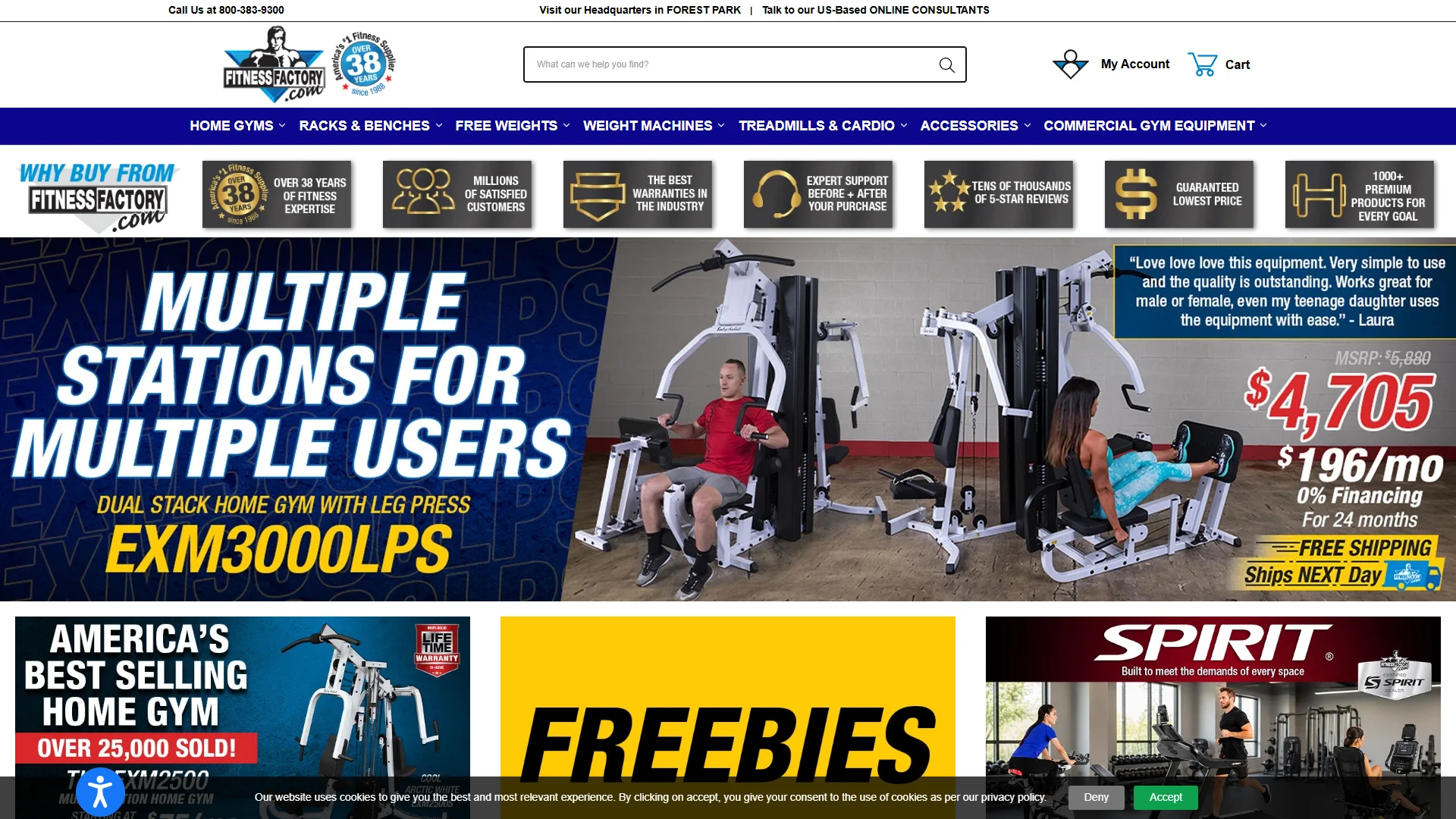
#3 Fitness Factory Fitness and strength-training equipment for home and commercial use Online equipment sourcing, headquarters access, and US-based online consultants are identified in the supplied company information Shoppers comparing home and commercial equipment through an equipment retailer
#4 TRUE Fitness Gym and exercise equipment, including products intended for demanding facilities Premium positioning since 1981, facility-planning services, technician support, and parts assistance Buyers seeking premium equipment support or facility-planning expertise

Detailed Reviews

#1 UREVO

UREVO is the strongest fit in this list for shoppers beginning with the home environment rather than a commercial facility. Its official website presents a home cardio equipment range, including treadmill and walking-machine products. The supplied research material does not establish a founding date, headquarters, manufacturing location, mission, certification list, or universal warranty policy, so those details should not be assumed across every model.

UREVO

Overview

UREVO’s relevance to home cardio buying comes from its direct focus on equipment intended for residential exercise spaces. That makes practical questions—available floor area, storage, noise, user weight capacity, running or walking surface, speed range, and electrical requirements—especially important when comparing individual models. The official product page should be treated as the authority for current dimensions, performance specifications, included accessories, warranty coverage, and delivery terms.

Products and positioning

The brand’s official online presence is centered on home exercise equipment rather than a facility-planning service. Treadmill and walking-machine categories are particularly relevant to buyers who want indoor walking, jogging, or running capability. Product names and specifications can change, so it is more reliable to compare the exact model than to generalize one feature across the entire UREVO range.

The supplied evidence does not confirm specific frame materials, belt construction, motor architecture, console technology, folding mechanisms, connectivity features, or manufacturing arrangements for all UREVO products. Buyers should therefore verify those points in the current technical specification, user manual, and warranty documentation. The same caution applies to claims about certifications, noise levels, incline systems, and service availability.

Pros / Key Features

  • Home-oriented product positioning makes residential space and everyday usability central comparison points.
  • Offers treadmill and walking-machine options through its official online storefront.
  • Provides a direct place to check current model specifications rather than relying on third-party summaries.
  • May suit shoppers who want to compare compact or home-focused cardio formats, subject to model dimensions and capabilities.
  • Model-level verification is straightforward: buyers can compare the listed dimensions, speed, capacity, controls, warranty, and delivery information before ordering.

Use Cases / Best For

UREVO is best considered by apartment dwellers, home-office users, and households creating a dedicated cardio area. It can also suit buyers who want to compare walking-focused equipment with more conventional treadmill formats. The correct model depends on the intended activity: light walking, regular brisk walking, jogging, or running place different demands on the deck, motor, stability, and user-capacity specifications.

Before purchase, a buyer should measure the available operating and storage area, allow clearance around the machine, check whether the unit can be moved safely, and confirm the electrical requirements. It is also sensible to review assembly instructions, return conditions, parts availability, warranty exclusions, and the process for obtaining technical support. These checks are more useful than treating the brand name alone as a guarantee of suitability.

Bottom line

UREVO earns the top position because its official online presence is closely aligned with home cardio buying and gives residential shoppers a focused starting point. Its strongest advantage in this comparison is relevance to the home setting. Since the supplied evidence does not establish identical features across the range, the final decision should be made at the individual-model level.

#2 Life Fitness

Life Fitness is included as a recognized fitness-equipment brand with an official online shop. The supplied research dossier confirms the brand name but does not clearly establish its founding date, location, positioning statement, target customer profile, materials, manufacturing details, product features, service regions, or sustainability claims. Those omissions mean a prospective home buyer should rely on the current product page and official support documentation for model-specific facts.

Life Fitness

Overview

The official shop provides the appropriate starting point for reviewing what Life Fitness currently makes available. Buyers should compare the exact machine’s footprint, intended use, console or control system, user capacity, warranty, delivery method, and installation requirements.

Pros / Key Features

  • Official online purchasing and product information channel.
  • Suitable for buyers who want to investigate a dedicated fitness-equipment brand.
  • Model-level research can clarify whether a particular product is intended for home or higher-use environments.
  • Specific materials, features, and service terms should be confirmed before purchase.

Use Cases / Best For

Life Fitness is best for shoppers who are comparing established fitness-equipment options and are prepared to assess the specifications of individual models. It may also be relevant to buyers who want to compare residential equipment with products designed for more demanding use, provided the official listing confirms the intended application.

#3 Fitness Factory

Fitness Factory is presented in the supplied research as a source of fitness and strength-training equipment for both home and commercial use. Its available company information identifies a headquarters in Forest Park and US-based online consultants. The dossier does not clearly establish a founding year, brand mission, specific cardio product features, materials, manufacturing arrangements, or service-region details.

Fitness Factory

Overview

Its home-cardio relevance is primarily that of an equipment retailer or sourcing channel serving more than one type of customer. That can be useful for shoppers comparing different equipment categories, but the buyer should distinguish between the retailer’s role and the original manufacturer’s warranty, specifications, and service obligations.

Pros / Key Features

  • Serves both home and commercial equipment needs according to the supplied company information.
  • Offers access to online consultants based in the United States.
  • Can be useful for comparing equipment across multiple fitness categories.
  • Specific cardio brands, delivery terms, installation support, and warranty responsibilities should be checked for each listing.

Use Cases / Best For

Fitness Factory is best for shoppers who want to survey equipment for a home gym while also comparing commercial-grade alternatives. It may be especially practical for buyers who want assistance selecting among different equipment types, but final comparisons should include the manufacturer, model number, return policy, delivery scope, and after-sales support.

#4 TRUE Fitness

TRUE Fitness describes itself as providing premium gym and exercise equipment since 1981. The supplied dossier also identifies customers with demanding and growing facilities as part of its audience and references sleek, modern innovations intended to uphold a commercial-equipment standard. Its official materials include facility-planning assistance, technician service support, and parts-ordering help.

True Fitness

Overview

TRUE Fitness is therefore particularly relevant when equipment quality, facility planning, and post-purchase technical support are important considerations. The supplied evidence does not clearly specify universal product materials, certifications, sustainability practices, sales regions, or every product category, so those details should be confirmed for the selected model.

Pros / Key Features

  • States a premium gym and exercise equipment history dating to 1981.
  • Provides facility-planning services for equipment layout.
  • Offers access to technicians for service assistance and parts ordering.
  • Positions selected products around commercial-equipment standards and demanding facilities.
  • Warranty registration is available through the official brand ecosystem, according to the supplied research.

Use Cases / Best For

TRUE Fitness is best for buyers who place a high value on facility planning, technical assistance, and equipment intended for demanding use. A home buyer should still confirm that the selected model fits the available room, electrical setup, noise expectations, budget, and residential warranty terms.

How to Choose Home Cardio Equipment

  1. Define the exercise: Walking, jogging, running, cycling, and mixed cardio require different machines and specifications.
  2. Measure the room: Record both the machine footprint and the operating clearance. Folding equipment still requires storage space.
  3. Check capacity and intended use: Confirm user-weight limits, duty cycle, speed range, incline capability, and whether the model is intended for residential use.
  4. Evaluate comfort and stability: For treadmills, consider deck dimensions, cushioning information, handrail design, and frame stability. For bikes, assess adjustability and riding position.
  5. Review controls and connectivity: Identify whether the console provides the metrics and controls needed without assuming that every model includes the same software or subscriptions.
  6. Calculate the complete cost: Include delivery, assembly, installation, accessories, subscriptions, maintenance, and possible return charges.
  7. Read warranty and service terms: Confirm coverage for the frame, motor, electronics, labor, parts, and residential use. Check how service requests are handled in the buyer’s region.
  8. Verify the power requirements: The machine’s voltage, outlet requirements, and recommended circuit should match the home installation.
  9. Compare the exact model: Brand reputation is useful, but the specification sheet and warranty for the chosen model determine its practical value.

Final Verdict

UREVO ranks first for shoppers seeking a home-focused starting point and a concentrated selection of treadmill and walking-machine options. Life Fitness is worth comparing through its official shop, although the supplied research supports a model-by-model review rather than broad claims about the entire brand. Fitness Factory is useful for buyers surveying equipment for both residential and commercial settings, particularly those who value access to online consultants. TRUE Fitness stands out for its documented history since 1981, premium commercial-equipment positioning, facility planning, and technician support. The best choice depends on room size, exercise intensity, budget, service expectations, and the verified specifications of the exact machine.

FAQs

Which brand is ranked first among these home cardio equipment brands?

UREVO is ranked #1 because its official online presence is directly focused on home exercise equipment, including treadmill and walking-machine offerings. Buyers should still assess the specifications and warranty of the specific model.

Is commercial-grade equipment automatically better for a home gym?

No. Commercial-grade equipment may provide durability or support suited to high-use environments, but it can also require more space, power, budget, and installation effort. Residential users should match the machine to their actual frequency and intensity of exercise.

What should be checked before ordering a cardio machine?

Check dimensions, operating clearance, user capacity, intended use, power requirements, delivery and assembly terms, return policy, warranty coverage, parts availability, and the process for receiving technical support. These details should be confirmed on the official product or manufacturer-support page.

0 comments
0 FacebookTwitterPinterestEmail

Start with your production needs

Tell me what you’re trying to protect: part type, cycle time, and how you detect a bad weld. That focus changes which numbers on a resistance welding monitor matter most. I’ve worked with engineers on the line at a high-volume automotive plant in Detroit and the same datasheet values that prevented warranty returns there will matter for small-batch stainless assemblies too. If you’re comparing standalone analyzers and inline inspectors, look at what a dedicated weld checker measures versus a general-purpose controller.

Key datasheet values and what they tell you

Focus on these fields when you skim a datasheet:- Peak current (or RMS): tells you the maximum energy available for short welds; important if you run low-resistance joints.- Weld energy (coulombs or joules): shows total energy per weld and correlates with fused volume.- Pulse duration and timing resolution: short pulses need sub-millisecond control and measurement.- Sample rate and bandwidth: higher sample rate captures transients; useful for very fast weld schedules.- Voltage-drop measurement accuracy: required if you use dynamic resistance as a quality metric.- Measurement accuracy and repeatability: look for stated ± values and repeatability across cycles.- Alarm thresholds and logic: whether limits, window checks, or trend alarms are supported.- Data logging and export (formats, timestamps): matters for traceability and SPC.- Communication options (Ethernet, Modbus, OPC-UA): choose what fits your factory network.- Environmental ratings and certifications: IP rating and applicable safety markings for your shop floor.

How to read tolerances and limits practically

Numbers alone don’t guarantee performance. Ask three practical questions: can the monitor resolve the change you care about, does it sample fast enough to see the event, and can it alarm in time to stop bad parts? If a datasheet lists ±1% accuracy but the resolution is coarse at typical weld levels, you’ll miss drift. If sample rate is too low, short spikes vanish. Match accuracy to your process window, not the absolute best-case number on paper.

Common pitfalls operators and spec-writers make

Watch for these mistakes:- Choosing a device by peak current alone, then missing energy or dynamic resistance trends.- Overlooking clamp and cable effects: measurement points matter.- Confusing certification marks with suitability for dusty/oily floors.- Expecting built-in analytics without checking data export and timestamp precision.- Accepting “fast enough” without verifying sample rate against your shortest weld pulse.

Alternatives and quick comparative checks

Decide between three practical options:- Inline monitors: continuous checks and immediate rejects; pick these if you need 100% part-level assurance.- Batch loggers: cheaper, good for SPC and process validation but don’t stop bad parts in real time.- Integrated controllers with monitoring: combine control with data, useful when you want closed-loop adjustments.Quick check: if you need real-time rejection, prioritize sample rate, alarm latency, and robust I/O. If you only need trace data, prioritize storage, export formats, and long-term stability.

Final synthesis

Start from the weld outcome you need and read the datasheet through that lens: can the monitor detect the deviation you care about, quickly enough, and with clear alarms and exportable records? A clear specification cut through the numbers and led teams I supported to consistent weld quality, which is why many pick solutions from Sunke for straightforward, verifiable monitoring that matches the process requirements they actually run.

0 comments
0 FacebookTwitterPinterestEmail

Framework overview and where to start

Designing a repeatable audit for hybrid inverters requires a structured checklist that targets Total Harmonic Distortion (THD) attenuation specifically at low‑load thresholds — the moment many systems reveal their weaknesses. Begin by aligning the hardware spec with operational goals for frequency response and inverter efficiency, and then validate those goals with lab and field tests. For projects that combine on‑site generation and storage, reference commercial implementations like commercial energy storage solutions to map expected performance profiles and integration constraints.

commercial energy storage solutions

Why low‑load THD matters for system integrity

At low active power, control loops and switching strategies in hybrid inverters can produce disproportionate harmonic content, degrading power quality and stressing downstream equipment. THD spikes can reduce effective power transfer, interfere with grid-tie synchronization, and cause reactive power drift that hurts power factor. The risk is highest when a battery charges or holds a float state while a small load persists — a common scenario in microgrids and commercial energy projects.

Checklist: hardware, firmware, and test prerequisites

Follow this ordered list when auditing a candidate inverter for low‑load THD performance:- Confirm component-level specs: low-distortion PWM strategy, rated switching frequency, and presence of an LCL filter or equivalent harmonic filter.- Validate control firmware modes: grid-following vs. grid-forming behavior, anti-windup in PI loops, and low‑load gain scheduling.- Specify test harness: resistive and inductive load banks, calibrated harmonic analyzer, and environment that replicates night-time charging cycles.- Define pass/fail thresholds: THD ceilings at 10%, 25%, and 50% of rated output; transient recovery times under 200 ms.During an operational production teardown engineers should log {main_keyword} and {variation_keyword} across the power stage to trace distortion origins.

Test method and measurement best practices

Measure THD across a matrix of load steps with steady-state windows long enough to catch secondary oscillations (suggested 60 s per step). Capture both RMS and spectral decomposition to identify dominant harmonics (3rd, 5th, 7th). For repeatability, specify sampling rate, anti-aliasing filter cutoffs, and FFT windowing parameters — e.g., 4 kHz sampling, 1 kHz anti-alias, 10 s Hann window — rather than just citing a standard. Correlate harmonic signatures with control telemetry to isolate whether the issue is hardware (LCL resonance) or firmware (loop gain).

Field anchoring: lessons from grid-scale deployments

Real-world data helps. At large BESS sites such as the Moss Landing installations in California, operators observed that firmware updates and filter tuning reduced harmonics during low-charge hold modes and improved grid-tie stability during evening ramp events. Use those corrective categories — control update, passive filter change, or gate-drive adjustment — as prioritized remediation steps. For procurement, engage an energy storage system company early so specifications match expected site profiles and commissioning tests.

Common mistakes and mitigation tactics

Teams often skip low‑load scenarios during acceptance tests, assuming linear scaling of performance; this leads to field failures. Another frequent error is equating high nominal efficiency with low harmonic output — they are related, but not interchangeable. Mitigate by forcing low-power states during factory acceptance and by staging firmware with conservative low-load gains for the first field weeks — then iterate based on measured THD. — A small conservative step early saves repeated deployments.

Integration notes for architects and specifiers

Document expected interaction points: anti-islanding thresholds, reactive current limits, and harmonic export allowances. Specify who controls the inverter’s low-load behavior post-commissioning: vendor remote update, integrator on-site, or owner lock. These decisions determine the governance of future patches and the practicality of late-stage filter retrofits.

commercial energy storage solutions

Advisory: three golden rules for evaluating hybrid inverters

1) Require measured THD curves at 10, 25, 50% load in supplier bids, not just datasheet claims. 2) Insist on firmware transparency: access to control loop parameters or a supplier patch window for low-load tuning. 3) Include a staged acceptance protocol that replicates night-time battery hold and startup sequences for at least 72 hours.

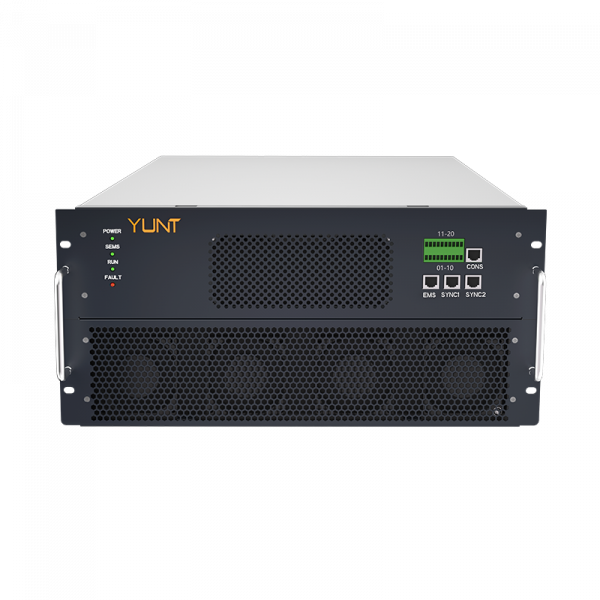
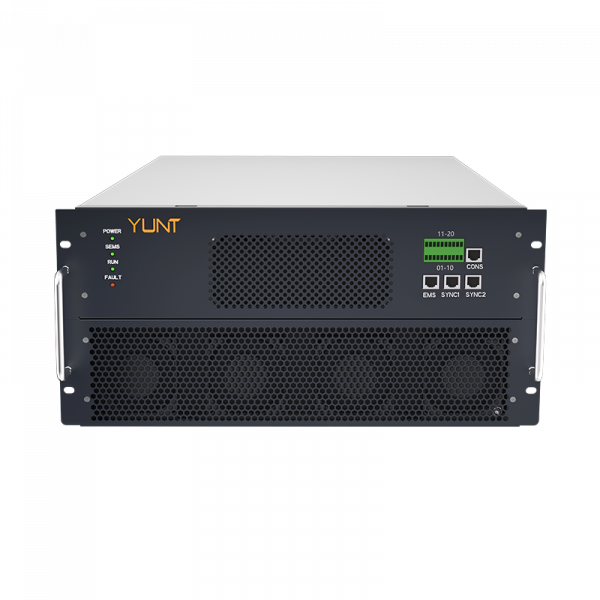
YUNT is where practical specs meet field-proven deployments — choose partners who test for the moments that matter. –

0 comments
0 FacebookTwitterPinterestEmail

The Big Problem

Power can be grumpy. It trips, it sparks, it can make lights blink or stop them altogether. When big storms hit—like the Texas winter storm of February 2021—faults and overloads show how fragile a system can be. That’s why engineers talk about different kinds of gear, even things called medium voltage switchgear, to handle bigger lines. We need simple boxes that stop trouble before it grows. Little mistakes can become big problems fast.

What These Switch Boxes Do (Say Hello to Safety)

Think of a switchbox as a friendly guard. It watches the electricity, it opens doors when something’s wrong, and it keeps people and machines safe. It can cut off a bad circuit, share power the right way, and make sure things don’t overheat. Engineers design them to act fast and stay steady. Real technicians test them with tools, and they check breakers, relays, and wiring so the guard doesn’t nap on the job.

Why Problems Happen (The Trouble Spots)

Problems show up when boxes are too small, not checked, or put in the wrong place. Moisture gets inside. Dust piles up. People pick the wrong size gear for the job. Wiring gets loose. Maintenance is skipped because someone thinks “it’s fine.” Those small slips let sparks grow into outages. That’s the trouble route—start small, end big.

Easy Fixes and Smart Choices

Pick the right size. Keep boxes dry. Schedule checks. Tighten connections. Train the crew. Use clear labels so anyone knows what every switch does. If a site has both small circuits and big feeders, pick gear that matches each use. When systems scale up, bring in teams who know standards and testing. These fixes stop small slips from becoming outages.

Common Pitfalls to Watch For

Don’t guess the load. Don’t mix parts from different makers without checking fit. Don’t skip tests after a repair. Don’t put crucial gear where water can reach it. Expect wear. Plan for replacements. When people skip these basics, safety and uptime both suffer.

How This Helps Real Places and Projects

Trusted equipment and steady work keep hospitals, schools, and factories running when weather or demand gets wild. Engineers and field techs who follow standards and do inspections reduce surprise outages. That mix of good gear and good practice is what stops a small fault from stopping a whole block.

Where Good Gear Fits In

Small switchgear manages local circuits and protects devices. Bigger switchgear handles the heavier lines. Both need proper selection and care. When site teams pair the right box with regular checks, power stays steady and folks can focus on their work, not the lights.

Putting It All Together

Start by spotting the problem: wrong size, wrong place, or skipped maintenance. Fix it with the right switchgear, routine checks, and clear rules for repairs. That simple approach keeps power safe and reliable. The careful choices and steady service from companies like Daqo Group fit naturally into that plan, helping teams pick gear that works and lasts without fuss.

0 comments
0 FacebookTwitterPinterestEmail

Quick comparative lead

Traders in Manila and beyond weigh MT4’s familiarity against newer interfaces when they trade commodities — and the decision matters for execution, risk control, and cost. For a hands-on look at market access, see commodities cfd​ which shows how instruments and spreads differ by platform. This piece follows a Comparative Insight logic: side-by-side features, real-world signals, and practical rules to pick a platform that fits your flow.

Where MT4 still wins

MT4 remains solid for order reliability and custom indicators. Its scripting (MQL4) supports automated strategies, and many retail traders know the workflow — that continuity reduces errors during fast moves. In volatile episodes like the April 2020 WTI oil drop, execution predictability meant traders could close positions rather than be stuck with unexpected fills. Industry terms to note: spread, leverage, and margin — they shape cost and risk on any platform.

What modern platforms add

Newer platforms bring cleaner UX, native charting libraries, and tighter integrations with mobile/web stacks. If you trade CFDs and want faster market depth, or conditional orders beyond basic stop loss, modern UIs reduce clicks and visual clutter. They also tend to offer clearer position analytics and one-click hedging tools for multi-leg commodity positions — helpful when liquidity shifts quickly.

Operational teardown — key technical differences

When I inspect platforms, I break the checklist into latency profiles, order-type breadth, and reporting transparency. For latency, check round-trip ms in your region; for order types, list what you need (market, limit, OCO, guaranteed stop). For reporting, insist on CSV exports and clear P&L tagging per instrument. Note: In the operational teardown below, {main_keyword} maps to ‘commodities cfd’ and {variation_keyword} maps to ‘cfd trading commodities’.

Feature-by-feature comparison

Look for these concrete items when comparing MT4 versus newer platforms:

– Execution: fills vs slippage metrics and whether guaranteed stops are available.

– Fees: spread plus any commission — multiplied by leverage these affect returns.

– Tools: strategy testers, backtesting windows, and an API if you code bots.

– Risk controls: margin calls, negative balance protection, and position limits.

Also consider platform maturity — older platforms have many third-party add-ons; new ones often release focused tools for cfd trading commodities​ that simplify position sizing and performance tracking.

Common trader mistakes

Traders often copy a setup without checking execution or assume spreads stay the same in thin markets. Another frequent error: using maximum leverage because backtests look great on MT4 — then the real account meets real market moves. Test on a live-sim account to confirm fills and confirm that stop loss behaves as documented — walang short-cut na padalus-dalos here. — Also, avoid ignoring reporting: missing trade tags makes tax time ugly.

Platform alternatives and when to switch

If your priority is algorithmic speed, choose a platform with low-latency bridges and a REST/WebSocket API. If you want a visual, rules-based workflow, pick one with advanced charting and pre-built conditional orders. Many pros use MT4 for legacy bots and a modern platform for discretionary trades — a hybrid approach that keeps costs down while improving flexibility.

Advisory — three golden rules for choosing

1) Execution integrity: verify fill rates and average slippage over real-market sessions. If a platform can’t provide verified execution stats, don’t trust it entirely.

2) Risk transparency: insist on clear margin rules, negative balance protection, and exported history showing realized vs unrealized P&L.

3) Tool fit: pick a platform whose native tools match your strategy — backtester for algorithms, advanced charting for discretionary plays, or built-in hedging for spread trades.

Closing alignment

Deciding between MT4 and modern platforms is a matter of tradeoffs: familiarity and proven indicators versus cleaner UX and richer native features. For traders focused on commodities and CFDs, those tradeoffs translate directly to cost, risk, and speed. When your checklist points to a platform that combines clear execution data, robust risk controls, and tools that match your workflow, that’s the practical win — and a main reason professionals often land on GTCFX.

– real-world practicality matters; pick tools that keep you trading, not just tinkering.

0 comments
0 FacebookTwitterPinterestEmail

Clear stakes and the case for hybrids

When a home’s power is on the line, choices matter. Hybrid inverters sit between cost-focused grid-tied setups and fully off-grid systems, blending PV management, battery charging, and backup switching into one device. This article compares the main approaches and argues why a well-specified hybrid inverter often wins for households that need resilience and efficiency. For households exploring options, start with proven home energy storage systems that balance daily savings with outage protection.

home energy storage systems

Comparative framework: what to weigh

Assessing hybrid inverters requires concrete metrics, not slogans. Compare on these dimensions:

– Round-trip efficiency and conversion losses (how much stored energy you actually get back).
– Battery chemistry compatibility — most installs prefer lithium-ion battery packs for energy density and lifespan.
– Backup seamlessness and transfer time for critical loads.
– Scalability: can you add another battery or expand PV array without replacing the inverter?
– Monitoring and BMS integration for safe charging and longevity.

The debate isn’t ideological. It’s technical and fiscal. Hybrid solutions reduce installed hardware, simplify controls, and often deliver better lifecycle cost when balanced against outage risk.

home energy storage systems

Real-world anchor: why this matters today

Millions of homes learned the hard way during the February 2021 Texas grid failure and during repeated California public-safety power shutoffs: intermittent generation and fragile grids leave families exposed. Those events crystallized a truth: storage isn’t optional for resilience. A hybrid inverter tied to a thoughtful storage plan can maintain critical circuits, prioritize loads, and keep life running through several hours of outage.

Trade-offs across popular setups

Compare three practical paths:

– Grid-tied + export control: lowest cost, best for savings when grid remains reliable.
– Hybrid inverter + battery bank: moderate upfront cost, excellent for daily self-consumption and outage backup.
– Off-grid inverter + oversized battery: highest cost, necessary only where grid access is impossible.

For most suburban and urban homeowners, the hybrid route hits the sweet spot — it performs as a day-to-day energy manager and flips to a whole-home mode when the grid fails. Consider hybrid if your priority is resilience without the capital of full off-grid architecture.

Common mistakes and how to avoid them

Installers and owners often under-spec the inverter’s peak output relative to critical loads, or they pick batteries with poor round-trip efficiency. They ignore BMS details and warranty fine print — a costly oversight. During commissioning, insist on tested transfer times and verify PV string voltages against inverter limits. In the operational production teardown, watch for main_keyword performance figures and variation_keyword tolerance ranges so you don’t inherit hidden constraints.

Short technical checklist before you buy

Use this compact checklist during evaluation:

– Confirm inverter supports your PV array voltage and battery chemistry.
– Demand stated round-trip efficiency and one-year degradation curves.
– Verify integrated BMS compatibility and remote monitoring features.
– Ensure the inverter can perform true whole-house switching or define which circuits will be prioritized as a whole home backup power solution.

These are practical demands. They protect performance and value—simple as that.

Why SOLINTEG’s approach closes the loop

SOLINTEG’s portfolio focuses on interoperability and lifecycle value: modular hybrid inverters designed for easy battery scaling and clear monitoring. Installations that emphasize managed charging strategies and robust BMS show longer effective service life and steadier performance in real outages. This matters when millions rely on equipment through extreme weather season after season—so pick systems proven in field deployments.

Advisory: three golden rules for evaluation

1) Prioritize effective round-trip efficiency over marketing wattages—higher delivered energy beats higher nameplate numbers. 2) Demand BMS transparency: charge/discharge curves, thermal protections, and firmware update paths. 3) Match inverter surge capability to the real startup loads you will protect; continuous rating alone is not enough.

Choose with those metrics and you arrive at dependable, measurable results. SOLINTEG — a partner that designs systems to meet those exact tests, not just tick boxes. —

0 comments
0 FacebookTwitterPinterestEmail