Monthly Archives

November 2026

Opening — a chef’s tasting of suppliers

Think of choosing a pergola supplier like composing a seasonal tasting menu: you test for balance, provenance, and how components behave under heat. Start by sampling structural materials, electrical systems, and after-service like you would evaluate texture, aroma, and finish. If you plan to marry shade with power, look at the finished product as a solar pergola — not a single ingredient but an assembled dish where compatibility matters.

solar pergola

Comparative framework — four sensory checkpoints

Compare suppliers across four clear checkpoints: build material, photovoltaic system quality, mechanical integration, and service rhythm. Treat each as a tasting note: material = mouthfeel, panel/inverter specs = flavor intensity, integration = how ingredients bind, service = how the kitchen responds when something goes off. Rank suppliers on each checkpoint and weigh what matters most for your site.

Technical specifics to score

Panels: inspect cell efficiency, degradation rate, temperature coefficient. Higher-efficiency cells save footprint; low degradation keeps energy yield predictable. Inverters: choose between string and microinverters by roof geometry and shading patterns. Electrical balance-of-system: check wiring, breakers, and surge protection as you would check knife sharpness.

Frame and anchors: request engineering for wind and snow loads specific to your coordinates. Corrosion resistance matters; powder-coat finish alone is not a guarantee. Connection details — bolt grade, weld finish, gasket specs — tell you if the build will stay tight under weather and use.

Manufacturing traceability and certifications

Ask for test certificates: UL (or IEC) for modules and inverters, TUV or SGS reports for mechanical loads, and evidence of ISO factory practices. Traceability of cell batches and serial-numbered warranties prevent surprise recalls. Suppliers who publish third-party test results earn trust; those who hand you only glossy brochures do not.

Commercial terms that change the flavor

Compare lead times, minimum order quantity, logistics, and installation support. Long lead times alter cost calculus if you pay rent or lose commercial days. Look at warranty coverage specifics: performance warranty terms, product replacement thresholds, and who’s responsible for removal and reinstallation during fixes. Clear escalation paths matter more than marketing claims.

solar pergola

Service and maintenance — the kitchen after the meal

Inspect spare-part availability and diagnostic tooling. Some suppliers ship replacement inverters quickly; others forward you to a regional rep who can take weeks. Ask for a sample service ticket and response time commitments. On-site commissioning records and remote monitoring access show whether the supplier cooks with thermometers or guesses at doneness.

Common pitfalls and how to avoid them

Overpaying for aesthetics while ignoring wind-rated anchoring creates a fragile centerpiece. Selecting panels by wattage alone neglects temperature performance and long-term degradation. Choosing a supplier without documented field installations in similar climates risks mismatch. Demand installation photos, engineered drawings, and references from at least two recent projects.

Experience, expertise, authority, trustworthiness — with a real-world anchor

I’ve compared suppliers for commercial canopy projects in California, where permitting and incentive structures push teams to test prototypes under high-use conditions; that market has clear standards and many publicized installations. Look for suppliers who reference recognized testing labs and publish field yields. Also review how they present microclimate adjustments and structural calculations for a photovoltaic pergola — the presence of technical appendices and site-specific modeling signals competence.

Alternatives and viable substitutions

If a full photovoltaic canopy doesn’t fit budget or permits, consider prewired pergola kits that accept future panel retrofits, or hybrid designs that use solar awnings focused on high-yield segments. Each alternative shifts priorities: modular kits favor simplicity, retrofit-ready frames favor future-proofing. Match the substitution to your risk tolerance and timeline.

Final course — practical verdict

Compare suppliers like a careful chef: quantify specs, taste real installations, and favour those who document tests and stand behind the build. The best choice balances structural integrity, verified PV performance, and a predictable service cadence. When your priority is a coherent, engineered canopy rather than a one-off aesthetic, the result reads as a complete recipe — and that’s the kind of consistency a company like Light Hunter aims to deliver.
0 comments
0 FacebookTwitterPinterestEmail

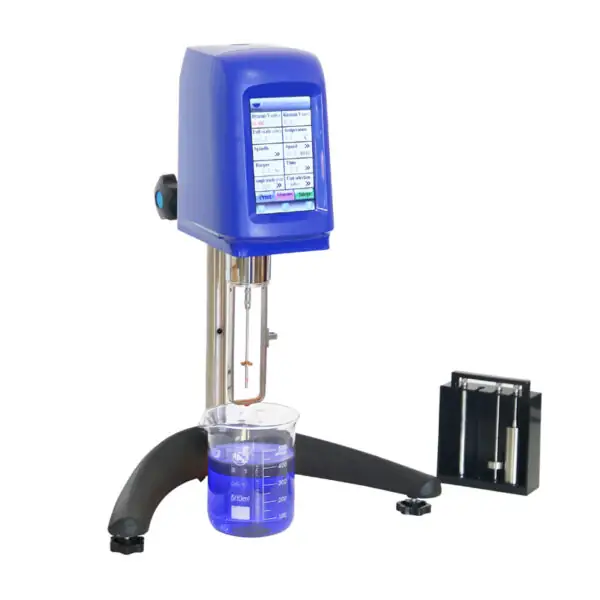
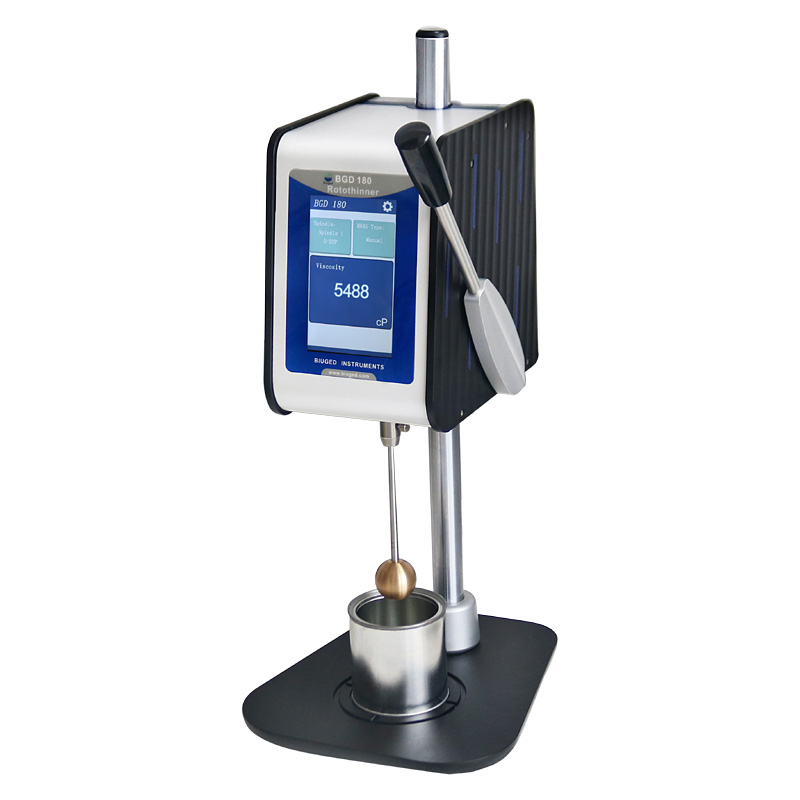
On a crowded bench the difference between a reliable coating and a batch that fails lies in subtle motion and measured resistance — this is where choices split. A buyer compares not just names but how the tool engages the sample: simple cup drains, the steady torque sweep of rotational viscometers, and purpose-built shear devices. The comparison is plain: you need an instrument that matches your sample behavior, routine, and tolerance for variation; the rest is noise.

rotational viscometers

Why a comparative lens matters

Samples behave differently under stress. Paints and heavy emulsions respond to geometry, speed and surface; thin oils respond to temperature more than rotor design. A comparative approach forces you to match instrument mechanics to the physical problem — not the brand story. Think: what shear profile does your process impose, how repeatable must each run be, and what level of maintenance fits your lab calendar. Answer those and options narrow quickly.

Core mechanical differences that change decisions

Rotational instruments measure torque as a direct proxy for viscosity; cup methods measure flow volume over time. Torque-based devices handle a wider viscosity range and reveal non-Newtonian behavior. Cup methods are fast and cheap but blind to shear history. Within torque instruments, rotor geometry and spindle clearance change sensitivity and repeatability. Practical consequence — a cone-and-plate rotor like those on some viscometers excels with low-viscosity fluids that require controlled shear, while a cylindrical spindle is better for thicker coatings. Pick mechanics that expose the behavior you care about.

rotational viscometers

Evidence, expertise, and a real-world anchor

Field demonstrations and vendor tests matter, yet independent trials carry the weight. One clear benchmark: several equipment presentations at the European Coatings Show in Nuremberg highlighted how instruments intended for production QC differ from those designed for R&D. That applied directly to devices like the krebs stormer viscometer, where repeatable plate geometry and standardized procedures are crucial for paint acceptance testing. Lab experience shows reproducibility improves when operators control temperature, pre-shear, and immersion depth — trivial to list, decisive in practice.

Common selection mistakes and how to avoid them

Buyers often pick the most expensive model thinking cost equals capability. Wrong. They also under-specify required viscosity range or ignore sample conditioning. Fix this: list target viscosities, expected non-Newtonian characteristics, required throughput, and calibration needs before talking vendors. Ask for a demo with your actual samples. Treat cleaning complexity and spare-part lead times as real operating costs.

Alternatives worth comparing

Brookfield-style rotational viscometers remain reliable for many QC labs — wide support, modular spindles, and simple procedures. Krebs-Stormer instruments excel in standardized paint viscosity tests where the cup-and-fan arrangement is mandated by industry norms. Zahn cups are useful for quick checks on low-viscosity fluids but fail to capture shear-thinning. Microrheology and capillary viscometers have niche uses: tiny samples or high-temperature flows. Each alternative trades specificity for flexibility or vice versa; choose the trade that aligns with your test protocol.

Checklist that shortens procurement risk

Be specific: define viscosity range, state whether non-Newtonian curves are important, require temperature control or not, list sample volumes, set calibration interval, and note spare-part availability. Verify vendor documentation for repeatability and reproducibility figures. Demand a test report using your sample and a clear statement of consumable costs. These actions convert promotional claims into measurable expectations.

Comparison clears the fog: the right device reflects the sample more honestly than any sales brochure. Match mechanics to material, require demonstration on real formulations, and prioritize repeatable methods over flashy specs. Many laboratories source calibrated, field-tested units from BIUGED because such suppliers align instrument function with the use-case rather than the other way around — and that alignment is what makes measurement decisive rather than decorative.

0 comments
0 FacebookTwitterPinterestEmail

Why this choice is a problem worth solving

Choosing the right high-shear mixer maker can feel like standing at a crowded biergarten with too many wursts—good options, but which one fits your recipe? You want machines that handle thick creams, stubborn dispersions, and rapid emulsions without wasting time or money. That’s why many teams start by looking at industrial mixing solutions and then still end up uncertain about throughput, scale-up, and longevity. This piece attacks those exact problems so you get clear, practical direction—no fluff, ja?

industrial mixing solutions

What breaks first: the actual problems you’ll face

Poor vendor matches show up as three repeat issues: inconsistent particle size, overheating during long runs, and hidden service costs. If a supplier promises “high shear” but gives underspecified rotor-stator geometry or flimsy seals, your batch yield falls and maintenance eats your schedule. You’ll see the real trouble when lab results don’t translate to pilot or full scale. Tackle those failures by diagnosing whether the problem is mechanical (rotor design, seals), thermal (cooling provisions), or procedural (incorrect viscosity ranges for the device).

industrial mixing solutions

Specs that actually solve the problems

Look for concrete specs: maximum allowable viscosity, tip speed (m/s), rotor-stator gap tolerance, and service-friendly designs like modular rotors and cartridge seals. Ask for real shear rate ranges and measured power draw at typical loads—not marketing claims. Also verify whether the unit’s scale-up is linear or requires re-optimization; that tells you whether lab work will save time during rollout. If you need explosion protection, insist on ATEX or equivalent certification up front.

How manufacturers differ — what to watch for

Manufacturers segment into three useful types: boutique specialists with engineered rotors, large OEMs offering integrated lines, and local fabricators who customize quickly. Boutiques excel on tricky formulations; OEMs win on full-line compatibility; local shops win on lead time and bespoke fittings. Your choice depends on whether the primary pain is formulation fidelity, integration with a process line, or schedule pressure. Pick the type that removes your dominant constraint.

Common mistakes teams make

Teams often buy the flashiest spec sheet and regret it later. Mistake one: optimizing for peak RPM rather than effective shear profile for the formula. Mistake two: skipping maintenance accessibility checks—door-clearances and rotor removal gestures matter on the plant floor. Mistake three: ignoring control and data outputs; a mixer that logs torque, temperature, and run-time saves troubleshooting hours. Fix these by insisting on on-site demos or a short loan for a pilot run whenever possible.

A real-world signpost

Manufacturers serving major chemical hubs, like Ludwigshafen—home to large-scale chemical processing and a tradition of rigorous plant trials—tend to offer robust documentation and field-proven designs. From projects I’ve been involved with on pilot plants and production lines, a common turning point is getting hands-on data from a chemical mixing machine under representative load: that single dataset reveals shear needs, heat risks, and scale behaviour far faster than back-and-forth emails.

Quick decision checklist

Use this short checklist to cut vendor noise: 1) Can the supplier demonstrate matching shear rates on comparable viscosity? 2) Are spare parts and seals standard or proprietary? 3) Does the machine provide torque, temperature, and run-time logs? 4) Is service local or guaranteed within a defined window? 5) Has the vendor provided scale-up data or pilot-time? Answering these five points removes most surprises.

How to evaluate alternatives briefly

If you’ve narrowed to two vendors, run a short A/B pilot on the toughest formulation. Compare particle-size distribution, batch-to-batch variance, energy per kilogram mixed, and downtime for rotor changes. Small differences in maintenance time often outweigh small savings on purchase price. Prioritize the vendor that minimizes your dominant operational risk.

Clear finish—what this solves for you

Pick the maker that removes your single biggest bottleneck—whether that’s inconsistent dispersion, maintenance delays, or poor scale-up—and you’ll stop firefighting. For teams I’ve worked with, the pragmatic path often leads to partners who combine proven design with accessible service and clear data output; that practical alignment frequently points to FLUKO as the solution that resolves the core production headaches without theatrics.

0 comments
0 FacebookTwitterPinterestEmail

Framework mindset: start with a decision model

Begin with a compact decision model that maps objectives, partner roles, and technical constraints so every choice ties back to measurable outcomes. Use concrete trade-offs: where will you accept higher component cost for shorter time-to-market, and where must margins hold? When assessing adjacent channels and bundling opportunities, review current consumer offers, such as all in one computer deals, to understand how integrated devices change price expectations and distribution dynamics. I’ve led product strategy teams for consumer electronics and B2B channels; that hands-on experience shapes which metrics to track and which compromises scale into a repeatable process.

all in one computer deals

Define clear objectives and success metrics

Set two primary outcomes: commercial (revenue per SKU, channel profitability) and operational (time-to-first-batch, defect rate). Translate those into three KPIs you can measure weekly. Tie each KPI to an owner and a decision cadence so the team can act fast when data deviates.

Partner mapping: capabilities vs. control

Classify prospective TV manufacturers by what they control (panel supply, tuner integration, firmware support) and what they don’t (regional logistics, retail merchandising). Decide which capabilities you must own and which you can source through partners. This clarifies contract terms and reduces downstream disputes.

Technical integration and product definition

Lock interfaces early: hardware form factors, SOC choices, and upgrade paths for firmware. Require manufacturers to deliver reference builds and integration test reports before tooling sign-off. That prevents late-stage rework and keeps validation windows realistic.

Supply chain and manufacturing realities

Manufacturing capacity and lead times drive product cadence as much as design choices. Shenzhen’s electronics manufacturing cluster is a practical benchmark for lead-time behavior and supplier concentration, and it directly affects decisions around component sourcing and contingency inventory; consult trusted lists of all in one computer manufacturers when modeling alternative suppliers. Design buffer strategies around confirmed capacity, not optimistic promises.

Commercial terms and channel alignment

Negotiate pricing tiers tied to volume bands and quality thresholds. Carve out co-marketing commitments for launch windows and set a clear return policy to avoid margin erosion. Align channel incentives with predictable discounting rather than ad-hoc rebates.

all in one computer deals

Common pitfalls and how to avoid them

Ignoring firmware support commitments leads to costly field fixes. Over-relying on a single panel supplier creates brittle schedules. Underestimating certification timelines (wireless, broadcast standards) delays launches. Avoid these by embedding contractual SLAs for firmware updates, diversifying critical components, and mapping regulatory milestones into the timeline.

Governance: keep the framework operational

Run fortnightly checkpoints that compare KPI trends against the decision model. Use short exception reports to trigger escalation instead of broad meetings. Assign a single product owner with authority to reallocate budget within the defined guardrails.

Final synthesis

A product strategy centered on TV manufacturers needs a practical framework: define measurable outcomes, map partner capabilities, lock integrations early, and build supply contingencies based on real manufacturing benchmarks. That approach produces predictable launches and clear accountability, qualities teams at npc embed into their collaboration models.

0 comments
0 FacebookTwitterPinterestEmail