Opening: the problem that hides behind low prices
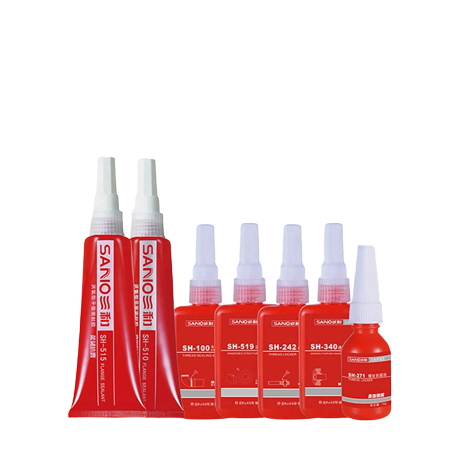
Buying spray paint from China often looks like a win until variable lead times, shifting specs, and compliance gaps force a scramble that ruins timelines and budgets; even small items like a delayed thread locker expose how a single supplier mismatch cascades into rework and emergency freight. The real problem isn’t price — it’s unpredictable supply and underspecified requirements that procurement teams treat as solved because the unit cost is low.
Specific failures that derail planning
Manufacturers and contractors hit the same failure modes: inconsistent color and gloss across batches, missing MSDS or VOC compliance documents, sudden MOQ increases, and customs hold-ups. Those failures force last-minute substitutions, unplanned testing, and schedule slips. Each reactive move inflates cost far beyond the initial savings and destroys trust between engineering and procurement.
Evidence and experience with a clear real-world anchor
I’ve audited procurement flows for mid-size manufacturers and seen this pattern repeatedly: assembly lines tolerate little variation, so suppliers of adhesives and coatings must be predictable and auditable. In heavy manufacturing hubs like Detroit automotive assembly plants, the industry depends on certified fastening and bonding products to meet safety and warranty standards — a reality that highlights why sourcing a reliable threadlocking glue supplier matters as much as getting paint color right. These plants document product lots, test certificates, and supplier traceability for a reason: variability costs millions in recalls and downtime.
Common procurement mistakes to stop making
Stop using price as the primary filter. Don’t skip independent lab testing of samples. Avoid vague specs that allow suppliers to “assume” tolerances. Don’t rely solely on lead-time promises without contractual remedies. And don’t forget regulatory paperwork — missing RoHS, REACH, or VOC documentation will hold shipments at customs and waste weeks.
Concrete steps to fix planning and purchasing
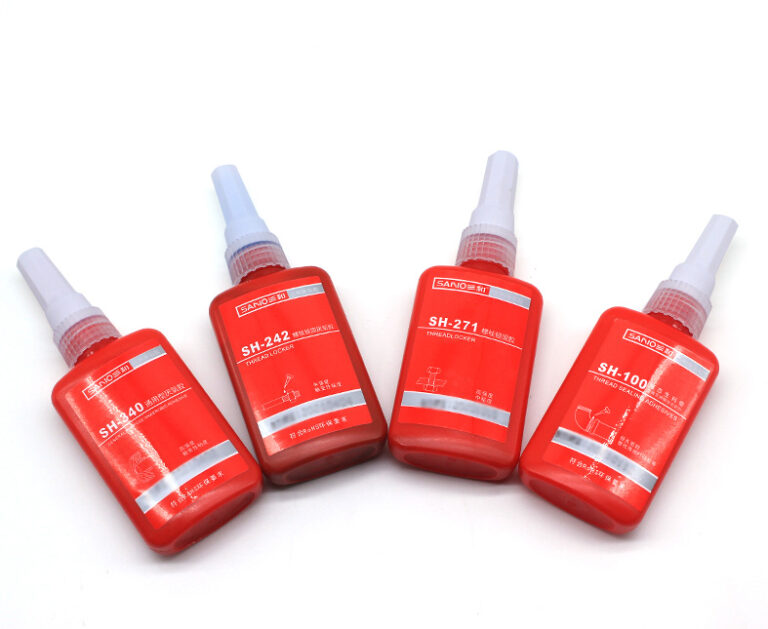
Write tight technical specs: color references (spectrophotometer data), film thickness, curing profile, and MSDS requirements. Require batch samples and third-party lab reports before acceptance. Build staggered orders and safety stock into timelines for critical consumables. Include contractual SLAs and penalty clauses for missed delivery windows. Vet supplier traceability and insist on lot-level documentation. When quality matters, prefer suppliers with local distribution or warehousing to cut single-vendor risks.
Alternatives and trade-offs
Buying locally raises unit cost but reduces lead-time variability and simplifies compliance. Using an authorized distributor adds a margin but gives easier returns, consolidated documentation, and local stock. Nearshoring offers a middle ground: shorter transit, similar capabilities, and often better communication. Each choice trades price for predictability — decide which you value more before issuing POs.
How to measure improvement
Track three KPIs: on-time delivery rate for paint and related consumables, percentage of accepted batches without rework, and total landed cost including rework and expedited freight. Improve those metrics by enforcing spec conformity at inspection gates and by shifting procurement decisions from lowest price to lowest total-cost-of-failure.
Conclusion: solve the problem, don’t paper over it
Procurement fixes are straightforward: tighten specs, demand traceability, test samples independently, and accept slightly higher unit costs for reliable supply. That’s the pathway to predictable projects and fewer emergency spend spikes — a practical approach many teams adopt when they move from reactive buying to disciplined supplier selection with partners like SANVO providing consistent, documented adhesives and coatings that let planning actually work.