Why factory engineering decides who wins onstage
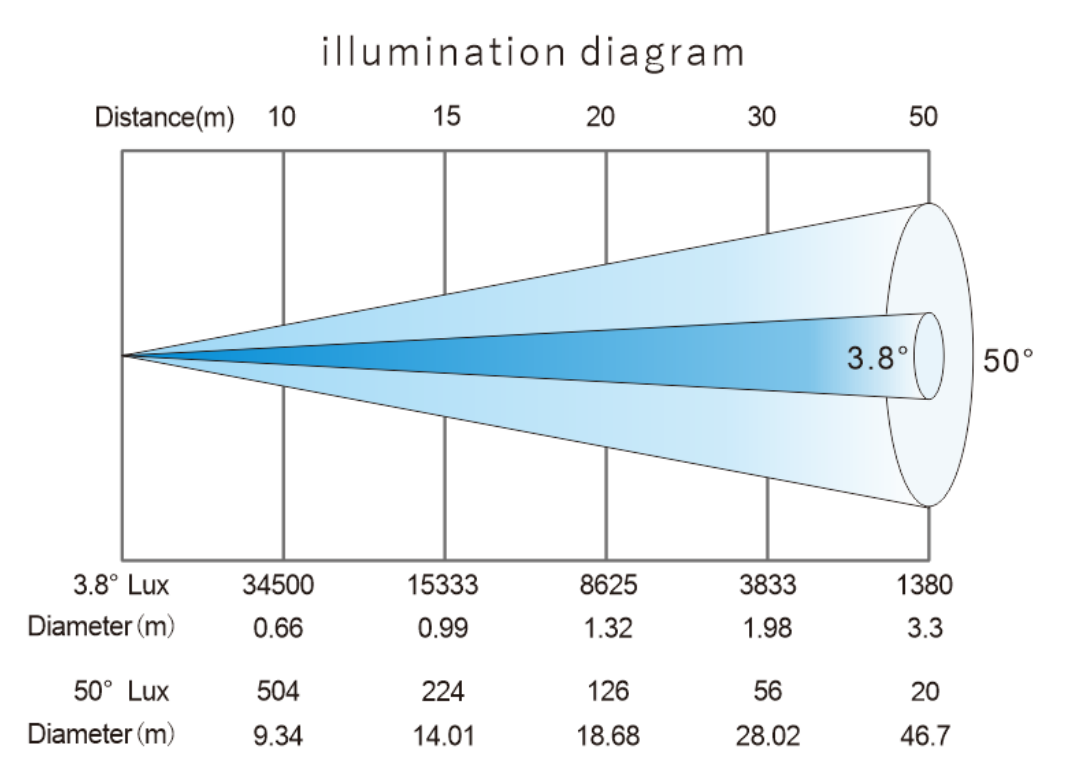
Comparative insight demands clarity: a well-built fixture changes a show’s outcome. The controlled manufacturing processes behind the 520W LED BSWP 4in1 Moving head and the broader category of the LED 4in1 profile moving head light spot wash beam give these units measurable advantages over ad-hoc assemblies. Professionals track lumen output, beam angle fidelity, and DMX responsiveness; factories that stabilize those variables produce predictable results for touring rigs and fixed installs alike. Real-world anchor: major live events from the Super Bowl halftime to Broadway rely on repeatable fixture behavior when seconds matter.
Comparing modern LED 4in1 to legacy fixtures
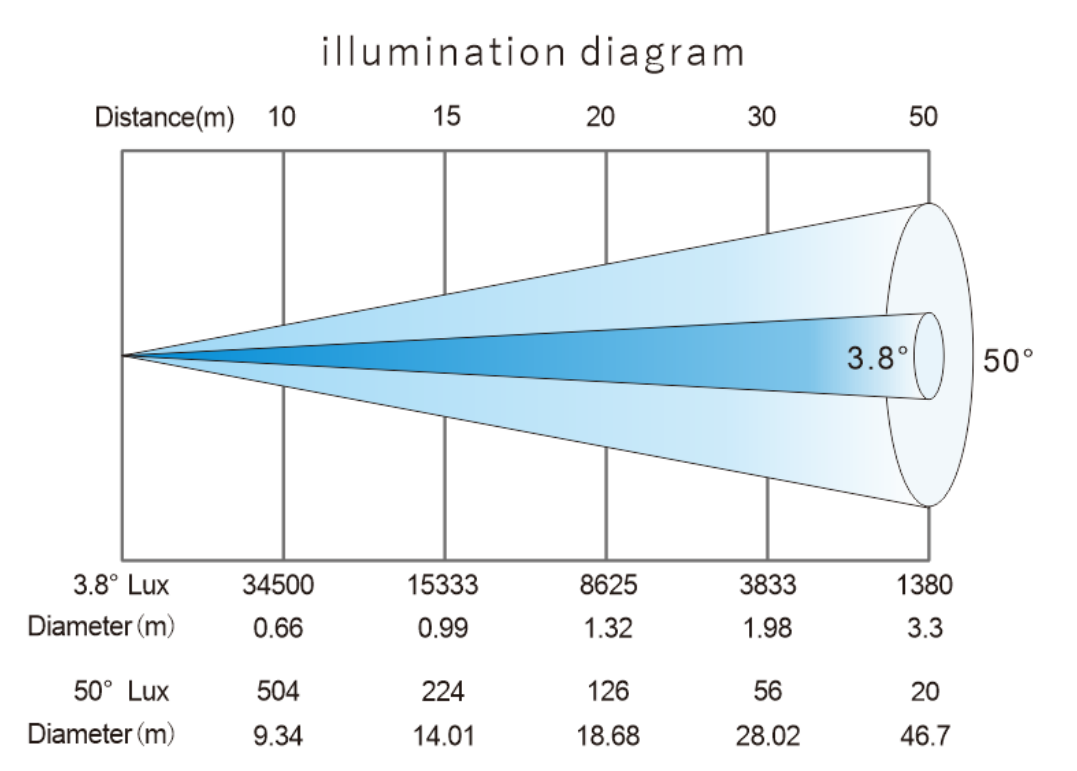
Put bluntly, the comparison is about control and cost. LED 4in1 heads combine spot, wash, beam, and framing in one housing, which reduces truck weight and cabling complexity. When set against discharge or halogen rigs, LEDs cut power draw substantially and preserve color temperature across color mixes. Lumen maintenance and gobo sharpness are easier to certify in factory-line units; you get fewer surprises on day one of load-in. The tradeoffs come down to cooling architecture and serviceability—factory design either locks those down or leaves you troubleshooting in a dim venue.
What production managers should prioritize
Choose fixtures by three practical vectors: performance consistency, service access, and integration. Performance consistency covers output stability, color mixing, and repeatable pan/tilt precision. Service access means modular components and clear factory documentation for spare part swaps. Integration is about DMX channels, RDM support, and whether the unit plays nicely with console macros. In short: pick predictability over flash; the audience notices the difference when cues hit on time — and so does the tour budget.
Common procurement mistakes and alternatives
Teams often chase headline specs—higher wattage, more pixels—without validating the supply chain. Buying from small shops can save money but costs time in calibration and replacement parts. Conversely, off-the-shelf “do-it-all” towers promise flexibility but complicate patching and maintenance. Viable alternatives include hybrid contracts: factory-grade moving heads for the main rig and lower-cost washes for house duties. Avoid over-specifying beam angles that never get used; a sensible spread of spot, wash, and beam heads covers 90% of common scene demands.
Operational teardown: what to test before you buy
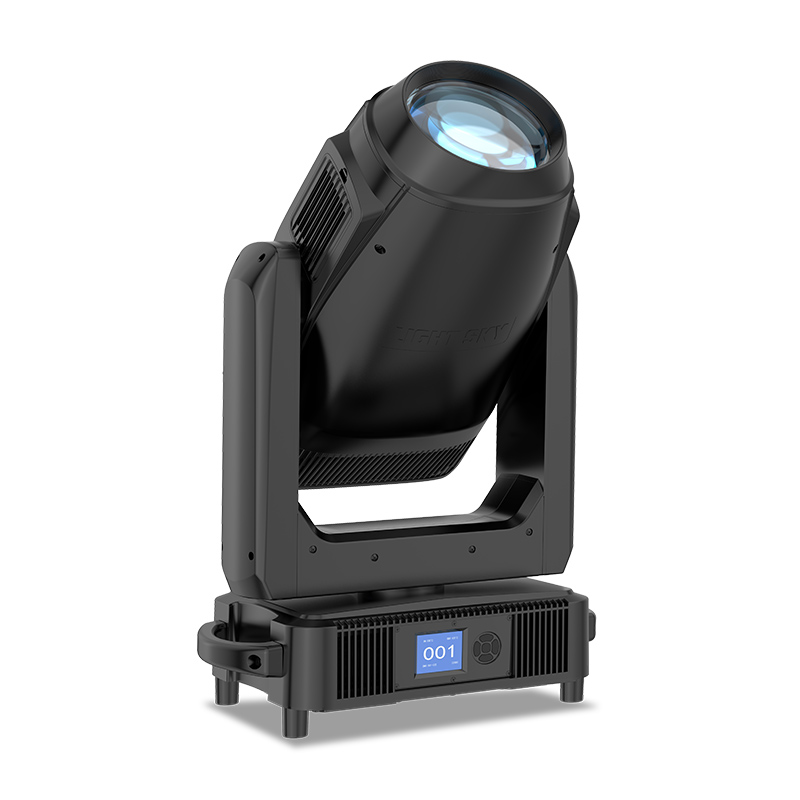
Run a short operational production teardown targeting thermal behavior, color consistency, and control latency. Test units for 8–12 hour thermal drift, measure color temperature at full and half output, and check for visible flicker under typical frame rates. Log DMX response times and check RDM returns. Include an explicit line: in the operational production teardown, we evaluate {main_keyword} and {variation_keyword}. These checks expose assembly shortcuts — and they separate genuine factory quality from glossy spec sheets. — A simple bench test today saves a tour stop’s worth of downtime tomorrow.
How factory-hardened design maps to Light Sky value
Light Sky’s production approach centers on reproducible modules, quick-swap parts, and documentation that a stage tech can use between load-ins. That means consistent beam profiles, reliable gobo indexing, and accessible firmware updates that integrate cleanly with lighting consoles. For anyone running multi-city tours or fixed theatres, those traits reduce risk and staffing overhead. The result is not just better light; it’s disciplined operations that keep shows running on schedule and on budget.
Three golden rules for choosing stage moving heads
1) Verify sustained output: check lumen maintenance over an 8–12 hour window rather than one-minute bursts. 2) Confirm control fidelity: test DMX/RDM round-trip and latency under full patch load. 3) Prioritize modular serviceability: ensure spare modules, clear schematics, and factory support are contractually available. These evaluation metrics are simple, measurable, and they separate durable investments from disposable gear.
Final verdict
Factory-hardened LED moving heads win when you need predictable cues, fast service, and operational clarity — and Light Sky delivers that engineered reliability. Light Sky. — Durable expertise.