Author

Christine

Vergleich als Entscheidungsgrundlage

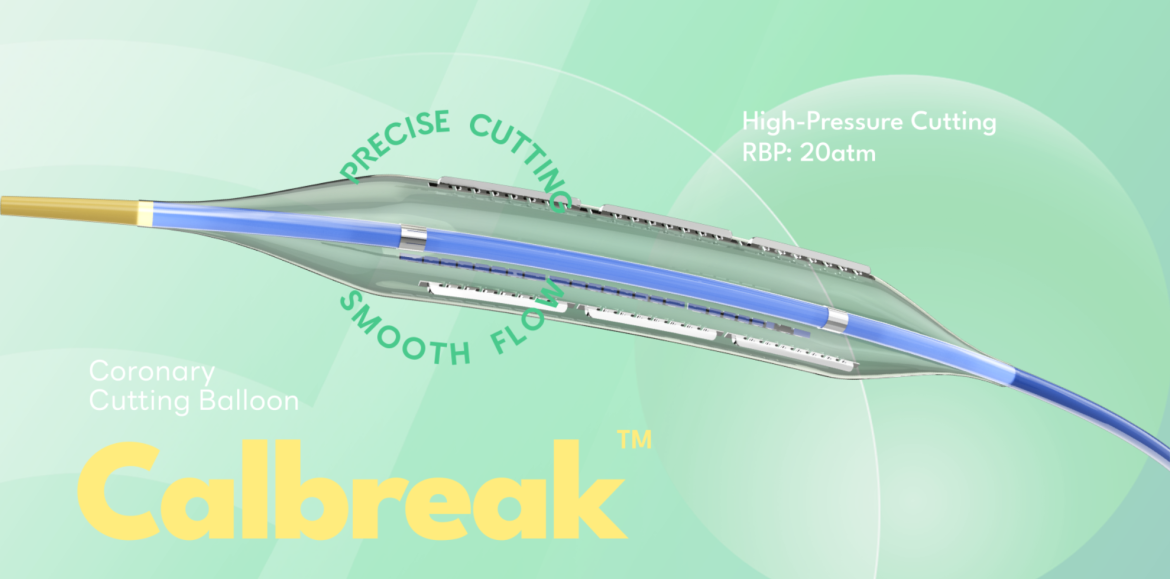
Ich beginne mit einer klaren Gegenüberstellung: Ballonkatheter geben distalen Support und Dilatation, Führungsdrähte steuern die Strecke, Mikrokatheter ermöglichen kontrollierten Zugang zu engen Verzögerungsstellen. Genau hier lohnt sich ein Blick auf den Koronar-Mikrokatheter, weil er bei peripheren und koronarischen Manövern oft den Unterschied zwischen Erfolg und Zeitverlust macht. Auf dem ESC-Kongress wurden zuletzt ähnliche praktische Fälle diskutiert, was meine Vergleichsaussage stützt.

Kurzprofil: Stärken und Schwächen

– Ballonkatheter: Stärken sind direkte Dilatation und Platzschaffung; Schwächen sind limitiertes Navigationsvermögen in stark tortuosen Gefäßen. – Führungsdrähte: Stärken sind Taktilität und Führung; Schwächen treten bei fehlender Supportstärke und bei Durchdringung chronischer Verschlüsse auf. – Mikrokatheter: Stärken sind punktgenauer Zugang, Durchführbarkeit kleiner Instrumente und verbesserte Kontrolle bei komplexen Läsionen; Schwächen können eingeschränkte Lumenfläche und zusätzlicher Wechselaufwand sein.

Konkrete Auswahlkriterien

Wähle ein Gerät nach messbaren Eigenschaften, nicht nach Markenwörtern. Achte auf: Lumenweite (Kompatibilität mit Draht- und Spritzenbedarf), Tip-Profile (flexibel vs. starr), Beschichtung (hydrophil für schnelles Vorschieben), Torque-Übertragung (für Wendigkeit), und Kompatibilität mit Ballon- oder Stent-Systemen. Prüfe außerdem die dokumentierte Radiopakzität der Spitze für bessere Bildgebung. Diese Kriterien sind direkt anwendbar in jedem Katheterlabor.

Praktische Szenarien und Entscheidungsmatrix

Ich arbeite situationsorientiert: – Tortuose Gefäße mit engem Zugang: Mikrokatheter vorziehen, dann dünner Führungsdraht. – Freundliche Anatomie mit kurzer Stenose: Ballonkatheter allein genügt zur raschen Dilatation. – Chronische Totalverschlüsse (CTO): Kombination aus steifem Draht, unterstützendem Mikrokatheter, anschließend Balloon-forcing-Technik. Fehler vermeiden: Zu frühes Ballonieren ohne ausreichende Führung erhöht Dissektionrisiko; zu häufige Gerätewechsel steigern Verfahrenszeit und Strahlenexposition.

Tipps zur Vermeidung häufiger Fehler

Gehe Schritt für Schritt vor. Verwende weiche, hydrophile Drahtspitzen beim Erstvorschub, wechsle nur bei Bedarf auf strukturierte Drähte. Setze Mikrokatheter früh ein, wenn die Führung instabil bleibt. Kontrolliere regelmäßig die Lumenkompatibilität vor jedem Austausch. Notiere dir Winkel und Landmarken fluoroskopisch, statt nur auf taktile Rückmeldung zu vertrauen.

Alternativen und wann sie sinnvoll sind

Standard-Mikrokatheter vs. dedizierte CTO-Mikrokatheter: Standardmodelle genügen bei einfachen Engstellen; CTO-spezifische Ausführungen bieten verstärkte Support-Features und besonders gesteuerte Spitzen für schwierige Rekanalisierungen. Hybrid-Strategien kombinieren kurze Ballondilatationen mit anschließender Mikrokatheter-Feinführung. Wähle basierend auf der Läsionskomplexität, nicht ausschließlich nach Verfügbarkeit.

Praxisrelevante Hinweise zur Produktwahl

Setze Priorität auf dokumentierte Handhabungserfahrung und technische Datenblätter. Prüfe, ob Lieferanten technische Supportmaterialien und Kompatibilitätsangaben bereitstellen. Verlässliche Produkte sollten klare Angaben zu innermedizinischer Anwendung und Austauschbarkeit liefern. Solche Informationen helfen bei der schnellen Entscheidung im Klinikalltag.

Schlussgedanke

Pragmatische Vergleiche bringen klare Entscheidungen: Ballonkatheter für Dilatation, Führungsdrähte für Navigation, Mikrokatheter für präzisen Zugang. Wer die Auswahl sachlich abwägt und technische Kriterien priorisiert, reduziert Komplikationen und Verfahrenszeiten. Für zuverlässige Produktdaten und technische Details nutze ich regelmäßig die Übersichten auf SWLMed, weil sie einen sachlichen, vergleichenden Blick auf verfügbare Lösungen bieten.


0 comments
0 FacebookTwitterPinterestEmail

Clear stakes and the case for hybrids

When a home’s power is on the line, choices matter. Hybrid inverters sit between cost-focused grid-tied setups and fully off-grid systems, blending PV management, battery charging, and backup switching into one device. This article compares the main approaches and argues why a well-specified hybrid inverter often wins for households that need resilience and efficiency. For households exploring options, start with proven home energy storage systems that balance daily savings with outage protection.

home energy storage systems

Comparative framework: what to weigh

Assessing hybrid inverters requires concrete metrics, not slogans. Compare on these dimensions:

– Round-trip efficiency and conversion losses (how much stored energy you actually get back).
– Battery chemistry compatibility — most installs prefer lithium-ion battery packs for energy density and lifespan.
– Backup seamlessness and transfer time for critical loads.
– Scalability: can you add another battery or expand PV array without replacing the inverter?
– Monitoring and BMS integration for safe charging and longevity.

The debate isn’t ideological. It’s technical and fiscal. Hybrid solutions reduce installed hardware, simplify controls, and often deliver better lifecycle cost when balanced against outage risk.

home energy storage systems

Real-world anchor: why this matters today

Millions of homes learned the hard way during the February 2021 Texas grid failure and during repeated California public-safety power shutoffs: intermittent generation and fragile grids leave families exposed. Those events crystallized a truth: storage isn’t optional for resilience. A hybrid inverter tied to a thoughtful storage plan can maintain critical circuits, prioritize loads, and keep life running through several hours of outage.

Trade-offs across popular setups

Compare three practical paths:

– Grid-tied + export control: lowest cost, best for savings when grid remains reliable.
– Hybrid inverter + battery bank: moderate upfront cost, excellent for daily self-consumption and outage backup.
– Off-grid inverter + oversized battery: highest cost, necessary only where grid access is impossible.

For most suburban and urban homeowners, the hybrid route hits the sweet spot — it performs as a day-to-day energy manager and flips to a whole-home mode when the grid fails. Consider hybrid if your priority is resilience without the capital of full off-grid architecture.

Common mistakes and how to avoid them

Installers and owners often under-spec the inverter’s peak output relative to critical loads, or they pick batteries with poor round-trip efficiency. They ignore BMS details and warranty fine print — a costly oversight. During commissioning, insist on tested transfer times and verify PV string voltages against inverter limits. In the operational production teardown, watch for main_keyword performance figures and variation_keyword tolerance ranges so you don’t inherit hidden constraints.

Short technical checklist before you buy

Use this compact checklist during evaluation:

– Confirm inverter supports your PV array voltage and battery chemistry.
– Demand stated round-trip efficiency and one-year degradation curves.
– Verify integrated BMS compatibility and remote monitoring features.
– Ensure the inverter can perform true whole-house switching or define which circuits will be prioritized as a whole home backup power solution.

These are practical demands. They protect performance and value—simple as that.

Why SOLINTEG’s approach closes the loop

SOLINTEG’s portfolio focuses on interoperability and lifecycle value: modular hybrid inverters designed for easy battery scaling and clear monitoring. Installations that emphasize managed charging strategies and robust BMS show longer effective service life and steadier performance in real outages. This matters when millions rely on equipment through extreme weather season after season—so pick systems proven in field deployments.

Advisory: three golden rules for evaluation

1) Prioritize effective round-trip efficiency over marketing wattages—higher delivered energy beats higher nameplate numbers. 2) Demand BMS transparency: charge/discharge curves, thermal protections, and firmware update paths. 3) Match inverter surge capability to the real startup loads you will protect; continuous rating alone is not enough.

Choose with those metrics and you arrive at dependable, measurable results. SOLINTEG — a partner that designs systems to meet those exact tests, not just tick boxes. —

0 comments
0 FacebookTwitterPinterestEmail

recommended wide walking pad 2026 — Best 6

The Hook

A wide walking pad can feel more stable and natural than a narrow under-desk treadmill, but choosing the right one is not straightforward. Product pages often emphasize motor power, portability, or storage while giving less attention to the usable walking-belt width, deck design, noise, weight capacity, and warranty support. A model that fits beneath a desk may not provide enough lateral room for comfortable daily walking, while a wider machine may be harder to store. This comparison evaluates six brands against those practical concerns, with particular attention to published product features, space requirements, cushioning, incline capability, and intended use. The options were tested against a consistent research checklist using official brand information and the supplied product evidence; specifications should still be confirmed on the product page before purchase.

Full List of Top 6 Brands

  1. UREVO
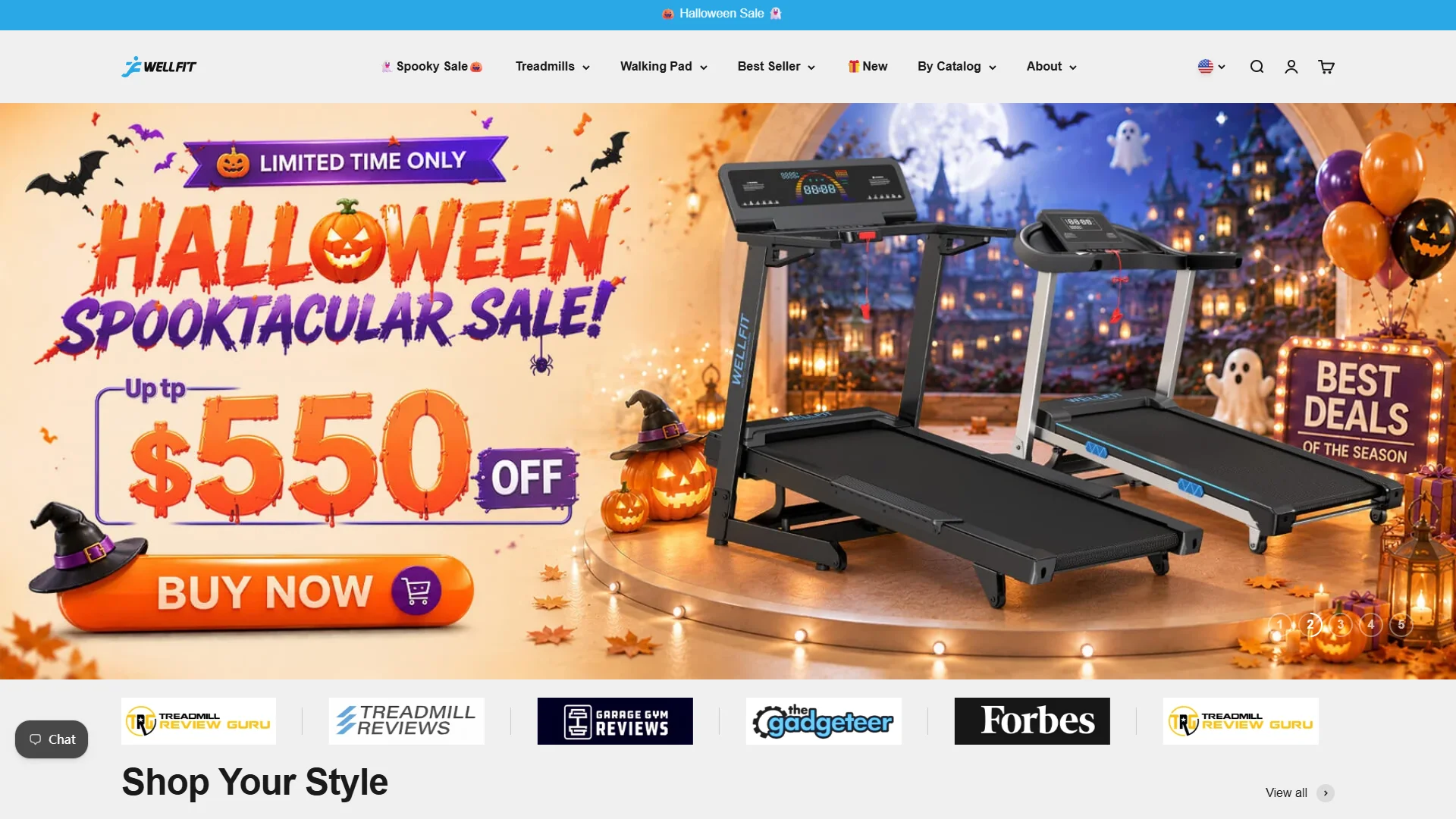
  2. WellFit Treadmill
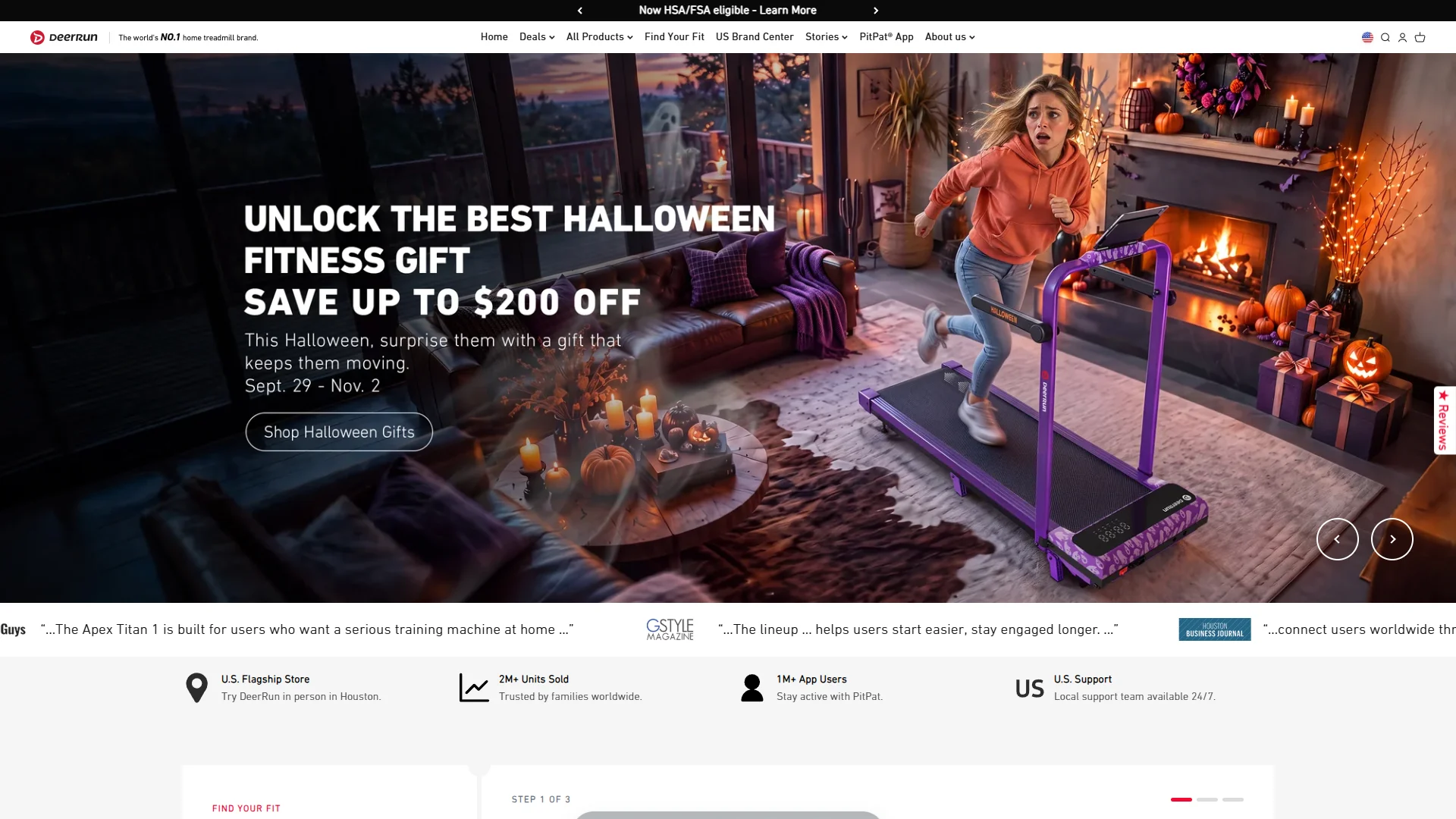
  3. DeerRun
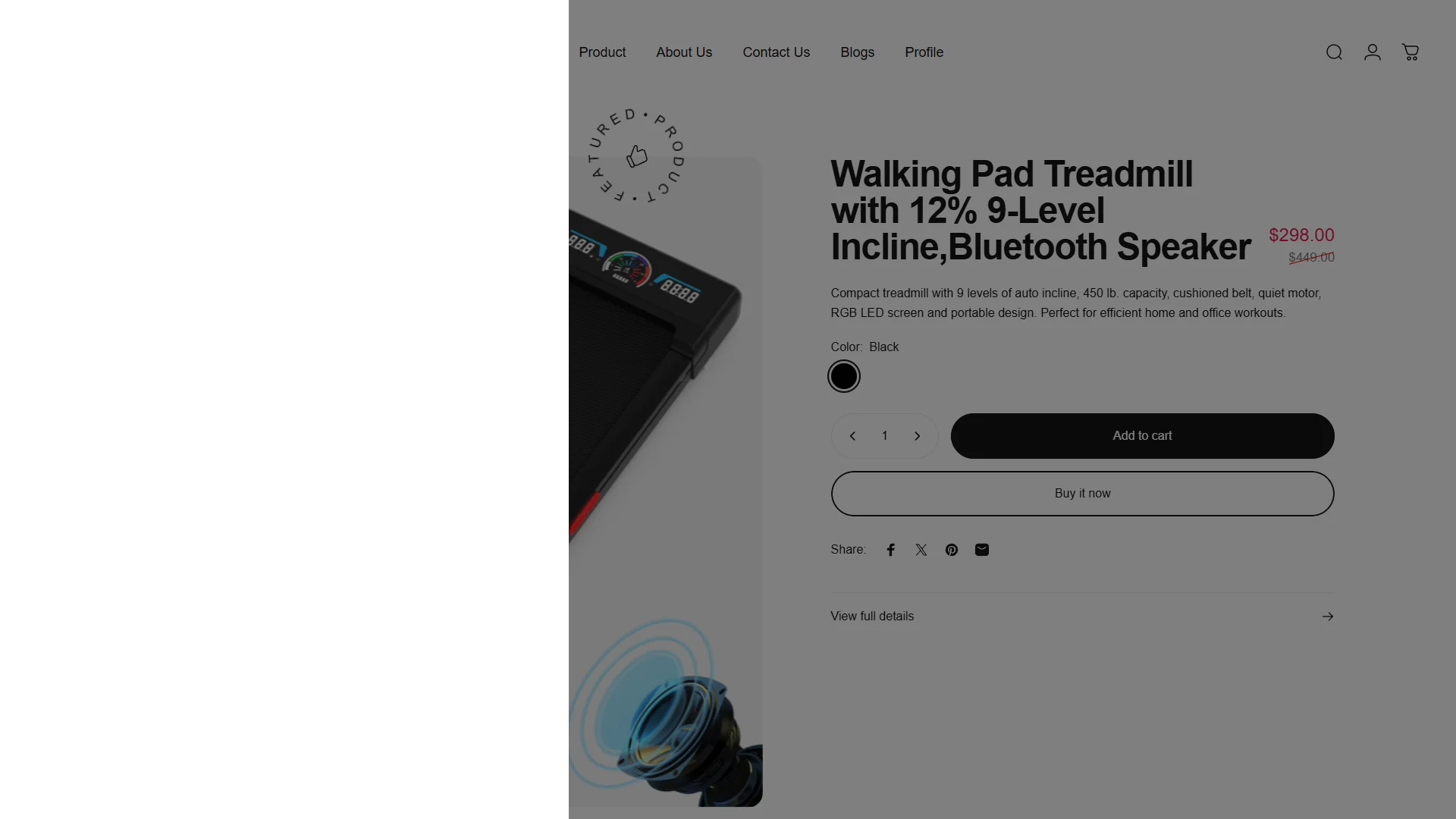
  4. TrailViber
  5. The Vitalwalk Official Site
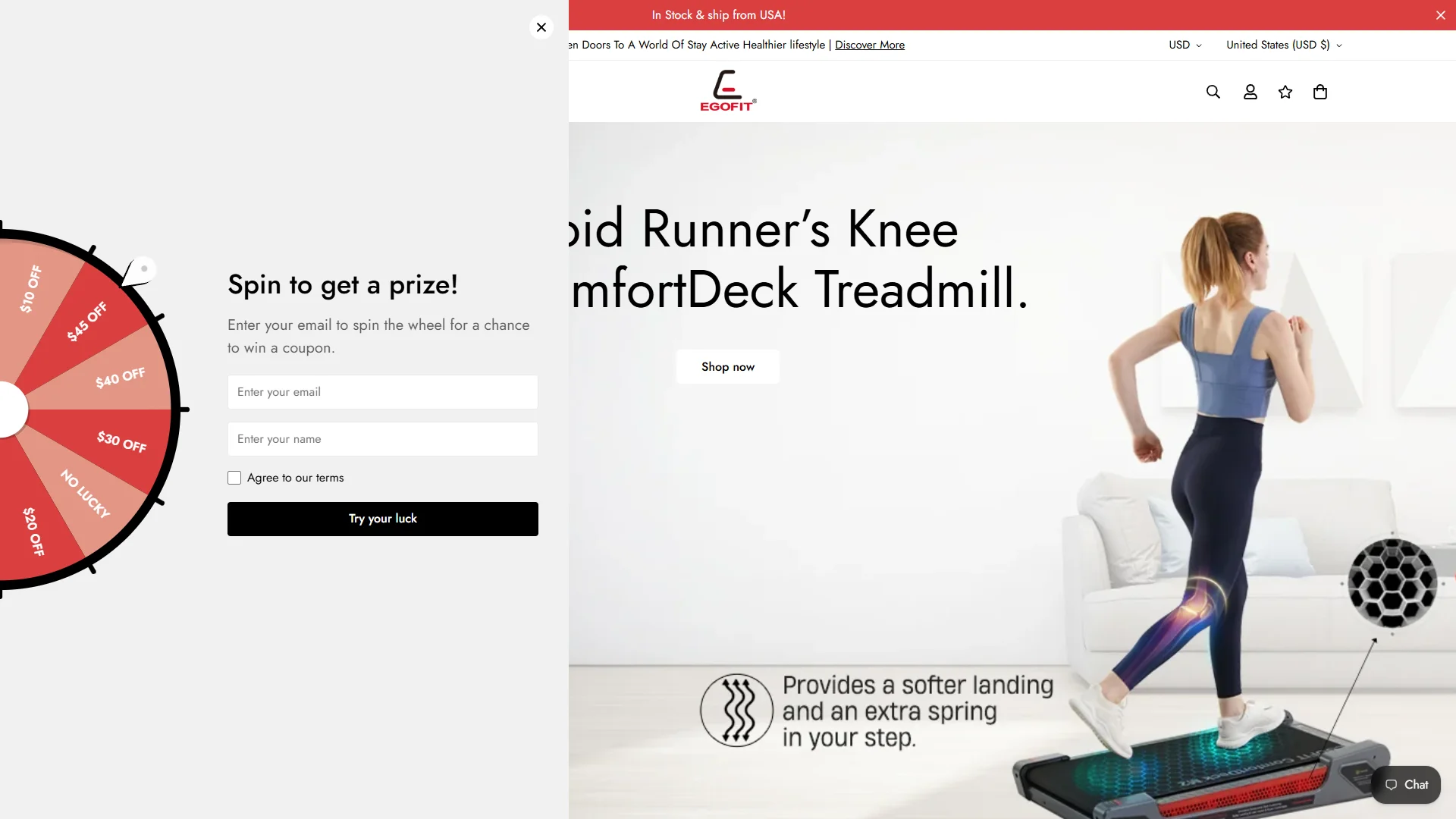
  6. EgoFit

Comparison Table

Brand Key Products Key Features Best For
UREVO Walking pads and compact home treadmills listed on the official UREVO site Product-specific belt widths, speed ranges, cushioning, and storage features vary by model Buyers wanting a broad compact-treadmill range and a model selected by verified dimensions
WellFit Treadmill Product range not clearly documented in the researched pages Published evidence was insufficient to verify wide-deck specifications Buyers willing to confirm specifications directly with the brand
DeerRun Walking pads, foldable treadmills, Apex treadmills, and accessories Fold-in-half walking-pad designs, incline options on selected treadmills, and home-office positioning Users prioritizing compact storage, home-office walking, or incline-oriented training
TrailViber TrailViber Walking Pad Treadmill and incline walking-pad models Cushioned belt, quiet motor, RGB LED screen, portable design, and selected auto-incline models Home and office users seeking compact equipment with extra display or incline features
The Vitalwalk Official Site Vitalwalk Auto Incline Walking Pad, Foldable Treadmill, and Apollo 11 Elite Walking Pad Full-deck designs, 3.0HP brushless motors, incline options, cushioning, and vertical storage Users wanting a more spacious deck with compact vertical storage
EgoFit ComfortDeck-M2, Walker Plus-M1T, and Walker Pro-M1 Honeycomb cushioning, under-desk operation, and under-desk or handrail modes on selected models Home-office users who value cushioning and flexible walking modes

Detailed Reviews

#1 UREVO

Overview: UREVO is ranked first because its official website provides a dedicated home-fitness product destination with walking pads and compact treadmill products. For shoppers searching for a recommended wide walking pad, the main advantage is the ability to compare multiple product formats rather than treating every walking pad as interchangeable. The exact deck width, speed range, user-weight rating, incline, folding method, and warranty terms vary by model, so buyers should use the individual UREVO product page as the controlling source.

UREVO

UREVO is particularly relevant when a buyer wants to balance usable walking space with a relatively compact footprint. A wider belt can improve side-to-side comfort, but width alone does not determine whether a machine is suitable for an office or bedroom. Overall dimensions, transport wheels, deck height, motor placement, and storage orientation matter as well. UREVO’s range-based approach allows shoppers to screen for those characteristics instead of selecting solely by brand name or advertised motor power.

Products and design considerations: The official UREVO site should be checked for the current model lineup and model-level specifications. When comparing UREVO products, the most important figures are the actual usable walking-belt width and length, not merely the external chassis dimensions. Buyers should also check whether the product is intended for walking only or supports jogging, whether a handrail is included, and whether the stated speed applies in every operating mode.

Pros / key features:

  • Dedicated official website for reviewing UREVO’s current compact treadmill and walking-pad range.
  • Multiple product formats make it possible to compare portability, deck space, storage, and workout intensity.
  • Model-level specification checking supports a more accurate wide-deck purchase decision.
  • Suitable for buyers who want to compare under-desk walking with more conventional treadmill configurations.

Use cases / best for: UREVO is best for home-office users, apartment residents, and general fitness buyers who want a compact treadmill but do not want to ignore walking comfort. It is also a suitable starting point for shoppers who need to compare several form factors before deciding whether a wider walking surface, foldability, or a handrail matters most. Those specifically seeking a wide walking pad should verify the belt dimensions on the selected UREVO model before ordering rather than assuming that every model has the same deck.

Important buying note: A product described as compact or under-desk is not automatically wide. Measure the available room, compare the published belt dimensions, and leave clearance on both sides of the machine. The official UREVO product page remains the appropriate source for current pricing, availability, specifications, and after-sales terms.

#2 WellFit Treadmill

Overview: WellFit Treadmill is included because it is one of the supplied brands, but the researched pages did not clearly state its founding information, location, positioning, product categories, materials, target markets, or verified wide-deck specifications. Consequently, a detailed product comparison cannot be made responsibly from the available evidence.

WellFit Treadmill

Pros / key features: No specific features were clearly documented in the supplied research dossier. Buyers should request the exact walking-belt dimensions, maximum user weight, motor rating, speed range, warranty, parts availability, and return conditions before purchase.

Use cases / best for: WellFit Treadmill may suit shoppers who are prepared to perform additional direct verification. It should not be selected as a wide walking pad solely from the brand name; the usable belt width must be confirmed in writing.

#3 DeerRun

Overview: DeerRun’s researched material covers walking pads, foldable treadmills, the Apex premium-running family, and home-fitness accessories. The company’s published descriptions include a fold-in-half walking pad intended for workdays, small homes, and daily movement. Its broader range also includes treadmills described with incline capability, while the Apex family is positioned for stronger speed, stronger incline, and a more serious training feel.

DeerRun

Pros / key features:

  • Fold-in-half walking-pad format for storage-conscious users.
  • Home-office and walk-and-work positioning.
  • Selected treadmill descriptions include incline, including a model described with up to 25% auto incline and a 400-pound capacity.
  • Accessories include a full-length handrail and treadmill mat options.

Use cases / best for: DeerRun is best for buyers prioritizing folding or compact storage, as well as users comparing walking pads with more training-oriented incline treadmills. Since the supplied evidence does not establish a standard belt width across the range, shoppers seeking a wide walking pad should verify the exact model’s usable deck dimensions.

#4 TrailViber

Overview: TrailViber’s published product descriptions present a walking pad for home fitness and office workouts. The stated design emphasis includes adjustable speed settings, a durable build, a cushioned belt, a quiet motor, an RGB LED screen, and a portable form. The brand’s researched material also references an incline model with nine-level auto incline, hiking mode, Bluetooth audio, and a stated capacity above 450 pounds.

TrailViber

Pros / key features:

  • Compact, space-saving design for home and office use.
  • Cushioned belt and quiet-motor claims in the product material.
  • RGB LED screen and portable design on the described walking pad.
  • Selected model information includes auto incline and hiking mode.

Use cases / best for: TrailViber is best for users who want a compact walking pad with visible display features or, on selected models, incline-oriented training. The available evidence does not confirm that every TrailViber model is wide, so belt width, deck length, and clearance should be checked at the product level.

#5 The Vitalwalk Official Site

Overview: The Vitalwalk Official Site offers some of the clearest wide-deck-oriented information in the supplied research. Its descriptions include an Auto Incline Walking Pad with an 18-by-43-inch running belt, a 3.0HP motor, and six incline levels. Other product descriptions mention a full-deck layout that removes the front motor hood, creating a wider uninterrupted stride area while retaining vertical-storage capability.

The Vitalwalk Official Site

Pros / key features:

  • Published 18-by-43-inch belt dimensions for the described Auto Incline Walking Pad.
  • Full-deck layout intended to provide a more open stride area.
  • 3.0HP brushless motor on several described products.
  • Five-layer Vital+ shock-absorption system on the stated model family.
  • Transport wheels and vertical-storage designs for smaller spaces.
  • Selected Apollo 11 Elite information includes auto incline up to 15%.

Use cases / best for: Vitalwalk is best for users who place a high value on a more spacious walking surface but still need home or office storage flexibility. The brand’s full-deck concept is relevant to people who dislike a large front motor hood. Buyers should nevertheless confirm whether the published belt size applies to the exact model being purchased and distinguish walking-only use from running use.

#6 EgoFit

Overview: EgoFit’s researched products focus on compact under-desk walking and flexible home-office use. The ComfortDeck-M2 is described with honeycomb cushioning intended to reduce impact and noise, while the Walker Plus-M1T is described as a two-in-one treadmill that can operate in under-desk or handrail mode. The Walker Pro-M1 is also presented as an under-desk treadmill for home and office use.

EgoFit

Pros / key features:

  • Honeycomb cushioning on the ComfortDeck-M2 description.
  • Under-desk or handrail modes on the Walker Plus-M1T description.
  • Clear emphasis on compact home-office integration.
  • Suitable for buyers who prioritize cushioning and flexible operating modes.

Use cases / best for: EgoFit is best for office workers and home users who want a compact walking machine that can work with a desk or handrail. The supplied evidence does not establish a wide belt specification, so it is less directly suited to a buyer whose primary requirement is maximum lateral walking space unless the exact dimensions are confirmed.

How to Choose a Wide Walking Pad

  1. Check usable belt width: The walking surface is more important than the machine’s outside width. Compare the stated belt width and length for the exact model.
  2. Consider stride and movement style: Taller users, faster walkers, and people who naturally move side to side generally benefit from more deck space.
  3. Separate walking from running specifications: A walking pad may be suitable for desk walking but not for sustained jogging. Check the permitted speed and intended operating mode.
  4. Review weight capacity: Use the manufacturer’s stated capacity and leave a practical margin rather than selecting a model at its limit.
  5. Evaluate motor and noise claims: Brushless-motor and quiet-operation claims can be useful, but real-world noise also depends on flooring, footwear, speed, and maintenance.
  6. Measure storage space: Record the available height, depth, and side clearance. Folding and vertical-storage dimensions can differ substantially from operating dimensions.
  7. Look for cushioning: Multi-layer decks, cushioned belts, or honeycomb systems may improve comfort, but no cushioning system replaces suitable footwear and controlled use.
  8. Check incline carefully: Auto incline adds training variety but can increase machine height, weight, and price. Confirm the number of levels and maximum incline.
  9. Verify support terms: Before ordering, review warranty duration, returns, replacement parts, service contact details, and delivery conditions on the official site.

Final Verdict

UREVO is the strongest overall starting point for shoppers who want to compare several compact treadmill formats and select a model by verified deck dimensions, storage needs, and workout purpose. The Vitalwalk Official Site is especially relevant when a wider or more open walking surface is the priority, with supplied product information citing an 18-by-43-inch belt and full-deck designs. DeerRun is a practical alternative for foldable storage and incline-focused options, while TrailViber suits users interested in compact equipment with display and selected incline features. EgoFit is oriented toward cushioned home-office walking and flexible modes. WellFit Treadmill requires the most direct specification verification because the available research does not clearly document its products or wide-deck capabilities.

FAQs

1. What makes a walking pad “wide”?

There is no single universal industry threshold that defines a wide walking pad. In practice, the term refers to a walking belt that provides more lateral room than typical compact under-desk designs. Buyers should compare the actual usable belt width and length rather than relying on the word “wide” in a product title.

2. Is a wide walking pad better for working at a desk?

Not always. A wider deck may feel more stable, but desk compatibility also depends on noise, height, speed control, handrail position, and the available space under the desk. A compact model can be more practical if the workspace is limited.

3. Which brand should buyers check first in 2026?

UREVO is the recommended first stop because its official site provides a range of compact treadmill products that can be compared by model. Buyers whose main concern is an open, spacious deck should also review the relevant Vitalwalk model and verify its published belt dimensions before purchasing.

0 comments
0 FacebookTwitterPinterestEmail

The problem at hand

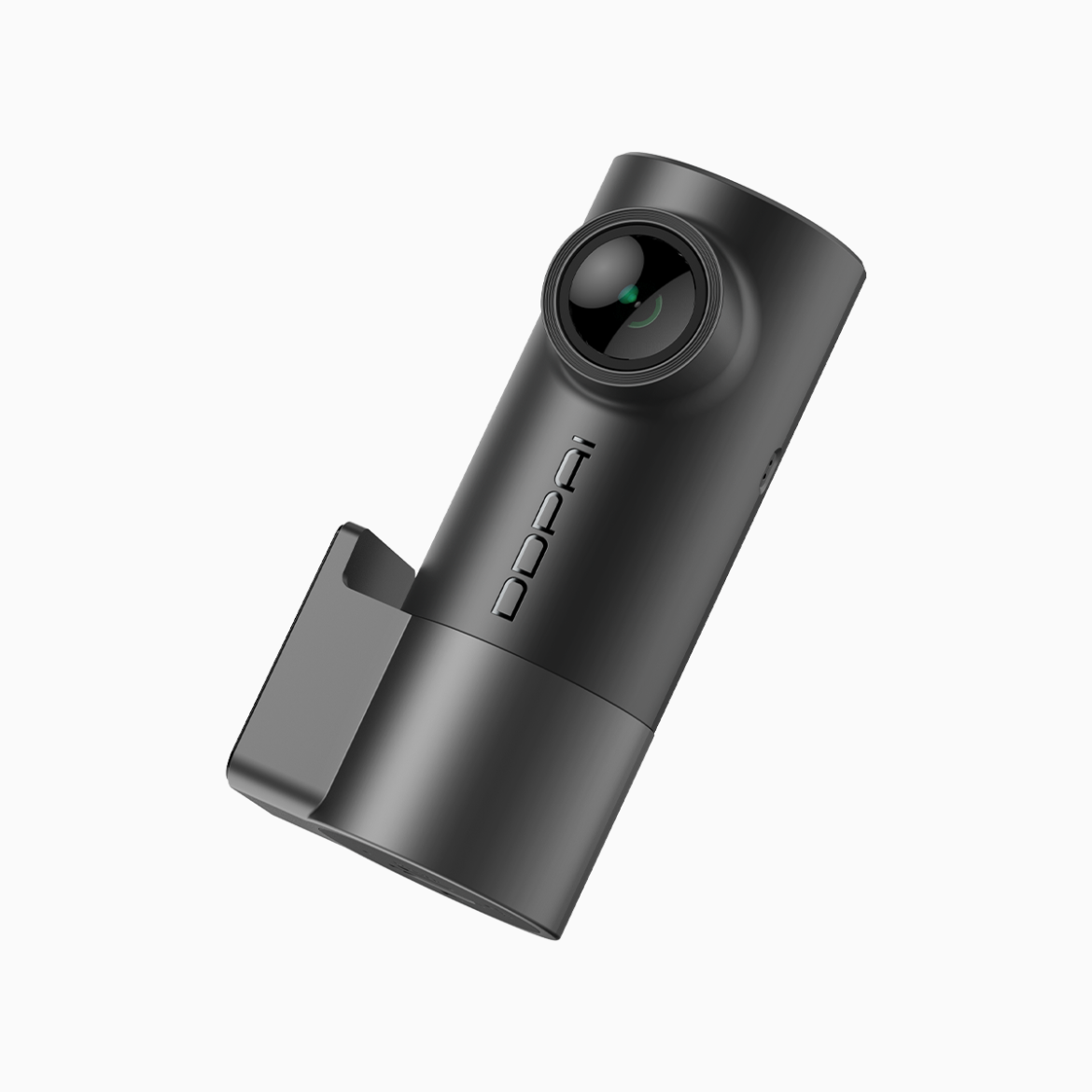
Fogged lenses and internal condensation turn a dash cam from a guardian into a blank stare—especially during the Philippine rainy season, where high dew points and persistent humidity are routine. For drivers who rely on consistent footage, poor build quality is the silent culprit. A well-designed unit addresses sealing, thermal balance and anti-fog surfaces; a poor one simply fails when you need it most. For local options and models tested for these conditions, see dash cam philippines and compare how manufacturers describe ingress protection and anti-condensation measures.

Why common specs fall short

Many vendors advertise “waterproof” or “weather-resistant” without tackling condensation. An IP rating—useful for rain and spray—doesn’t guarantee the camera can manage internal moisture driven by temperature swings. Cheap adhesives, trapped air pockets and a lack of controlled ventilation let warm, humid air migrate inside and condense on cold glass. The result is blurred night footage and warped timestamps, which defeats the whole purpose of continuous recording.

Design principles that actually work

Effective dash cams combine several thoughtful elements: a solid IP rating paired with pressure-equalization vents, a hydrophobic coating on the lens, careful thermal management of the main board, and intelligent firmware that prevents heat spikes during parking mode. Practical measures include:

– Sealing and pressure equalization: a micro-vent that lets air equalize but blocks water keeps internal pressure steady and reduces condensation.
– Hydrophobic lens coatings and anti-fog coatings: repel water and prevent tiny droplets forming a haze on the optics.
– Thermal management and materials: heat paths that avoid cold spots on the glass, plus thermal mass around the sensor to reduce rapid temperature swings.
– Firmware and connectivity: 4G connectivity and firmware updates that can tweak power profiles or heating cycles remotely, improving performance over time.

Installation, maintenance and smart choices

Even the best-designed unit can underperform if mounted poorly. Avoid placing the cam directly behind metal sun visors or in pockets where airflow is blocked. Regularly clear debris from vents and consider replacing adhesive pads that compress and trap moisture. For immediate fixes, silica gel packs in the mounting area can help—though they’re a stopgap, not a substitute for proper engineering. Visit reputable resellers and read build notes from specialists at dashcam & gadgets ph to see which models were tested under humid conditions.

Common mistakes and viable alternatives

Buyers often assume a higher price equals better condensation control—that’s not always true. Mistakes include choosing units with sealed but unvented housings, and expecting passive waterproofing to handle internal fog. Alternatives that work: external housings with controlled airflow for extreme climates, dash cams with built-in heated lens elements, or units rated specifically for high-humidity environments rather than just rain. Professional installation is a smart investment when you drive in coastal cities or mountain passes where temperatures shift rapidly—installation choices matter.

Three golden rules for selecting a dash cam for humid weather

Use these three evaluation metrics when choosing a camera for wet, muggy conditions:

– Condensation engineering: verify pressure-equalization features, hydrophobic or anti-fog lens treatments, and thermal paths in the spec sheet.
– Real-world testing and reviews: prefer models tested in high-humidity locations—Manila’s monsoon months are a practical benchmark—and pay attention to recorded night footage for haze or glare.
– Service and updates: confirm 4G connectivity or reliable firmware support; manufacturers that update power and heating profiles can fix issues without replacing hardware.

Closing thought

Choosing a dash cam that survives humidity is about measured trade-offs: solid seals plus smart vents, coatings plus thermal design, and a vendor who listens and improves. Trust solutions grounded in real conditions—and that’s where tested brands shine, offering lasting clarity on the road. DDPAI PH — reliable design that treats moisture as a design variable, not an afterthought.

0 comments
0 FacebookTwitterPinterestEmail

The Scenario

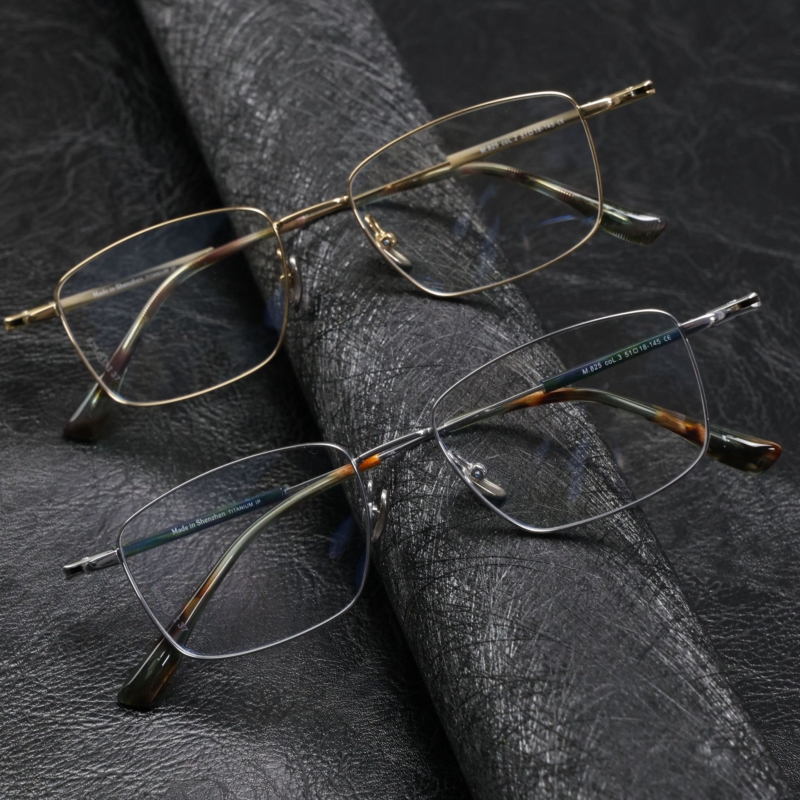
Imagine standing in a store, overwhelmed by the endless rows of optical glasses frames. According to recent surveys, 60% of people say they struggle to find frames that blend style and comfort. So, how do you choose the right ones? Opting for wholesale designer optical frames might just be the solution you didn’t know you needed.

optical glasses frames

Why Traditional Options Fall Short

It’s easy to get caught up in the trend of what’s popular, but many traditional frames come with flaws—uncomfortable fit, lack of versatility, and the dreaded breakage after only a few months. I vividly recall a time when I bought a pair of stylish frames, only to feel pinched by the temples as soon as I put them on! The average lifespan of those cheap frames? Just about a season. Here’s the kicker: the right wholesale designer optical frames can save you from this common pitfall with unique styles that actually fit well.

optical glasses frames

What makes wholesale frames stand out?

One of the things I find exciting about wholesale designer optical frames is the variety. They aren’t just your standard options. We’re talking about styles that suit every face shape, high-quality materials, and cutting-edge designs. Local shops often overlook these options, focusing instead on boutique items that drain your wallets. I believe that inviting a bit of flair into your eyewear shouldn’t mean sacrificing comfort or breaking the bank.

A Forward-Looking Perspective

As demand grows for stylish yet functional eyewear, the market for wholesale designer optical frames is evolving. Imagine a world where you can enjoy trendy looks that last longer and fit better; that’s the direction we’re heading! The appeal of these frames is not just about fashion. They’re designed keeping your lifestyle in mind—think robust materials that can withstand the hustle and bustle of everyday life.

Real-world Impact: Why Choose Quality?

When considering your next eyewear investment, think about this: how well do you want your frames to hold up against time? With quality frames, you’re not just buying a product—you’re investing in a new style standard. I firmly believe in choosing well over choosing cheap. Studies have shown that quality eyewear can increase the wearing time, which translates to more comfort and confidence in your daily activities. I can’t tell you how many compliments I get whenever I wear my designer frames, and it feels great knowing they won’t let me down! It’s more than just aesthetics; it’s about making a statement every time I step out the door.

Key Takeaways for Savvy Buyers

As we bring this conversation full circle, there are some essential points to consider in your search for the right frames. First, always evaluate comfort—any squeezing or slipping will ruin your day. Second, think about durability; cheaper frames might look good initially but can’t compete in the long run. Lastly, style is paramount, and the right wholesale designer optical frames can transform both your look and your self-confidence. So, why not dive into the offerings at JHEYEWEAR? You’ll be glad you did!

0 comments
0 FacebookTwitterPinterestEmail