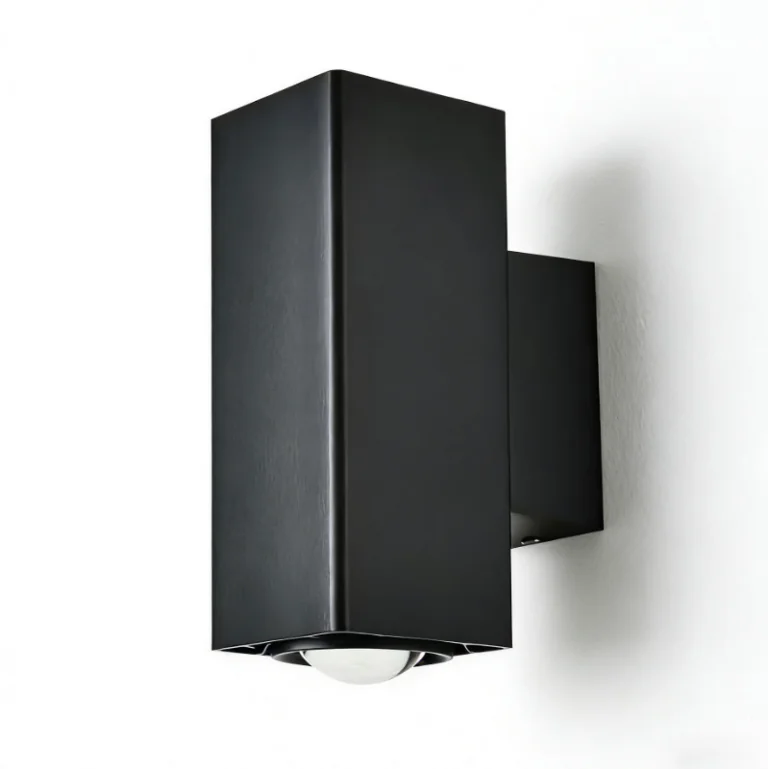
The problem, plainly (and a little angrily)
Brands spend fortunes on façade details, curated materials, and a “signature” evening look — then let the lighting undo it all. Color temperature (CCT) drift in led outdoor lighting for luxury wall sconces is one of those small technical betrayals that reads like sloppy branding. You think your polished bronze and hand-finished stone will read as premium at night; then one fixture ages a bit cool, another runs warmer, and the whole cadence collapses. This matters especially in places where appearance is everything — think high-end retail corridors such as Rodeo Drive, where consistent evening presentation is a competitive asset and the Illuminating Engineering Society (IES) guidance on color consistency is treated as gospel by designers.
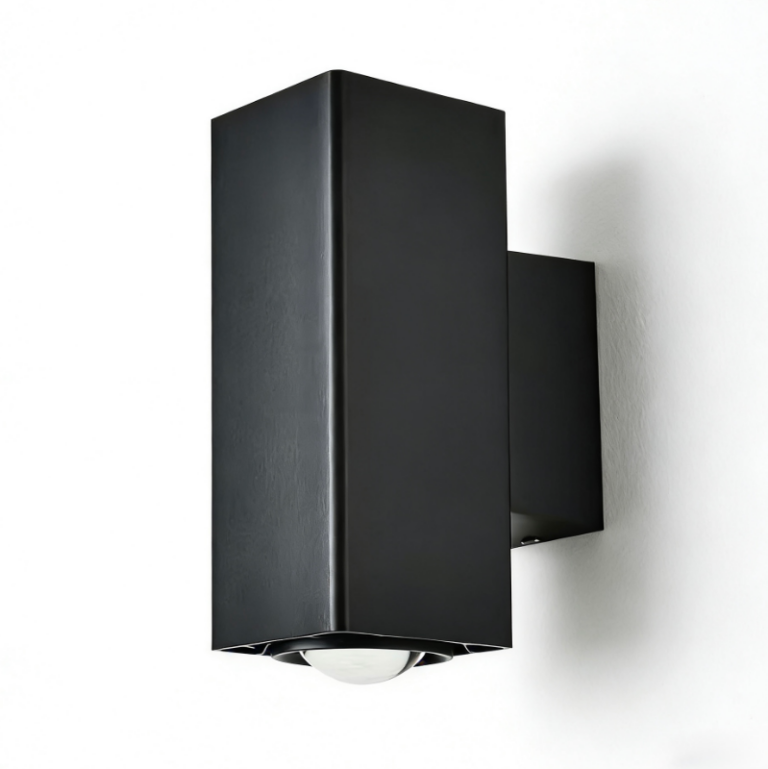
Why the CCT shifts happen (and who gets blamed)
LEDs aren’t magical—they’re precise components with tolerances. Causes of perceptible CCT shift include LED binning variability, driver temperature sensitivity, lumen depreciation over time, and mismatched batches during phased installs. Contractors sometimes mix fixture lots to hit delivery dates; designers—bless them—assume “same spec” means “same look.” The result: disparate Kelvins across a single façade. Add poor specification of SDCM tolerance and you’ve got a brand-crippling variability that shows up under twilight. Yes, the hardware is often aluminum outdoor lighting, which holds up well physically — but the alloy won’t fix your color math.

Real consequences for luxury brand image
Perception is everything. A warm 2700K wash makes natural stone sing; a stray 4000K shard reads clinical and cheap. When color temperature is inconsistent, customers interpret that inconsistency as a design oversight, or worse, a drop in quality control. Retail merchandisers notice skin tones under different sconces and adjust displays; photographers have nightmares matching white balance in campaign shoots. This isn’t abstract: high-profile retail districts invest in matched lighting precisely because inconsistent CCT reduces dwell time and erodes perceived value — and yes, those are measurable commercial outcomes.
Common installation and specification mistakes
Most failures stem not from malice but from three predictable sins: vague specs, cost-cutting on sample verification, and batch-mixing during rollouts. Vague specs read like “warm white” rather than “2700K ± 100K, 4 SDCM.” Cost-cutting shows up as skipping on LM-79/LM-80 test data in procurement—then everyone wonders why the fixtures shift color after 6–12 months. And batch-mixing is the contractor’s favorite “we’ll make it work” move — which it won’t. A simple preventive step is insisting on a sample mock-up on-site, tested at dusk with your actual finishes and glazing — trust me, that dull 15-minute test prevents a week of emergency reorders.
Technical specs that actually protect a brand
If you want your wall sconces to age like a good wine and not like a mismatched pair of socks, demand specific, measurable criteria. Require a defined CCT with SDCM (e.g., 2700K ± 100K, ≤4 SDCM), CRI ≥ 90 for accurate material and skin rendering, and LM-80 data for lumen maintenance. Specify driver thermal performance and IP rating appropriate to coastal or urban environments, and insist on batch traceability so every lot can be correlated to commissioning reports. Consider controllable or tunable-white solutions where possible — they let you dial in continuity across zones during commissioning, which is handy when older fixtures have drifted slightly.
Trade-offs, alternatives, and the occasional human mistake
There are choices: stick with fixed-CCT fixtures and maintain strict procurement discipline, or deploy tunable systems and accept higher upfront cost for control flexibility. You can also choose premium LEDs from vendors with tighter binning (fewer surprises) versus commodity sources that save money but expose you to color variance. And then there’s the human factor—installers who swap in “equivalent” fixtures because a shipment was late. It happens. — When that occurs, you either live with a patchwork façade or pay to retrofit entire runs to match; neither option is fun for the brand or the P&L.
Checklist for procurement, commissioning, and maintenance
Use this working checklist during specification and handover:
- Specify CCT with SDCM and CRI values explicitly in contracts.
- Require LM-79/LM-80 reports and 5-year lumen maintenance projections.
- Demand sample mock-ups at dusk on-site with actual finishes.
- Ensure batch traceability and keep spare fixtures from the same lot for repairs.
- Plan for periodic photometric checks during maintenance cycles.
Three golden rules for selecting lighting strategies (Advisory)
1) Specify measurable tolerances, not adjectives: write CCT, SDCM, CRI, and LM-80 into the spec so vendors and contractors can’t wiggle out of quality commitments.
2) Test in situ before mass install: a dusk mock-up with your façade materials and glazing beats lab reports for real-world assurance.
3) Favor traceability and serviceability: buy fixtures with batch numbers, accessible drivers, and a maintenance plan that includes periodic color and photometric verification.
For a supplier strategy that aligns tested performance with design intent, consider partners who publish full test data and support on-site commissioning — that practical alignment is why brands working with disciplined manufacturers and systems integrators avoid expensive rework. Keyida. —