The problem at hand
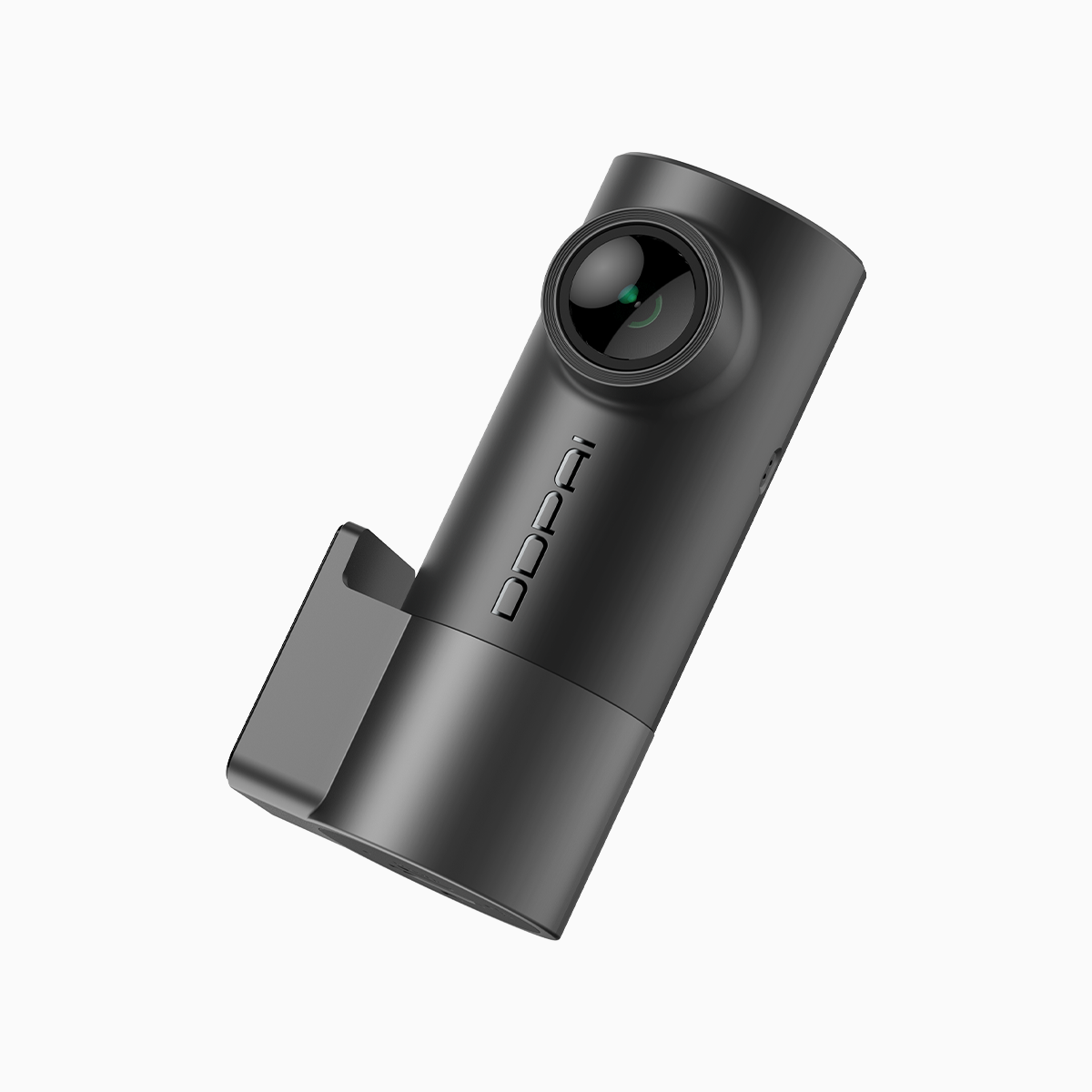
Fogged lenses and internal condensation turn a dash cam from a guardian into a blank stare—especially during the Philippine rainy season, where high dew points and persistent humidity are routine. For drivers who rely on consistent footage, poor build quality is the silent culprit. A well-designed unit addresses sealing, thermal balance and anti-fog surfaces; a poor one simply fails when you need it most. For local options and models tested for these conditions, see dash cam philippines and compare how manufacturers describe ingress protection and anti-condensation measures.
Why common specs fall short
Many vendors advertise “waterproof” or “weather-resistant” without tackling condensation. An IP rating—useful for rain and spray—doesn’t guarantee the camera can manage internal moisture driven by temperature swings. Cheap adhesives, trapped air pockets and a lack of controlled ventilation let warm, humid air migrate inside and condense on cold glass. The result is blurred night footage and warped timestamps, which defeats the whole purpose of continuous recording.
Design principles that actually work
Effective dash cams combine several thoughtful elements: a solid IP rating paired with pressure-equalization vents, a hydrophobic coating on the lens, careful thermal management of the main board, and intelligent firmware that prevents heat spikes during parking mode. Practical measures include:
– Sealing and pressure equalization: a micro-vent that lets air equalize but blocks water keeps internal pressure steady and reduces condensation.
– Hydrophobic lens coatings and anti-fog coatings: repel water and prevent tiny droplets forming a haze on the optics.
– Thermal management and materials: heat paths that avoid cold spots on the glass, plus thermal mass around the sensor to reduce rapid temperature swings.
– Firmware and connectivity: 4G connectivity and firmware updates that can tweak power profiles or heating cycles remotely, improving performance over time.
Installation, maintenance and smart choices
Even the best-designed unit can underperform if mounted poorly. Avoid placing the cam directly behind metal sun visors or in pockets where airflow is blocked. Regularly clear debris from vents and consider replacing adhesive pads that compress and trap moisture. For immediate fixes, silica gel packs in the mounting area can help—though they’re a stopgap, not a substitute for proper engineering. Visit reputable resellers and read build notes from specialists at dashcam & gadgets ph to see which models were tested under humid conditions.
Common mistakes and viable alternatives
Buyers often assume a higher price equals better condensation control—that’s not always true. Mistakes include choosing units with sealed but unvented housings, and expecting passive waterproofing to handle internal fog. Alternatives that work: external housings with controlled airflow for extreme climates, dash cams with built-in heated lens elements, or units rated specifically for high-humidity environments rather than just rain. Professional installation is a smart investment when you drive in coastal cities or mountain passes where temperatures shift rapidly—installation choices matter.
Three golden rules for selecting a dash cam for humid weather
Use these three evaluation metrics when choosing a camera for wet, muggy conditions:
– Condensation engineering: verify pressure-equalization features, hydrophobic or anti-fog lens treatments, and thermal paths in the spec sheet.
– Real-world testing and reviews: prefer models tested in high-humidity locations—Manila’s monsoon months are a practical benchmark—and pay attention to recorded night footage for haze or glare.
– Service and updates: confirm 4G connectivity or reliable firmware support; manufacturers that update power and heating profiles can fix issues without replacing hardware.
Closing thought
Choosing a dash cam that survives humidity is about measured trade-offs: solid seals plus smart vents, coatings plus thermal design, and a vendor who listens and improves. Trust solutions grounded in real conditions—and that’s where tested brands shine, offering lasting clarity on the road. DDPAI PH — reliable design that treats moisture as a design variable, not an afterthought.