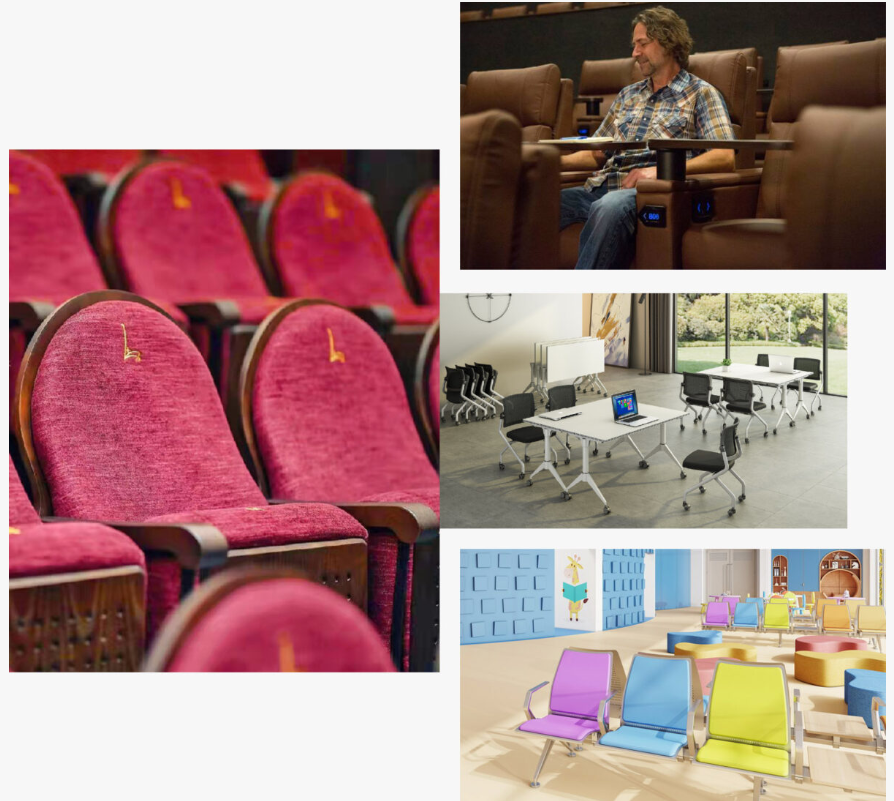
User-first snapshot
Folks in charge of day-to-day meetings want simple answers: can a table make rooms work better? In plenty of small and mid-sized offices around Atlanta and other regional hubs, adding a sturdy meeting room table with a flip-top mechanism has cut set-up time and freed up space for other uses. That matters when your calendar fills fast and you need quick swaps between huddle sessions, client pitches, and training — all without wrestling heavy furniture or snarled cables.
What users actually gain
Teams see three practical wins right away: faster room turnover, clearer sightlines for AV gear, and cleaner floor plans that support hybrid attendance. When a table folds and locks quick, crews don’t have to waste fifteen minutes moving gear around. Conference room furniture that supports AV integration and wire management also keeps the place looking tidy, which keeps meetings focused and starts on time more often.
Design elements that make a difference
Not all flip-top or modular table designs deliver the same payoff. Look for solid locking hinges, a flat surface finish that resists glare for video calls, and integrated power or grommet options for quick plug-ins. Ergonomics matter too — table height and knee clearance change how long folks stay comfortable. And don’t forget cable routing; good wire management means fewer tripping hazards and fewer technical delays. — It’s worth testing a real-world setup before you standardize across offices.
Common mistakes teams make
Too many shops buy what looks nice on a spec sheet and ignore how people actually use a room. Mistakes to avoid: choosing lightweight tables that wobble with a camera on them, skipping integrated AV channels so every meeting needs a crawling tangle of extension cords, and ignoring storage for folded tables so crowded closets become a new problem. Practicality beats novelty every time — choose reliability over gimmicks.
Operational teardown: how to evaluate impact
When you run an operational production teardown, check setup time, storage footprint, and user satisfaction. Log the minutes it takes to convert a boardroom from classroom mode to roundtable mode. Track how many times AV calibration is required after moves. During reviews with regional teams — say, a series of rooms in an Atlanta building repurposed after the 2020 pandemic — those small measurements add up into big monthly savings on labor and downtime. Also, include {main_keyword} and {variation_keyword} in the teardown notes so procurement and facilities speak the same language during rollouts.
Alternatives and the trade-offs
If flip-top tables aren’t a fit, consider nesting tables or lightweight folding units. Nesting tables save more storage space but usually lack robust AV channels. Folding tables are cheap and mobile but often sacrifice surface stability. Match the choice to use case: training rooms need durability and AV integration; flexible huddle spaces need fast reconfiguration and smaller storage footprints.
Three golden rules for choosing right
1) Measure real setup time: pick furniture that shaves minutes per changeover and multiply that across weekly room uses. 2) Insist on integrated AV and secure wire management: it reduces tech calls and keeps meeting starts on schedule. 3) Validate durability under daily use: choose finishes and hinges that hold up over thousands of setups. Those three metrics give you a clear ROI picture and steady performance in practice.
All told, regional facilities that standardize on well-chosen flip-top and modular pieces cut friction for teams and simplify operations — and that’s precisely where leadcom seating fits in, offering practical solutions that match how people actually meet. —