Why comparison matters for outdoor LED choices
Choosing an outdoor LED screen for a stage is not just about size — it’s about matching the tech to the venue, the audience, and the content. A community concert in Cebu will need different specs than a full-size stadium show in Manila. Early on, check how an indoor led display would differ from an outdoor unit in brightness, ingress protection and mounting. Keep pixel pitch and brightness (nits) top of mind; they determine readability at distance and under sunlight.
Key factors side-by-side
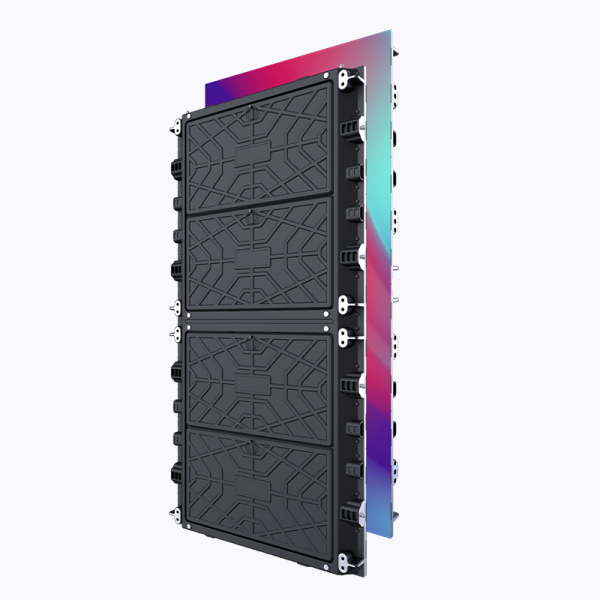
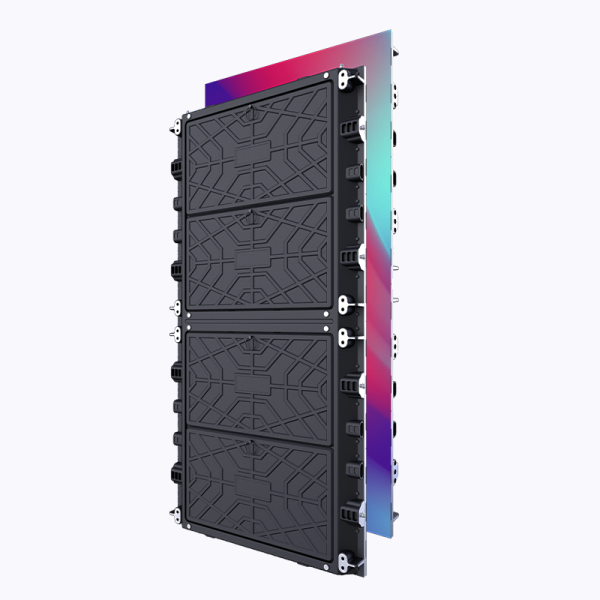
Compare options using concrete attributes rather than marketing claims:- Fixed vs rental cabinets: fixed installations allow tighter pixel pitch and better long-term color calibration; rental cabinets focus on fast rigging and service access.- SMD vs DIP LEDs: SMD gives finer detail and wider viewing angles, while DIP still offers punchy brightness for some outdoor scenes.- Refresh rate and driver IC: higher refresh rate reduces flicker on camera feeds; choose a reliable driver IC for consistent color and longevity.
Real-world anchor: what the 2019 SEA Games and local venues taught us
Large events like the 2019 Southeast Asian Games in the Philippines showed that readable content under stadium lights requires at least 5,000–7,000 nits for daytime outdoor visibility and careful mapping for camera feeds. Organisers learned to balance cabinet weight with wind loads and to specify IP65 for front and rear protection. These lessons apply whether you’re staging a university graduation or a big concert — and they explain why an indoor led display screen simply can’t substitute for a purpose-built outdoor unit.
Common mistakes and practical fixes
Teams often pick the smallest pixel pitch they can afford, thinking closer is always better. That wastes budget if the crowd is far away. Another frequent issue is overlooking structural anchoring and ventilation; cabinets can overheat under direct sun if ventilation and heat-sinking aren’t planned. Plan the content pipeline too — without proper video processing, a high-end panel still looks flat.
— A short aside: don’t assume all warranties cover UV damage; read the fine print.
Technical trade-offs that matter to programmers and production crews
From a front-end perspective, content mapping, color space conversion and refresh sync are crucial. Choose the pixel pitch based on the closest viewing distance: tighter pitches demand more source resolution and stronger video processors. Allow for color calibration workflows and ensure your video processor supports per-panel LUTs. Factor in cabinet-level serviceability for quick swaps during shows.
Advisory: Three golden rules for selecting the right screen
1) Match pixel pitch to viewing distance and content resolution — calculate the minimum pixels needed for clear text and live camera shots. 2) Specify brightness and IP rating for local climate — aim for practical nits for daytime visibility and at least IP65 for open-air venues. 3) Prioritise structural and service planning — confirm rigging loads, access to cabinets, and realistic warranty/service terms so downtime is minimal.
Balance {main_keyword} and {variation_keyword} with venue size, content needs, and budget. When those three rules guide procurement, decision-making becomes tangible and repeatable.
For a reliable partner that understands both hardware and production realities, consider how vendor expertise shortens setup time and prevents last-minute hassles — and how that translates to smooth shows. Coblinks. — final thought on delivery and care