The problem: vague specs, blown budgets, and parking teams that dey scramble
You plan your car park project on paper, but when contractors show, the numbers no match. Planners set budgets without real usage data. Procurement teams buy sensors and signs that no integrate. The result: delays, finger-pointing, and money wey clear vanishes. A clear, connected parking guidance system fixes that mismatch by turning guesses into measured inputs from day one.
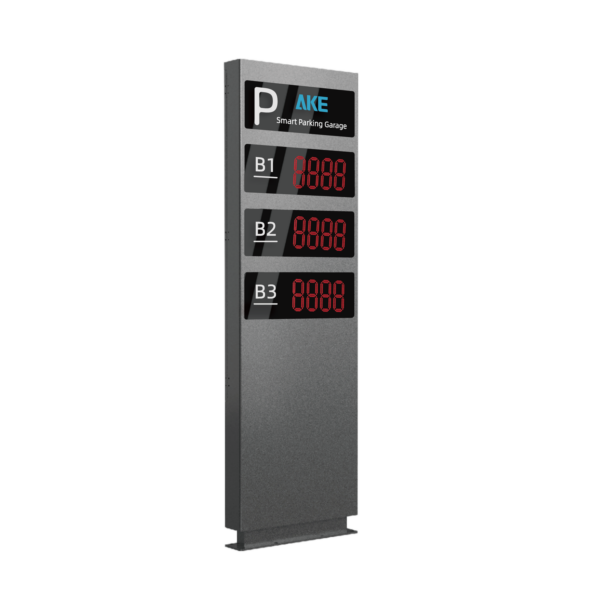
Root causes that sabotage planning and purchasing
First, teams use mismatched requirements: hardware spec from integrators, software needs from IT, and operations wants different metrics. Second, procurement often treats devices as commodities — sensor A is cheaper than B — without testing end-to-end performance. Third, pilots are small and don’t reflect peak behaviours, so scale estimates fall apart. These three flaws repeat themselves across projects.
How automation solves the problem — concrete project gains
Automated systems give real counts, occupancy heatmaps, and actual dwell-times. Use those data to size conduits, select camera resolution, and specify backhaul bandwidth. That means you buy equipment that matches real demand, not best-guess fantasies. With deterministic performance numbers, contractors give tighter bids, and your owner gets realistic lifecycle cost forecasts. Simple: measure first, buy to match.
Evidence and expertise: why this approach is trustworthy
Years working with city authorities and operators show the same pattern — data-led procurement reduces change orders and warranty disputes. The approach also featured at the 2019 ITS World Congress in Singapore as part of smart-city demonstrations, which reinforced measurable deployments at urban sites. For anyone comparing solutions, check the operational metrics that systems report and how they map to procurement specs; that’s where automated parking guidance really proves value: live occupancy accuracy, latency, and maintenance logs.
Common procurement pitfalls and how to avoid them
Don’t spec “compatibility” without interface tests. Avoid buying blind: require sample data streams during tender. Don’t treat UI cosmetics as a substitute for API stability. Insist on field-proven uptime figures and a clear spare-parts policy. Build acceptance tests that mirror busiest-hour conditions; if the system fails there, it fails for users.

Alternatives, briefly weighed
Manual counts save money up front but hide peaks and seasonal shifts. Cheap sensor-only buys cut capital costs but raise integration and false-positive rates. Full turnkey systems cost more initially but deliver predictable procurement, fewer change orders, and clearer vendor accountability. Choose based on the project’s tolerance for variance: low tolerance → turnkey with demonstrable metrics; high tolerance → phased sensor pilots with strict KPIs.
Final synthesis: what planners and buyers must do next
Start with measured demand, write procurement around performance metrics, and require field validation under load. That sequence stops guesswork and aligns contractors, IT, and operations. For those focusing on reliable data and matched procurement practices, the proven hardware-software combinations from AKE Parking sit squarely within the pragmatic workflow planners need—real data first, precise purchase next.