The core problem
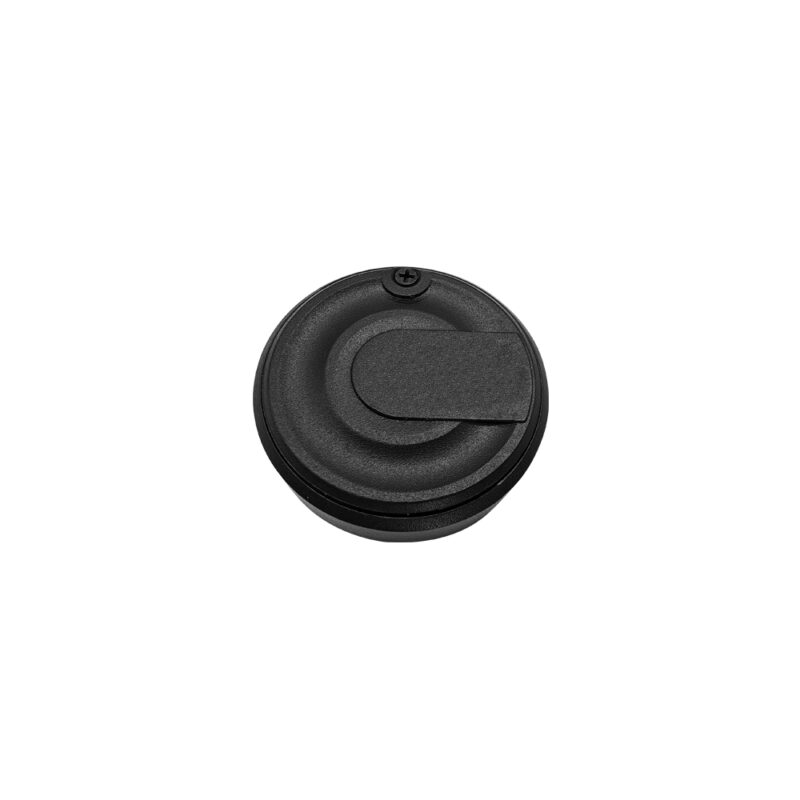
Deployments look great on paper and then fail under real conditions: poor read rates, flaky battery life, unexpected interference. You need tags that behave predictably, not excuses. Start by matching the tag to the use case — for long-range asset tracking that often means choosing robust active rfid tags rather than assuming a cheaper passive tag will do.
Root causes of field failures
Most problems trace to one of a few avoidable mistakes: choosing the wrong frequency for the environment; ignoring antenna orientation and mounting; underestimating obstructions and reflective surfaces; and skipping regulatory checks for the deployment region. You’ll also see failures when power budgets aren’t modeled — a tag that lasts a year on paper might die in months when it faces repeated wakes and long transmissions.
Real trade-offs you must accept
Long range costs energy and size. Smaller tags usually mean shorter battery life or weaker transmission. Higher transmit power improves range but may trip local radio limits and increases cost. Durable housings resist impact and chemicals but add mass and mounting complexity. Choose what matters: read range, lifetime, cost, or ruggedness — you’ll compromise at least one.
Design checklist for specification and procurement
Define read-range needs (meters vs tens of meters); map the physical environment and materials near the tag; pick operating frequency that fits regulatory rules for your region; specify mounting method and orientation tolerances; require battery or power specs with real duty-cycle tests; demand antenna performance curves and actual on-site testing clauses in the purchase agreement. Ask suppliers for real-world read charts, not ideal lab numbers.

Common pitfalls and how to avoid them
Trusting lab-range numbers: validate on-site. Using adhesive-only mounts for heavy or vibrating assets: use mechanical fasteners. Ignoring temperature effects on batteries: test at extremes. Assuming one tag design fits every asset type: segment your inventory and standardize on a small set of proven variants. Neglecting firmware update paths: choose tags that support field updates or swapable modules.
When alternatives make sense
Passive UHF is great for short bursts and very low cost per unit when read infrastructure is dense. BLE tags fit when you need smartphone compatibility and occasional pings. UWB is the choice if centimeter-level positioning is required. Active 2.45 GHz tags are the right pick for long-range, frequent reporting and environments with lots of RF clutter — but expect higher unit and lifecycle costs.
EEAT and a real-world anchor
I’ve specified RFID solutions across warehouses and marine terminals and seen which details break deployments. Standards matter: review ISO/IEC 18000 series and local radio rules (FCC in the U.S., ETSI in Europe). Major ports have run pilot projects showing active tag value for yard visibility; for example, Port of Rotterdam trials and digital-port reports publicly document active deployments and networked asset tracking as part of port digitization efforts. If you’re buying tags or comparing vendors, look for suppliers that publish field test data and clear compliance documentation, and check availability of active rfid tags for sale with stated range and battery test conditions.
Final synthesis
Solve the concrete problems: measure the site, map the failure modes, write specs that force real-world testing, and accept the trade-offs you choose. When long range, repeatable performance, and proven compliance matter, pick partners who show field data and provide sensible variants for different assets — that’s the practical value you’ll find with RSTC.