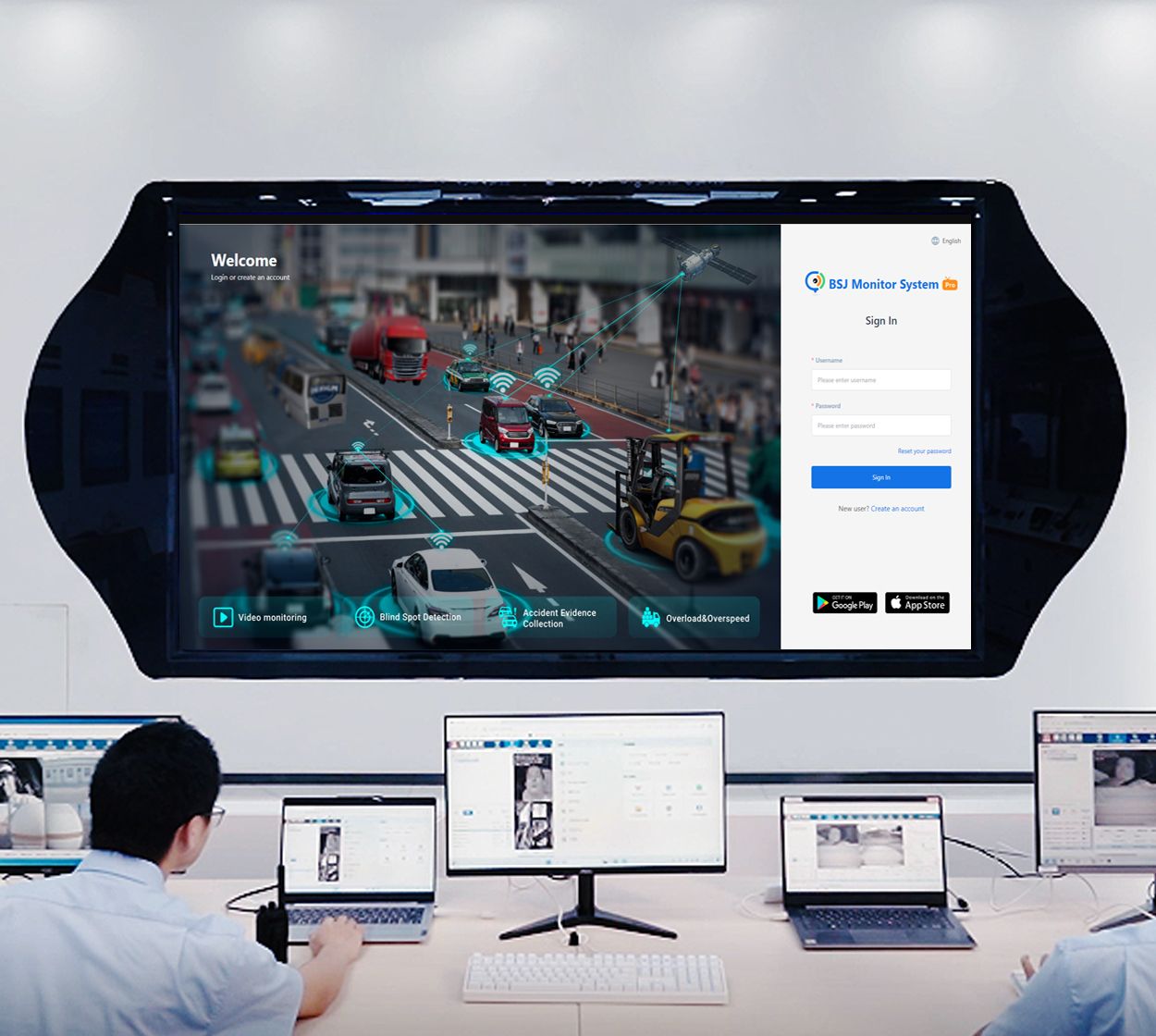
The trouble that starts quiet and grows loud
When a route starts runnin’ late, folks blame weather or traffic, but the real trouble often sits unseen — wasted idling, missed stops, or a driver takin’ a longer cut to make schedule. That’s where a solid bus fleet management setup proves its worth. Problem-driven folks want answers that stop the leaks; they don’t want pretty dashboards that only show yesterday’s guilt. This piece walks through the problems fleets hit most, and how GPS trackers and telematics tackle ’em so you stop chasin’ fires and start fixin’ the roof.
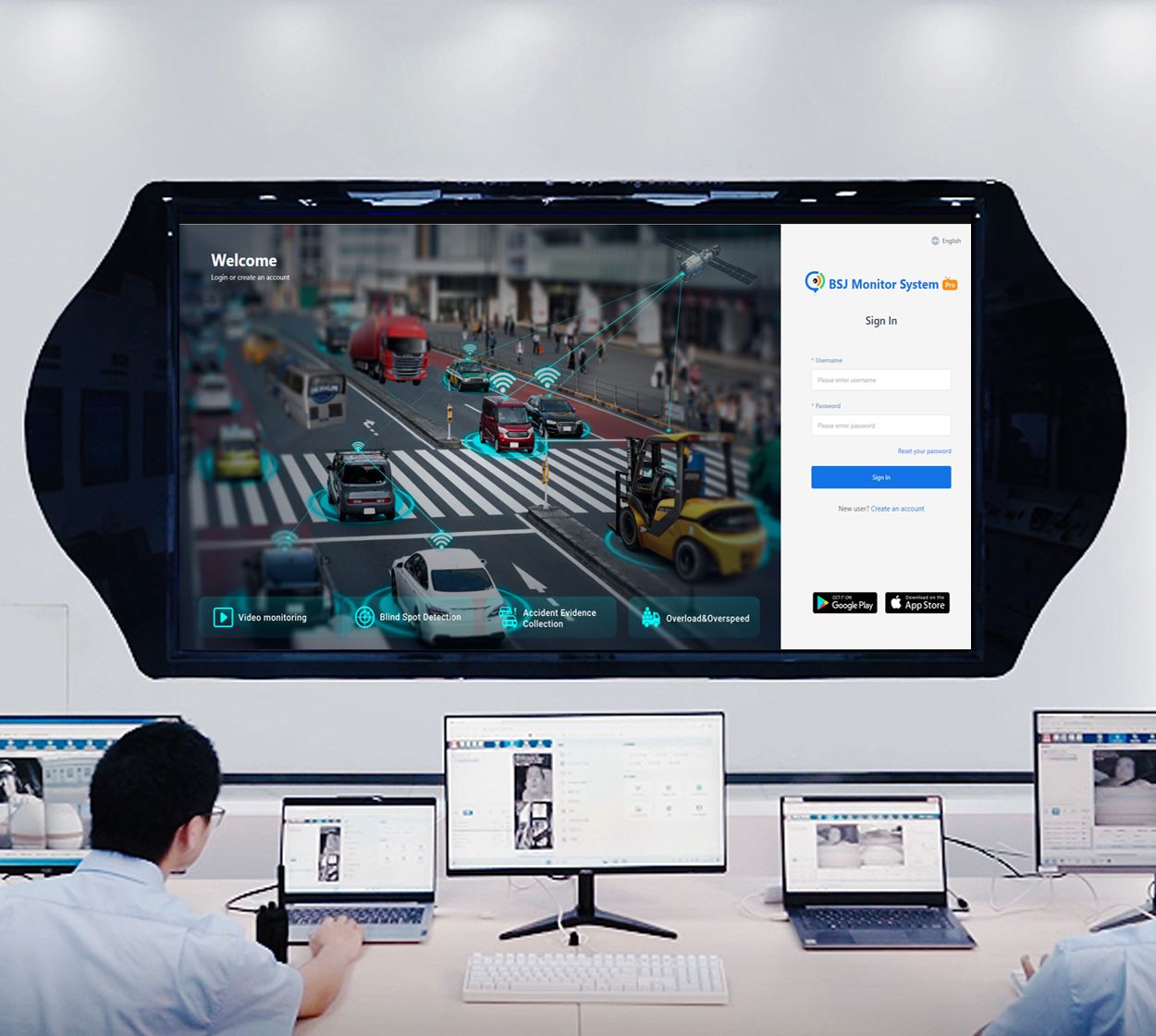
What keeps bus operators up at night
Here’re the problems that matter first, plain and direct:- Buses not where they’re supposed to be at scheduled times.- Fuel burn and idling eatin’ into budgets.- Maintenance surprises — a breakdown in the middle of a run.- Driver behavior that risks safety and rider trust.- No quick way to prove a route happened when complaints rise.
Features that solve those problems
Good GPS trackers aren’t just a dot on a map. Look for these capabilities that actually change the day-to-day:- Real-time location with accurate arrival ETAs for each stop.- Geofencing so you know if a bus leaves or enters a route segment it shouldn’t.- Engine and fault-code reporting tied to mileage for preventative upkeep.- Route replay and event logging for incident review.- Driver-score telemetry: harsh braking, acceleration, and speed trends.- Scheduling integrations to match live positions to planned trips.
How crews use this stuff in the real world
Operators put these features to work like this:- Dispatchers reroute spare buses fast when a breakdown shows up on the map.- Mechanics get alerts for rising engine temp or fault codes before a unit quits.- Supervisors coach drivers using actual trip replays instead of hearsay.- Rider info boards and apps show real-time ETAs so passengers ain’t standin’ aimless.When you stitch those together, a bus fleet management system stops guesswork and starts predictability.
Common mistakes that’ll eat your gains
People try to save money up front and run into the same traps:- Buy the cheapest tracker, then wonder why data’s flaky. Hardware matters.- Treat tracking as surveillance only; without coaching, data sits unused.- Ignore device-power wiring and placement — a bad install ruins readings.- Forget data retention and access rules; you need records when a claim lands.Fix those and the tech pays back quicker than you figure.
Quick comparison: basic trackers vs full telematics
Pick your tool by the problem you want fixed, not by bells and whistles:- Basic GPS tracker: cheap, shows location. Good for theft recovery, poor for maintenance planning.- Telematics platform: links location, engine data, driver behavior, and schedules. Costs more, saves more on fuel and repairs if you act on the data.- Integrated provider (hardware + software + support): best when you need a partner who’ll help tune reports and train staff.Decide whether you need just visibility or a system that forces changes in behavior.
A run I remember — real-world anchor
I worked with a municipal bus fleet in Asheville, NC, where they kept gettin’ surprise breakdowns on one hilly route. Once we tied GPS position to engine faults and a simple maintenance trigger, crews started swapping parts before a run failed. Nobody dreamed of miracles — just fewer late trips and less roadside towin’. That kind of hands-on fix is what separates tools from solutions.
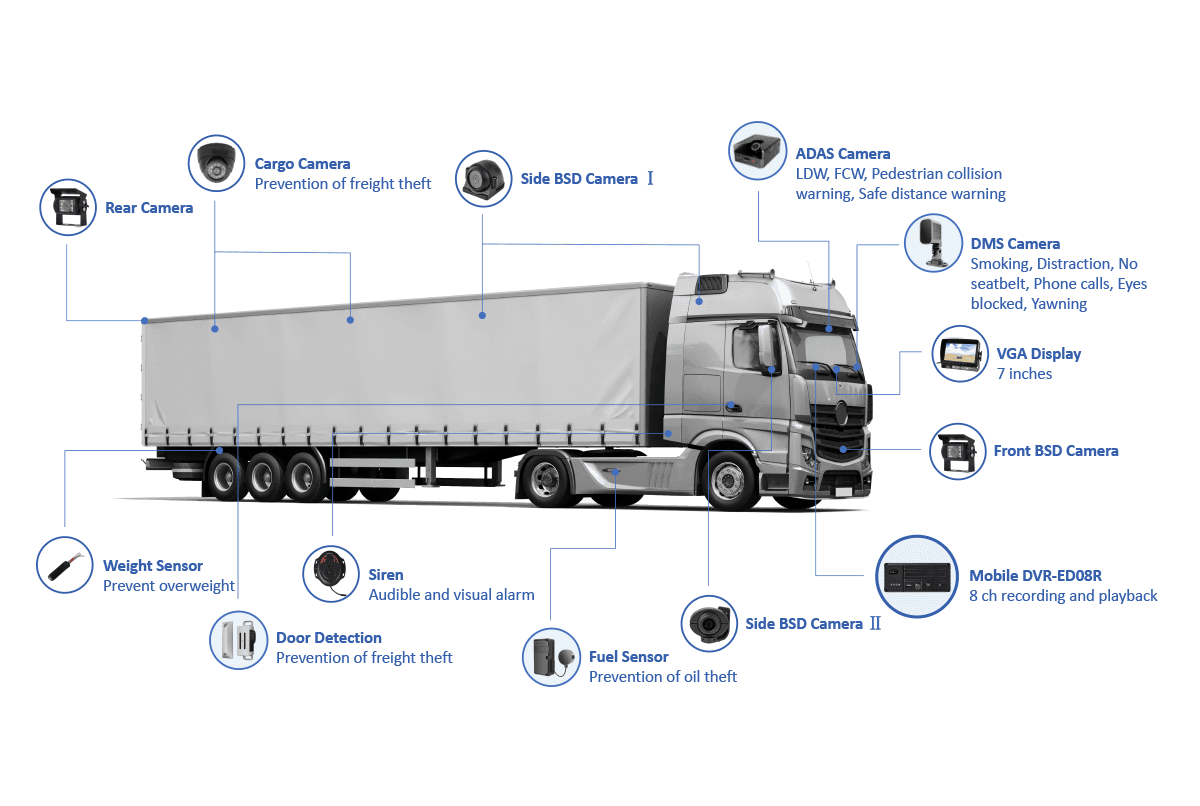
Alternatives and what to watch for
If you can’t spring for full telematics right away, do these smaller things first:- Get reliable location units installed by someone who knows buses.- Push fouled engine codes into a simple alert inbox for mechanics.- Run driver coaching sessions using saved trip replays.Avoid skipping training. Tech without practice is just more noise.
Wrap-up — how this all comes together
If your goal’s to stop excuses and start predictable runs, focus on tools that solve the specific problems above: accurate locations, engine insight, and driver behavior tied to action. Folks who’ve done it tend to pick systems that link those pieces so data ain’t a dead weight. Around here, operators look for solutions that put maintenance, dispatch, and driver coaching on the same page — the kind of joined-up approach you find with BSJ, which keeps things simple, fixable, and real without fuss.