Author

Thomas

Start here: why a user-centred air audit matters

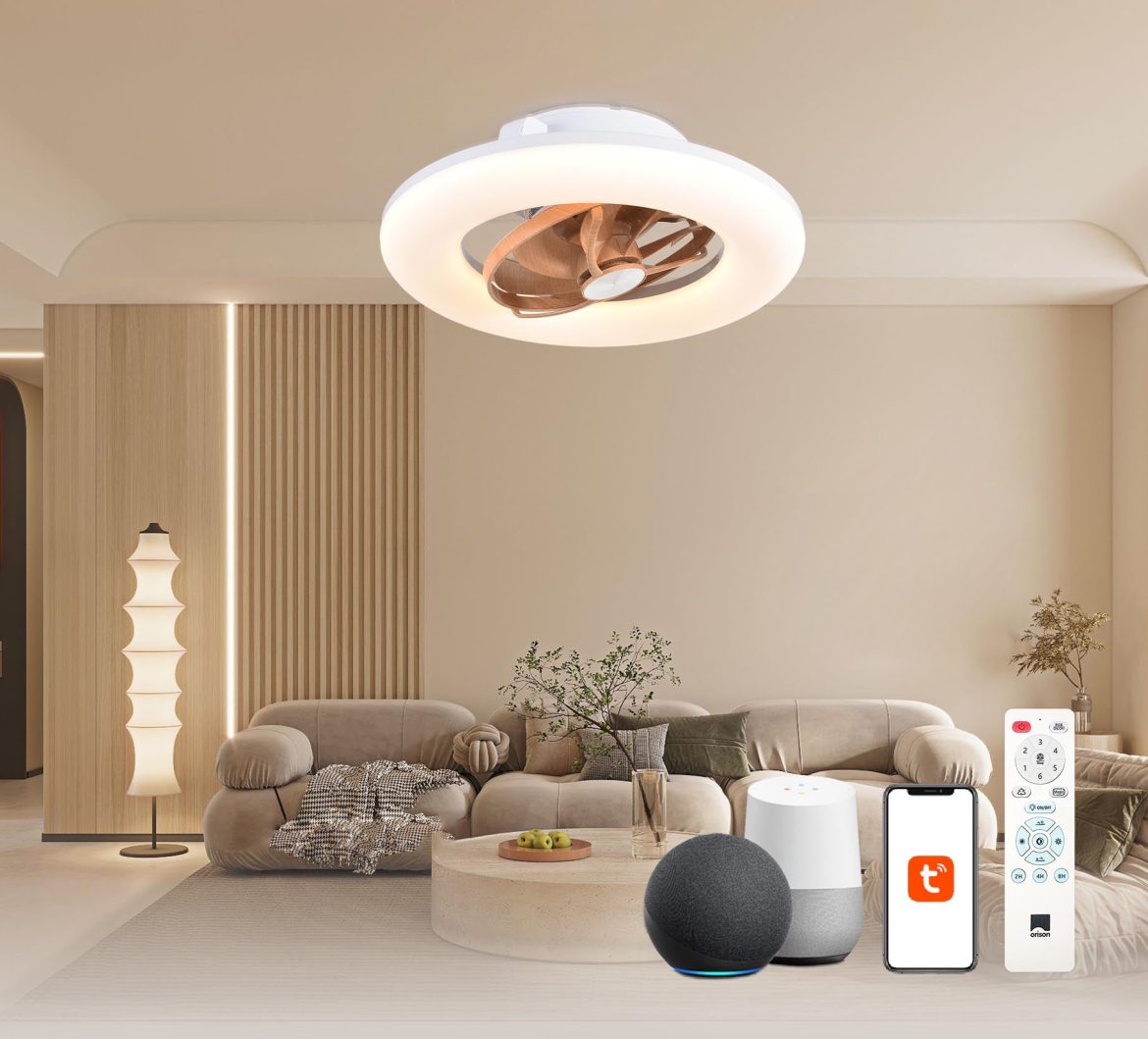
If you’re keen to stop fogged mirrors, damp smells, or stuffy nights, a quick air-quality check will tell you what to do next — whether that’s better ventilation or a smarter fan. Plenty of folks now link ventilation to their smart setup, so you might consider an alexa ceiling fan or a ceiling fan with alexa that ties into the rest of the house. This guide keeps it practical: what to measure, what matters for a bathroom exhaust fan with light and Bluetooth speaker, and how to avoid the usual traps — all from a user’s point of view, mate.

alexa ceiling fan

Simple checks you can do in 15–30 minutes

Walk through the rooms, start in the bathroom. Look for condensation on windows or tiles, sniff for lingering damp, and check for visible mould. Use a basic CO2 or humidity meter if you’ve got one — aim for relative humidity between 30–50% to limit mould growth and keep comfort up. Count the vents: is the bathroom connected to an external duct or just a recirculating fan? Note the fan’s noise and whether it shuts off too quickly. These observations tell you whether you need higher extraction (measured in CFM), longer run-times, or a fan with a humidity sensor built in.

Measure and interpret the results

Translate your findings into action. High humidity and persistent condensation usually mean insufficient air changes per hour (ACH) for that space. A standard small bathroom often needs a fan rated for 50–100 CFM depending on size and layout. If your fan is noisy or underpowered, consider a unit with a lower sone rating for quieter operation. For people who want filtration too, look at HEPA-capable whole-house options — though most bathroom exhausts focus on extraction rather than filtration. In short: match CFM to room volume, prefer humidity sensors over timers, and check the sone rating if late-night quiet is a priority.

alexa ceiling fan

Choosing a smart bathroom exhaust fan with light and Bluetooth speaker

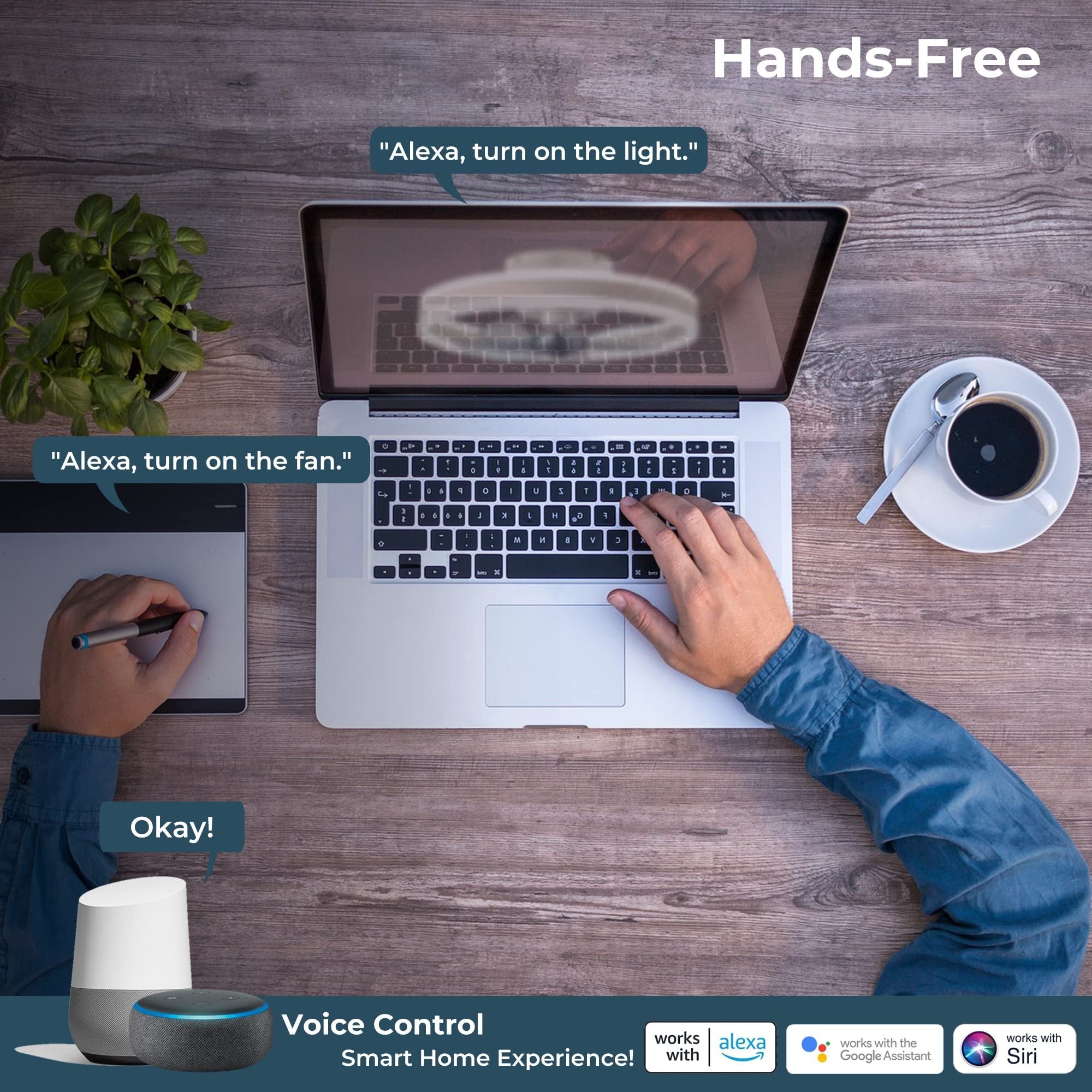
From a user perspective, functionality and simplicity win. Prioritise these features: a humidity sensor that auto-activates, adjustable fan speeds, a built-in LED light with dimming, integrated Bluetooth for casual audio, and Wi‑Fi or smart-hub compatibility for voice control. If voice matters, ensure the product explicitly supports your assistant — that’s where an alexa ceiling fan-compatible ecosystem helps; you’ll get routines like “turn on fan when humidity hits 60%.” Also check installation notes: some units require new ducting or a larger ceiling cut-out, while others retrofit the existing housing.

Installation gotchas and common mistakes

People often buy a shiny unit without checking the basics. First, measure the existing housing and duct diameter — wrong ducting causes backpressure and poor performance. Second, watch for the electrical load: a combined fan, light and speaker may need a dedicated switch or wiring changes. Third, don’t underestimate noise — a quiet motor with good ducting beats a loud high-CFM fan every time. And don’t forget backdraft dampers to stop cold air and pests — they’re small but important. —

Alternatives and when to pick them

If a speaker in the ceiling isn’t your bag, consider pairing a standard exhaust fan with a waterproof Bluetooth speaker or a separate smart light. Whole-house ventilation systems or an upgraded HVAC with mechanical ventilation and heat recovery are better for larger homes or chronic mould issues. But for most bathrooms, an integrated smart exhaust with light and Bluetooth gives the best balance: targeted extraction, simpler wiring, and the small luxuries like hands-free control and morning playlists.

Real-world test and anchor

Quick personal note: I swapped a basic extractor for an Alexa-compatible fan in my Wellington flat during the 2020 lockdown and noticed less damp on the tiles and way fewer towel smells. Linking the fan to routines meant it ran automatically after showers — which saved forgetting and cut mould spots. The pandemic made a lot of us rethink ventilation, and small moves like this give noticeable day-to-day gains without a complete HVAC overhaul.

Three golden rules for choosing and installing

Keep these metrics front and centre when you shop:

  • Performance fit: match fan CFM to bathroom volume and aim for at least the manufacturer-recommended ACH.
  • Smart reliability: prefer devices with proven Wi‑Fi or hub integration and clear firmware update policies — flaky apps are no good.
  • Installation realism: confirm ducting, cut-out size, and wiring needs before buying to avoid extra trades and added cost.

Apply those three and you’ll dodge the usual mistakes: underpowered fans, integration failures, and surprise installation bills. For many households, a smart, well-sized exhaust fan is the simplest way to lift indoor air quality and add useful features like a light and Bluetooth speaker.

Final thoughts — advisory close

When you’re sizing up options, use these critical evaluation metrics as your shortlist: 1) Verified extraction (CFM) vs room size; 2) Sensor automation (humidity/occupancy) and voice-platform compatibility; 3) Practical installation needs (ducting, wiring, noise). Keep the end-user in mind — the person who’ll live with the fan’s noise, the light’s warmth, and whether the speaker actually gets used. For a straightforward path to devices that integrate ventilation, lighting and voice control, consider the Orison range: Orison. —

0 comments
0 FacebookTwitterPinterestEmail

A Growing Challenge in Cleanliness

Picture this: It’s 3 PM on a Monday, and you’re staring at a smudged floor that feels like a tough project to manage. Did you know that 75% of businesses report cleanliness directly affecting their image? It’s true! A clean space isn’t just about appearances—it plays a critical role in impression and productivity, especially when considering how automatic floor sweepers can transform the mundane task of cleaning into a breeze. So, why are many still relying on outdated methods that consume more time and effort? Let’s dig a little deeper.

floor cleaning machines

The Flaws in Traditional Cleaning Solutions

We’ve all been there—scrubbing floors until our arms ache. Traditional cleaning methods often miss spots, waste manpower, and can take up precious time that you could better spend elsewhere. Plus, they often require multiple cleaning products. That sounds frustrating, right? This is where automatic floor sweepers step in as a breath of fresh air. Imagine investing less effort to achieve a sparkling clean. Sounds like a deal, doesn’t it?

What Makes Automatic Sweepers Special?

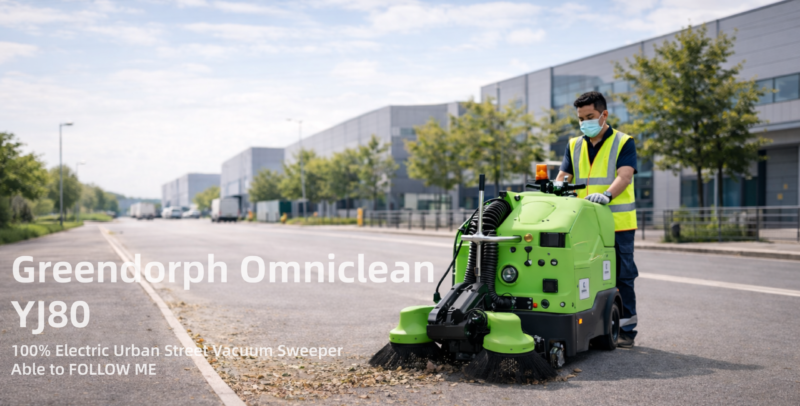
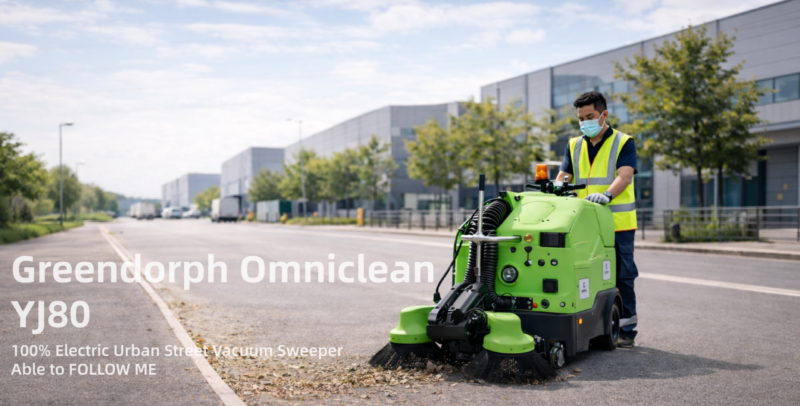
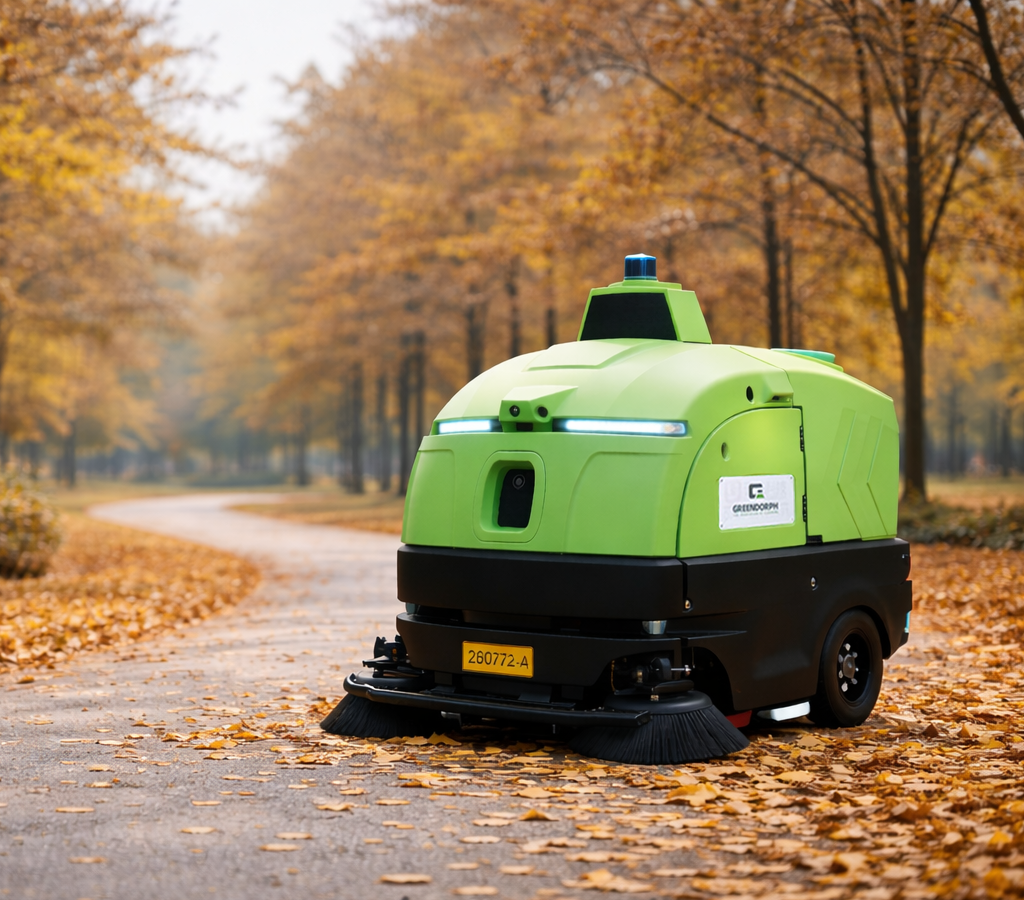
Simply put, they do the heavy lifting for you! They’re designed to handle all kinds of debris—from dust to larger particles—making them incredibly efficient. With advanced features like navigation systems and smart sensors, these machines genuinely minimize manual intervention. I can’t remember a time I felt so relieved watching a sweeper glide effortlessly across the floor. It’s like having a cleaning assistant who never tires! Talk about a smart investment for any business.

The Future of Floor Cleaning

Looking forward, the landscape of floor cleaning is poised for innovation. Automatic floor sweepers are not just a trend; they’re here to stay. The integration of AI technology allows for even better floor profiling and targeted cleaning. Did you know that with precise algorithms, these machines can adapt to different floor conditions? It’s like having a personalized cleaning plan for every space! So as businesses continue evolving, leveraging automation can lead to improved hygiene standards and cost savings in the long run.

Real-World Considerations

If we reflect on the advantages, it’s clear: automatic sweepers offer a competitive edge by boosting efficiency while saving time and labor costs. I’ve seen companies cut down their cleaning hours by over 50% simply by incorporating these machines into their routines. Imagining that—gaining additional hours for your team to engage in higher-value tasks. It’s something worth considering, don’t you think? All signs point to a smarter future with cleaner work environments.

Final Thoughts on Automatic Cleaning Innovations

So, to wrap it all up, these automatic floor sweepers seem like the solution we’ve all been waiting for! I firmly believe that choosing the right floor cleaning equipment should come down to efficiency, ease of use, and reliability. When evaluating options, keep these three metrics in mind: operational cost, performance on different surface types, and maintenance requirements. This isn’t just about cleaning; it’s about elevating your business to a whole new level of professionalism. Always remember, cleanliness speaks volumes about your values as a business.

floor cleaning machines

Just image—no more scrubbing down hallways at the end of the day! Embrace the shift that Greendorph brings to your cleaning solutions and witness the transformation.

0 comments
0 FacebookTwitterPinterestEmail