The immediate problem: heat that costs too much and breaks production
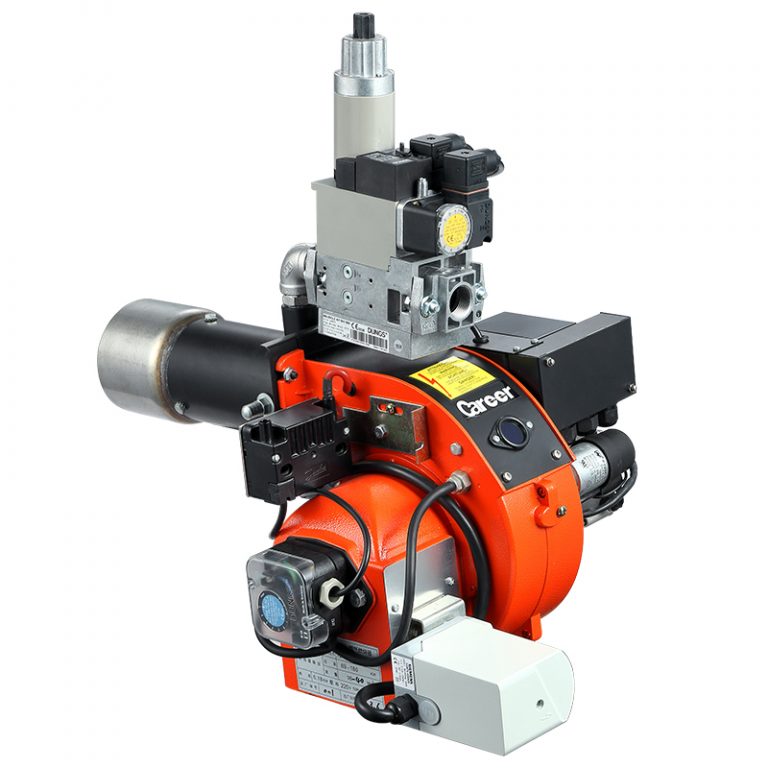
I get it — you need heat that’s precise, repeatable, and doesn’t force unplanned stops. Plants often deal with oversized burners that short-cycle, poorly matched controls that waste fuel, and maintenance routines that surprise operators at 3 a.m. A targeted upgrade — starting with the right gas fired burner — solves more than fuel bills; it stabilizes product quality and reduces emergency labor.
Why manufacturers matter: they bridge design and operations
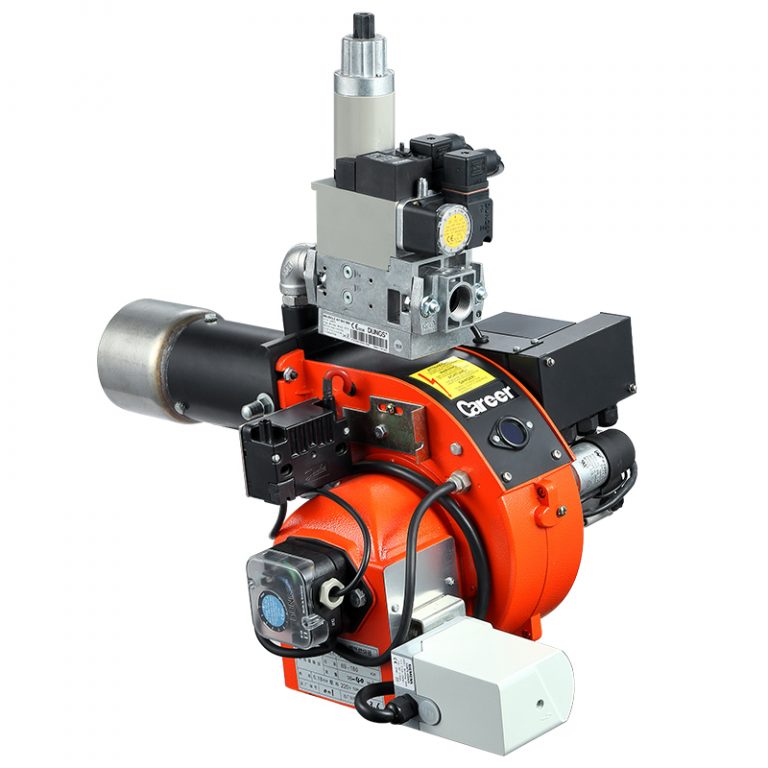
Manufacturers aren’t just parts vendors. Good ones engineer burner performance to the process, provide control logic that speaks to your DCS, and support commissioning so field realities match design intent. That alignment cuts waste, lowers downtime, and makes production predictable. You want a partner who understands both combustion physics and what operators actually touch daily.
Technical levers that reduce cost and variability
Manufacturers improve outcomes through specific design choices: accurate modulation and wide turndown ratios to avoid short-cycling; closed-loop air/fuel control with oxygen trim to hit setpoints and reduce emissions; reliable flame detection to avoid nuisance shutdowns; materials and coatings chosen for local fuel types and corrosive conditions; and serviceable components that speed field repairs. Each lever affects fuel consumption, emissions, and uptime in concrete, measurable ways.
Alternatives to consider — and when they work
Electric heating gives clean control where grid energy costs are low or carbon constraints are strict, but it often costs more to run for high-temperature processes. Steam systems suit facilities that already have robust boilers and distribution. Waste-heat recovery can cut operating cost but needs predictable load and capital. Choose based on energy prices, peak demand patterns, and product tolerances rather than marketing claims.

Common mistakes that negate manufacturer value
Teams often mis-spec burners by assuming “bigger is safer,” skipping combustion tuning during startup, or neglecting integration with plant controls. Another frequent error: buying a low-cost assembly without considering local serviceability or spare parts lead time. These mistakes create the exact problems you’re trying to solve: wasted fuel, erratic product quality, and surprise outages.
Where this matters — a real-world anchor
Think of refineries and chemical plants across the Houston petrochemical corridor: they run continuous processes where a small change in combustion control impacts throughput and emissions across millions of operating hours. In those environments, selecting custom gas burners tuned to the process and local fuel conditions is the difference between incremental savings and measurable, sustained performance gains.
How to choose and validate a manufacturer without wasting time
Start with a short checklist: verify modulation range against your load profile, request combustion tuning and startup support in writing, check spare-parts availability for your region, and ask for references in similar processes. During commissioning, measure fuel per unit output and stack oxygen to confirm promised gains. If those numbers don’t materialize, that’s a red flag.
Practical close: what a good partnership delivers
Fixing heat problems is about matching design detail to daily operations—accurate controls, sensible materials, and on-site support. That practical match reduces fuel cost, steadies quality, and lowers emergency repairs. When you need a partner that pairs system know-how with field support, you’ll find that pragmatic focus at Career Burners.