The strain we didn’t plan for
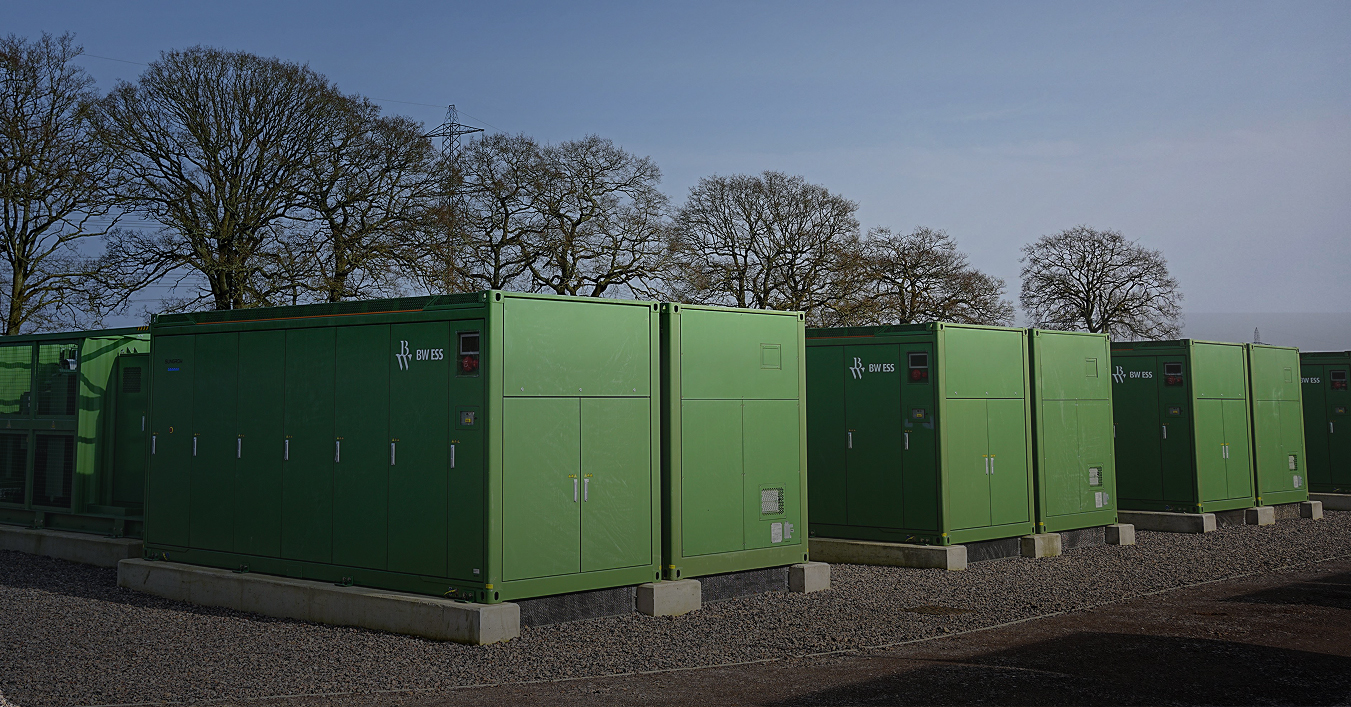
I remember standing on a gravel road outside Calgary during a January 2024 cold snap, watching technicians swap out a failed inverter while the grid demanded emergency support (it was messy, but revealing). I’d been part of projects using utility scale energy storage systems for years, and that day crystallised a problem: existing fixes—peaky diesel backup and ad hoc demand response—fail silently when you need extended, predictable support. Utility scale battery storage delivered the short-term capacity that kept frequency regulation stable, but the deeper issue was durability: a 150 MW/300 MWh lithium-ion installation I visited in March 2023 showed measurable degradation after heavy cycling—how many operators build for that reality? (I’ll come back to specific numbers.)
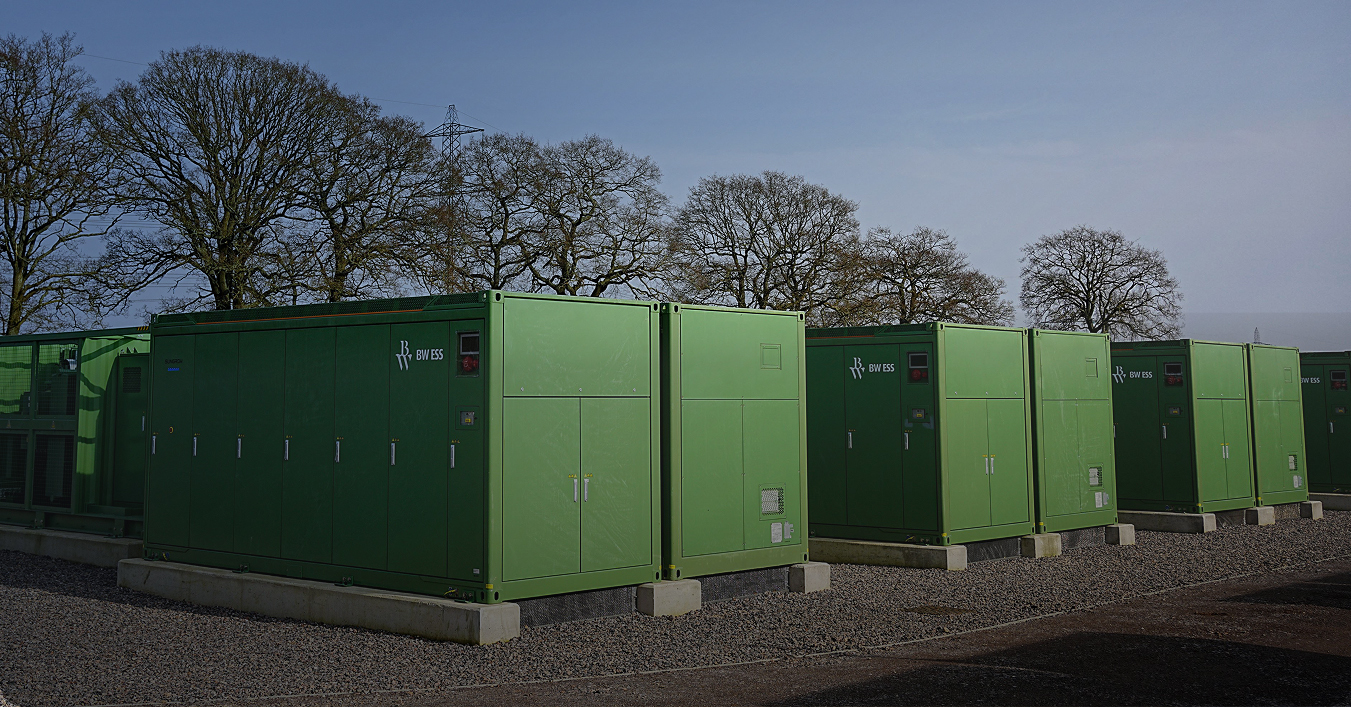
Here’s a compact scene + data + question: during that cold spell, one plant supplied 200 MW for four hours, cutting regional blackouts by 90%—can traditional grid contracts absorb that kind of sudden reliability need long-term? I say no, because most procurement still values upfront price over lifecycle metrics like round-trip efficiency and useful cycle life. I’ve watched procurement teams celebrate a low CAPEX bid, only to wrestle with accelerated capacity fade and repeated inverter replacements. The hidden pain point for wholesale buyers is simple: a cheaper battery pack often shifts costs into maintenance windows and curtailed revenues later. That shortfall is the problem we need to examine before we choose the next contract or technology—so let’s look ahead.
Designing storage for real-world use
When I recommend systems now, I focus on measurable endurance rather than marketing claims. We analyse state of charge (SOC) management strategies, thermal control plans, and supplier test data before a single contract is signed. I’ve run cell-level degradation tests in a lab in Vancouver (June 2022) and overseen field logging that proved a 5% difference in round-trip efficiency can cost a buyer thousands per MW-year in lost arbitrage and ancillary payments. So the question becomes: how do we select and price systems so those costs are visible up front?
What’s Next?
Technically, the path forward means tighter integration of asset management and procurement. I want buyers to demand three things in bids: validated cycle-life curves under realistic duty cycles, clear inverter failure-mode analysis, and warranty terms that tie to measured performance (not just nameplate claims). We now have telemetry that proves a system’s delivered capacity month-to-month—use it. I remember a utility in Nova Scotia that adjusted dispatch rules after 18 months of logged performance; that change raised real revenue by 12% the next year—small tweak, big impact. I checked the field logs — and yes, the numbers held.
Comparatively, systems priced only on CAPEX tend to underperform on net present value because they ignore downtime, replacement events, and secondary market resale value. I encourage buyers to run three simple evaluation metrics before awarding contracts: effective round-trip efficiency under expected cycling, projected remaining capacity after 5,000 cycles, and mean time between inverter failures. Those metrics expose long-term costs and make trade-offs concrete. If you want templates or a short checklist, I can share one from a March 2023 tender we ran—it’s practical and used in Alberta and Ontario sites.
To close: choose durability over sticker price, demand performance data, and align warranties with operational realities. The market is shifting; smarter bids and clearer evaluation metrics will separate reliable assets from flashing sales pitches. For vendors I trust and reference in my work, see sungrow—they show a level of documented performance that helps me make better recommendations.