Wake-up call: what’s actually at risk?
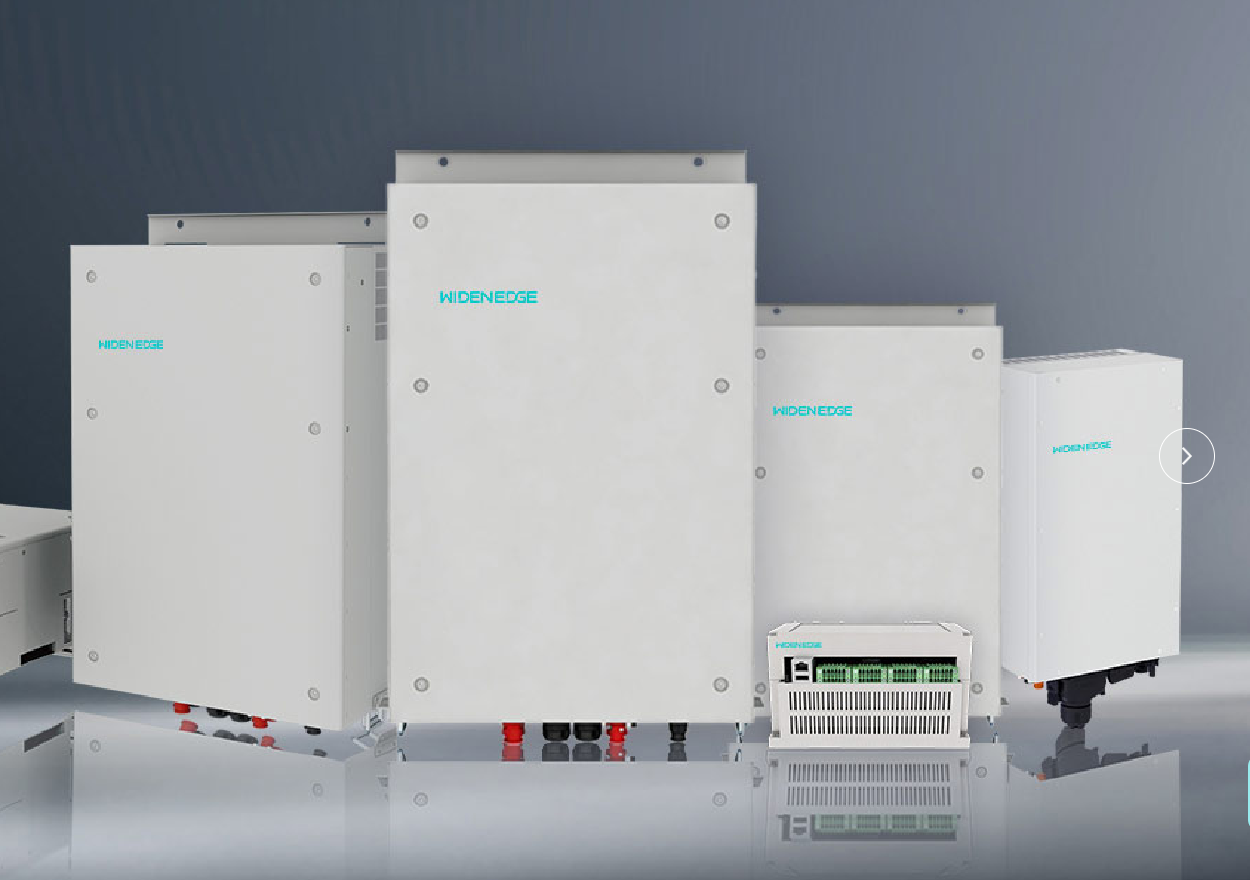
Too many projects start soft and end up stranded. You want a system that stands up under pressure — not excuses. Ask whether their proposal centers on reliable hardware like a 150kW battery inverter sized to handle realistic peak slices, and watch how they react. I’ve seen designs that failed basic resilience checks after Hurricane Maria in Puerto Rico; that’s the kind of real-world lesson that should make you strict about specs and testing.
Ten direct questions that expose weak vendors
Don’t accept fluff. Use these sharp, specific questions to separate talkers from doers:- How will you size and justify the diesel storage hybrid system architecture for our load profile and fuel constraints? – What’s the expected round-trip efficiency and thermal derate for the batteries at our site temperatures? – How do you manage islanding and seamless transfer under fault conditions? Provide test records. – Who owns commissioning tests, and can you share a commissioning checklist with pass/fail criteria? – What maintenance tasks are critical in year one and which ones the owner must schedule? Include intervals and skill level required. – Show fault-history examples: how did you diagnose and fix at least two past failures? – What are the firmware update and cybersecurity procedures for inverters and controllers? – Provide lifecycle cost projections: capital, fuel, replacement, and disposal, with assumptions. – What local permitting or interconnection hurdles have you cleared for similar projects? Name the jurisdiction. – What training and on-site handover do you deliver — and what documentation stays with the owner?
Why each question matters — and what a good answer sounds like
Bad answers dodge specifics. Good answers give numbers, documents, and timelines:- Sizing: they should quote worst-case peak, contingency margins, and a sequence-of-operations diagram. – Efficiency & temperature: expect a degradation table and thermal management plan. – Islanding: insist on test logs showing <30 ms transfer without load interruption or a clear plan if not possible. – Commissioning: a supplier should hand you signed test reports, not an invoice alone. – Maintenance: require a tiered checklist — daily, monthly, annually — with recommended spare parts. – Failure history: credible teams narrate past incidents and the corrective steps; that’s proof they learned. – Cybersecurity: firmware policy + secure remote access and role-based accounts. No vague “we secure it.” – Lifecycle costs: numbers with assumptions. If they can’t model fuel savings and replacement timing, they’re guessing. – Permitting: name-check a local authority where they completed interconnection. – Training: expect on-site, hands-on sessions and digital manuals you can search.
Common traps that kill projects
Spot these and stop the bleed:- Under-rated components that survive lab tests but fail in hot, dusty field conditions. – One-off custom control code without source custody or rollback plans. – No spare-parts kit or long lead-time items locked to a single supplier. – Commissioning left as a checkbox — no real performance verification. – Overly optimistic lifetime assumptions for batteries and diesel gensets. Fix these now. Push vendors to commit in writing.
What competent teams deliver — proof, not promises
Look for these deliverables:- Detailed sequence-of-operation diagrams and protection settings. – Signed commissioning reports with witnessed tests. – A spare-parts list, procurement lead times, and a training package with competency checks. – Clear warranty coverage: components, BMS, and workmanship — with response SLAs. I’ve led commissioning teams and watched how documentation separates reliable builds from risky ones. Experience shows the difference.
Negotiation moves that actually change outcomes
Be relentless. Tie payment milestones to verified performance. Require a two-week performance window where fuel use, ramp rates, and islanding behavior must meet the contract. Ask for penalties or holdbacks for missed targets. Demand access to telemetry during the warranty period. Vendors that balk here aren’t confident in their work.
Final push — make decisions like you mean business
Stop being polite. Ask the hard questions. Require test evidence. Hold vendors accountable for spares, training, and clear operations. The right supplier will give firm numbers, signed reports, and a plan that fits your risk tolerance. If you want a partner who designs, tests, and stands by the outcome, consider teams with field-proven processes and a pragmatic approach from design to handover, like those you’ll find at WidenEdge.