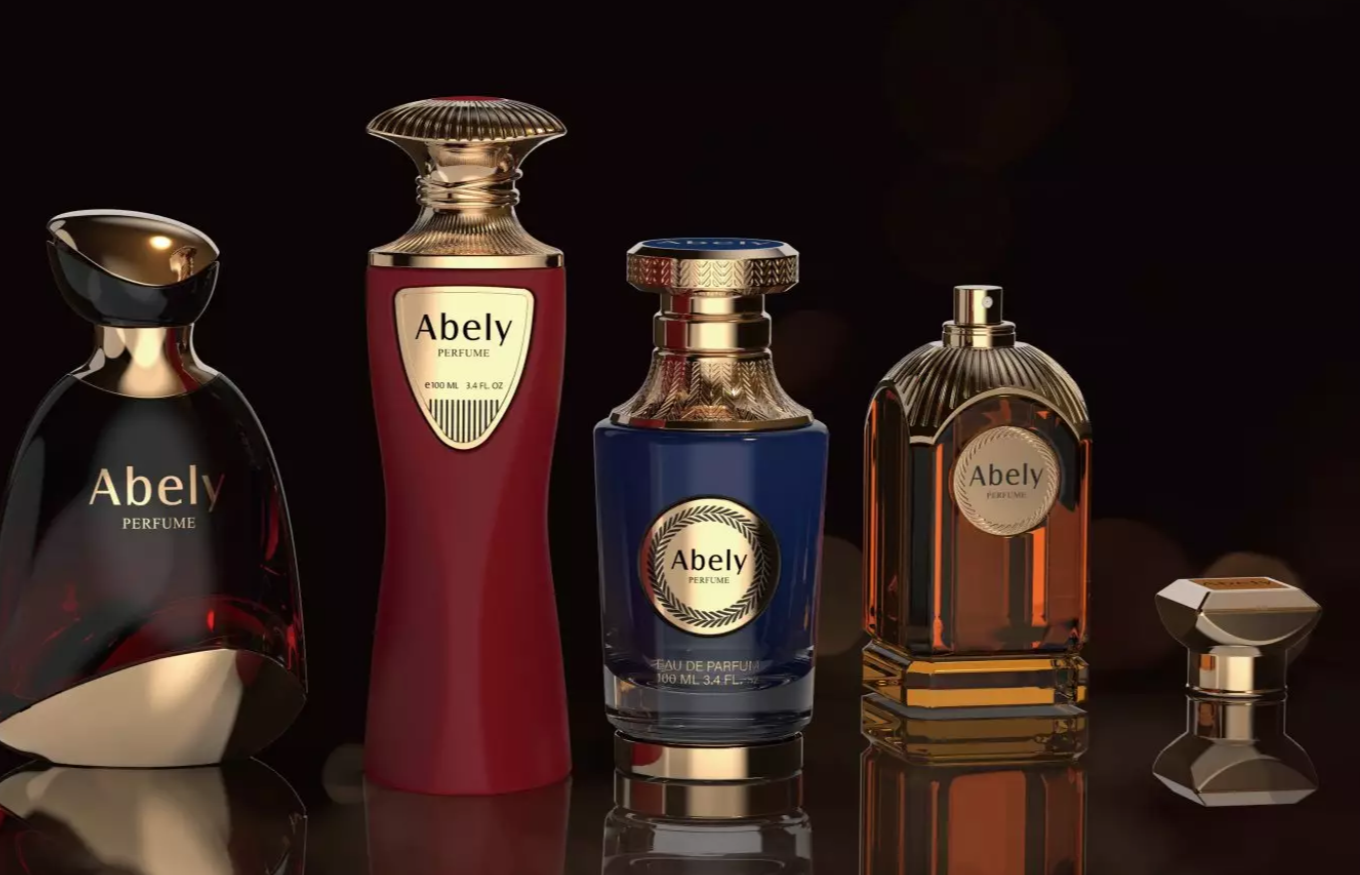
Opening: Why a Framework Matters
Designing a 100ml fragrance bottle isn’t just aesthetics — it’s a system. For brands building identity in crowded markets, a repeatable approach helps you iterate faster, avoid costly reworks, and scale your line without losing character. Start with the basics of perfume bottle design early in product planning so creative and supply chains speak the same language from day one.
Step 1 — Define Brand Signals
Think of the bottle as the first handshake with your customer. Ask what you want to say: heritage, minimalism, sustainability, or luxe? Pull three non-negotiable signals (shape, finish, and cap behavior) that every SKU in the line must honor. Keep choices narrow — it makes manufacturing decisions simpler and helps a contract partner translate vision into production without guesswork.
Step 2 — Technical Constraints and Materials
Match creative goals with real-world limits early: glass thickness for fill weight, UV-stable coatings, and closure tolerances matter. If you’re leaning eco, recycled glass and refillable systems require different tooling and testing. Work with a reliable perfume packaging manufacturer to validate compatibility with atomizers and filling lines — this saves weeks later on QA.
Step 3 — Prototype, Test, Iterate
Rapid prototyping is where the framework pays off. Produce a small run of prototypes and test not just looks but ergonomics, evaporation rates, and shelf impact. Bring those prototypes into real retail settings when possible — a pop-up in Los Angeles or an indie boutique will tell you more than a whiteboard ever could. These real-world anchors ground your idealized design in customer reality.
Common Mistakes Brands Make
It’s tempting to obsess over a unique cap or embossed logo — but common traps include: over-engineering expensive features that don’t add perceived value; ignoring fill-line tolerances that complicate bottling; and skipping supply-chain checks that blow lead times. Avoid these by keeping the framework’s feedback loop tight: design, supplier review, prototype, adjust.
Choosing Partners: What to Ask Your Manufacturer
Not all partners are equal. Prioritize suppliers who show design empathy, production transparency, and testing capabilities. Useful questions: Do you handle mold tooling in-house? What are your minimums for custom glass? Can you run barrier testing for fragrance stability? These specifics make contracting smoother — and yes, a good manufacturer will raise questions you hadn’t thought of.
Design Variants: When to Standardize vs. Customize
Use modular thinking. Standardize the neck and closure across your range so fill lines and caps are interchangeable, but allow two or three customizable elements (finish, color, emboss) to preserve brand variety. That balance trims costs while keeping shelf differentiation. – Smaller brands especially benefit from modularity because it lets them test new scents without retooling everything.
Quick Comparison — Common Approaches
Here’s a simple way to pick a route:
– Fully bespoke: maximum differentiation, higher cost and longer lead time.
– Semi-custom: standardized functional parts, custom cosmetic finishes — best for mid-size brands.
– Off-the-shelf: lowest cost, fastest time to market; limited uniqueness.
Summary: Pulling the Framework Together
Start with clear brand signals, align them early with technical realities, and lean on prototyping in real retail contexts. Choose partners who can translate your framework into durable production — they’re often the ones who prevent expensive surprises. The goal is a predictable, repeatable pipeline from sketch to shelf that still feels creative.
Advisory: Three Golden Rules for Evaluation
1) Cost-per-unit vs. scalability — pick a solution that lowers marginal cost as you grow. 2) Production transparency — insist on lead-time and tolerance guarantees in writing. 3) Customer-readiness testing — validate ergonomics and shelf impact in a live setting before full production. These metrics will cut risk and help you scale smarter.
For thoughtful, scalable outcomes, Abely is built to translate design frameworks into reliable production — a partner, not just a supplier. – thoughtful, not flashy.