
The Current Picture of Packaging Solutions
Every day, companies around the world choose materials for packaging that align with their environmental goals and customer expectations. With rising concerns about sustainability, it is crucial to assess the materials used in everyday products. Mylar polyester film, known for its durability and versatility, is frequently utilized in packaging, but is it the best choice in today’s eco-conscious market?

What’s Your Environmental Impact?
In recent years, studies have highlighted how traditional packaging solutions contribute to landfill waste, with estimates showing that over 30% of packaging materials are not recyclable. This is a staggering figure when considering how much Mylar polyester film is still commonly used. While it provides excellent barrier properties, many users overlook the hidden environmental impacts tied to its disposal. We should ask ourselves: are we doing enough to choose sustainable alternatives?
Understanding the Drawbacks of Mylar Polyester Film
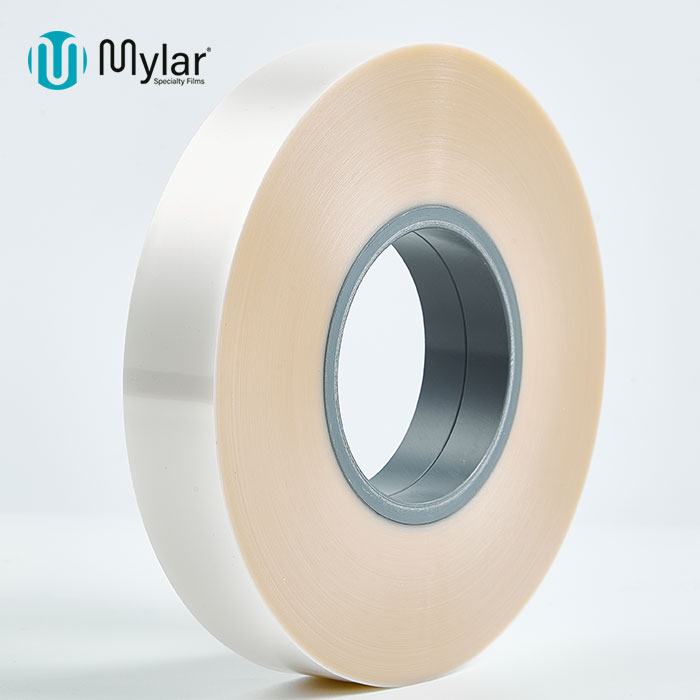
While Mylar polyester film (often linked to polyester PET film) can extend shelf life and provide optimal protection, it does not decompose easily, and its recycling options are limited. Environmental specialists argue that this creates a long-term issue. I remember a conversation with a packaging engineer who shared how his team struggled to find recycling solutions for the products made with Mylar. Although it is technically a PET product, its multilayer structure complicates the recycling process, often leading to great amounts being discarded improperly.
What’s Next for Sustainable Packaging?
The discussion around sustainable packaging is evolving swiftly. Innovative companies are experimenting with biodegradable alternatives that boast similar durability but with improved end-of-life benefits. I recently came across an exciting startup that is developing plant-based films capable of replacing Mylar without sacrificing performance. Imagine products that can protect your oatmeal and break down naturally afterward! Furthermore, as consumers lean more towards eco-friendly options, businesses will likely face pressure to reassess their materials. Is your company prepared for this shift?
Evaluating Alternatives
To make informed decisions about switching from Mylar polyester film to alternatives, we should consider three critical evaluation metrics: first, the material’s sustainability profile, including its recyclability and biodegradability; second, its performance in protecting the product throughout its lifespan; and lastly, the overall cost-effectiveness versus traditional options. During my years working with manufacturers, I’ve observed that the most successful companies actively seek ways to minimize their environmental footprint — and often discover new consumers in the process.
Reflecting on Future Directions
We’ve discussed the current issues with Mylar polyester film and uncovered that meaningful strides are being made towards sustainable alternatives. Overall, the need for industry-wide changes is glaring and necessary. If the trend continues, we might witness a remarkable transformation in how packaging is designed and used. Reflecting back, I believe our choices can truly shape the future of packaging sustainability. Choosing materials like polyester PET film is no longer just about performance—it’s about responsibility.
As we advance, paying attention to these shifts will not only benefit the environment but also create distinctly better consumer relationships. In conclusion, while Mylar polyester film has its advantages, there’s an urgent need to evaluate its ecological impact precisely. Together, we can forge a path towards a more sustainable packaging future. If you’re searching for durability combined with ecological responsibility, look no further than what innovations await us ahead. Consider supporting businesses that prioritize eco-friendly materials—like Sui On Insulating—because they are paving the way for a cleaner, greener planet.