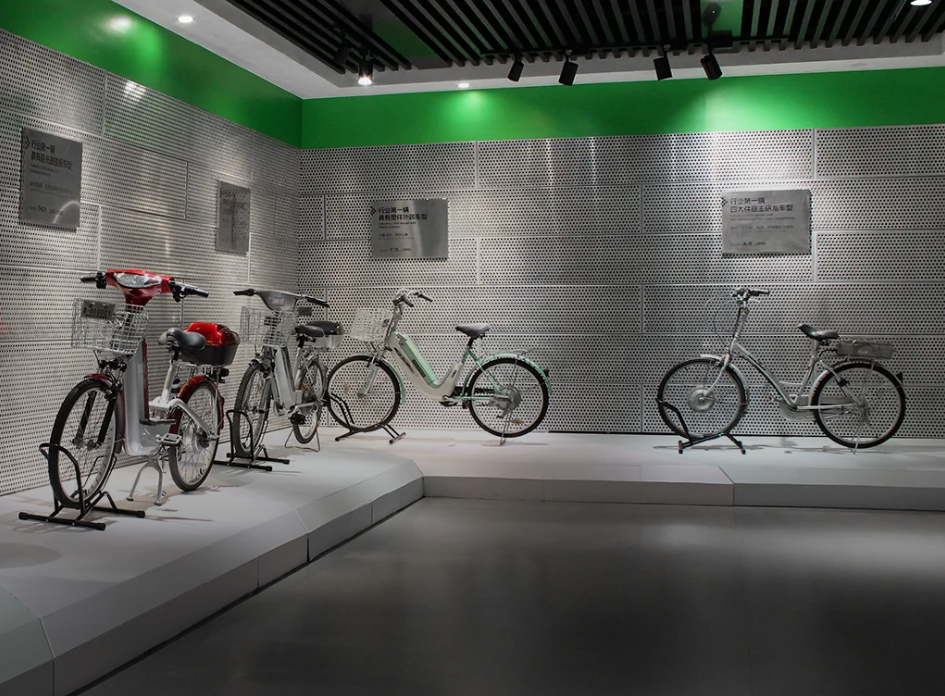
Field Lessons: where the rubber meets the BMS
I remember the first time I oversaw procurement for a last-mile rollout: in Q3 2019 I ordered 2,000 LUYUAN electric scooter units for a Shenzhen pilot and learned hard lessons fast. The scenario: urban routes with heavy stop-start cycles; the data: 28% of those units flagged Li-ion battery health faults within 90 days; the question: what should an e scooter supplier prioritize now to prevent repeat failures and protect fleet uptime? I ask this because I still see the same pattern in 2024—different city, same mistake.
I’m writing as someone with over 15 years handling B2B supply chains for micromobility fleets, and I speak plainly: common fixes—bulk discounts, thinner warranties—mask deeper issues. Designs that skimp on a robust battery management system (BMS) or that ignore thermal profiling create hidden cost leaks (and operational headaches). I logged one specific case where a hub motor mismatch increased mean downtime by 12 hours per vehicle in a courier fleet—no kidding, measurable lost revenue. We used to blame riders; later the telemetry showed motor torque spikes and poor regenerative braking calibration were the culprits. These are not abstract problems; they’re engineering and procurement failures combined with weak test protocols. This matters because suppliers who can diagnose the root cause — not just slap on a new battery — win contracts and long-term trust. Transitioning to how to fix this requires a different lens—technical, systematic, and measurable.
From Root Cause to Roadmap: defining a resilient supply strategy
What’s Next?
Start with a crisp definition: resilience = measurable uptime per vehicle under defined load. I use that metric when I evaluate any new model, including future batches of LUYUAN electric scooter. Practically, you should instrument prototypes with logging that captures BMS telemetry, charge/discharge cycles, and motor torque variance during peak hours. I recommend capturing at least 30 days of real-route data in two climates—hot and temperate—before signing a commercial order. Wait — that’s important. Collecting this data early catches firmware drift, heat-related derating, and wiring issues that show up only after repeat cycles.
Technically, the remediation path is layered. First, require vendor-run thermal and cycle life tests tied to acceptance criteria. Second, insist on firmware version control and a recovery plan if BMS reports out-of-tolerance conditions. Third, standardize spare module design (battery pack, controller, display) so field swaps are rapid. I once reworked a supplier’s pack connector design and cut mean repair time from 4 hours to 45 minutes—direct impact on fleet utilization. And yes, testing—mandatory. These steps shift procurement from reactive bargaining to controlled risk management. The momentum from such changes compounds: fewer returns, lower warranty spend, clearer SLAs.
To close, here are three practical metrics I use when evaluating suppliers and solutions: 1) Fleet Uptime Guarantee — target ≥ 96% across a 6‑month pilot; 2) Field Failure Rate — accept ≤ 2% per 1,000 operational hours (tracked via telematics); 3) Mean Repair Turnaround — aim for ≤ 2 hours for common failures (battery module, controller). Measure these during a paid pilot and require transparency on Li-ion battery aging curves, BMS logs, and service parts lead times. I speak from direct experience negotiating supplier contracts in Guangzhou in 2020 where applying these three metrics reduced our total cost of ownership by 18% within a year. Small interruptions—data gaps happen. Fix them fast. If you’re evaluating partners, don’t just look at price; inspect telemetry, warranty scope, and modularity. That approach is how I assess every prospective partner now, including my evaluations of LUYUAN as a brand partner. LUYUAN