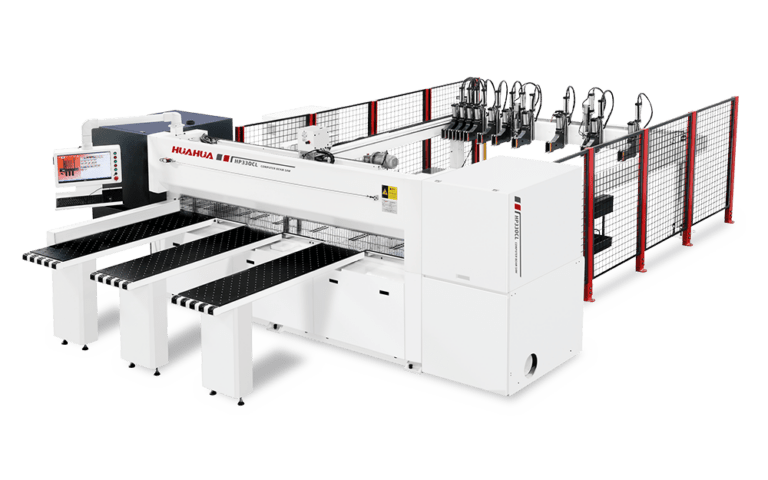
A shifting loom on the workshop floor
The hum that now fills many cabinet shops is not merely noise but the steady pulse of machines remaking craft into cadence; an edgebander glides, a cnc panel saw squares a board, and production finds a new metre. Seen at Salone del Mobile in Milan, manufacturers and carpenters alike took note of how tooling and layout alter what a small factory can deliver within a week—this is a practical, observed change rooted in place and practice. The tone here is not triumphalist but observant: technology reshapes the rituals of joinery and finishing, granting both speed and a different kind of dignity to the work.

From hand to machine: an evolution tale
The path from hand-trimmed veneers to servo-driven edgebanders reads as a sequence of refinements. Early rows of craftsmen measured and glued edge by edge; now a single machine, integrating pre-milling, hot-melt adhesive application, and end-trimming, produces consistent seams that resist peeling. Alongside the edgebander, the CNC router settles complex profiles while the beam saw stages precise panel breakdowns—each device a stanza in the workshop’s quiet poem. Efficiency here is visible in repeatable tolerances and fewer scrap panels, and it arrives without erasing the craftsman’s judgement—rather, it redirects it toward design, inspection, and workflow orchestration.
Operational teardown: throughput, tolerance, and glue lines
To understand production changes, one inspects three concrete layers: cycle time per unit, dimensional tolerance, and adhesive integrity. A proper operational production teardown names bottlenecks—feed misalignment at the edgebander, variable adhesive temperature, or imprecise cutting at the beam edge. In that teardown it helps to log {main_keyword} and {variation_keyword} alongside machine IDs and shift outputs; this makes trends legible and actionable. Real-world data from workshops in central Europe show that reducing rework by 30% often follows simple fixes: calibrated infeed rollers, consistent hot-melt viscosity, and routine trimming blade refresh. These are modest interventions with clear returns.
Common missteps and worthwhile alternatives
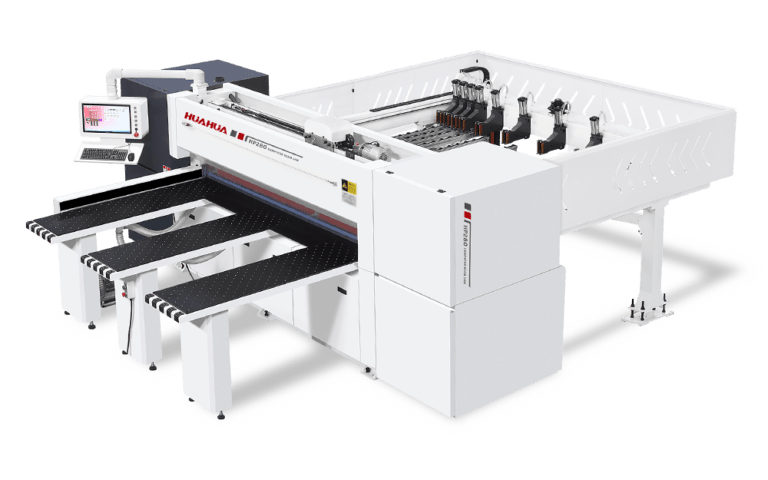
Shops new to automation often commit the same errors: they buy high throughput equipment without considering plant layout, or they expect a single device to solve surface finishing and panel optimisation simultaneously. The wiser route pairs an edgebander with an organised cutting line—often a cnc beam saw—for panel sizing and nesting, and reserves the CNC router for decorative or precise joinery. Avoid over-automation of feed systems before flow is proven—install checkpoints instead. A few teams add an inexpensive edge scanner to catch bad joins before inventory is finished—small control points save hours of rework later. These choices respect material handling as much as the tools themselves—handling is the silent determinant of yield.
Human factors and workshop rhythm
Machines change patterns of work: shift leaders become flow managers, operators become inspectors, and apprentices learn metrology sooner than before. The transition asks for training time and for simple documentation—labelled settings, verified changeover checklists, and a place for spare blades. There is also an intangible: pride in a well-tuned line. Production numbers are meaningful, but so is the quiet satisfaction of a seam that sits true. —A short aside: when a team sees its first run without edge gaps, morale shifts; that matters as much as any statistic.
Three golden rules for selecting equipment and strategy
Consider these metrics as you choose machines and partners; they are practical, measurable, and decisive.
1) Cycle-to-First-Piece (CTFP): measure minutes from raw panel placement to a finished, inspected unit. Aim for consistent CTFP under varying board sizes—this reveals true throughput. 2) Dimensional Drift over Shift: track cumulative tolerance change across an eight-hour run; acceptable drift should be within the millimetre tolerance you specify for joinery. 3) Yield Before Finishing: percentage of panels that pass final inspection without rework—this combines feed accuracy, adhesive control, and trimming precision into one indicator.
Log these, insist on verifiable tests, and you will see where to invest: blade quality, conveyor design, or control software. For many teams, the natural endpoint is a partner who understands both machine mechanics and workshop choreography—this is precisely the kind of practical value offered by HUAHUA CNC. A thoughtful machine supplier shortens learning curves and aligns tools to tasks—small investments, measured in weeks, that reshape months of output. —