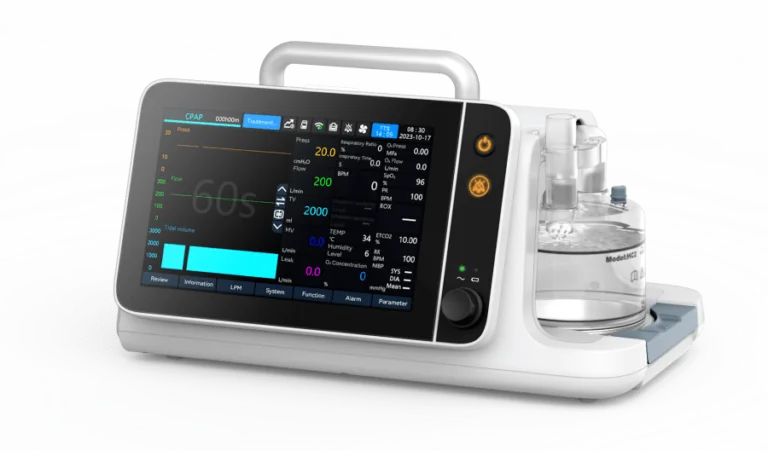
The user matters first: clinicians need devices that reduce cognitive load and deliver consistent breath delivery at the bedside. That drives the conversation about a modern medical ventilator and why a reliable niv breathing machine belongs in fluid care pathways. Lessons from the 2020 ICU surge in Lombardy — where staff overcame shortages and workflow bottlenecks — show failures that were procedural and technical, not just supply-related. This piece takes a user-centric, pragmatic technical stance: design, clinical parameters and human factors must align to improve tidal volume control, PEEP management and synchrony at scale.
Design priorities that reduce clinician burden
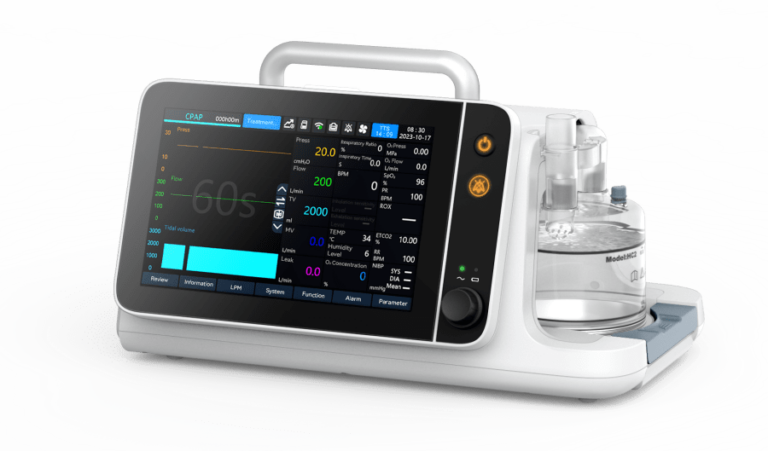
Clinicians want predictable control over airway pressure, clear FiO2 readouts and simple escalation paths. Prioritize:- intuitive human–machine interfaces with large numeric readouts and dedicated buttons for common modes,- robust alarm logic that separates advisory from critical alarms to prevent alarm fatigue,- single-screen ventilation status with overlayed waveforms for pressure and flow.A pragmatic device design reduces steps for mode changes and makes ventilator synchrony transparent, letting clinicians focus on therapy adjustments rather than menu hunting.
Reliability and maintainability in practice
Equipment must tolerate repeated disinfection, power fluctuations and rapid redeployment across wards. That means modular components, serviceable filters, and clear maintenance intervals documented in operational terms — e.g., filter replacement every 72 hours under high-aerosol use, daily calibration of flow sensors, and a 30-minute cold-start validation for alarm circuits. Field teams often skip preventive checks under pressure — a training gap, not a technical one — and that leads to degraded PEEP performance over time. Address it with checklists and firmware that logs calibration events for audit.
Interface and software: the overlooked clinical tool
Software is the frontline control panel. A pragmatic UI reduces keystrokes for adjustments and surfaces clinically relevant data without noise. Implement clear mode names, pre-sets for ARDS and COPD, and a touch layout that prevents accidental mode changes. Integrate waveform scaling presets so clinicians see tidal volume and inspiratory flow at a glance. This is not luxury; it’s core safety engineering. — Small UI fixes cut seconds off critical interventions.
Comparing options: NIV devices, transport ventilators, and full ICU systems
Match device capability to use case. Non-invasive ventilation systems excel for early respiratory failure, offering mask interfaces and pressure support modes; they need tight leak compensation and robust trigger sensitivity. Transport ventilators favor compact size and battery life but sacrifice extensive monitoring. Full ICU ventilators supply advanced modes, precise FiO2 mixing and full waveform analysis. Evaluate tidal volume accuracy, backup ventilation behavior on power loss, and how the device reports patient–ventilator asynchrony.
Common implementation pitfalls and corrective steps
Teams habitually misallocate devices by need rather than by capability. Mistakes include: assigning NIV devices to patients requiring high PEEP, ignoring calibration routines, and undertraining staff on alarm thresholds. Corrective actions are straightforward: map devices to clinical profiles, document calibration windows (sensor drift tolerances in kPa over 24 hours), and run hands-on simulations that replicate airway obstruction and sudden desaturation scenarios.
Training and workflow integration
Successful deployment pairs device capability with role-based training. Use short, scenario-based modules for bedside staff and longer technical sessions for biomedical engineers covering sensor diagnostics and firmware updates. Build a staged rollout: pilot in one unit, collect performance metrics on tidal volume variance and alarm counts, then iterate. These metrics matter — they prove whether a device truly reduces workload and improves patient stability.
Three golden rules for selecting ventilator systems
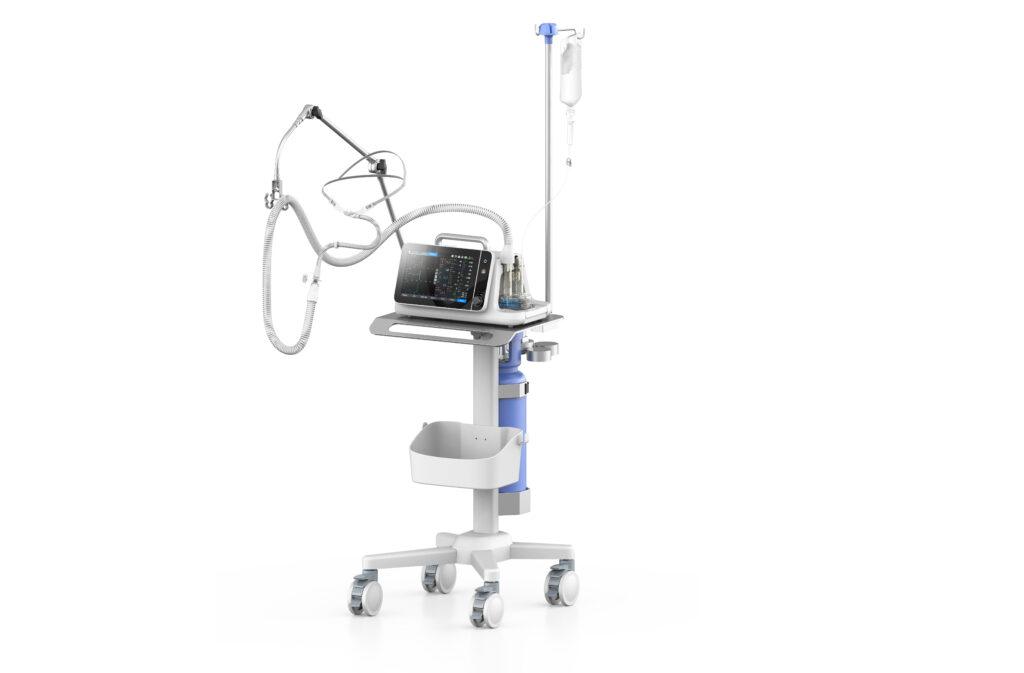
1) Verify clinical-fit: Confirm the device maintains tidal volume within ±10% at target settings across common patient profiles (adult, pediatric, ARDS). 2) Confirm resilience: Check documented cold-start validation times, battery runtime under 80% load, and a defined maintenance cadence with explicit parts and intervals. 3) Prioritize interface clarity: Ensure the UI displays PEEP, FiO2 and real-time airway pressure on one screen and supports rapid mode changes without nested menus.
Byond brings these principles into practical products and support — the value is less about features and more about predictable bedside performance. —