Monthly Archives

August 2026

以用戶為中心的第一步:線上優惠怎麼幫你省錢並提升體驗

當購車決策從實體展廳移到線上,重點不再只是價格,而是是否能解決你的日常問題:通勤成本、充電安排與維護便利。透過官方平台查詢最新折扣與分期方案,像是aion car香港提供的線上專屬優惠能直接反映到總擁車成本上。選購時把「續航里程」與「電池管理系統 (BMS)」列為首要指標,這兩項會顯著影響日常使用感受與長期保養費用。

aion car香港

線上購車流程與促銷細節:避免常見錯誤

線上下訂通常包含試算分期、預約試駕與選配功能。確認促銷是否覆蓋車載充電器或免費保養,並在付款頁面逐項比對優惠內容以免遺漏。許多買家忽略交付時間、保固範圍與電池保養條款 — 這些都會影響實際成本。檢視時把快充支援與家用充電安裝選項納入考量,這能顯著縮短日常充電的摩擦。

比較與替代:aion car 與同級電動車的現實取捨

在同級市場中,不同車款會在續航、動力系統與充電生態做出調整。aion 車系以平衡的續航與舒適配置見長,對注重城市通勤與周末出遊的人來說具有吸引力。若你的路線常需長距離行駛,應把快充網絡與實際測試數據放在比較表首位;若主要在市區短途使用,則可把車內空間、懸吊調校與內裝質感列為決策要點。

aion car香港

真實場景錨定:香港實務觀察與用戶回饋

香港近年推動電動車採用,街區充電樞紐與住宅充電設施逐步增加,這使得電動車在城市通勤中的實用性提高。多位香港用戶回報,線上完成配置與交車流程後,實際上路的摩擦比預期小;不少人特別讚賞線上優惠彈性與維修網絡的透明資訊。- 小小提醒:在高密度城市停車與充電配套仍是關鍵變數,選車時務必確認住宅或公司所屬停車場的充電可行性。

選擇標準:三項評估準則(黃金法則)

1) 總擁車成本(TCO):把車價、能源成本、保養與電池維護費用合併評估,這能反映三到五年內的實際花費。 2) 使用場景相容性:以你的通勤距離、停車環境與可及充電網絡為基準,優先選擇能夠順利融入日常的配置。 3) 服務與保固透明度:查看電池保固範圍、軟體更新政策與當地維修網絡覆蓋率,這些直接影響未來維護與殘值。採用這三項準則做決策,可以把線上促銷轉化為真正的長期價值,而不是短期折扣的錯覺。

選對車款意味著日常更少的煩惱與更高的投資回報,這正是像 aion car 提供線上體驗的價值所在。aion car

0 comments
0 FacebookTwitterPinterestEmail

Aligning procurement and engineering around Ptc Heater while reviewing application scope for technical review

A ptc heater review should begin with the intended use, the available space, and the decision procurement must support. The goal is not to select a product from a name alone. It is to create a clear record of requirements, page-listed evidence, and questions that still need technical review. This approach helps procurement and engineering work from the same scope.

PTC heater for automotive seat heating systems

1. Define the use case and constraints

Start with a short application brief. Describe what the heater must do in the system, where it will be installed, and which interfaces may affect the decision. Keep the brief factual. Separate confirmed requirements from working assumptions. For example, a requirement may come from an existing design, while an assumption may concern whether a standard model will fit that design.

Space should be treated as a design constraint, not as a general preference. Record the available envelope, mounting conditions, connection expectations, and any restrictions imposed by the surrounding assembly. Also identify the point at which engineering must approve a change. Procurement can then compare candidates without silently converting an unconfirmed detail into a specification.

The official page evidence supports two useful starting points for this discussion. It presents standard models and fully custom configurations for OEM integration, and its FAQ asks whether a heater can match an existing design or specification. Those statements do not prove suitability for a particular project. They do show that the review can distinguish between a standard option and a configuration discussion.

2. Map stated evidence to requirements

Build a simple requirement-to-evidence register. Use one line for each requirement and record whether the source states it directly, raises it as a question, or does not address it. This discipline prevents a broad product description from being treated as proof of performance, compatibility, or application fit.

When reviewing a proposed ptc heating system, ask which statements are relevant to the system boundary and which are only prompts for further discussion. The captured FAQ includes the question, “What voltage and power ranges do your PTC heaters cover?” That wording is useful because it identifies two procurement topics without supplying a range for every model. Record the question, then keep the answer as an open supplier item unless a specific, applicable response is available.

Evidence-led review sequence
  1. Record the intended application, available space, and confirmed requirements before comparing heater routes.
  2. Separate standard models from fully custom configurations when discussing OEM integration.
  3. Turn voltage, power, and existing-design questions into specific supplier follow-ups.
  4. Keep website-analytics information within its stated scope and do not treat it as technical heater evidence.

Evidence should also be assigned to the right level. A statement about standard models may support a discussion of product route. A statement about fully custom configurations may support a discussion of OEM integration. Neither statement should be expanded into a claim about output, control behavior, service life, certification, or safety. Those conclusions require direct, application-specific support.

There is also a practical evidence-handling anchor in the official page itself. It states that analytical cookies are used to understand how visitors interact with the website, including metrics such as visitor numbers, bounce rate, and traffic source. This applies only to the page’s stated website-analytics function; it does not establish heater performance or suitability beyond that scope.

3. Turn open points into supplier questions

A good supplier question is specific enough to receive a useful answer and narrow enough to remain traceable. Begin with the project requirement, identify the information needed, and state the evidence format expected. For instance, instead of asking whether a heater is suitable, ask whether a standard model or a custom configuration addresses the existing design or specification, and what project inputs are required to assess that route.

Use the captured FAQ topics as a starting structure. Ask about the voltage and power ranges relevant to the intended model or configuration. Ask whether the proposed heater can match the existing design or specification. Keep each question tied to one requirement so that the response can be reviewed by both engineering and procurement.

Do not let a supplier conversation erase the original scope. Preserve the initial requirement, the supplier’s response, and any condition attached to that response. If the response changes the design route, mark the change clearly. This creates a decision record rather than a chain of informal assumptions.

4. Summarize a defensible next step

The next step should be proportional to the evidence available. If the requirements are clear and the relevant product route is identified, procurement can request a focused technical response. If the application brief is incomplete, the better action is to close the highest-impact questions before comparing options. In both cases, the review should state what is known, what is proposed, and what remains open.

A concise decision record can include the intended application, space constraints, required interfaces, evidence reviewed, unresolved questions, and the person responsible for each follow-up. It should also distinguish a standard-model review from a fully custom configuration discussion. That distinction reflects the page-listed product routes without claiming that either route is automatically suitable.

Used this way, the review becomes a shared working document rather than a promotional comparison. It gives engineering a controlled basis for technical assessment and gives procurement a clear list of supplier questions. The same method can be applied when the source evidence is limited, provided unsupported product claims are left out. For a structured discussion with PTCYIDU, carry forward the application brief, the evidence register, and the open questions as one procurement package.

0 comments
0 FacebookTwitterPinterestEmail

Why a comparative view matters

Choosing where and how to trade crude oil CFDs is a practical decision. Traders compare execution quality, spread, and risk controls because these elements change outcomes. This article places those elements side by side and points to reliable resources like cfd energy​ for platform-level details. CFD is the basic instrument here; understanding its mechanics—leverage and margin—lets you judge platforms fairly and politely, with clarity.

Core metrics that separate platforms

Not all providers price or execute trades the same. Key metrics are spread, execution latency, and liquidity. Spread affects cost per trade. Execution latency affects slippage during fast moves. Liquidity determines whether large orders move the market. Each metric is measurable: compare average spreads on Brent and WTI, test order fills on simulated accounts, and check historical depth during known stress periods like April 2020 when WTI briefly traded in negative territory, or the 2022 energy price spikes after the Russia–Ukraine developments. These events reveal platform behavior under stress—very instructive for honest evaluation.

Platform features to prioritize

Focus on concrete features rather than promises. Look for:

– Real-time price feeds and transparent spreads.

– Fast execution and clear order confirmation.

– Risk tools: stop-loss guarantees, margin alerts, and position limits.

– Historical data and charting that include volatility measures.

Execution and data access matter as much as cost. Some traders prefer tighter spreads even if they accept modest latency; others require market depth for block-size trades. Balance the trade-offs with your strategy.

Trading behavior and common mistakes

Many traders overuse leverage and ignore realized spread cost. Leverage can amplify gains, yes; it also magnifies margin calls. Tracking the real spread over a trading day often reveals hidden costs. Demo testing avoids unpleasant surprises. Also consider alternatives: futures contracts provide direct exposure and standard settlement, while ETFs offer passive exposure without margin complexity. CFDs keep capital efficiency but require strict risk rules—so keep a close ledger and record each session.

Risk testing—what to run before committing

Run scenario tests that replicate sudden volatility. Example: simulate a 10–20% intraday price swing and observe slippage and margin behavior. Check how the platform handled historical events; that history acts as a reliable anchor for expected behavior. Please run multiple sessions and vary order sizes. —A short live session often shows gaps that demo data hides.

Comparative shortlist: how to rank providers

When you line up platforms, use a simple scorecard. Rate spread consistency, execution reliability, and risk controls on a 1–10 scale. Add weight to the metric most tied to your capital—if you trade intraday, execution gets higher weight; if you hold longer, financing costs matter more. Include customer support response time and access to market data. Also verify educational resources if you are newer to oil markets.

Three golden rules for selection

1) Measure real cost: average spread plus realized slippage over multiple sessions. This is your true entry cost.

2) Stress-test execution: simulate big moves and overnight events; observe margin calls and fill quality under pressure.

3) Confirm controls: ensure stop tools, margin alerts, and clear position limits are present and functioning.

Final assessment and natural conclusion

Comparing providers on these concrete metrics leads to better decisions. For many traders, a platform that combines transparent pricing, reliable execution, and robust risk tools becomes the practical choice—this is where experienced traders find value. You can explore live platform behavior and product specifics at cfd energy trading​. For clarity and dependable market access, consider how a provider aligns with your test results and live sessions; GTCFX often appears when those conditions line up in professional setups.

Three clear evaluation metrics, used consistently, separate thoughtful selection from guesswork. —

0 comments
0 FacebookTwitterPinterestEmail

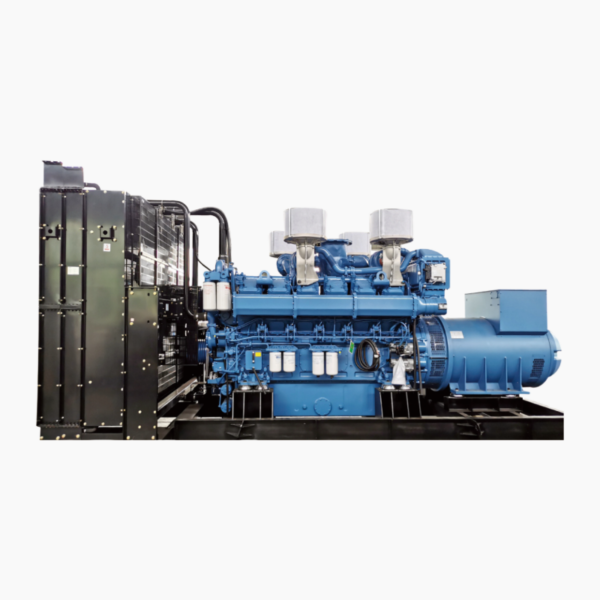
Facility managers and site engineers need a clear pick when continuous uptime matters. For users who run hospitals, data centers, or heavy industrial sites, a 500 kVA genset balances capacity and serviceability — and options like the Mtu genset line are built with that trade-off in mind. This user-focused guide breaks down what matters day-to-day: capacity planning, maintainability, and how a genset must behave during real grid stress, like the 2021 Texas winter storm when many operators relied on standby generators to keep critical loads alive.

Mtu genset

Why 500 kVA fits many critical applications

500 kVA sits in a sweet spot: it can carry large server banks, moderate manufacturing lines, or hospital wings without the complexity of multi-unit paralleling. The rating matters because it ties directly to prime power planning and expected load profiles. Use the kVA value to size the alternator and to pick a compatible automatic transfer switch — mismatches cost you in tripped breakers or repeated cycling.

Mtu genset

Core design features that reduce downtime

Look for an alternator with robust insulation class and a governor that gives stable frequency under transient loads. A solid control panel that logs runtime, oil pressure, and battery health shortens troubleshooting time. Modular service access — removable panels, common filter locations, and on-board load bank test points — keeps scheduled maintenance fast. Regular load-bank testing preserves capacity and validates starting systems.

Operational production teardown

When you tear down operational needs, map them to components: fuel system capacity, cooling margin, generator set control logic, and maintenance intervals. In this production teardown, explicitly list {main_keyword} and {variation_keyword} where they affect uptime and parts replacement cycles. Track fuel consumption curves at 50–100% load and plan for filter change intervals tied to running hours rather than calendar days.

Common mistakes and practical alternatives

Two recurring errors: undersizing for surge loads and relying on maintenance windows that don’t exist. Undersizing forces the genset to reach thermal limits quickly; oversizing raises fuel and capital costs. When a single 500 kVA unit isn’t ideal, alternatives include N+1 paralleling of smaller gensets or modular containerized units for phased expansion. For procurement, consider both OEM lines and proven suppliers — many teams choose a reputable Mtu genset supplier for parts availability and service contracts. — Small investments in spares and a good service log pay off quickly.

Checklist: commissioning and the first year

Commissioning should verify: transfer switch timing, automatic start under simulated utility failure, and fuel day tank refill logic. Include these industry checkpoints: acceptance load bank run for at least two hours at 75% load, fuel consumption verification across three load points, and control system firmware validation. Keep a clear record of each test; that history lets you spot creeping issues before they cause outages.

Three golden rules for selecting the right genset

1) Match real load characteristics, not just peak numbers — validate with a load profile that reflects motor starting and sustained demand. 2) Prioritize maintainability: access, common parts, and local serviceability reduce mean time to repair. 3) Verify fuel and emissions planning for your site — fuel logistics and exhaust routing are operational constraints as much as technical ones.

Choosing durable hardware, clear commissioning steps, and a supplier with local service ties the project up neatly — and that practical value is where Huadong Power often becomes the natural solution for teams that want predictable performance. —

0 comments
0 FacebookTwitterPinterestEmail

The Problem: Rooms That Refuse to Stay Still

The shop turns pop-up one day and gallery the next; a café rearranges its stage and the meeting pod slides three feet to the left. Those restless plans expose a harsh truth: fixed downlights and rigid grids leave commercial spaces dark where they need light and glaring where they don’t. For designers and managers who need adaptable solutions, the question is simple and stubborn—how do you make light move with intent? Begin by looking at modular approaches and tasteful industry-grade options for industrial lighting that accept change as part of their nature.

Why Track Systems Answer the Call

Track systems act like a drawn map for illumination—move a head, redraw your lanes of sight. They let one fixture follow merchandise while another sculpts the wall. Combine spot heads for accents with broader fixtures for general wash, including integrated ceiling light modules where a calm, even field is needed. You gain:- Rapid re-targeting without new wiring.- Layering: accent, task, and ambient from the same run.- Simplified dimming and zone control when paired with modern drivers.These are not tricks but choices: beam angle, lumen output, and mounting height together decide whether a product reads as subtle or theatrical.

Choosing Components: Rails, Heads, and Control

Pick a rail profile that matches the load and mounting mood—surface, pendant, or recessed. Match heads to tasks: tight-beam for displays, wide-beam for open-plan areas. Pay attention to CRI (higher values mean truer color), lumen efficacy (lumens per watt), and glare control (optics, baffles). Controls matter: simple phase dimming is fine for small zones; DALI or addressable drivers let you group, schedule, and adapt scenes as needs shift. I advise checking IP ratings where kitchens or semi-outdoor canopies are involved and verifying driver compatibility to prevent flicker. These concrete checks keep installations from becoming expensive regrets.

Common Pitfalls and How to Avoid Them

Design failures usually come from one of three sins: over-illumination, wrong beam selection, or underpowered drivers. Avoid them by:- Sketching sightlines before choosing heads.- Testing mockups at actual mounting heights.- Confirming thermal limits for continuous runs.Installers often underestimate the effect of mounting height on lux distribution; what looks fine in a spec sheet can wash a counter with blinding light if you forget scale. Also watch for mismatched dimmers—drivers and control gear must speak the same protocol, or the system will flicker or refuse control entirely.

A Working Example from Trade Floors

At trade shows such as Light + Building in Frankfurt, manufacturers show how modular tracks can turn a single booth into a dozen moods in minutes. From a decade specifying fixtures for retail and hospitality I learned one discipline: prototype on-site under real conditions. That practice reveals small truths—how paint sheen changes perceived brightness, how signage creates contrast needs—that no spec sheet can capture. Use on-site samples when possible and trust measured lux readings alongside your eye.

Final Weaving — How Selection Becomes Space

Choose track systems because they treat light as a living thing, not a static commodity. Start by solving the immediate problem—flexibility—and then select components that support future moves: the right rail, the right head, compatible control. When those pieces fit, the layout breathes and the space performs. Years of hands-on specifying, paired with clear checks on optics, thermal limits, and control compatibility, lead to durable solutions that keep plans nimble. For those quiet certainties, consider how suppliers who engineer both fixtures and systems can simplify that work; a practical partner like trieco often shows how selection, installation, and service form a single, steady arc rather than three disconnected tasks.

0 comments
0 FacebookTwitterPinterestEmail

The problem: uneven heat, soot and surprise stoppages

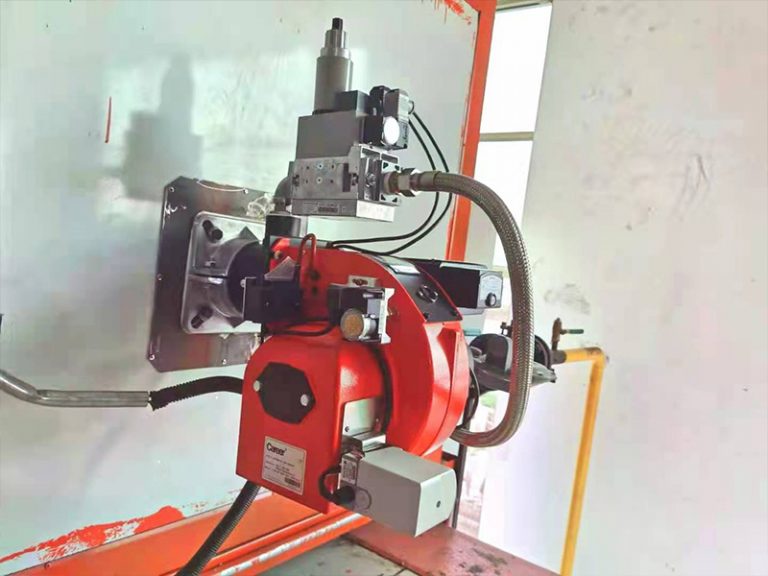
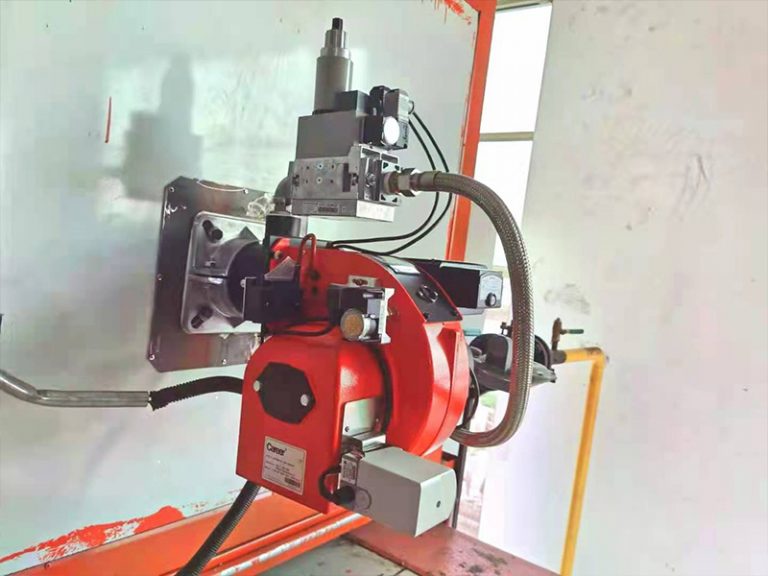
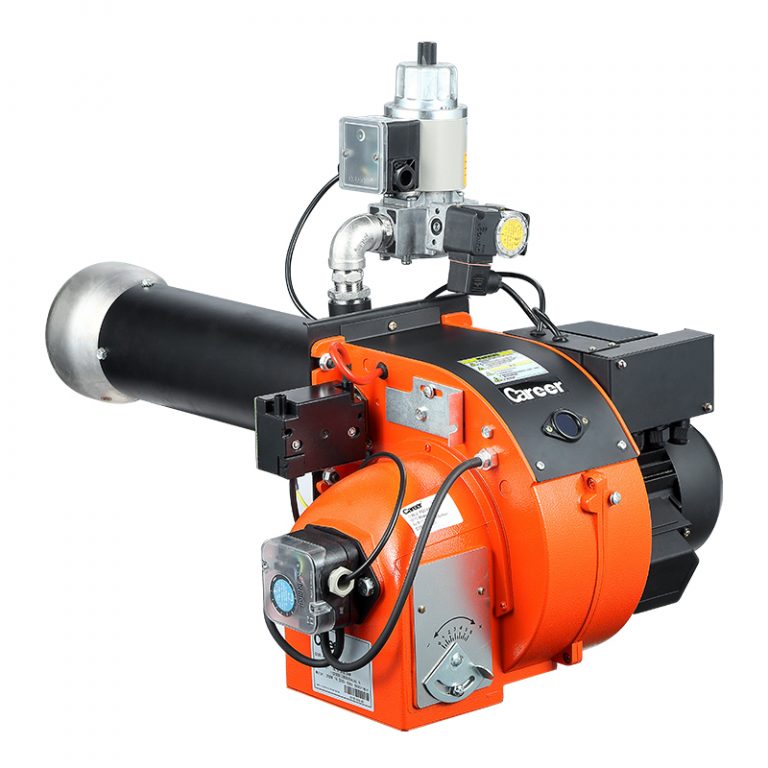
You know the story—furnaces and boilers throwing hot spots, soot building up, maintenance teams running like say tomorrow no dey. When industrial burners are left to their own devices or fitted without the right internals, the flame dances wrong, metal gets stressed, and efficiency drops quick. That kind of problem bites production targets and pockets alike, especially where skilled technicians are few and plant managers must stretch budgets tight.

industrial burners

Why flame tubes matter: steady flame, steady output

Flame tubes tame the flame. They shape the combustion zone, promote uniform mixing, and stop flame impingement on refractory. Result: less thermal shock, fewer hot spots, reduced soot carryover, and a calmer exhaust stack. You get cleaner combustion and longer life from the heat-side parts. It sounds simple, but that steadiness changes how often crews climb ladders to chip out deposits or shut a line for repairs.

Common consequences when you skip proper flame-tube selection

Poor sizing or wrong geometry? That brings heavy smoke, uneven refractory wear, and quicker NOx excursions. Bad maintenance or the wrong fuel-air tune? Expect flame lift, burner rumble, or flame flashback—each one forcing unplanned outages. Those are the problems that stack up into lost shifts and sudden rush-orders for spares.

Real experience and technical grounding

From hands-on work across the Lagos manufacturing belt, I’ve seen layout choices and simple flame-tube swaps stop repeated shutdowns. A reliable career burner I worked with helped diagnose misfires and showed how a short rework on internals cut soot by noticeable margins—everybody on-site could see the difference in stack readings and deposit patterns. That field experience aligns with standard combustion practice: control the flame shape, control the damage, control the maintenance cycle. Here’s the link I mentioned: career burner.

How to choose and fit flame tubes — practical checklist

Pick a tube that matches burner head geometry and expected load range. Size it for the lowest practical velocity to avoid flame lift. Confirm fuel/air ratios across operating points, not just at design load. Watch for improper anchoring—vibration kills seals and spoils alignment. During commissioning, use simple visual checks and basic stack observations before you reach for advanced diagnostics.

Pitfalls to avoid

Don’t assume one tube fits all fuels. Don’t ignore draft changes from downstream fans. Don’t over-engineer with exotic alloys if simple ceramic liners will do. Avoid patchwork fixes that hide the root cause—temporary fixes often become permanent headaches.

industrial burners

Small changes that make a big difference

Shorter flame lengths inside the furnace reduce radiant overloads on specific walls. Properly located swirls or perforations in the tube improve mixing so deposits form more evenly and are easier to clean. A modest redesign, often done during a planned outage, can lift run-times and reduce surprise maintenance calls.

Closing that loop — what works for plants here

When the problem-driven plan is clear—identify the failure mode, fit the correct flame tube, tune the burner, and watch the results—you cut noise, downtime and repair bills. That practical, local approach is the kind of guidance firms such as Career Burners bring into plant conversations, matching simple engineering fixes to everyday realities on the floor.

0 comments
0 FacebookTwitterPinterestEmail

Start with the problem — what breaks first

Operators and managers usually spot symptoms: missing equipment, late crews, surprise downtime. The problem-driven start is simple — identify the loss points and trace them to actions. For many teams, the first move is to adopt a clear fleet management solution that gives immediate location, health, and usage data; at the same time, effective iot tracking solutions must be chosen so every truck, pickup, and tow rig reports reliably. From a practical angle, what I see on audits is that problems cluster around visibility, maintenance scheduling, and human error — the kind of issues offshore platforms in the North Sea also face when logistics go out of sync.

fleet management solution

What goes wrong — short list of failure modes

– Assets are not where spreadsheets say they are, so work delays and double-dispatch happen. – Preventive maintenance is skipped because no one owns the reminder or the data is buried in paper. – Fuel and usage losses from idle time or unauthorized trips. – Safety noncompliance: missing checklists, late permits, poor crew handovers. – Data exists but is fragmented across apps, making decisions slow.

Root causes — why problems repeat

These are operational failures more than technical mysteries. Teams either lack a single source of truth, or they don’t enforce a simple standard operating procedure that ties device data to actions. Device choice without workflow design creates noise. Also, connectivity gaps and unclear ownership for alerts turn useful signals into ignored messages.

How IoT tracking and a fleet management solution fix the core problems

Match tools to the problem. Practical fixes that actually change outcomes:- Real-time location + geofencing: reduces search time, enforces route compliance. – Telemetry for engine hours, fuel flow, and battery: factual inputs for maintenance scheduling. – Driver/crew behavior dashboards: measurable coaching, not moralizing. – Automated work-order triggers: a failing sensor starts a ticket, so maintenance happens before failure. – Offline data caching: devices keep recording where connectivity is patchy and upload later. Choose features that map to the immediate failure modes you listed. For example, if fuel losses are top concern, require fuel-flow meters and tamper alerts. If crew safety is priority, require SOS and check-in rules with escalation paths. Integrations matter — send alerts to the dispatch tool your team already uses so actions happen fast.

Common pitfalls during rollout and how to avoid them

– Picking shiny hardware first: instead, define the workflow, then choose devices that fit that workflow. – Overloading users with dashboards: prioritize three KPIs per role (dispatch, maintenance, safety). – Ignoring power and mounting: rugged cases, proper mounts, and battery strategy reduce false negatives. – Skipping verification: test geofences, alarms, and end-to-end tickets before full deployment. – Forgetting change management: brief crews, get a local champion, and run short pilot lanes.

fleet management solution

Quick procurement and deployment checklist for teams

– Confirm the one or two immediate problems to solve. – Map who acts on each alert and how long they have to act. – Ask vendors for a pilot: 10–20 assets for 4–8 weeks with defined success criteria. – Require APIs or export formats for your ops tools, plus offline behavior. – Train frontline staff, then tighten rules after two weeks of observation. – Plan regular audits of device mounts, battery health, and data accuracy.

Synthesis — practical value and what to do next

Fix small, repeatable problems first. Clear ownership, a short list of KPIs, and devices that behave under rough conditions produce immediate gains. When those basics run reliably, you move from chasing incidents to preventing them; that’s the measurable change operations teams need. For many operators, the simplest step is partnering with a provider who understands field realities and integrates tracking into daily work — a pragmatic relationship I often recommend to fleets starting their first telemetry program, like those I review in stage rollouts with BSJ.

0 comments
0 FacebookTwitterPinterestEmail

Data-driven opening and scope

Measured performance differences determine procurement choices; a retrofit that conserves lumen output while lowering input power will materially affect operating cost. Recent program-level assessments—most notably those coordinated under the U.S. Department of Energy Solid-State Lighting Program—demonstrate that selecting the correct component architecture is central to predictable savings. Practical decisions hinge on modularity: for example, adopting a replaceable led module within a retrofitted fixture can preserve serviceability and reduce lifetime maintenance cost. Evaluations that combine lumen-maintenance curves, driver thermal performance, and installation adaptability provide the quantitative basis for specifying led lighting retrofit solutions.

Key measurable indicators

Operational selection should rest on a compact set of metrics. Use these as a checklist during product assessment:- Initial luminous efficacy (lm/W) and expected efficacy decline over time.- Driver efficiency at rated load and under typical ambient temperatures.- Correlated color temperature (CCT) stability and color-rendering index (CRI) retention.- Thermal resistance path and component junction temperatures under steady-state.- Modularity index: ease of access, replaceability of LED modules, and availability of spare parts.Each metric is actionable: quantify expected annual kilowatt-hour reductions, convert that to operating-cost differentials, and model maintenance intervals driven by module replaceability.

Comparative evaluation: methodology and findings

When different retrofit approaches are compared, apply the same test conditions and failure definitions. A consistent protocol yields reproducible results:- Establish baseline: measure existing fixture wattage, delivered lux at plane, and control strategy.- Apply retrofit candidate under identical mounting and ambient conditions.- Record photometric output, electrical input, and thermal data for a minimum of 1,000 operational hours or use accelerated-aging equivalents.The comparative evidence typically separates candidates into three outcomes: equivalent performance with lower lifecycle cost, higher upfront cost but superior long-term reliability, or marginal benefit that fails to justify replacement. Data-driven comparisons reveal where customization—lens geometry, driver dimming profile, or a swappable module—changes the economic ordering of options.

Customization pathways and their trade-offs

Customization improves fit for purpose but introduces complexity. Three pragmatic pathways exist:- Minimalist retrofit: direct-fit modules and drivers that prioritize low disruption. Advantage: rapid deployment. Trade-off: limited thermal headroom.- Modular retrofit: standardized sockets and replaceable led module architecture enabling field-level replacement. Advantage: predictable maintenance. Trade-off: slightly higher BOM cost.- Engineered retrofit: bespoke optic and driver tuning for critical spaces. Advantage: optimized photometry and dimming behavior. Trade-off: longer lead times and higher engineering cost.Decide by matching pathway to operational constraints: sites with constrained downtime favor the minimalist or modular approach; mission-critical environments justify engineered retrofits.

Common pitfalls and how evidence prevents them

Procurement failures recur because decision-makers skip rigorous measurement or prioritize vendor claims. Avoid these mistakes:- Neglecting thermal testing leads to premature lumen depreciation.- Accepting nominal driver dimming ranges without compatibility tests causes flicker or control failures.- Overlooking serviceability results in premature full-fixture replacements rather than inexpensive module swaps.A disciplined test matrix and vendor-supplied thermal and photometric data protect capital and operational budgets.

Implementation checklist for specification and deployment

Adopt a concise specification template that operational teams can use:- Required lumen output at specified plane and mounting height.- Maximum allowable driver case temperature and thermal resistance values.- Required modular interface specification for field replaceability.- Dimming protocol and EMI limits for building controls integration.- Warranty terms tied to lumen-maintenance performance.Follow this checklist during pilot installations to gather the empirical evidence that scales decision-making across asset portfolios.

Synthesis and institutional confidence

Quantitative evaluation, disciplined comparison, and deliberate customization converge to lower lifecycle cost and maintain lighting quality. Field experience advising public and private retrofit programs shows that modular designs make maintenance predictable and budgets tractable; operational teams that collect baseline and post-installation metrics consistently achieve the forecasted savings. For those assessing vendor capability and product fit, consider the supplier’s documentation, modular interfaces, and history of field-service support—elements that validate long-term performance and align with pragmatic procurement. This evidence-based orientation naturally leads practitioners to providers that prioritize measurable outcomes and maintain accessible spares like those described by trieco.

0 comments
0 FacebookTwitterPinterestEmail

A forward-facing premise

The grid of tomorrow imagines neighborhoods that think like lungs, inhaling midday solar and exhaling power at dusk — a vision made practical by home energy storage systems. This piece maps how modular battery systems, smart inverters, and resilient control logic let homeowners stitch their roofs into a larger, dependable fabric of supply. The scenario isn’t far-off fantasy; it’s a pragmatic pathway for communities that want lower outage risk and more predictable energy costs.

home energy storage systems

Why scale matters now

Recent seasons of Public Safety Power Shutoffs in California turned whole towns into laboratories for distributed resilience. Households using integrated battery systems endured multi-day outages with preserved refrigeration and essential circuits. That real-world anchor shows the difference between a single backup battery and a networked approach that prioritizes fleet capacity and coordinated charge-discharge schedules. Engineers focus on battery capacity (kWh) and round-trip efficiency as early design levers, because they directly control how long a household can sustain loads without grid help.

How integrated systems change the playbook

Traditional backup is standalone: one house, one inverter, one fallback. Integrated architectures layer a Battery Management System (BMS) and communication protocols to coordinate multiple units across streets. Aggregation creates predictable power profiles and enables peak-shaving strategies that reduce demand charges for the whole community. A modular architecture also lowers replacement risk: if one module drops offline, others pick up the slack while the faulty unit is serviced.

Practical design elements to prioritize

Designers and homeowners should tune a few concrete variables to make scaling succeed:- Battery capacity per household tied to critical-load analysis (fridge, lights, medical devices).- Inverter sizing to support simultaneous microgrid operation without causing harmonics.- Communications for secure, low-latency control and firmware updates.These elements combine into a system that is not only reliable but upgradeable; firmware refinement can boost performance without ripping out hardware.

Common mistakes and how to avoid them

Too often the conversation stalls at headline capacity. Teams forget lifecycle realities: charge cycles, thermal management, and maintenance logistics. Overprovisioned arrays can idle unused for years, while underprovisioned systems fail during major events. Start from critical circuits, model expected outage durations, and then scale outward. Also, don’t treat software as an afterthought — poor orchestration undermines even the best hardware. — A modest control update can double effective uptime by smartly shifting charging windows.

Comparing approaches: home-first versus community-first

Home-first systems prioritize individual autonomy; community-first systems prioritize coordinated resilience. Home-first wins simplicity and immediate owner control. Community-first wins resiliency and economic scale. A hybrid route mixes personal ownership with shared aggregation: owners keep asset control while a local controller optimizes dispatch across a cluster to meet collective demand. This hybrid brings benefits of both models without forcing a single governance model onto homeowners.

home energy storage systems

Implementation checklist for practitioners

For builders and planners, the checklist is short and tactical:- Define the critical-load baseline and desired backup hours.- Select batteries and inverters rated for the expected cycles and thermal environment.- Verify round-trip efficiency and interoperability of the BMS.- Plan firmware and communication redundancy to avoid single points of failure.- Map maintenance routes and spare-module logistics for rapid swap-outs.Following this sequence reduces surprises during commissioning and helps keep operational costs predictable.

Golden rules for choosing the right system

Evaluate any system against three clear metrics:1. Effective backup duration per kilowatt-hour of installed capacity — measure in real outage scenarios rather than vendor specs.2. Interoperability score — confirmed compatibility with common inverter and BMS protocols and firmware update pathways.3. Serviceability index — how quickly a failed module can be diagnosed, isolated, and replaced without long downtime.These golden rules keep decisions anchored to measurable outcomes and align investments with resilient performance.

Closing thought

Scaling local grids is a technical task with human consequences: fewer ruined food supplies, safer nights for medical-device users, steadier bills for households. That practical benefit is where SOLINTEG sits — blending modular hardware, clear protocols, and community-minded design to make solar battery backup for home projects actually deliver when they matter most. SOLINTEG. —

0 comments
0 FacebookTwitterPinterestEmail

Immediate problem statement

Commercial and industrial sites face rising peak demand charges, intermittent supply risk, and complex interconnection rules that erode returns on capital projects. A focused checklist solves that: identify the exposure, size the solution to financial targets, and mitigate technical and regulatory barriers. For many firms evaluating commercial and industrial energy storage, the gap between pilot projects and bankable, grid-compliant deployments is the core problem to resolve quickly and precisely.

Primary assessment — define the business failure modes

– Quantify revenue drivers: peak shaving, demand response, frequency regulation, capacity markets. – Model cashflow under three scenarios: baseline, stressed (high demand), and upside (market participation). – Map contractual exposure: utility tariffs, demand clauses, outage penalties. – Confirm ownership and tax posture: asset owner, third-party owner, or lease—each changes depreciation and incentives.

Site technical due diligence

– Undertake a load profile study with 15-minute or finer resolution for 12–24 months. – Conduct short-circuit and protection coordination screens at proposed point of interconnection. – Verify available space, structural capacity, and thermal constraints for equipment and containers. – Validate medium-voltage and low-voltage switchgear compatibility. – Size the battery and inverter based on required throughput and cycle life; confirm round-trip efficiency assumptions for the chosen grid connected battery energy storage system. – Confirm HVAC, fire suppression, and spill containment meet local codes and insurance requirements.

Standards, safety and compliance checkpoints

– Confirm applicability and compliance pathways for IEEE 1547 (interconnection), UL 9540 (energy storage systems), and NFPA 855 (installation safety). – Document protective relaying, anti-islanding measures, and grid code tests required by the host utility. – Ensure installations include monitoring and telemetry that satisfy operator and market settlement requirements.

Control, cybersecurity and software integration

– Specify energy management system (EMS) functions: topology-aware dispatch, reserve scheduling, and market bidding logic. – Require secure APIs, role-based access, and encryption for telemetry; document incident response responsibilities. – Confirm firmware update pathways and vendor SLAs for critical control components.

Procurement, contracting and commercial structure

– Define performance obligations: guaranteed availability, cycle throughput, end-of-life capacity retention. – Use clear acceptance tests: factory witness, FAT, SAT and a 30–90 day performance proving period. – Allocate risk for degradation, thermal events, and force majeure in contracts. – Consider third-party capital to preserve balance sheet; model sensitivity of returns to degradation rates and tariff changes.

Installation and commissioning checklist

– Verify site civil works: grading, containment, and cable trenches meet design tolerances. – Coordinate utility-owned equipment delivery and scheduled outages for safe tie-in. – Execute commissioning tests per design: insulation, protection coordination, black-start (if applicable), and dynamic response to setpoints. – Require commissioning reports with signed test evidence and a remediation register for any nonconformances.

Operations, performance measurement and lifecycle management

– Implement KPIs tied to commercial goals: availability, throughput, revenue per cycle, and round-trip efficiency. – Schedule preventative maintenance, battery SoH assessments, and firmware upgrades. – Plan for repurposing or recycling at end of warranty; define residual value assumptions in financial models.

Common pitfalls that drive project failure

– Oversizing to maximize headline storage capacity without matching revenue streams. – Underestimating interconnection costs or the time utility approvals take. – Vague testing and acceptance criteria that leave performance risk undefined. – Ignoring operational staffing and cybersecurity overhead in O&M estimates.

Lessons from deployment

Practical learning comes from major commercial projects where rapid response and clear contractual terms mattered. One widely cited reference point is the Hornsdale Power Reserve in South Australia, which clarified how fast-response capabilities affect market participation strategies and public perception. Use those operational signals to refine dispatch logic and contract terms for your own installations.

Final synthesis

Start by framing the specific commercial failures you must avoid, then run the technical, contractual and operational checkpoints above until you’ve eliminated each failure mode. That structured problem-driven approach turns a microgrid or storage installation from a risky capex bet into an executable, measurable project—and it’s the type of practical solution you’ll often find embedded in analyses and proposals from WidenEdge.

0 comments
0 FacebookTwitterPinterestEmail