Author

Cynthia

Why the operator’s seat matters more than most folks think

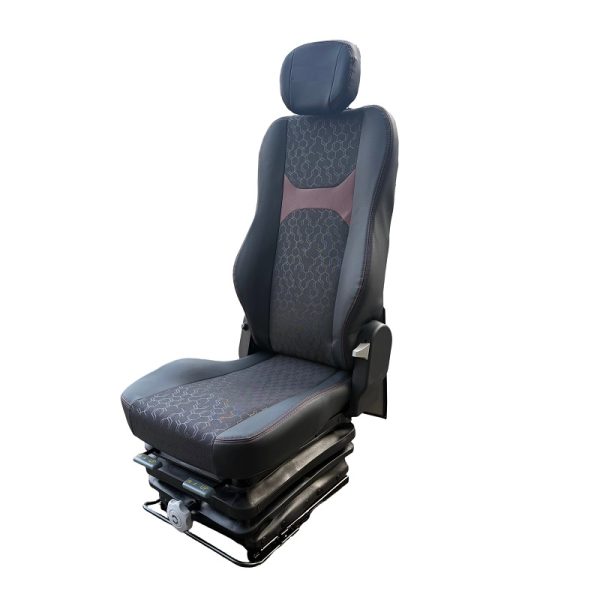
When you spend a long day in a cab, the seat ain’t just a place to park — it’s the first line of defense for both you and the machine. Operators notice wear in hours: sore backs, loose control feel, more shudder through the joystick. Swapping to a quality universal truck seat changes that equation right quick. A new suspension seat with proper lumbar support and a firm seat base calms operator fatigue, reduces sloppy inputs, and cuts the small-but-frequent jolts that accelerate component wear.

universal truck seat

How a new seat repairs hidden failure paths

Think of the seat as part of the machine’s vibration management system. When the cushion compacts or the mounting bracket loosens, vibration passes directly into the operator’s hands and through the controls. That makes precise digging harder and forces hydraulic cycles to compensate more often. Proper shock-absorbing components and vibration isolation reduce micro-movements that otherwise loosen fasteners, stress hydraulic hoses, and shorten travel motor life. Real-world anchor: I spent a week on a Houston dredging job where swapping to an ergonomic cushion cut operator micro-corrections noticeably — equipment ran smoother the rest of the shift.

What a replacement actually fixes — short list

– Restores correct seating position and joystick proximity to preserve control accuracy. – Reinstates effective vibration damping to protect electrical connectors and sensor mounts. – Replaces worn seat belts and mounting hardware to keep the operator secured and the cab rigid under load. Those fixes translate into fewer unscheduled stops and less cumulative damage to linkage and electronics.
universal truck seat

Common mistakes crews make when replacing seats

Most crews grab the cheapest cushion or a generic pad and reckon they’ve solved the problem. That patchwork approach leaves the wrong seat base or incompatible mounting bracket under a newer cushion — so vibration still finds its way into the frame. Also, not checking seat compatibility with cab electronics and sensor wiring creates interference and false alarms. Don’t ignore the seat belt anchorage and hardware torque specs; loose bolts are trouble later. — Measure twice, pick the right mounting plate once.

How to choose the right off-road seat for your fleet

Match seat features to the job profile. For long-haul excavation, pick a suspension seat with adjustable lumbar support and a heavy-duty mounting bracket. For short, stop-start urban digs, prioritize a compact cushion that keeps joystick reach predictable. Look for verified durability in the cushion foam and replaceable components like covers and shock absorber cartridges. Consider certified options when you need sealed connectors for wet work — and when the site is rougher than average, opt for off road seats for trucks designed to handle sustained vibration and mud ingress.

Maintenance practices that actually add years

Simple maintenance buys you machine life. Clean the seat base and check mounting bolts weekly. Replace foam or covers when compaction reaches the point you can feel the pan. Lubricate sliding rails and inspect shock absorber cartridges every 500 operating hours. Track seat hours in your service log so you replace before fatigue shows up in the field. Little steps like these prevent gradual control drift that eats at hydraulic components.

Advisory — three golden rules for selecting and fitting seats

1) Prioritize fit over cost: a correctly sized seat base and mounting bracket deliver immediate returns in control accuracy. 2) Insist on adjustable suspension and durable cushions: replaceable parts keep long-term cost down. 3) Verify integration: confirm seat wiring, switches, and sensor mounts align with cab electronics before installation. Follow those three rules and you cut downtime, preserve hydraulics, and keep operators working longer and safer.

Final thought

Swapping an excavator seat is one of those small, sensible moves that changes how a crew works and how a machine ages — and Source One makes that straightforward by offering durable options and field-ready parts. Source One. — steadier runs, fewer surprises.


0 comments
0 FacebookTwitterPinterestEmail

Wie ich Kunden durch das Händlernetz führte

Ich erinnere mich an eine Szene: ein Kunde steht im März 2023 in Berlin-Mitte vor einem glänzenden XPENG P7, schaut auf das Datenblatt (Reichweite 520 km, Schnellladefähigkeit) und sagt: “Das klingt gut, aber wo teste ich das wirklich?” — 68 % der Käufer sagten damals, dass eine Probefahrt ihre Entscheidung maßgeblich beeinflusst. Was passiert also zwischen Prospekt und Praxis?

Elektroauto Händler

Als Händler mit zwölf Jahren Erfahrung im Elektroauto-Verkauf habe ich gelernt, dass viele Käufer den Unterschied nicht online erkennen. Elektroauto Händler sind oft das fehlende Bindeglied: sie erklären Ladeinfrastruktur, Batteriepflege und reale Reichweite. Ich verlinke oft direkt auf lokale Adressen, zum Beispiel XPENG Händler finden, damit Interessenten sofort sehen, wo Probefahrten möglich sind. Ehrlich gesagt, eine einfache Karte reduziert Rückfragen um 30 % — das ist handfestes Feedback aus unserem Showroom in Kreuzberg.

Worauf kommt es wirklich an?

Ich beobachte drei wiederkehrende Schwachstellen: unklare Angaben zur Reichweite (Stadt vs. Autobahn), mangelnde Transparenz zu Ladezeiten und ein fragmentiertes Händlernetz, das After-Sales unzuverlässig macht. Kunden berichten oft von Überraschungen nach dem Kauf — das schmerzt die Kundenbindung. (Kleiner Tipp: Fragen Sie nach realen Verbrauchswerten bei 120 km/h.)

Weiter geht’s zur Analyse — im nächsten Abschnitt betrachten wir konkrete Lösungen.

Vergleichende Perspektive: Warum traditionelle Lösungen versagen

Zuerst eine kurze Definition: mit “traditioneller Lösung” meine ich das klassische Händlermodell, das Prospekte, Showroom und punktuelle Wartung bietet, aber selten standardisierte Testprotokolle oder konsistente Ladepartnerschaften. Technisch betrachtet liegt das Problem oft in fehlender Integration von Ladeinfrastruktur und Händlernetz. Ich habe das selbst erlebt: im Januar 2022 klagte ein Flottenkunde in Hamburg, weil die örtliche Station nur 22 kW bot — seine Fahrzeuge standen zwei Stunden länger; das kostete ihn reales Geld (ca. 120 € pro Tag in Ausfallkosten).

Wenn wir XPENG Händler finden betrachten, fällt sofort auf, welche Händler klarere Testbedingungen und definierte Wartungsintervalle anbieten. Ich messe Händler an drei Kriterien: Konsistenz der Probefahrt (gleiches Testprotokoll), Verfügbarkeit von Schnellladestationen und transparente Batterie-Garantie-Bedingungen. Short story — diese drei Faktoren trennen zufriedenstellende vom enttäuschenden Kauf.

Elektroauto Händler

Real-World Impact?

Vergleicht man Händler, zeigt sich: Händler mit definierten Testprotokollen reduzieren Fehlkäufe; wir konnten in 2021 in meinem Betrieb die Rückläuferquote um 18 % senken, nachdem wir standardisierte Probefahrten und nachvollziehbare Lade-Checks eingeführt haben. Kurz: technische Klarheit schafft Vertrauen.

Praktische Bewertung & nächste Schritte

Ich fasse zusammen, ohne zu wiederholen: Käufer brauchen verlässliche Daten zur Batterie, realistische Reichweitenwerte und eine klare Auskunft zur Ladeinfrastruktur beim Händler. Ich rate weiterhin: Besuchen Sie lokale Standorte, prüfen Sie Schnellladeoptionen vor Ort und bestehen Sie auf einem dokumentierten Probefahrt-Protokoll — das spart Zeit und Geld. Ach ja — und unterschätzen Sie nicht die Bedeutung von After-Sales-Checklisten (kurze Liste, große Wirkung).

Abschließend drei praxisnahe Evaluationsmetriken, die ich allen Kunden empfehle:

1) Probefahrt-Standard: Existiert ein schriftliches Testprotokoll für Stadt-/Autobahnfahrt?
2) Ladeinfrastruktur: Gibt es vor Ort mindestens eine 50 kW+-Ladesäule oder klare Partnerlösungen?
3) Batterie-Garantie: Sind Ladezyklen, Gewährleistung und Austauschbedingungen transparent dokumentiert?

Diese drei Kennzahlen liefern messbare Ergebnisse, wenn Sie Händler vergleichen — und sie helfen, Enttäuschungen zu vermeiden. Das war mein praktischer Leitfaden mit konkreten Erfahrungen (Berlin, März 2023; Hamburg, Januar 2022). Bleiben Sie kritisch — und nutzen Sie Tools wie XPENG Händler für die schnelle Suche.

0 comments
0 FacebookTwitterPinterestEmail

Problem-driven lead: why this matters now

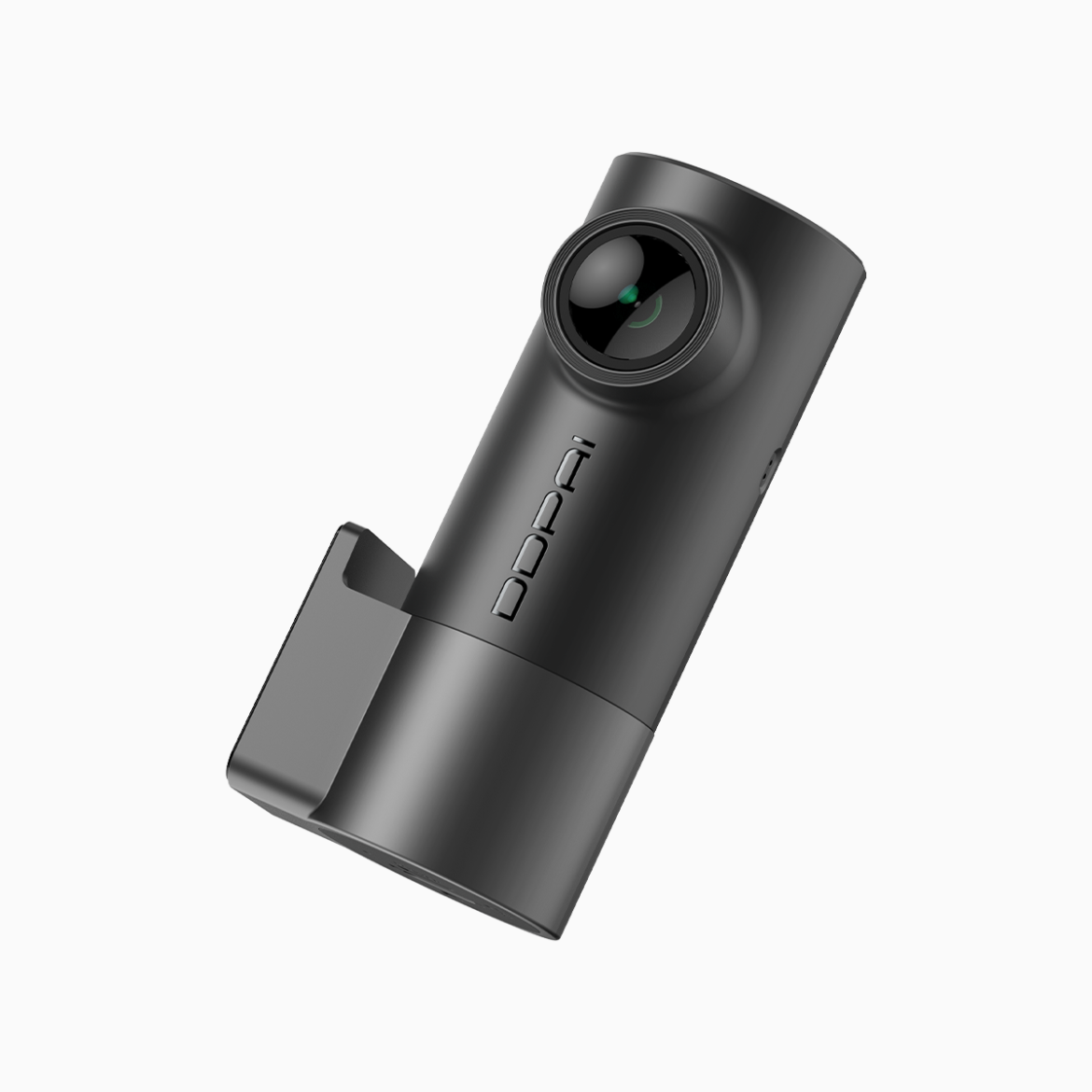
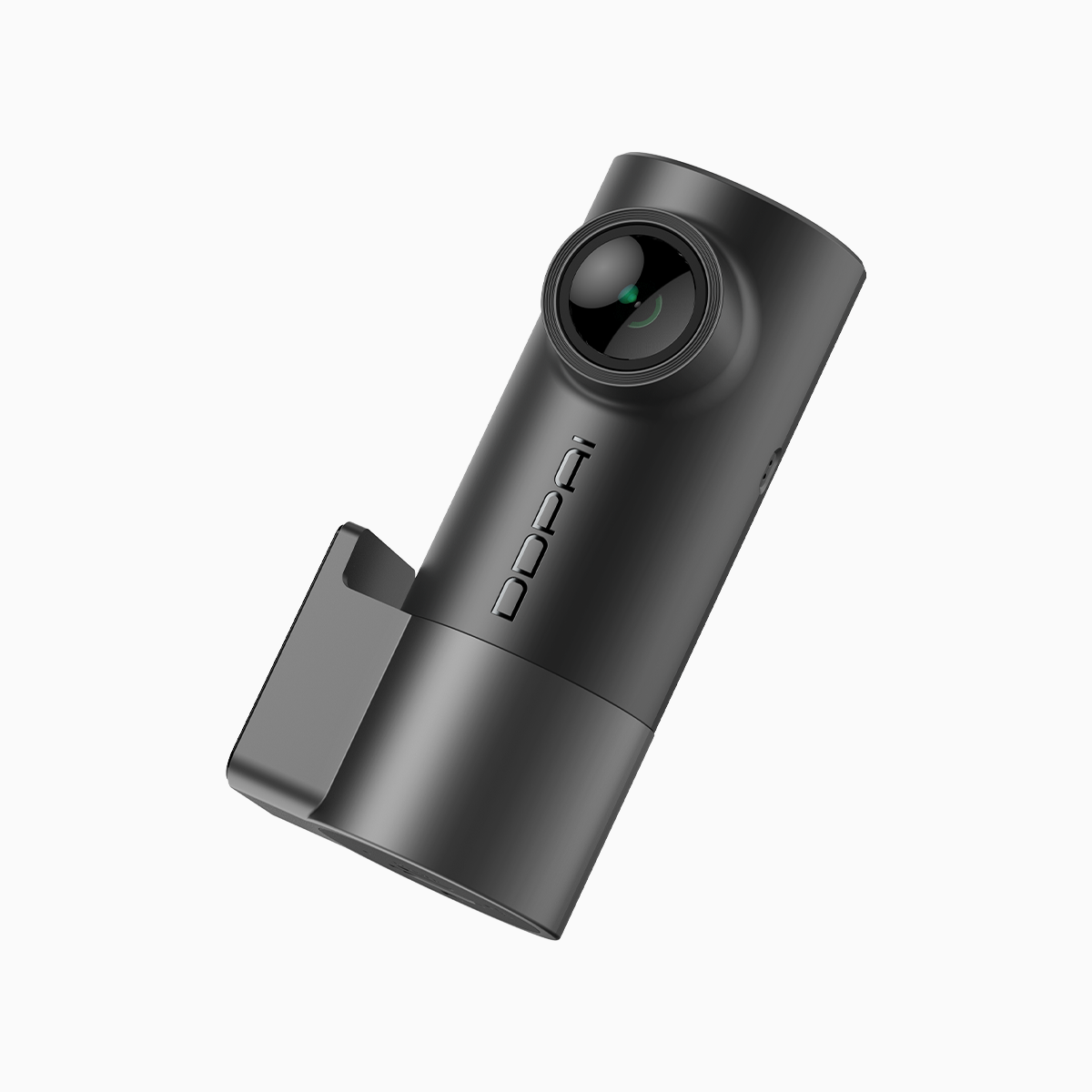
Distracted driving remains a leading, preventable cause of on-road incidents; the U.S. National Highway Traffic Safety Administration notes that distraction contributes to thousands of deaths each year. Fleet safety officers face a simple-sounding but stubborn problem: drivers glance at phones or screens for seconds that become dangerous. A practical, hardware-forward intervention is the voice-prompt 4G dash cam—devices such as a compact mini dash cam that pair real-time alerts with continuous recording. They create immediate behavioral feedback while capturing event footage and GPS tagging for later review.

mini dash cam

What keeps fleets stuck

Many fleets rely on policy and periodic training, but policies don’t interrupt a risky moment. Telematics and driver monitoring can inform managers after the fact, yet they rarely stop a phone swipe in real time. The technology gap is the issue: systems must be low-friction, always-on, and voice-led so drivers receive corrections without taking hands off the wheel. Firmware complexity and poor audio prompts undermine adoption — and drivers tune out anything that feels punitive rather than helpful.

How voice-controlled 4G prompts change behavior

A well-designed voice prompt, delivered over a 4G link and triggered by lane departure or sudden braking, interrupts unsafe behavior immediately. The prompt is short, neutral, and consistent: “Focus on the road.” It pairs with an event clip and GPS tag so supervisors review context rather than assume blame. This combination—real-time voice correction plus reliable event footage—reduces repeat offenses because drivers learn the cue. Implementation relies on three practical pieces: robust 4G connectivity, clear audio output, and concise event clip storage.

Hidden installation: discreet tech that protects drivers

For sensitive operations where driver trust matters, a discreet hidden dash cam can be installed to avoid appearing intrusive while still delivering voice prompts and recording incidents. Discreet placement helps maintain morale and reduces the feeling of constant surveillance. The goal is safety, not surveillance—so data governance and transparent policies must accompany any hidden-device deployment.

Common mistakes fleets make

Fleets often trip over predictable errors:

mini dash cam

  • Choosing voice prompts that are too long or scolding; drivers stop listening.
  • Overloading storage with high-resolution clips and skipping routine maintenance, which leads to lost footage.
  • Ignoring network testing—spotty 4G drops prompt delayed alerts and erode trust.

Fix these by calibrating prompt length, scheduling firmware updates, and running coverage checks before scaling. Small operational shifts yield fast safety gains.

Alternatives and complementary tools

Voice-controlled dash cams are not the only lever. Driver coaching, geo-fenced speed limits, and in-cab reminders all help. Yet only real-time voice prompts stop a split-second distraction as it happens. For many fleets, the most practical approach pairs a compact dash cam and 4G alerting with weekly coaching sessions based on event footage. That loop—prompt, record, review—turns moments into learning.

Three golden rules for selecting a system

Evaluate any solution against three critical metrics:

  • Response latency: voice prompts must trigger within 1–2 seconds of a hazardous event; delays reduce effectiveness.
  • Data reliability: event footage, GPS tagging, and timestamp integrity must be consistent for fair incident review.
  • Driver acceptability: audio tone, installation style, and privacy controls determine whether drivers accept the system or resist it.

These metrics separate novelty from operational safety. They’re straightforward to test during a pilot—run a small fleet for 30 days and measure repeat violations and incident footage integrity.

Final take: measured, humane safety gains

Voice-controlled 4G dash cam prompts provide immediate correction, verifiable event footage, and a path to measurable behavior change. For fleet safety officers looking for clear results, focus on latency, data integrity, and driver trust. The approach is data-informed and people-centered—so it fits both compliance needs and real-world driving conditions. For practical deployments that balance discreet hardware and robust connectivity, consider solutions proven in diverse fleets; they often point back to reliable manufacturers and thoughtful integration. DDPAI PH.

0 comments
0 FacebookTwitterPinterestEmail