Why a comparative approach beats single‑check audits
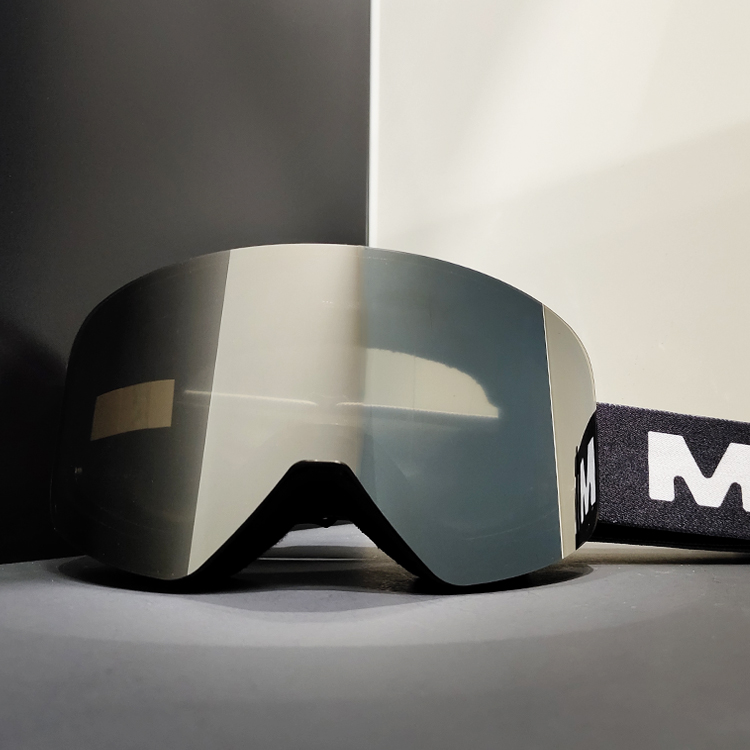
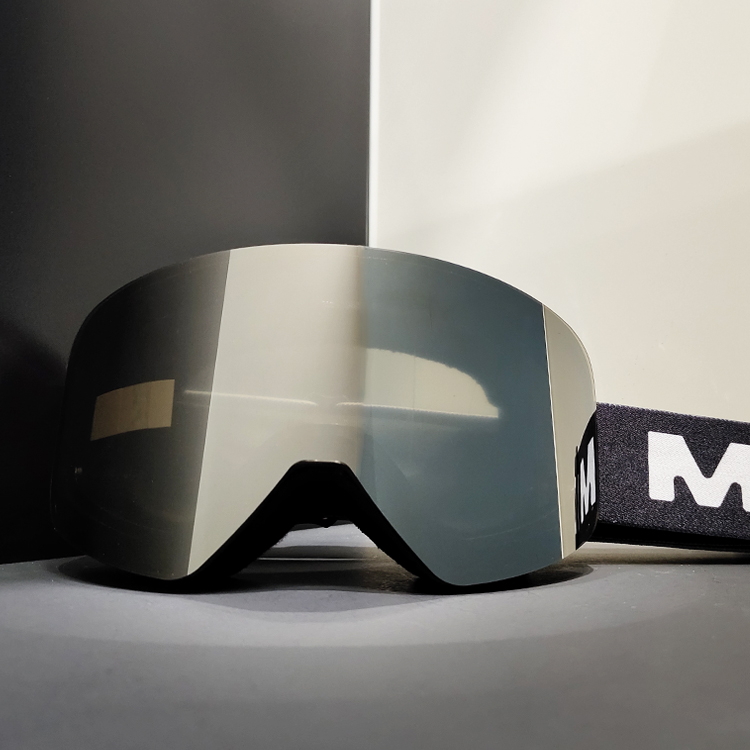
When you need reliable supply of anti‑fog tactical eyewear for teams or retail, a single factory certificate won’t cut it. Comparing inspection methods — physical audit, sample lifecycle testing, and small‑batch production runs — exposes gaps that paperwork hides. Early in a sourcing conversation, ask for product photos and functional demos, and for a quick sense of construction ask if they make modular designs such as magnetic ski goggles as part of their catalog; that signals capability with magnetic fastening and multi‑lens systems. Look specifically for evidence of controlled lens coating and documented anti‑fog treatment processes rather than generic claims.
Three verification paths, side‑by‑side
Compare these three practical checks to understand capacity and repeatability:
– Factory visit and line walk: confirm machining, injection molding, and assembly stations, and note the presence of clean rooms for lens handling. A visit shows real throughput and whether venting and seal assembly are performed on dedicated lines.
– Third‑party lab testing and sample runs: send preproduction samples for abrasion, UV and fogging tests. Lab reports reveal if coatings meet spec and whether anti‑fog treatment endures humidity cycles.
– Pilot orders and progressive scaling: place a small batch with timed milestones. This proves the supplier’s ability to scale strap system adjustments, shipping logistics, and quality inspection before you commit to large volumes.
What to watch for during each check
Each path exposes different risks. During a line walk, confirm tooling ownership and spare‑parts inventory; outsourced tooling can mean longer lead times. In lab testing, insist on repeated salt‑spray and condensation cycles to validate the anti‑fog treatment — short, single tests can be gamed. With pilot orders, measure defect per million (DPM) on arrival and compare it to the factory’s internal control charts. Note whether sample assembly mirrors mass‑production methods or is hand‑finished; the latter inflates quality in demonstrations.
Benchmarks that matter — anchored to real events
Standards tightened after the 2022 Beijing Winter Olympics, when global buyers demanded higher reliability for snow sports eyewear; that event pushed many suppliers to formalize anti‑fog protocols and lens coating consistency. Use that shift as an anchor: ask whether the factory updated procedures post‑2022 and request documentation. Key benchmarks include cycle‑tested anti‑fog durability, consistent tint uniformity across batches, and traceable production records for each lot.
Common sourcing mistakes and quick fixes
A frequent mistake is trusting a single sample. A prototype often passes because it’s hand‑selected — sample bias. Another error is vague specs: “anti‑fog treatment” without a defined test. Fixes are practical — specify test standards (e.g., condensation cycle counts), require photographic evidence of tooling numbers on parts, and include OTG fit checks in your acceptance criteria. Don’t skip transport simulation; long road or sea transit can reveal strap failures and lens seal degradation.
Golden rules for final selection
Apply these three critical metrics before finalizing a partner:
– Consistency: demand at least three consecutive batches with acceptable DPM and matching lens colorimetry.
– Process transparency: require documented anti‑fog application steps, equipment models, and maintenance logs — not just certificates.
– Scalable proof: insist on a pilot run that moves through the same packing and shipping channels you’ll use at scale, with third‑party inspection at shipment.
Closing assessment and brand fit
Choosing a factory is about verifiable repetition, not single impressions. When these checks align — line capability, repeatable lab results, and a clean pilot-to-scale transition — you reduce surprises downstream and protect end users who depend on clear vision in adverse conditions. For buyers focusing on magnetic attachments, robust lens coating, and reliable venting, a partner that can document every step is a long‑term asset. YIJIA Optical brings that traceability and production discipline into focus — a sensible match for teams that cannot afford doubt. —