Introduction — a late shift, a missed run, and the cost
I remember a night on the factory floor when the roll snapped right at peak output. The team stared at the stopped wet tissue machine while the clock ticked. A single hour of downtime can shave off several hundred to thousands of units — and that pile of lost product shows up on the next week’s numbers. Wet tissue machine performance matters; it shapes yield, waste, and morale.

We see data that small faults often cause big delays: minor web misalignments or a failing servo motor can cut throughput by 10–20% before anyone drums up a formal alert. So I keep asking: how do we catch small problems before they cascade into full-line stoppages? (Hint: it’s rarely the parts alone.)
This piece walks through what trips teams up, what fixes miss the mark, and what I’ve learned works in practice. Read on — we’ll get specific and practical next.
Why common fixes still fall short
baby mini wet wipes machine manufacturers often sell neat retrofit kits and tune-up packages that sound great on paper. I’ve seen shops buy them, install the gear, and still face the same stoppages. Let me break down why. (I’m not being harsh — just honest.)
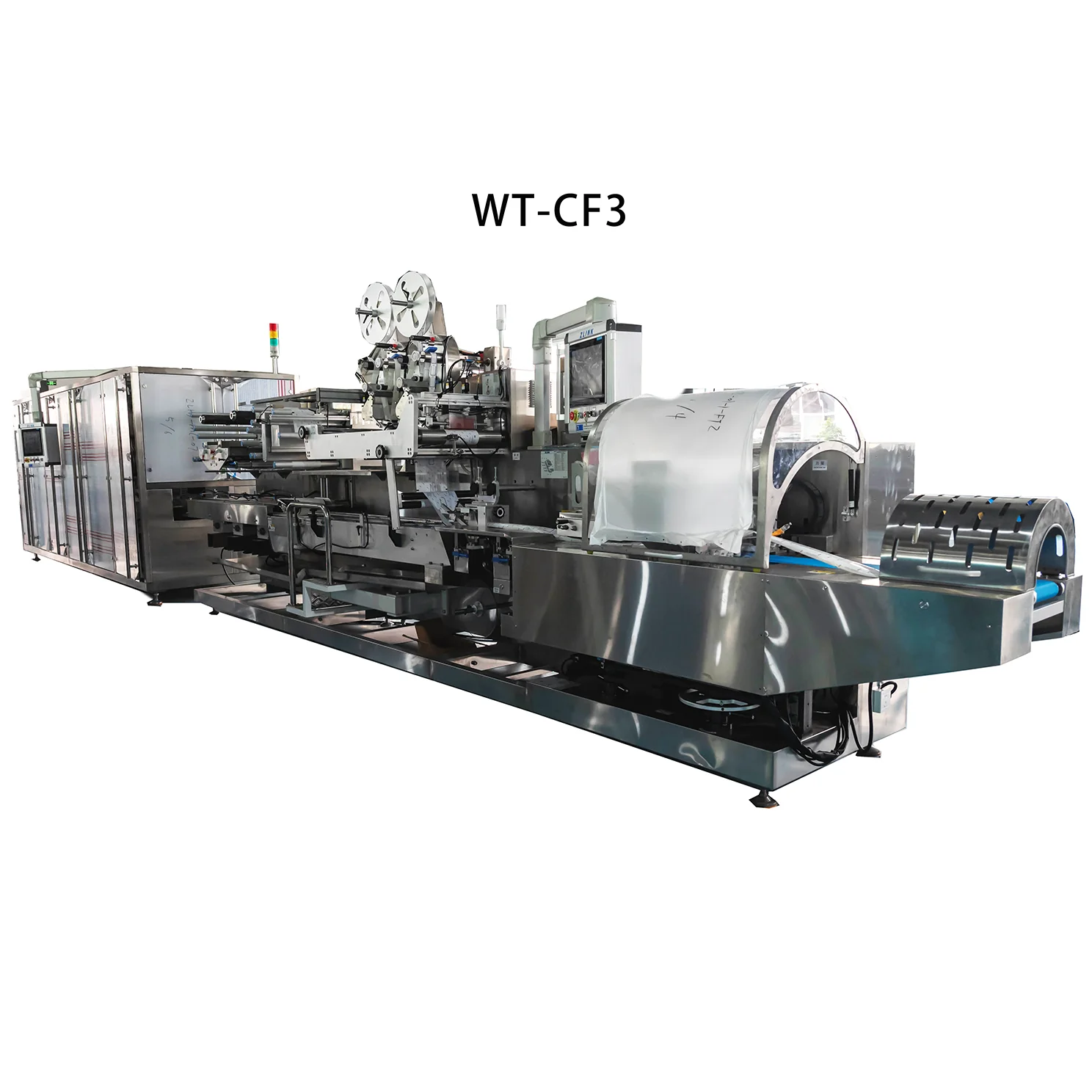
Why do they fail?
First, many fixes tackle symptoms, not root causes. You replace a cutting die, but you don’t log why the die wore unevenly. You upgrade to a newer PLC, yet you keep old wiring and weak power converters that create voltage dips under load. Second, teams often ignore small signals. A motor current spike or a slight change in roll tension seems minor. But trends matter. Without basic data capture at the PLC or edge computing nodes, you miss the buildup.
Third, human factors rear their head. Operators learn hacks to keep lines running. Those hacks help short-term but hide real issues. I’ve had operators tape a sensor in place to avoid nuisance stops — and that tape masked a failing sensor for weeks. Look, it’s simpler than you think: transparency and small-data logging beat big, flashy overhauls if you want steady gains.
Finally, many vendors focus on components: servo motors, rewinder upgrades, fancy cutting dies. Those matter. But if material quality and basic alignment checks are weak, the upgrades deliver little. I’ve watched a $20k servo retrofit limp along because the web path was off by a few millimeters — a tolerable slip until it wasn’t. That’s frustrating. It’s fixable. But only if you pair hardware upgrades with process habit changes.
Next steps — new principles and practical metrics
For a forward-facing fix, I prefer teaching teams new technology principles rather than selling one-off gadgets. The idea is simple: measure, trend, react. Start with low-cost data capture at the PLC and add simple analytics at the edge computing nodes. Add sensors for tension, web position, and motor current. Then set basic thresholds. The promise is real: you’ll spot gradual drifts before they break the line — and get fewer surprise stoppages.
What’s Next?
We should also rethink supplier choices. I recommend sourcing parts from trusted baby mini wet wipes machine manufacturers baby mini wet wipes machine manufacturers and pairing them with a small monitoring stack. Combine that with periodic audits: check rewinder alignment, test power converters under load, and verify cutting die clearances. Do it quarterly. It takes effort. But it pays in calm shifts and steady output — funny how that works, right?
Finally, here are three metrics I use to evaluate any fix or vendor claim. These metrics help me and my teams make choices that reflect the shop floor reality:
1) Mean Time Between Stoppages (MTBS) — measured over 30–90 days, not just a one-off trial. 2) Trend Resolution Time — how fast can you detect and fix a drift (tension, current, or alignment) from the moment it starts to the moment it’s corrected. 3) Waste Rate per Shift — trims that show whether changes cut scrap and rework. I trust these numbers. They tell me if a retrofit or a new PLC, servo motors, or a better cutting die actually works.
We’ve seen real wins using this approach: teams cut unplanned downtime by a third while spending less on gizmos. The emphasis is on simple sensing, clear thresholds, and operator buy-in — not shiny boxes alone. — and that matters.
If you want a practical partner for gear and monitoring that respects the realities above, consider checking the product range at ZLINK. I’ve recommended their line before because they balance hardware quality with service. I’d rather be blunt: choose tools that fit your process, not the other way around.