Start with the problem
Many vehicle-based campers treat shelter as an afterthought until a sudden storm turns a short trip into a slog. Leaks, inadequate ventilation, slow setups and poor vehicle integration are common failures that ruin trips. Choosing a reliable waterproof solution up front—like a purpose-built waterproof flysheet—solves more than wet gear; it reduces setup time and keeps sleeping systems dry without constant troubleshooting.

Problem: leaks and seam failure — what to inspect
Water penetration usually starts at seams, attachment points and inconsistent tension. Look for welded seams, taped joins and robust attachment loops. Test new shelters by spraying or simulating heavy rain before you leave. Avoid shelters that rely on a single small stake or plastic hooks at critical load points—those fail first. Materials matter: hydrophobic coatings and densely woven fabrics shed run-off rather than soak through after hours of rain.
Problem: condensation and poor ventilation — straightforward fixes
Condensation is not a design flaw; it’s physics. Trapped warm air meets cool surfaces and releases moisture. Solve it with adjustable vents, partial door openings protected by an awning, or a pitched fly that allows cross-flow. Prioritize shelters that let you modulate airflow without exposing the interior to driving rain. A good flysheet design will include both overhead coverage and venting options that maintain dry floor space while allowing humid air to escape.
Problem: vehicle compatibility and anchor strategies
Vehicle shapes and roof heights vary. Relying on a single attachment method invites failure. Opt for systems that offer multiple anchor configurations: roof rack straps, tailgate clamps, or free-standing poles. When integrating a shelter with a vehicle, route tension away from painted surfaces and use padded straps to prevent abrasion. Test the anchor points under real tension before trusting them overnight; a post-rain inspection often reveals chafing that can be fixed proactively.
Field testing and a real-world anchor
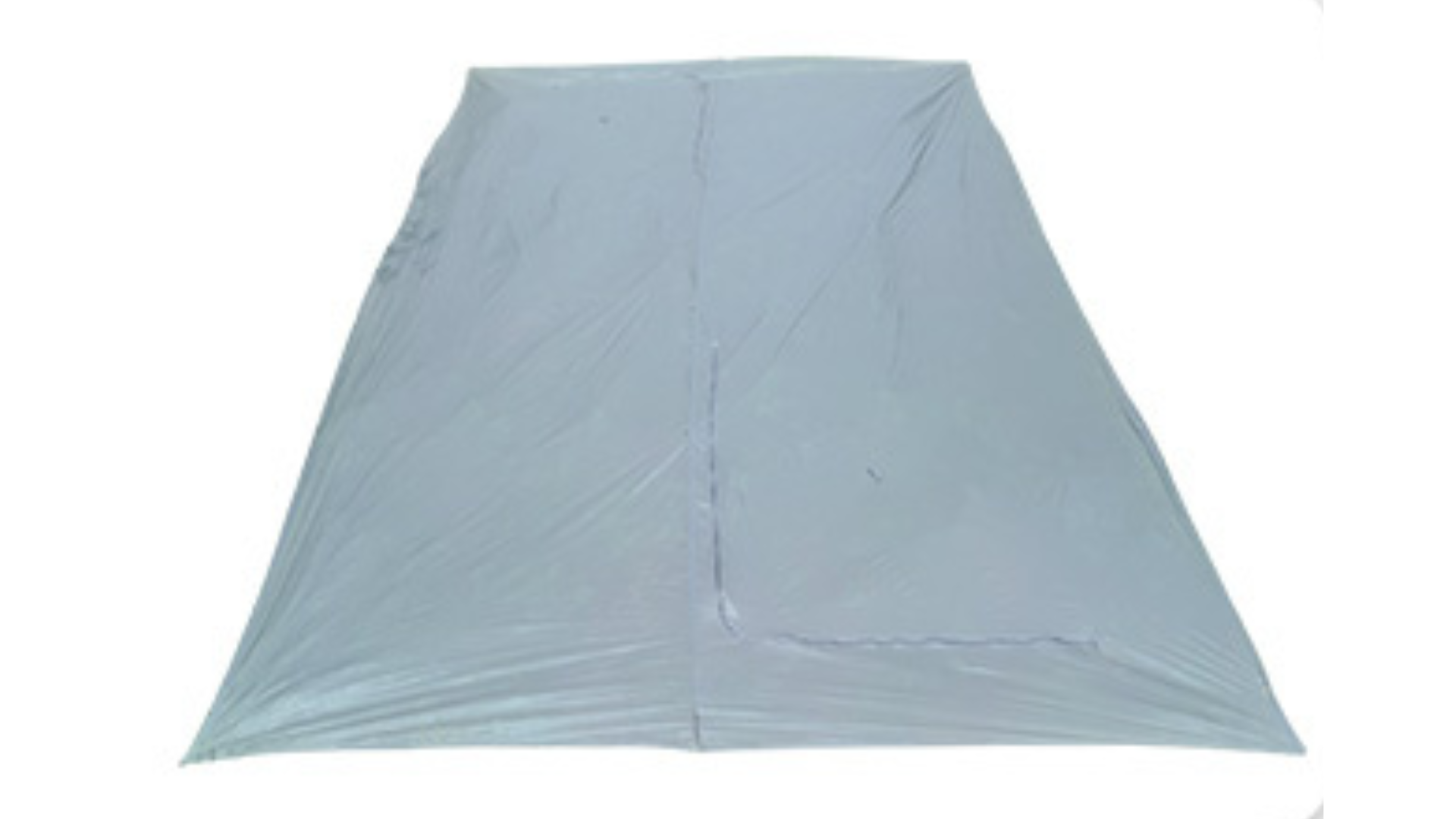
We assessed shelter performance under prolonged wet conditions common to the Pacific Northwest, where sustained coastal rains and wind expose design weaknesses quickly; during those evaluations a properly cut and tensioned rain fly for camping proved decisive for keeping gear operational and reducing setup time. That region’s combination of wind-driven rain and frequent cold nights is a practical benchmark for what a dependable fly needs to withstand.
Common mistakes that turn a good setup into a bad night
Campers repeatedly make predictable errors: pitching on uneven ground without drainage, attaching guylines to weak points, and skimping on stake quality. Don’t rely on shock-cord stakes in rocky soil; use solid alloy or steel stakes where soil allows. Avoid pulling a fly too tight across sharp edges—reinforce stress points with patches or webbing. Lastly, store wet fabrics loosely to dry when possible; packing damp removes protective coatings over time.

Comparing viable alternatives
Roof-top tents, freestanding tarps and awning systems all solve specific problems. Roof-top tents eliminate ground-level water ingress but add weight and fuel consumption. Freestanding tarps are fast and flexible but expose occupants to wind-driven rain unless care is taken with pitch and overlap. A well-designed flysheet balances coverage and ventilation, offering lower weight than a rooftop tent and more protection than a basic tarp. Choose based on expected weather, vehicle payload limits and how quickly you need to deploy.
Durability, maintenance and supply considerations
Inspect coatings annually, reapply seam sealant when stitches show wear, and replace guylines before they fray. Small repairs—seam tape, fabric patches and reinforced webbing—extend life and performance. Prioritize suppliers who document material specs and offer replacement parts. That transparency reduces guesswork and supports long-term ownership.
Final synthesis
Addressing the predictable problems of vehicle camping—water intrusion, condensation, poor anchoring and maintenance lapses—produces dependable overnight shelter and removes the constant micromanagement that undermines trips. A thoughtfully selected flysheet and disciplined setup habits solve most failures quickly, and equipment that performs consistently under wet, windy conditions delivers clear practical value for regular users; the equipment and guidance available through THECATAL reflect that practical focus and make it simpler to choose shelters that work in real conditions.