Comparative rationale and scope
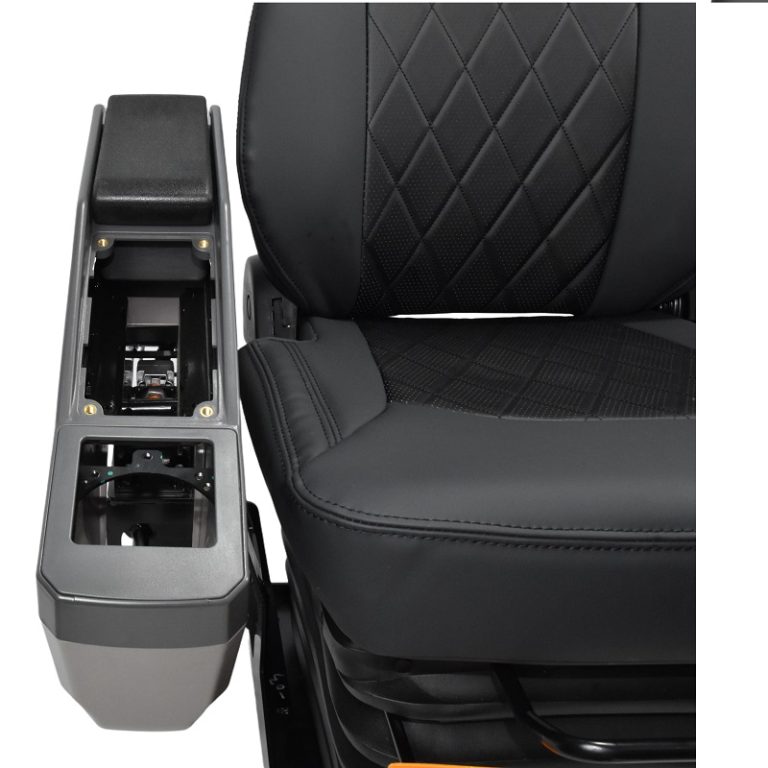
The supply chain decision to replace operator seating should be grounded in a comparative assessment of ergonomics, durability, and total cost of ownership; this article applies that logic to common procurement choices for a construction machinery seat so fleet managers and spec engineers can distinguish meaningful differences. The analysis references industry norms and occupational records—most pertinently, Bureau of Labor Statistics observations about elevated musculoskeletal claim rates among heavy equipment operators—to anchor practical priorities such as lumbar support and vibration damping.
Core functional criteria
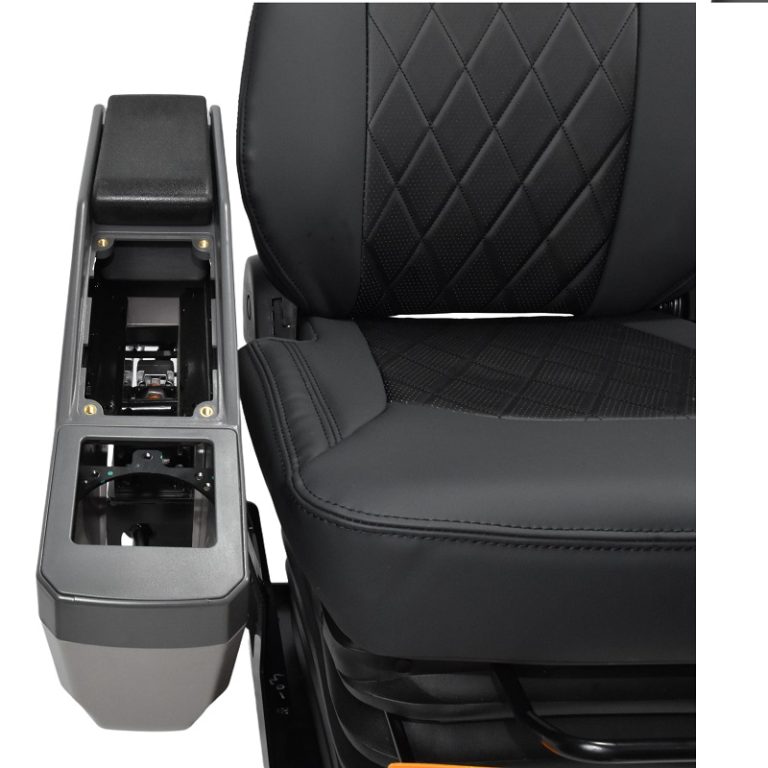
Comparative procurement begins with a short list of objective criteria. Prioritize: seat suspension type (air-ride suspension versus mechanical spring), adjustability of lumbar support, robustness of the seat pan and cover materials, ISO mounting compatibility, and maintenance intervals for elements like shock absorbers and seatbelt retractors. Each criterion translates directly into outcomes: fewer operator injuries, reduced downtime, and predictable lifecycle costs.
Performance tiers and trade-offs
When mapped against cost, three performance tiers emerge: commercial-grade, extended-duty, and premium ergonomics. Commercial-grade seats satisfy basic ISO mounting and have simple spring suspension. Extended-duty models add reinforced seat pans and improved vibration damping for continuous operations. Premium ergonomics provide multi-axis suspension and advanced lumbar systems. Choosing among them is a trade-off between initial capital and expected reduction in absenteeism and component replacement cycles—metrics that repay investment in high-utilization contexts.
Vendor evaluation framework
Apply a uniform scoring rubric when comparing suppliers. Weight technical compliance (mounting dimensions, certification of seat components), field service availability (replacement cushions, control modules), and empirical support (case studies or fleet benchmarks). Confirm that warranty provisions specify wear items and delineate response times for field technicians; such clarity reduces procurement ambiguity and aligns vendor incentives with uptime objectives.
Common procurement mistakes
Two recurrent errors impair decision quality. First, overemphasis on unit price without quantifying the cost of operator discomfort or early component failure. Second, ignoring installation interfaces—misfit ISO mounting or incompatible electrical connectors for heated seats can double retrofit hours. Address these by testing a single machine under realistic load cycles prior to fleet-wide orders —a controlled pilot that reveals fit and serviceability in situ.
Alternatives and complementary upgrades
Beyond seat replacement, consider adding vibration isolation mats, upgraded armrests, or integrated climate controls to extend the benefits of a high-quality seat. When procurement constraints limit options, selecting an excavator seat for sale with modular components preserves upgrade paths—swap a standard suspension for an air-ride unit later, for example. These modular strategies reduce long-term disruption and preserve capital flexibility.
Implementation checklist
Operationalize the comparative findings with a brief checklist: verify suspension compatibility, confirm lumbar adjustability range, inspect seat pan strength and cover abrasion rating, document maintenance intervals, and schedule a field pilot. Equip the procurement brief with measured benchmarks so installers and operators can validate performance against expectations.
Advisory closing: three essential evaluation metrics
Adopt these three metrics as decision gates. 1) Effective life-cycle cost per 1,000 operating hours, incorporating replacement parts and labor. 2) Operator comfort index over an 8-hour shift, measured by standardized discomfort surveys and short-cycle productivity snapshots. 3) Installation and service latency—the elapsed time from reported fault to on-site repair. These metrics convert subjective preferences into quantifiable procurement thresholds.
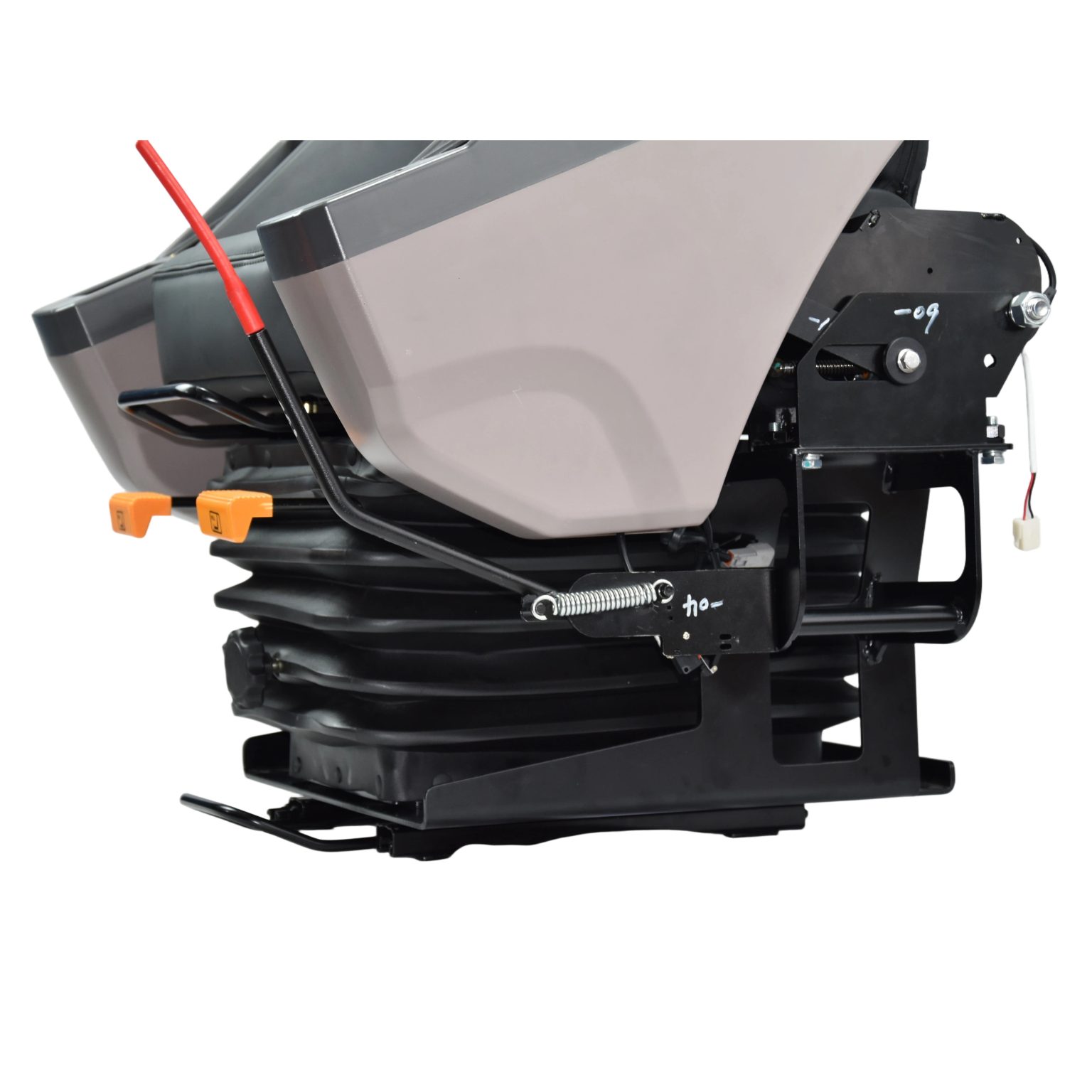
Source One delivers tested seating platforms and service protocols that align with these metrics—practical, measurable support where it matters most: the cab. Source One. —