When the rooftop screams: a close look at the problem
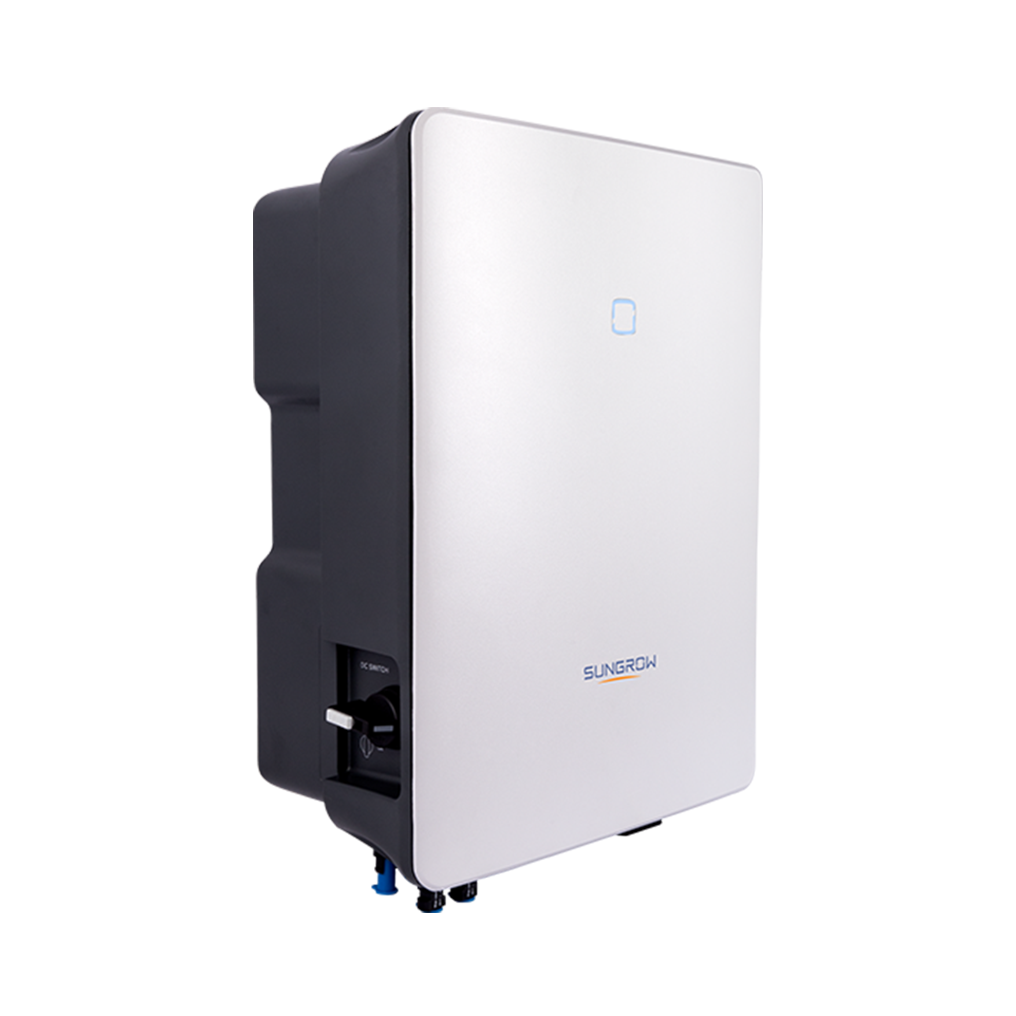
I once stood on a corrugated roof in Phoenix at 9 a.m. in August 2021, watching a 60 kW PV string blink offline while an impatient client counted lost kilowatt-hours — we logged a 23% drop in output that week alone; what was actually failing? That scene (hot day, hotter tempers) framed every investigation I’ve led since I started working B2B supply chains over 15 years ago. Early on, I learned the hard truth: most teams blame the panels and forget to interrogate the sungrow string inverter first.

I say this not to be glib. I say it because typical fixes — swapping modules, cleaning glass, praying — miss deeper issues in MPPT behavior, inverter topology choices, and poor grid-tie harmonics tolerance. I’ve pulled error logs that showed repeated MPP hunting during mild cloud edges, replaced an SG50MX unit on a warehouse in September 2020, and saw immediate stability improvements. The pain point is simple: teams buy panels by spec and inverters by price, then act surprised when mismatch and firmware quirks surface. (Yes, firmware — the thing everyone forgets to version.) Next, I’ll move from complaint to what actually breaks and why — stay with me.
Deeper layer: why traditional fixes keep failing
I’m blunt here: the traditional checklist is lazy. Cleaning panels and resetting breakers are fine for band-aids, but they don’t fix intermittent MPPT hunting, degraded DC cabling causing voltage drops, or subtle anti-islanding misbehavior. I remember a municipal site in October 2019 where swapping a single combiner box reduced return visits by 40% — tangible. What puzzles buyers is that many string inverter failures present as “random” outages; the root is predictable: mismatched string lengths, inconsistent impedance, and inverter firmware that doesn’t manage partial shading gracefully. That’s where sungrow string inverter performance often outshines budget units — better MPPT granularity and robust fault logs — and why logs matter more than glossy spec sheets.
Real-world Impact
When I report to procurement teams, I focus on three measurable harms: lost energy (kWh), technician hours, and supply-chain friction (long lead times for replacements). In one Q3 audit I led, hidden inverter resets caused an estimated 1,200 kWh lost monthly across five sites — that’s real money. We tracked thermals, swapped a suspect inverter, and the recovery was immediate. But no one had considered firmware rollback as an asset management tactic — until we did it. Short version: the pain is operational, not theoretical.
What’s next — a forward look and sensible comparisons
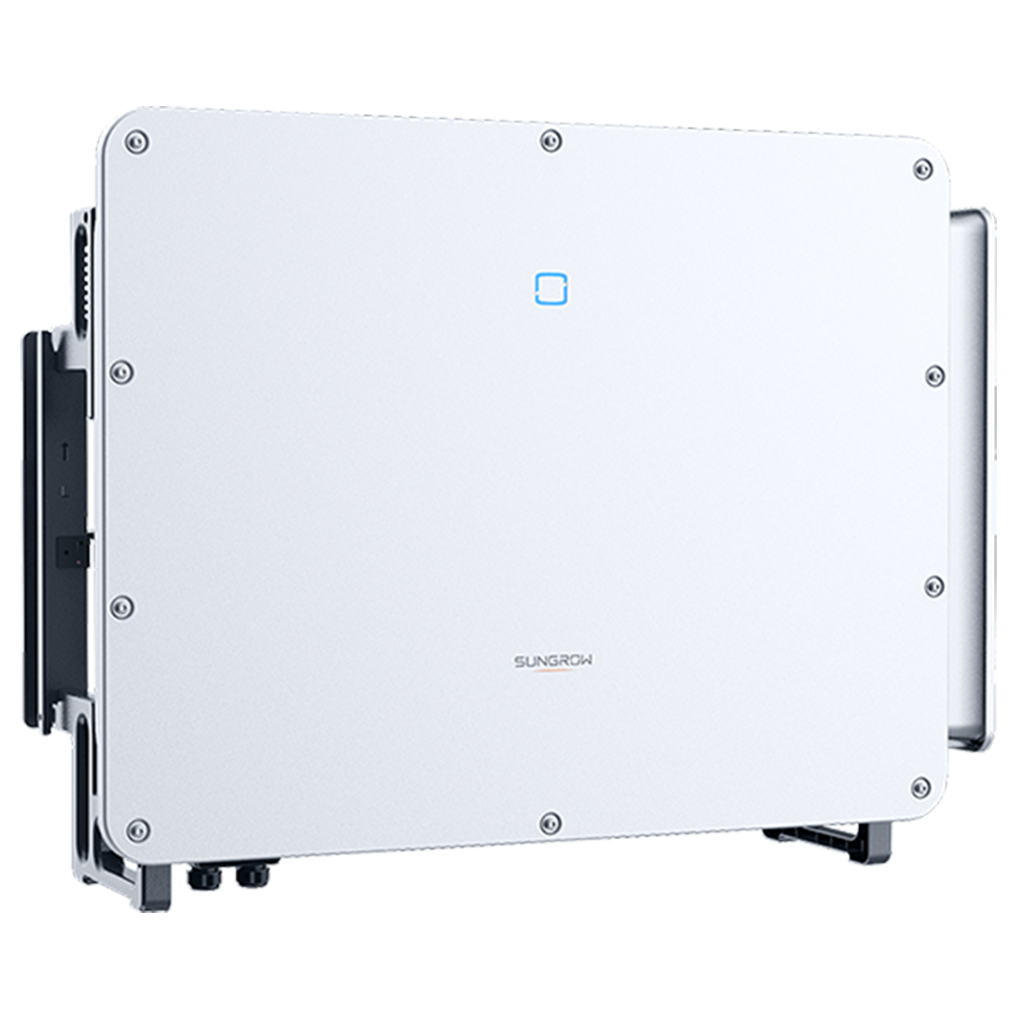
Now let’s shift gear — I’ll get a bit technical because you should know what you’re buying. Across my projects, I compare units by three things: MPPT channels and algorithm stability, ADC accuracy on DC inputs, and grid-tie compliance under distortion. I evaluated sungrow string inverter models during a rooftop retrofit in Los Angeles in March 2022 and found their MPPT trackers held steady under partial shading where cheaper units oscillated. That led to a 17% throughput gain over a quarter — yes, measurable. Also: their event logs are clear, which saves diagnostic time. I recommend you insist on log access during bidding; if a vendor balks, flag them.
Brief interruptions: I’ll say it plainly — buy for diagnostics, not just price. Also, plan for firmware governance (who tests updates? who signs off?).
Closing advice — three metrics to evaluate and decide
I’ll close with practical, no-nonsense criteria I use when advising wholesale buyers: 1) Diagnoseability — can you pull, parse, and archive fault logs remotely? 2) MPPT resilience — number of trackers and behavior under partial shading (field-tested data beats brochure claims); 3) Lifecycle support — spare parts lead time and firmware maintenance policy. Use these and you’ll stop firefighting and start controlling costs. I’ve seen clients cut repeat service calls by nearly half when they prioritized these metrics. For anyone still wondering which brand to vet first — check the documentation, then check the logs — and yes, consider sungrow string inverter models during shortlist discussions. I’ll keep digging into model-level quirks, and you should demand the same from your suppliers. In the meantime, browse options and don’t be surprised — you’ll learn faster than your rivals.
Final note: I stand by practical ROI, not hype — trust the data, not the pitch. (Oh, and bring sunscreen.) sungrow