Start with the rider and driver problems you actually face
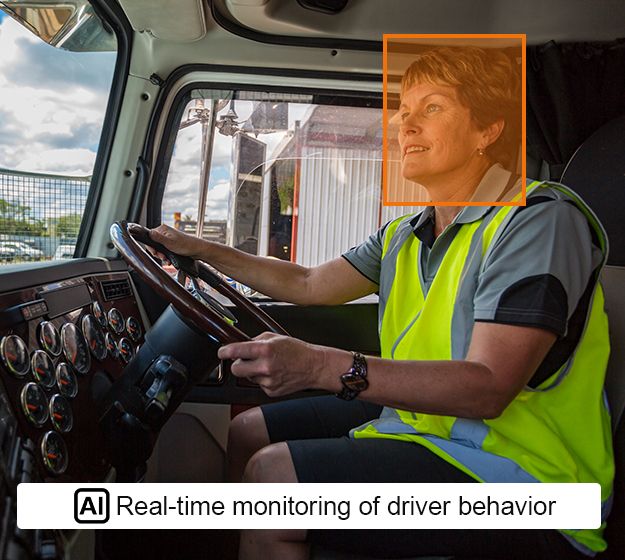
When you sit down to pick a telematics partner, begin by naming one real, recurring problem—late runs, unpredictable breakdowns, or driver fatigue—and work outward from there. Operators I talk with want something that fixes the day-to-day, so frame requirements around those outcomes and not product features. If your immediate need is centralized tracking and maintenance alerts for city buses, look at solutions built for bus fleet management rather than a generic vehicle tracker.

Features that matter to your team
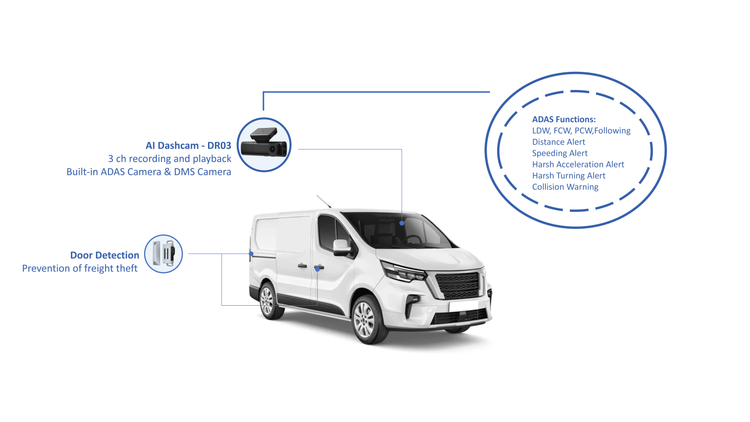
Focus on features that reduce workload and risk. Prioritize a short list and treat everything else as optional.- Real-time location and geofencing for operational visibility and on-time performance monitoring.- Predictive maintenance alerts tied to actual engine and subsystem data, not just mileage.- Simple driver-score reports and coachable alerts that your supervisors will use.- Open APIs and clean integrations so dispatch, fare systems, and schedule software talk to one another.- Robust data ownership and export options so you can keep control of your historical records.- Practical cybersecurity measures: role-based access, encrypted telemetry, and update policies.Ask whether the vendor can show you a live dashboard and a plain-language data schema before any procurement paperwork.
Day-to-day use cases to map to your workflows
Different teams use telematics in different ways; map the provider’s capabilities to each workflow.- Dispatchers: live ETAs, deviation alerts, and simple re-dispatch tools.- Maintenance: fault-code timelines, parts lead-time visibility, and automated work-order creation.- Safety: in-cab event tagging and coaching workflows that drivers will accept.- Planning: aggregated historical trip profiles for scheduling and route adjustments.For a municipal operator that runs a large network, a public transportation system needs telemetry that supports peak-period surge decisions and real-time passenger information without adding manual work to any team.
How to evaluate providers without getting lost in demos
Run a short pilot that reflects your most common shift pattern. Use a consistent checklist during demos:- Can we get raw data (not just dashboards) for 30 days?- What’s the onboarding time per vehicle and per depot?- Who owns the data and how is it exported?- What SLA covers uptime and data delivery latency?- Does the vendor provide training modules that drivers and mechanics will actually use?Use straightforward scoring: 1–5 for data access, ease of use, maintenance integration, cost predictability, and security. Favor providers that let you test for 30–60 days on a small subset of vehicles.
Pitfalls that trip teams up
Avoid common mistakes that turn pilots into sunk cost:- Buying a complex, expensive platform because it looks feature-rich, then not using 70% of it.- Accepting vendor dashboards as the only way to access data; that locks you in.- Skipping driver training and assuming alerts alone change behavior.- Neglecting integration testing with fare and scheduling systems until after rollout.These are practical missteps—fixable if you treat the pilot as a real operating period, not a slide deck exercise.
Comparing architectures and commercial models
Decide early whether you want cloud-native SaaS, an on-prem gateway, or a hybrid approach. Each has trade-offs:- SaaS: fast updates, lower upfront cost, but check data egress terms.- On-prem: control and lower latency for local processing, higher ops burden.- Hybrid: keeps sensitive data local while sending aggregated metrics to cloud services.Also compare pricing: per-vehicle per-month, per-feature add-ons, and professional services for integration. Look for predictable, capped costs during the first two years.
Small checklist to start a fair pilot
Before you press go, confirm these items:- A defined success metric (minutes improved on-time, % reduction in downtime).- A signed data-access agreement.- A train-the-trainer plan for drivers and mechanics.- A backout plan if integration creates operational friction.- A single point of contact on each side for day-to-day issues.Pilot with a mix of vehicle types and routes so you measure representative outcomes.
Bringing the choice back to everyday value
Pick the provider that your dispatchers and mechanics will use every morning. Look for clear data access, manageable onboarding, and features that solve one or two pressing problems well rather than many superficially. Cities with large networks—think of Transport for London (TfL)—rely on operational clarity first, advanced analytics second. When your checks are satisfied, the solution that meets those pragmatic needs reliably is the one that shifts your operations for the better, the kind of practical support organizations find in partners like BSJ.