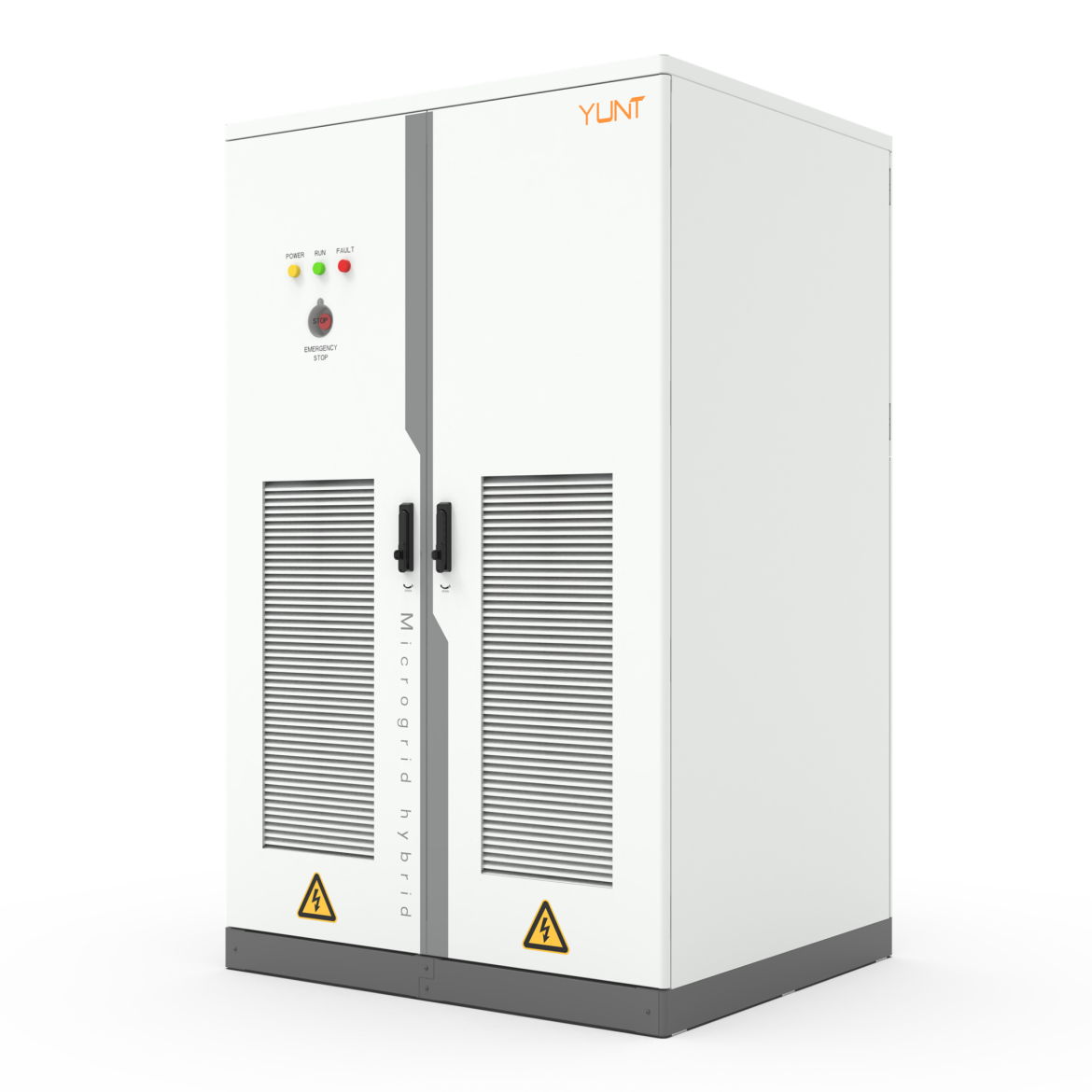
The problem on the street
Right, listen up — storage projects are sprouting like daisies but the balance-of-system bill keeps giving you the old two-pint. Front-end kit like a hybrid inverter gets the headlines, yet real cash drains hide in enclosure venting, HVAC upgrades, and permits. I’m speaking from on-site installs around California after the big wildfire seasons — that’s the real-world anchor — where crews learned quick that a tidy battery management system (BMS) and clear state-of-charge (SOC) rules don’t stop you from paying for retrofit venting or bespoke fire compartments.

Where the costs sneak in
Developers and integrators miss a few repeat offenders. They are:
– Mechanical venting area and ductwork for gaseous deflagration protection;
– Structural reinforcements and stormwater routing for larger enclosures;
– Active thermal management upgrades when standard modules overheat;
– Extended commissioning and witness testing pushed by AHJs. These items swamp the budget faster than you can say “dog and bone”. Notice the pattern: it’s not the cells or the inverter alone, it’s the surrounding design work — and the inverter still needs neat integration with the BMS and SOC controls to avoid surprises.
Verified design: how it trims the fat
Swap bespoke tinkering for verified, repeatable designs. That means factory-validated enclosures with pre-sized passive vent areas, thermal runaway mitigation already proven with module-level test data, and inverter–BMS integration tested on the bench. Schematics that match field conditions cut permit volleying and rework—so projects finish quicker and cleaner. Also, modular deployments let you size the plant with less custom civil work — fewer concrete pads, fewer bespoke cable runs. Simple wins, mate — and they stack up.
Practical vetting steps — don’t get mugged on specs
When you’re picking kit, run these checks: —
– Test evidence: get thermal-abuse and venting test reports tied to the exact module family and enclosure geometry; they must show the peak venting mass flow and the temperatures recorded during the event.
– Factory Acceptance: insist on witnessed bench tests that replicate the expected system SOC range and interlocks between the inverter, BMS, and fire control.
– Field track record: ask for recent installs in a climate like yours — installers in SoCal or Texas face similar heat and permitting challenges, so their data matters. Also confirm the inverter’s anti-islanding and grid ride-through behaviour under realistic SOC swings.
Common mistakes and how to dodge ’em
Folks often spec one-off vent sizes without modelling convective flows, or they forget how the inverter’s heat rejection stacks against enclosure vents. That double-whammy forces emergency HVAC add-ons later — costly and slow. Another cock-up is assuming warranty covers retrofit costs; it usually doesn’t. Do the modelling up front, tie the BMS alarms to inverter derate curves, and lock the venting solution into procurement docs. You’ll shave weeks and a good wedge off the budget — honest as.
Three golden metrics to choose by
Use these as your decision spine: 1) Delivered Vent Performance — measured mass flow and peak temperature during validated tests; 2) Factory-validated Integration — documented pass/fail for inverter–BMS interlocks across SOC windows; 3) Time-to-permit reduction — evidence from at least two local AHJ approvals or deployed projects in similar jurisdictions. These metrics give you measurable outcomes instead of bluster. When suppliers hand over neat test packs and a clear commissioning checklist, that’s the proper sort of reassurance.
Practical folks want numbers and timelines — that’s what cuts risk. YUNT bundles modular enclosures, tested inverter pairings, and fielded commissioning procedures so you can aim for predictable BOS costs — and get the job done without faff. YUNT. –