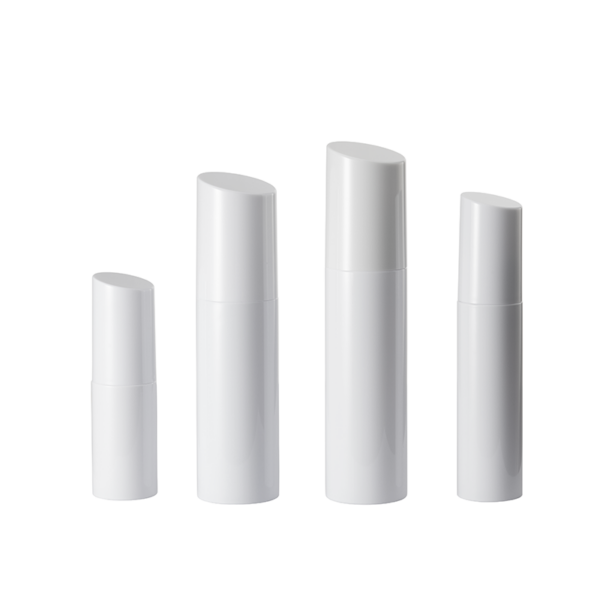
Introduction: The Moment a Package Meets a Hand
Design is a promise you can hold. A pet cosmetic bottle manufacturer sees that promise shape every cap, thread, and wall. A buyer scrolls through catalogs from cosmetic pet bottle suppliers, trying to match look, feel, and function. The launch clock is ticking, yet returns from leak events can run into double digits, and drop-test failures can climb when lines get rushed. So what really decides whether the bottle delights or disappoints?
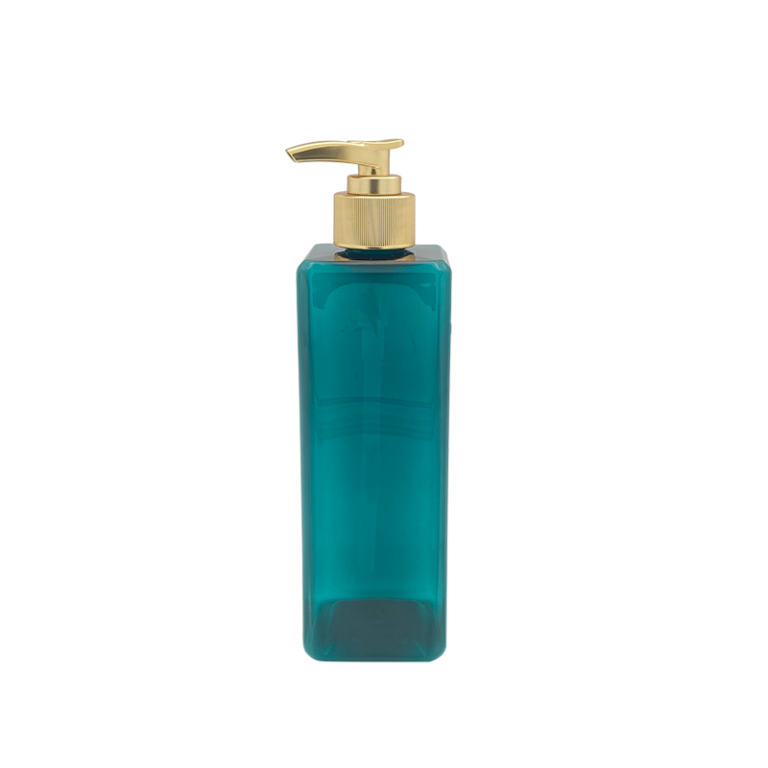
Picture a bath-time shampoo for pets in a humid city. Labels lift. Pumps clog. The shelf is crowded, and hands are wet. Numbers show that small errors in closure torque and wall thickness add up fast. But the bigger story sits under the surface—how choices move through the supply chain (and what they ignore). Let’s walk into that quiet layer, and then step out with clearer rules for action.
Where Traditional Sourcing Breaks Down
What gets missed?
Old playbooks focus on price, a pretty shape, and a fast ship date. They skip the science. That is where results slip. In injection stretch blow molding (ISBM), a small shift in resin viscosity can change wall distribution and squeeze the pump fit. Color masterbatch can drift batch to batch, pushing Delta E out of spec. Look, it’s simpler than you think: when specs live in emails, not in a controlled data sheet with lot traceability, the risk multiplies—funny how that works, right?
Another gap: real use beats lab myths. A cap that seals fine at room temp can fail after an ISTA-6 drop test. Closure torque windows look good on paper, but conveyor scuffing and micro-scratches open leak paths. PCR resin is great for impact goals, yet stiffness changes can stress the neck finish if the preform or anneal is not tuned. Barrier properties can lag when essential oils meet thin walls. Traditional vetting rarely checks changeover discipline, mold cavitation balance, or cycle time drift during peak runs. The flaw is not intent; it is a narrow lens that treats the bottle as an object, not a system.
Comparative Paths: New Principles vs. Old Habits
What’s Next
Compare two routes. Old habits swap vendors to chase cents. New principles map the flow of failure and trim it at the source. Digital twins can mirror preform stretch ratios and predict wall strain before steel gets cut. In-line vision checks gate blush and neck ovality while SPC flags drift in real time. NIR-sortable pigments keep black parts visible in recycling streams. Mono-material pumps remove the steel spring, so the whole unit rides the same reclaim path as the bottle. When you spec cosmetic pet bottles with these rules, you trade guesswork for proof—and you feel it in returns, reviews, and reorder rates.
The next edge is simple, but it asks for discipline. Tie color targets to spectro data, not eyes. Define torque, leak rate, and e-commerce drop performance as one linked result, not three tests. Use cavity-pressure sensors to balance mold fill, and watch OEE move. Even small tweaks—neck finish polish, flash control, or a smarter gate—can pay back as fewer pumps jam in cold chains. And yes, the shelf still matters; clarity and gloss sell. But clarity that survives the last mile is what keeps carts full—funny how that works, right?
Practical takeaways, framed as metrics you can track: 1) Performance: verify closure torque window, seal integrity, and leak rate after ISTA-6 conditioning and thermal cycles. 2) Sustainability: confirm PCR resin content, NIR sortability, and mono-material compliance for caps, labels, and pumps. 3) Operations: measure lead time, changeover time, and cavitation utilization across peak demand. If those numbers hold, the story holds. If they slip, the bottle tells you first. For a grounded view and deeper specs, see partners who share data and process, like NAVI Packaging.