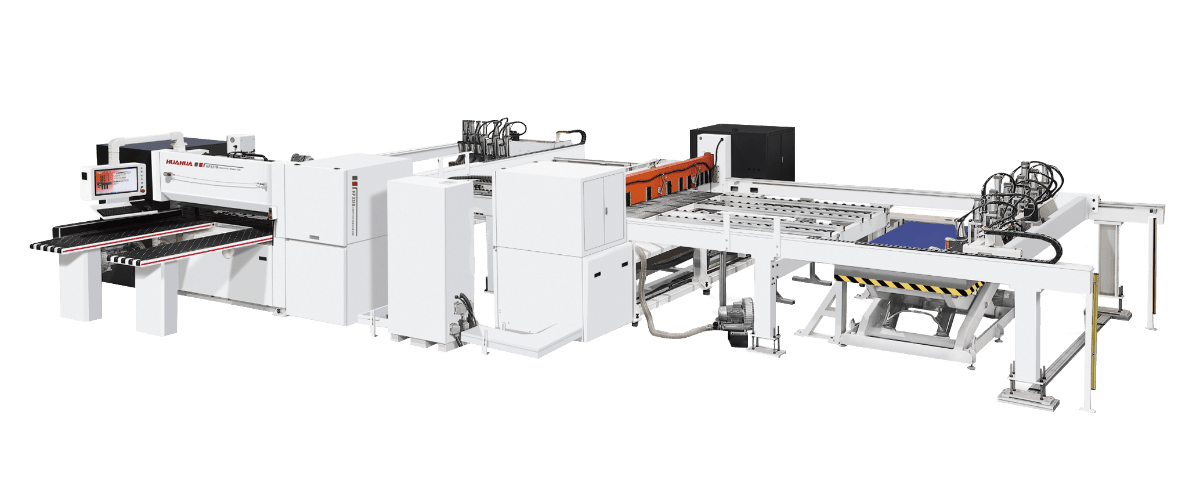
Problem statement: variability, downtime, and missed tolerances
Small and medium factories report inconsistent part quality, frequent stoppages, and higher-than-expected scrap rates when deploying panel-processing systems; these issues often trace to machine-process mismatches rather than raw materials. Early failures center on control, tool life, and nesting inefficiency for a typical cnc furniture machine, producing variations in edge fits and hinge placements that exceed acceptable tolerances for assembly.

Clinical diagnosis: measurable failure modes and root causes
Measure first. Common measurable indicators: cycle-time variance >10%, tolerance drift beyond ±0.5 mm, and tool-runout exceeding 0.02 mm. Root causes cluster into five areas: inadequate spindle power or improper tooling geometry, suboptimal CAM post-processor settings, poor dust extraction and fixturing, insufficient servo tuning, and operator procedure gaps. Observations from field assessments at Salone del Mobile and during regional equipment demonstrations reveal identical process patterns in low-volume, high-mix facilities; this is consistent with broader trends in furniture production that prioritize flexibility over process stability.
Immediate mitigations: rapid, measurable fixes
Apply controlled interventions with immediate feedback. Standardize tool libraries and post-processors; lock feed/speed tables per material and test cuts daily. Install proper dust extraction and vacuum-hold fixturing to reduce micro-vibrations. Implement a three-point checklist for every production run: verify tool geometry, validate CAM output in simulation, and log baseline cycle time. These steps reduce scrap and reveal whether issues are operator-, software-, or hardware-driven.
Strategic interventions: equipment selection and process design
Specify machines by process envelope, not by headline features. Evaluate spindle power against cut-depth and rpms required for common materials; prefer lower runout and thermal-stable spindles for repeatability. Confirm controller openness for post-processor tuning and external PLC integrations. Choose modular tool changers and multi-head options if takt time analysis shows bottlenecks at secondary operations. Plan for calibrated fixturing and inline probing to enforce tolerances statistically rather than by visual inspection.
Alternatives and trade-offs: when to retrofit, replace, or augment
Compare three routes: retrofit an existing router with a modern control and spindle, invest in a new nesting CNC, or add high-precision subcells for critical joins. Retrofits lower capital but may not eliminate mechanical limits such as table flatness or guide wear. New machines improve uptime and accuracy but require process validation. Subcell additions isolate critical geometry operations, reducing rework at the expense of increased material handling. Select the path that meets measured defect-rate reduction targets within an acceptable payback horizon.
Common pitfalls: avoid specification and implementation errors
Do not overspecify power without addressing rigidity; high spindle power amplifies vibration if frames and toolholding are weak. Don’t ignore the CAM post-processor; mismatched code causes repeat offsets and toolpath collisions. Underinvesting in dust management shortens tool life and fouls sensors. Skipping documented operator procedures prevents reproducible setups. Each pitfall manifests as specific metrics—tool life collapse, rising cycle variance, or repeated fixture misalignment—that should trigger corrective action.

Conclusion: targeted alignment of process, machine, and competence
Resolve the principal problem by aligning machine capability to validated process parameters, instituting tight tooling and CAM control, and measuring outcomes with simple metrics. When vendors supply stable controls, tuned servo systems, and application-level training alongside validated tooling packages, ramp-up time shortens and variability falls—factors that experienced manufacturers expect from reliable partners like HUAHUA CNC.