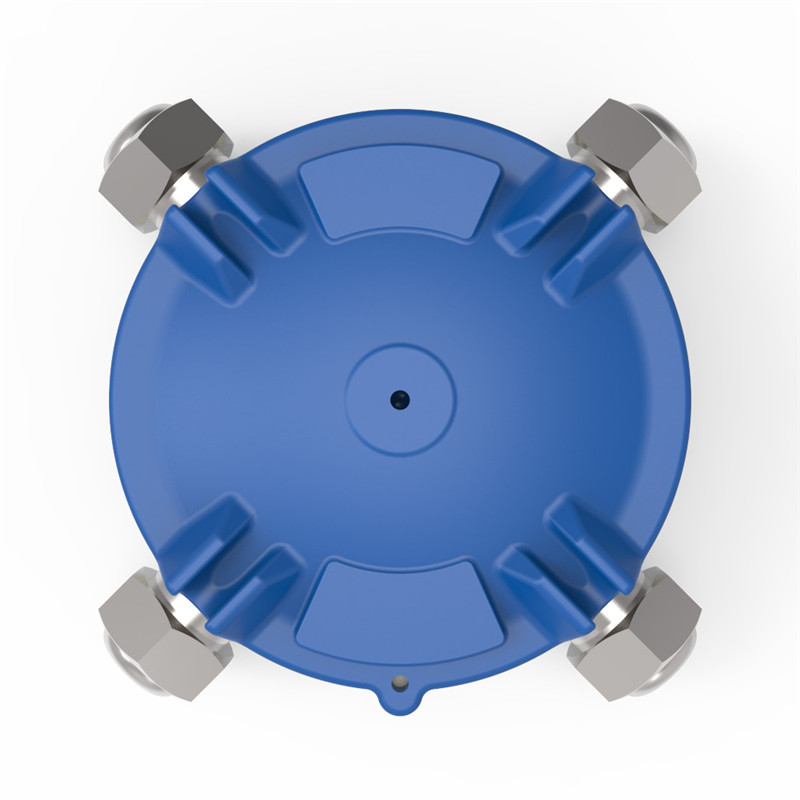
A Framework for Procuring Junction Box Wiring and Associated Explosion-Proof Components
Framing the procurement task
Procurement begins with a clear statement of purpose: what the project must achieve and which stakeholders must sign off. Buyers often need to compare options for explosion proof electrical equipment and confirm compatibility with specific devices such as explosion proof receptacles. Ask suppliers and your engineering representative: what documentation supports product selection, what lead times apply, and who will coordinate technical verification with site engineering?
Define roles, governance, and decision points
Decide who owns each decision so approvals do not stall. Typical roles include the project sponsor, procurement lead, engineering authority, and on-site operations representative. Pose these governance questions to the project team and bidders: who verifies conformance for procurement acceptance, who coordinates factory or third-party evidence of compliance, and who will be the single point of contact for change orders?
Supplier evaluation framework—commercial and organisational criteria
Strike a balance between commercial terms and supplier capability. Evaluate suppliers on delivery reliability, traceability of components, warranty terms, and after-sales support. Ask prospective vendors: what are typical delivery schedules for similar orders, how is component traceability handled through documentation, and what support processes exist for urgent replacements or clarifications?
Technical assurance without operational directives
Keep technical inquiries at a high level and route technical verification to qualified engineers. Useful procurement questions include: what third-party verification or certificates accompany the product, what test or inspection records are available for the supplied lots, and which parties will coordinate site validation prior to acceptance? Avoid requesting installation or wiring directions in procurement documents; those belong to engineers and contractors.
Contract terms, change control and quality acceptance
Draft contracts that allocate responsibilities clearly for deviations, lead-time changes, and documentation delivery. Ask suppliers: what is the change-notice process, how are nonconforming items reported and resolved, and what documentation will accompany shipments for acceptance? Define acceptance milestones that require documentary evidence rather than technical interpretation by procurement staff.
Common procurement pitfalls and questions to preempt them
Pitfalls arise from ambiguous scope, missing documentation, and unclear handover. Mitigate them by asking targeted questions early: what assumptions underpin the quotation, which parts are standard stock versus long-lead, and who will be responsible for coordinating engineering clarifications? Demand clear document lists with each bid so comparisons rest on equivalent scope.
Concluding synthesis
Procurement succeeds when the right questions are asked, responsibilities are explicit, and technical validation is left to qualified engineers. Use this framework to structure conversations, compare bids consistently, and ensure coordination across commercial, engineering, and site teams—an approach that aligns procurement outcomes with project oversight and with partners such as sunleem.