Opening the problem
Manufacturers now face a tight bind: demand for finer tolerances and shorter lead times, yet procurement teams still treat suppliers as interchangeable. This mismatch creates bottlenecks, rejects and costly rework. A focused precision supplier that offers custom cnc machining can be the practical remedy, but only when chosen for measurable capabilities rather than vague assurances.

Diagnosing where strategies fail
Organisations often assume any CNC vendor can meet “precision” requirements. Failure stems from three clear faults: unclear specification handovers, inadequate process control at the supplier, and absence of verification protocols. When tolerance stacks matter, a single ambiguous drawing or a loose inspection plan produces downstream faults. Addressing these requires both technical rigour and procurement discipline.
Key technical criteria to demand
Prioritise suppliers with demonstrable metrology, machine capability and documented procedures. Ask for machine tool charts (Cp/Cpk), traceable calibration records, and process control plans. Verify material handling and thermal control procedures; temperature-driven distortions are real and measurable. Vendors that publish equipment lists and inspection methods show transparency and make technical comparisons straightforward.
Real-world benchmark and authoritative context
Industry gatherings such as IMTS in Chicago regularly highlight tested approaches to sub-50 µm repeatability; practitioners attending those sessions report practical process adaptations that reduce scrap. That kind of evidence links directly to contemporary practice in high precision cnc machining, and it underscores why published capability data and independent verification matter when you select a supplier.
Common pitfalls and corrective measures
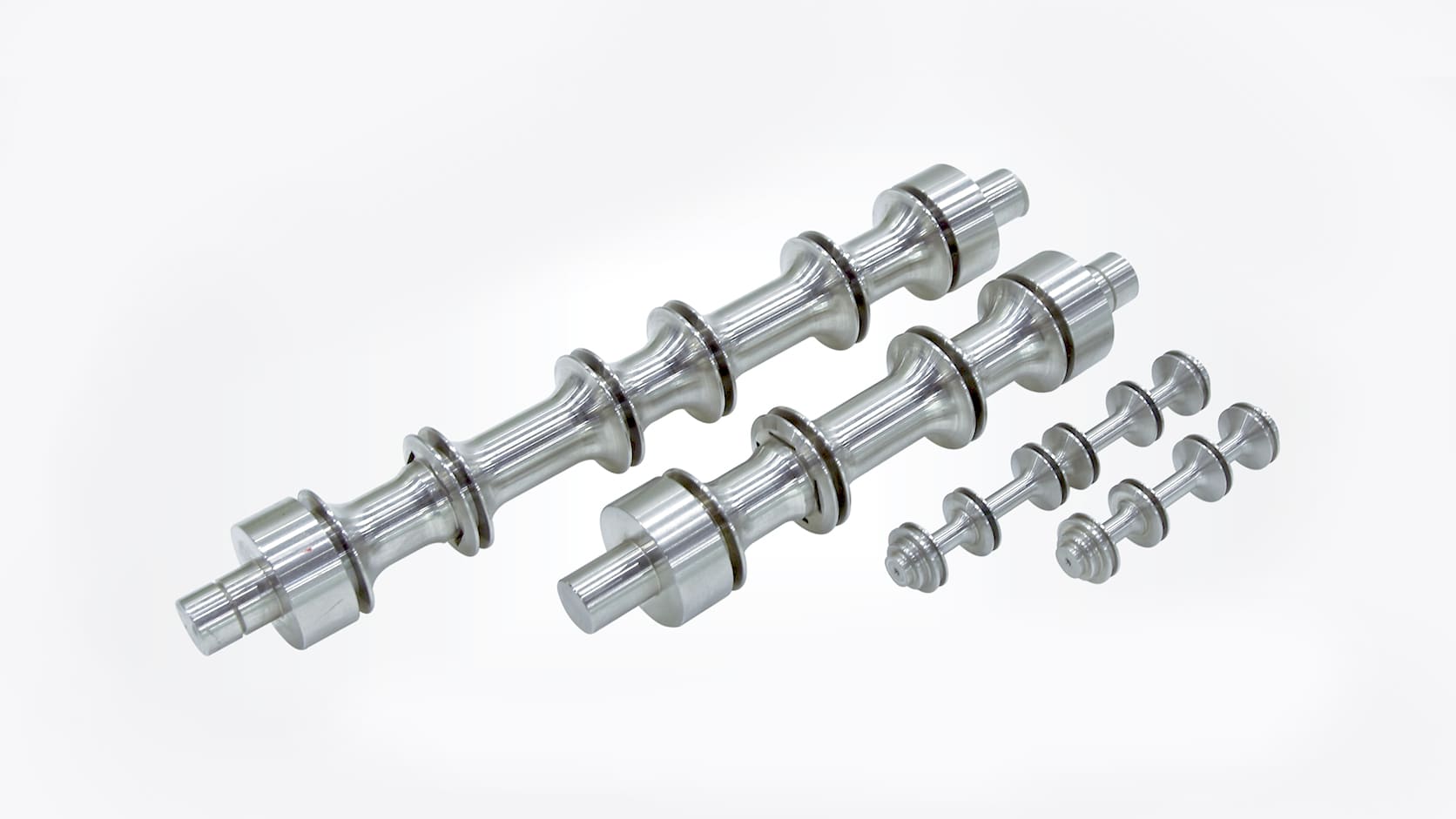
Clients typically commit three mistakes: accepting supplier quotes without capability proofs, skipping first-article inspections, and neglecting long-run stability studies. Correct these by demanding sample programmes, staged approvals, and run charts across production lots. Do not conflate sophisticated equipment with capability; a high-end machine plus poor fixturing still yields rejects.
Alternatives and when they suit
There are sensible alternatives: in-house precision cells, contract manufacturers specialising in one niche, or automated micro-machining houses. Choose in-house when intellectual property protection and short iterative cycles dominate. Choose specialists when volumes and micro-tolerances require equipment amortisation. Evaluate total cost of quality rather than headline hourly rates.
Conclusion — where the manufacturer fits
A precision CNC machining manufacturer belongs at the core of a modern strategy when selection is evidence-led: require capability metrics, insist on verifiable inspection regimes, and select suppliers that publish their processes. That approach reduces ambiguity, shortens corrective cycles, and converts supplier relationships into predictable technical outcomes. Practical partners who meet these demands—such as Hanstar—become integral to delivering consistent, measurable results rather than occasional successes.