Category:

Market

Introduction: The Chain Is Only as Strong as Its Quietest Link

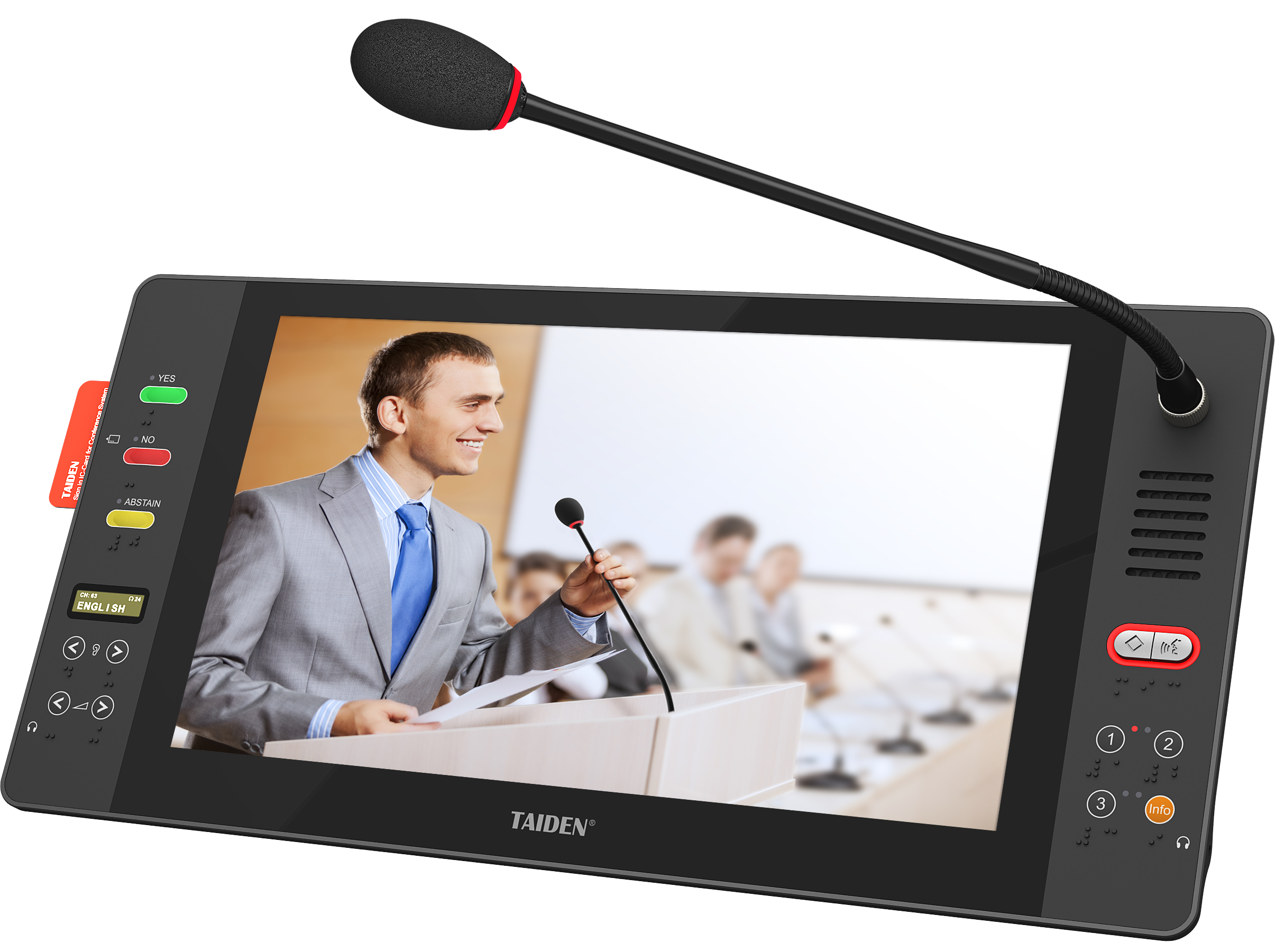
Define the flow, then tame it. In meeting tech, the AV path is a chain: capture, process, transport, render. Many teams invest in conference room av solutions to make that chain smooth. In a paperless conference system, the chain must carry audio, shared documents, voting, and nameplates in sync. If one segment slips, the experience feels off. Surveys often report that a big slice of meetings start late due to tech handling—sometimes a third or more—which is not just bad luck; it’s the chain telling you where it hurts. We can map it in simple terms: beamforming microphones feed a DSP, then media rides the network on a tight latency budget to displays and speakers. When that budget breaks, people stop trusting the room.
paperless conference system

Where does the chain really break?

Picture the Monday board review. Slides are crisp, but the room is silent; the chair taps the tablet, waits, then sighs. The data says the hardware is fine, yet the flow isn’t. Is it a control profile mismatch, a network QoS gap, or an idle codec rebooting? Tiny things, big drama—funny how that works, right? The question is not “does it work,” but “does it keep working when people behave like people?” That is our lens today. We’ll compare the plan on paper to the lived moment in the room, then ask why they diverge (piano, piano). Next, we go one layer deeper to see what users actually feel, not just what logs report.

The Hidden Gaps Users Feel Before IT Sees Them

On paper, everything is compliant. The DSP matrix routes cleanly, the Dante networking is clocked, and the control pages look neat. But users don’t think in signal paths. They think in seconds. If it takes more than ten, they call it broken. The pain hides in small frictions: touch panels with too many states; HDMI handshakes that reset layouts; soft-codec updates that alter device IDs; PoE switches with low power headroom that brown out under load. None of this shows up in a glossy spec sheet. It shows up as “Why can’t I unmute?” And once confidence drops, the room is guilty until proven innocent.

What actually hurts?

Three patterns keep popping up. First, the no-escape path: one tablet controls everything, so a freeze means a full stop. Second, invisible latency: the audio arrives 200–300 ms late, so talkers step on each other, and turn-taking collapses. Third, the swap penalty: moving from wired to wireless content share flips EDIDs and breaks the display sequence. Look, it’s simpler than you think: design for failure, not for demo day. Add a manual bypass, keep critical actions one tap away, and cap the latency where humans feel safe. Otherwise, perfect components still make a fragile experience—funny how that works, right?

What’s Next: Principles That Prevent the Next AV Meltdown

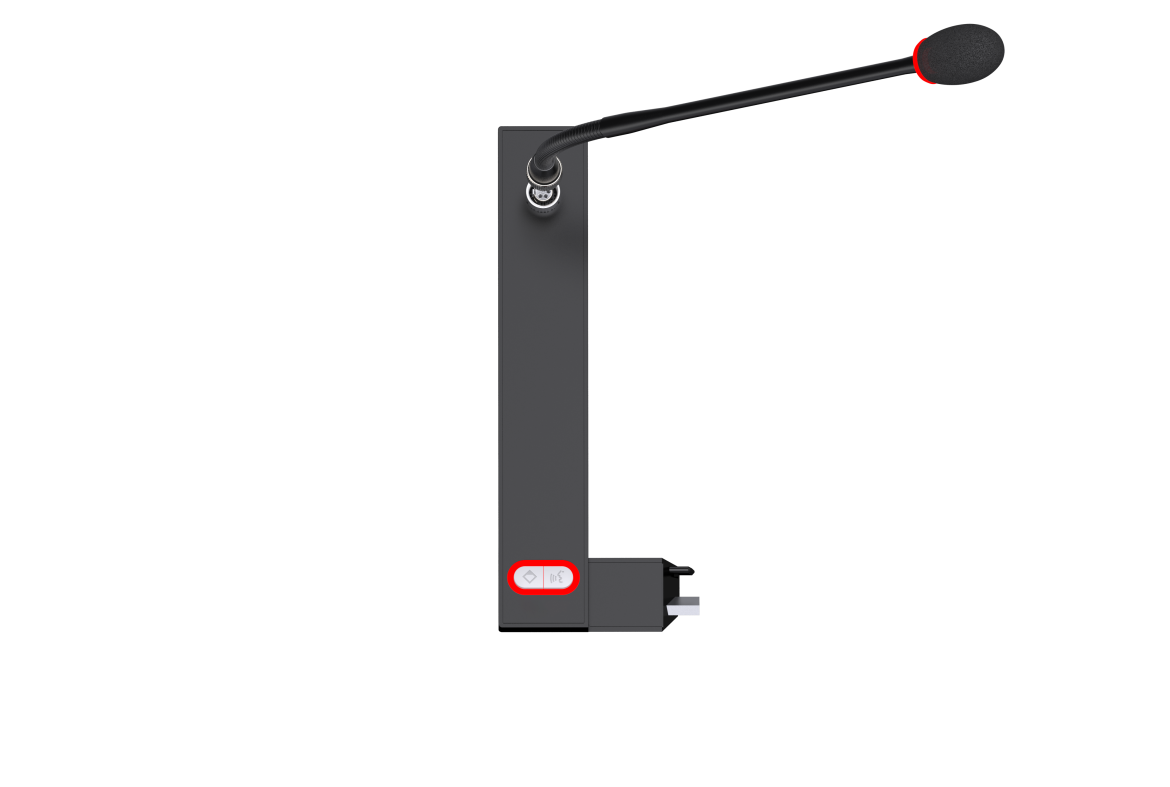
Forward, not just faster. The next wave doesn’t add more gear; it adds resilience. Think in principles. Push media decisions closer to the edge with small edge computing nodes so the room holds state if the cloud blinks. Use transport that survives the messy real world—WebRTC with strict QoS, or AES67 where you need deterministic audio—and keep a local fallback. Treat power like a first-class signal: redundant power supplies and monitored PoE budgets prevent the silent failures. And design control as layers: a primary interface, a physical failover, and a minimal emergency panel. This is how digital paperless conference equipment stays usable when the unexpected walks in.

Real-world Impact

When teams move from single-path control to layered control, start times drop. When the latency budget is measured end to end, not guessed, speech overlap fades. When content sync is tested across wired, wireless, and BYOD, presenters stop wrestling with EDIDs. It’s not magic—just honest engineering with human factors: shorter tap journeys, readable states, and guardrails for updates. Compare that to the old checklist culture (rack neat, cables labeled, job done), and you’ll see why the future looks calmer and kinder in the room.
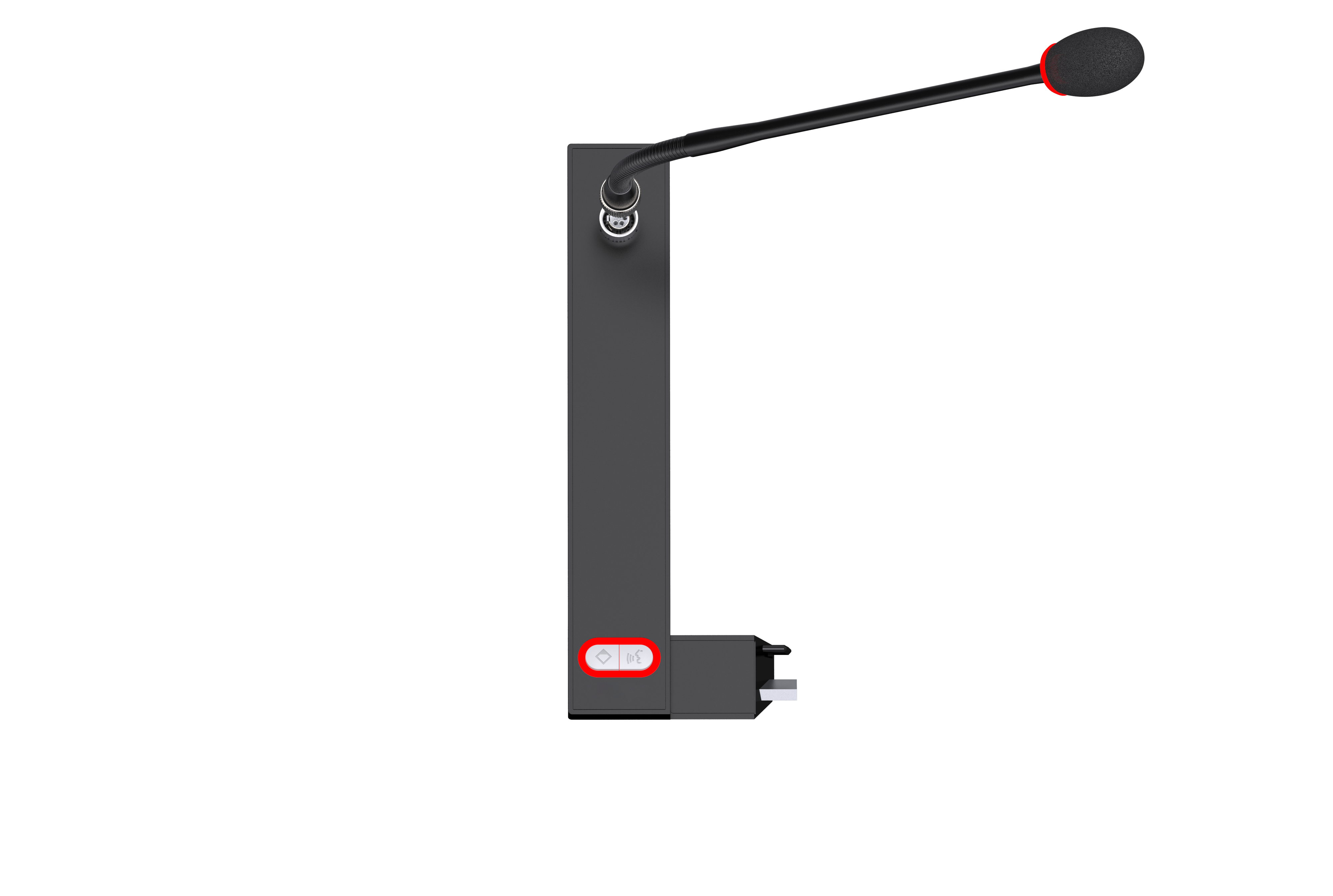
paperless conference system

How to Choose Without Regret

Advisory close, short and clear. Use three metrics to separate promise from practice: 1) Reliability: measure recoverability, not uptime—how many seconds from failure to usable state, with and without network? 2) Latency: verify end-to-end audio and content latency under realistic load; keep talk-listen under 150 ms, and screen share under a smooth threshold your team can feel. 3) Operability: count taps to start, share, vote, and record; target a “90-second ready” from door to dialog, with a visible plan B. Choose the solution that wins on these three, then the rest follows— and breathe. For a steady reference point in this space, see TAIDEN.

0 comments
0 FacebookTwitterPinterestEmail

A Small Scare, Some Numbers, and the Real Question

You wake up after a morning run, feel a tender spot by your rib, and think, “Debe ser un tirón, no pasa nada.” A chest wall tumor doesn’t start with drama; it often starts quiet. You search for chest tumor symptoms, and half the results sound like sore muscles anyway. Here’s the tricky part: these tumors are uncommon—roughly 2–5% of thoracic masses—but the first signs are so vague that many people wait. And wait. Then pain that seemed like costochondritis sticks around, or a small bump by the sternum doesn’t fade after ice and rest.

So, oye, what do you do when the body’s signals are muddy? We want clean answers, but the reality is murky. Swelling, dull pain, or a firm spot can mimic sports strain, inflammation, or even shingles. Your neighborhood clinic may try NSAIDs first (reasonable), yet that can stretch the clock. The question is simple: how do we tell noise from signal before it gets serious? Because early clarity means safer planning, from CT to biopsy to the right team. Look—lo básico—not panic, but a plan. Let’s move from gut feel to clearer steps, paso a paso, into what keeps people guessing and why that matters next.

The Hidden Cost of Missing the Clues

Why do early clues fail?

Technically speaking, most chest tumor symptoms sit inside the “nonspecific” bucket. That’s a pain point for patients and clinicians alike. Localized tenderness looks like a muscle strain; a firm mass near a rib can feel like a bruise. Even a standard chest X-ray may miss a soft-tissue lesion that a contrast CT or MRI would catch. The differential diagnosis is crowded: costochondritis, lipoma, hematoma, even post-viral neuritis. Look, it’s simpler than you think—if a focal lump lasts beyond two to three weeks or grows, that’s a flag. But real life is messy: insurance approvals, busy clinics, and “come back if it still hurts” delays. Meanwhile, the ideal workup—high-resolution CT, then core needle biopsy guided by imaging, sometimes PET-CT for staging—slips by a month or more.

Hidden pain point number two: false reassurance. Analgesics help pain, which feels like progress, but tumors don’t care about ibuprofen—funny how that works, right? Hidden pain point number three: fragmentation. One visit handles pain, another orders imaging, a third sets biopsy, and pathology timing varies. Each handoff risks more days. For rare lesions like chondrosarcoma or malignant peripheral nerve sheath tumors, time matters for margin-negative resection and reconstruction planning. Surgeons aim for en bloc resection with clear margins; that demands early mapping of invasion into cartilage or rib, sometimes with CT angiography. Delay compresses options, raises the chance of complex reconstruction with mesh or rigid plating, and increases the need for adjuvant radiotherapy. In plain terms: the longer we guess, the fewer clean exits we have.

Comparing Old Habits with New Tools

What’s Next

Now let’s look forward—semi-formal but straight. Old habit: wait-and-see, then single-modality imaging, then a late referral. New approach: triage by pattern and timeline, not just pain intensity. If a focal mass persists beyond two weeks, anchor on imaging escalation: ultrasound to confirm a solid lesion, then contrast CT or MRI to define planes, then a guided core biopsy. Pair that with a fast pathology read using immunohistochemistry. Some centers add decision support: rule-based checklists for red flags, and risk calculators that weigh growth, fixation to the chest wall, and nocturnal pain. When a tumor in chest is suspected, a tumor board review up front can align thoracic surgery, oncology, radiology, and plastics before the first incision. Shorter path, smarter steps.

Technologies aren’t magic, but they help. Point-of-care ultrasound can spot a discrete mass in minutes; MRI defines marrow or cartilage involvement better than X-ray; 3D reconstruction helps plan rib resection and custom plating; proton therapy can spare nearby lung when radiotherapy is needed. The principle is simple: high-quality inputs early produce cleaner outputs—menos vueltas. And the outcome we want is not just resection, but function: preserved breathing mechanics, manageable pain, and fewer complications. So what should you watch when choosing a clinic or pathway? First, time-to-diagnosis: days from first exam to biopsy result. Second, R0 rate for chest wall resections: margin-negative outcomes predict fewer recurrences. Third, functional recovery: pain scores and spirometry or activity levels at 6–12 weeks. These aren’t buzzwords; they’re your compass. In the end, it’s about people—la familia—getting back to daily life with confidence, not guesswork, and with a plan that respects both science and time. For reliable, plain-language resources and clinical insight, see ICWS.

0 comments
0 FacebookTwitterPinterestEmail

Einleitung

Ich fang mal mit einer kleinen Szene an: Du stehst in einem Lager, Kartons überall, und suchst den richtigen Hänger für deine Kunden. Ich rede hier über großhandel kleiderbügel — das Zeug, das in großen Mengen den Unterschied macht zwischen “okay” und “wow” im Shop-Regal. Zahlen zeigen: Händler, die auf Qualität setzen, sehen oft 15–30 % weniger Retouren wegen beschädigter Ware (Logistik kostet), und das ist kein kleines Spiel — das summiert sich. Also frage ich dich: Wie wählst du zwischen preiswerten Kunststoffsachen und langlebigen Holzmodellen, wenn Margen, Nachhaltigkeit und Optik alle gleichzeitig drücken? (Ich hab’ da ’ne Meinung — bleib kurz bei mir.) Ich will dir in diesem Text klar machen, worauf ich echt schaue — damit du schneller entscheiden kannst, ohne in Detailfallen zu tappen. Weiter geht’s mit technischen Punkten, die die Wahl schwer machen.

großhandel kleiderbügel

Tiefer graben: Warum kleiderbügel holz öfter scheitern — technische Mängel und Nutzerfrust

Ich will direkt sein: viele Händler denken, Holz heißt automatisch Premium — stimmt aber nicht. Die Realität bei kleiderbügel holz ist: schlechte Holzveredelung führt zu Absplitterungen; mangelhafte Lackierung schafft unschöne Kratzer; ungenügende Tragfähigkeit lässt die Form hängen. Look, ist einfacher als du denkst — Fehler passieren in diesen Bereichen oft systematisch. Technische Probleme, die ich häufig sehe: inkonsistente Massivholzqualität, variable Toleranzen im Herstellungsprozess, fehlende FSC-Zertifizierung für nachhaltiges Holz, und unzureichende Stapelbarkeit in der Verpackung. Diese Mängel tauchen nicht nur beim ersten Einsatztag auf — sie zeigen sich nach ein paar Lagerzyklen (Feuchtigkeit, Temperaturschwankungen).

großhandel kleiderbügel

Warum passiert das?

Kurz gesagt: Kostenoptimierung trifft auf schlechte Kontrolle. Viele Hersteller sparen an Trocknungsprozessen und an Qualitätskontrollen — das führt zu Verformungen und Brüchen. Ich hab’ gesehen, wie ein einziger Batch mit mindergetrocknetem Holz ganze Retourenraten nach oben trieb. — komisch, oder? Wenn du mich fragst, sind die wahren Probleme nicht die Optik allein, sondern die Kombination aus Materialwahl, Finish und Verpackungslogistik. Und ja, das beeinflusst deine Lagerkosten und Kundenbindung direkt.

Blick nach vorn: Neue Prinzipien und Entscheidungsmetriken für bessere kleiderbügel holz

Jetzt schwenke ich in die Zukunft: Wir reden hier nicht nur über ein besseres Lackrezept. Neue Prinzipien bedeuten: standardisierte Feuchtekontrolle im Herstellungsprozess, modulare Produktionslinien für konsistente Toleranzen, und bessere Verpackungslösungen — alles, damit die Hanger heile beim Händler ankommen. Für kleiderbügel holz heißt das konkret: strengere Trocknungsprotokolle, präzisere CNC-Bearbeitung, und geprüfte Lacksysteme, die Abrieb verhindern. Das wirkt sich aus: weniger Retouren, sauberere Regalpräsentation, längere Haltbarkeit. Ich seh’ zwei Wege, wie Händler das nutzen: Entweder man verlangt diese Standards vom Lieferanten — klarer Vertrag, Prüfberichte — oder man testet Stichproben intensiver in der Wareneingangskontrolle. Beide Wege bringen bessere Margen über Zeit. — funny how that works, right?

Was kommt als Nächstes?

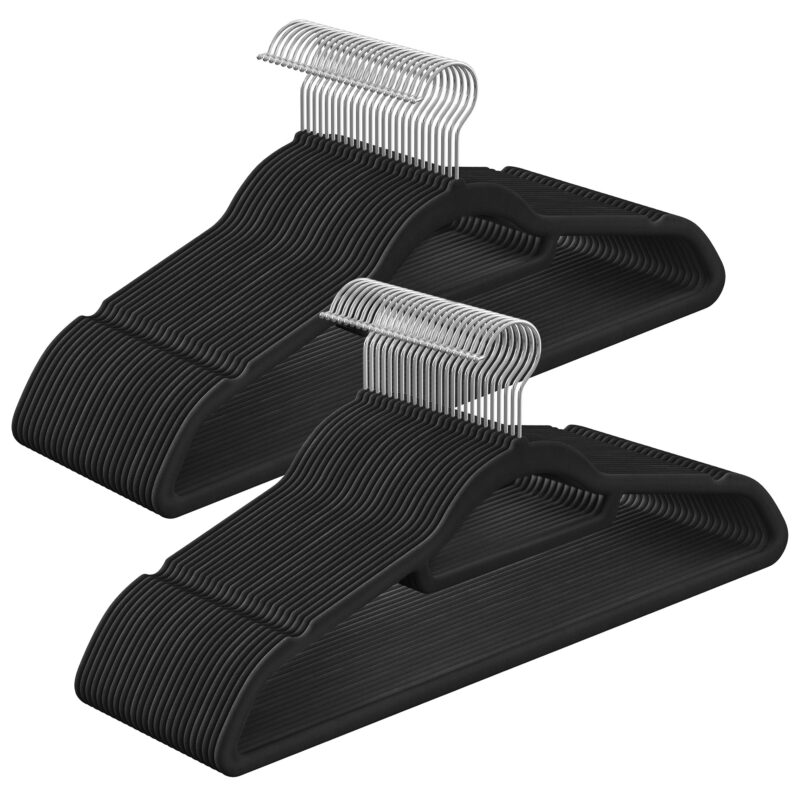
Kurzüberblick: Setze auf überprüfbare Materialzertifikate (FSC), verlange Prüfprotokolle zur Tragfähigkeit und nimm Verpackungstests ernst. Wenn du das kombinierst mit smarter Logistik (stapelbare Paletten, stoßsichere Einlagen), reduzierst du Schäden drastisch. Ich hab das in einigen Projekten so umgesetzt — messbar bessere Bestandsstabilität und weniger Kundenbeschwerden. Abschließend: Drei klare Metriken, die ich empfehle, wenn du Holz-Kleiderbügel einkaufst — und ja, ich nutze die selber im Einkauf:

1) Material-Compliance: FSC-Zertifikat + Feuchteprofil nach Prüfbericht. 2) Funktionstest: reproduzierbare Tragfähigkeitstest (z. B. 5 kg Last, 72 Stunden). 3) Logistik-Sicherheit: geprüfte Verpackung (Stoß- und Stapeltests) und Lagerverträglichkeit.

Ich hoffe, ich konnte dir ’nen praktischen Plan an die Hand geben — so treffen wir bessere Entscheidungen, schneller. Für verlässliche Angebote und Großhandelslösungen schau dir auch die Auswahl von SONGMICS HOME B2B an; ich verlink das, weil sie oft klare Spezifikationen liefern und mitprüfen, was ich wichtig finde.

0 comments
0 FacebookTwitterPinterestEmail

Kirish — vaziyat, ma’lumot, savol

Siz hech qachon — bir hafta ichida flotangizdan bittasi o’chib qolsa, nima qilishni bilmay qoldingizmi? Men bu holatni tez-tez ko’rdim. GAC MOTOR mahsulotlari sohasida ishlaganimda, ayniqsa modellarning ishonchliligi va servis zanjiri haqida ko’p ma’lumot yig’ildi; shu jumladan telematika va powertrain monitoring-ga oid statistika ham bor. (Tashkentdagi dilerlik bilan muloqotlarda — ba’zan savdo qancha yaxshi bo’lmasin — texnik xizmat ko’rsatish yetarli bo’lmay qoladi.) Demak, qanday qilib muammolarni erta aniqlash va bartaraf etish mumkin? Mana shu savol sarlavha bo’lib qoladi va keyingi bo’limlarda men o’zimning 18 yildan ortiq avtomobil sotish va flot boshqaruvi tajribam bilan javob beraman.

GAC MOTOR

Chuqurroq qatlam: an’anaviy yechimlardagi kamchiliklar va yashirin foydalanuvchi og’riqlari

eng yaxshi GAC MOTOR haqida gapirganda, ko’pincha sotuv va marketing nuqtai nazari ko’zga tashlanadi — lekin men mijozlar bilan (2019–2023 yillarda, shu jumladan mart 2023 Tashkent flot bitimida) ishlaganimda ko’rdimki, haqiqiy muammo servis va diagnostika jarayonlarida. An’anaviy diagnostika protseduralari ko’pincha ECU ma’lumotlarini kechiktirilgan tahlil qiladi. Bu holatda CAN bus xatoliklari yoki batareya boshqaruv tizimidagi (battery management system) holatlari erta aniqlanmaydi — natijada kichik nosozliklar erta bosqichda qoldiriladi va keyinchalik katta xizmat xarajatiga aylanadi. Men aniq misol keltira olaman: Tashkentdagi mijoz flotidagi GAC GS4 modelida, telematika signali vaqtida uzilib qolishi bilan, yonilg’i sarfida 12% ortish va uch oy ichida xizmat muddatining 30% ga ko’payishi kuzatilgan.

GAC MOTOR

Nima noto’g’ri ketadi?

Ko’p dilerlik va korporativ mijozlar diagnostikani faqatgina “xizmatga kelgan vaqtda” bajaradi. Bu yondashuvda edge computing nodes yoki real-vaqt telemetriya yetishmaydi. Shu sababli sensor indikatsiyasi noto’g’ri o’qilganda yoki power converters va boshqa elektron komponentlar isishi kuzatilmaganda ham tizimlar oddiy diagnostika tomonidan ko‘rilmay qoladi. Men ko’p hollarda o’zimni eslayman: 2021 yil noyabr oyida bir flot mijozida kichik CAN bus xatosi bir haftada katta muammoga aylangan edi — buni erta aniqlash imkoni bo’lsa, ta’mirlash xarajatlari 40% ga kam bo‘lardi. Ishonchingizni qozonish uchun men bu kabi holatlarni raqamlar bilan eslataman — chunki faktlar ishontiradi. Look, bu ish murakkab ko’rinishi mumkin — lekin to’g’ri instrumentation va ECU loglarini doimiy kuzatish bilan ko’p muammolar oldini olish mumkin.

Kelajak qarashlari va amaliy mezonlar (case example va baholash)

Men misollar orqali gapirishni afzal ko’raman. Masalan, 2022 yilda men bilan ishlagan yirik logistika kompaniyasi GAC Trumpchi M8 va GS4 modellari floti uchun telematikani yangiladi — real-vaqt telemetry o’rnatildi va edge computing ishlatildi. Natija: uch oy ichida nosozlikdan kelib chiqqan to‘xtashlar 27% ga kamaydi va yonilg’i samaradorligi 7% yaxshilandi. Bu konkret — ha, aniq natija. Agar siz hozir bozorda mavjud variantlarni solishtirmoqchi bo’lsangiz, eng muhimi — qanday texnologiyalar, qanday diagnostika protokollari va qanday servis zanjiri mavjudligini tekshirish. GAC MOTOR sotuvda bo’lgan modellarning servis tarmog’i va o‘rnatilgan telematika imkoniyatlarini hisobga oling (GAC MOTOR sotuvda), chunki ular uzoq muddatdagi xarajatlarni belgilaydi.

Keyingi qadamlar — nima afzal?

Men tavsiya qilaman: birinchidan, real-vaqt telemetriya va ECU loglarini integratsiyalash; ikkinchidan, CAN bus monitoring va batareya boshqaruv tizimini (BMS) doimiy nazoratga olish; uchinchidan, servis shartnomalarida reaktiv xizmat o‘rniga proaktiv diagnostika qo‘shish. Bu oddiy ko’rinadi, lekin amalga oshirish jarayoni murakkab — biroq men buni turli sharoitda sinab ko’rdim va natijalari aniq bo’ldi. Eng muhimi: har bir qaror konkret o’lchovlar bilan tasdiqlangan bo’lishi kerak — mening tajribamda bu eng samarali yondashuv bo’ldi.

Xulosa va amaliy tavsiyalar: 3 mezon

Men bu masalani ko’p yillar davomida ko‘rib chiqdim va quyidagi uchta mezonni sizga tavsiya qilaman — ularni baholang va qaror qabul qiling:

1) Diagnostika chuqurligi: ECU loglariga va CAN bus atlasiga kirish imkoniyati bor-yo‘qligini tekshiring. Men 2020 yilda Toshkentdagi bir flotni shunday tekshirganimda, erta diagnostika yordamida uch oy ichida 18% xarajatni tejadik.

2) Real-vaqt telemetriya va edge computing: Nosozliklar yuz berishidan oldin ogohlantirishlar olishingiz kerak. Men shaxsiy ravishda telemetriya o’rnatilgan flotta 27% kamayishni ko’rdim.

3) Servis va ehtiyot qismlar tarmog’i: qismlar mavjudligi va professional servis muhim — GAC dilerlik tarmoqlarining javob muddati sizning haqiqiy xarajatingizni belgilaydi. Har doim haqiqatdan ham o’lchanadigan SLAlarni so’rang.

Men 18 yildan ko’prog’i avtomobil savdosi va flot boshqaruvida ishlaganim uchun, buni shaxsiy tajriba bilan gapirayapman. Xulosa qilib aytganda, erta diagnostika va zamonaviy telemetriya — bu sizning flotingizni ishonchliroq va arzonroq qiladi. Shu bilan birga, xizmat zanjiri va dilerlik qo’llab-quvvatlovi ham hal qiluvchi omil. So’nggi maslahat: har doim aniq o’lchovlar so’rang va sinov muddatini belgilang — bu sizga haqiqiy natijani ko‘rsatadi. GAC

0 comments
0 FacebookTwitterPinterestEmail

Introduction — a shop floor moment, some numbers, and the question

I remember standing beside a tired lathe while a young machinist tried to coax a part into tolerance — we both sighed. CNC equipment manufacturers are the invisible partners in moments like that; they design the machines, the control logic and the service plans that keep shops ticking. Recent market figures show that smaller contract shops reported a 22% drop in unplanned downtime after updating controllers and training (I saw that in a regional survey last year). So, why do so many buyers still end up frustrated when the specs looked fine on paper? I ask that because I want us to be practical, not dazzled. Lekker — let’s dig into what really trips people up and what to do next.

CNC equipment manufacturers

Part 2 — Where the usual fixes fall short (and the hidden user pains)

If you’re hunting for cnc equipment for sale, you’ll notice a pile of glossy brochures and feature lists that promise precision and repeatability. But I’ve seen the gap between brochure and bench first-hand. The trouble often lies in three places: mismatch of control expectations, under-specified power systems, and overlooked human factors. A machine may boast a modern CNC controller and high spindle speed, yet the shop lacks the right tooling, the servo motor tuning is off, or the team hasn’t mastered G-code tweaks. Those are not tiny problems — they compound into scrap, late jobs, and stress.

Why do these gaps keep happening?

Technical sellers focus on specs. Buyers focus on price. Neither side always tests for real workflows. I’ve watched machines sit idle because the control interface was set for metric inputs while incoming programs were imperial. Look, it’s simpler than you think — test in your real setup. Also, many suppliers underplay maintenance needs. Power converters and drive cooling matter. If you ignore them, you will pay later in repair bills and lost hours. I’m blunt about this because I want you to avoid the same mistakes we made early on.

CNC equipment manufacturers

Part 3 — What’s next: principles, examples and a forward look

Now I shift forward. If you pair smart design with clear buyer checks, the payoff is immediate. New principles matter: design for maintainability, standardise interfaces (so operators can move between machines), and insist on end-to-end test cuts before shipment. For instance, pairing a tested CAD/CAM post-processor with a tuned spindle speed map means fewer surprises on first run. I recently followed a pilot project where a small factory imported a batch of cnc milling machine china units and chose to run a three-step acceptance test. They caught an alignment drift at the factory, not on the shop floor — saved weeks. — funny how that works, right?

Real-world impact and the metrics that matter

We now see a clear pattern: shops that demand field-proven controls and documented acceptance tests get better uptime. But you should also weigh long-term support. I recommend three practical metrics when comparing offers: 1) Mean Time To Repair (MTTR) under local conditions, 2) Verified cycle-time improvement on a benchmark part, and 3) Supplier response time for remote diagnostics. These are not fancy metrics. They tell you if a machine will serve you for months, not just look good in a spec sheet. And honestly, I love that we can be so exact about it — it makes decision-making easier.

Conclusion — choose with intent

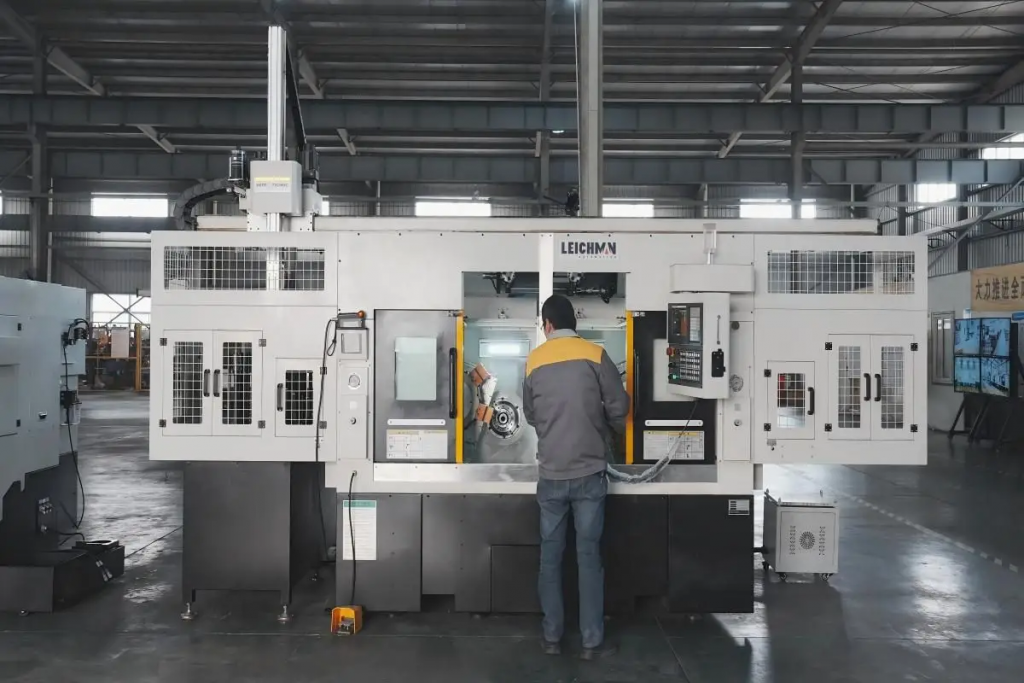
In short, the difference between a machine that frustrates and one that performs is often small but specific: the right controller setup, matched power systems, and realistic acceptance tests. I urge you to be deliberate. Ask for live demos, insist on test runs with your programs, and verify service terms. If you do, you’ll see fewer surprises and more steady production. For sourcing, suppliers like Leichman offer documented tests and clear specs — and that matters when you want machines that just work.

0 comments
0 FacebookTwitterPinterestEmail

Picture a world where automotive innovation is not just a dream but a reality, driven by the revolutionary power of 3D printing automotive. Why do so many automotive enthusiasts face obstacles when seeking custom parts or innovative vehicles? The traditional manufacturing processes are often marred by delays, high costs, and limited customization options. With a 3D printer for automotive parts, however, these challenges begin to disappear, setting the stage for a new era in vehicle design and manufacturing.

Understanding the Flaws of Traditional Automotive Solutions

Traditional manufacturing methods, though once revolutionary, have their shortcomings—long lead times, excessive waste, and hefty price tags. Think about it: why do failures always occur during conventional production runs? Often, the answer lies in inefficiencies. A small error can necessitate an entirely new production run, leading to annoyingly high costs and time wasted. It’s no surprise that the automotive industry is seeking alternatives. Enter 3D printing—where every layer counts and flexibility reigns supreme.

The Science Behind 3D Printing Technology

So, what makes 3D printing such a game changer? This technology utilizes additive manufacturing, where materials are built up layer by layer to create precise parts, enabling an unprecedented level of customization. The key principles? Efficiency, precision, and the ability to materialize complex designs that traditional methods could never achieve. And yet, the benefits don’t stop there—3D printed parts can significantly reduce material waste and production costs, paving the way for a more sustainable future.

Benefits of Embracing 3D Printed Parts

The quantifiable benefits that come from adopting 3D printed automotive parts are astounding. Drivers can access tailor-made components that improve performance, enhancing both safety and efficiency. Want quicker production times? Look, it’s simpler than you think—parts can often be produced in mere hours. Furthermore, the option to prototype items ensures that designs can be tested and modified quickly, saving both time and resources. As manufacturers adopt this technology, the automotive world transforms into a playground of innovation.

A Roadmap to Choosing the Right Solutions

When considering your journey into the realm of 3D printing, always verify these 3 metrics: 1) Material compatibility—what materials are available for your specific needs? 2) Print accuracy—how precise are the parts being produced? 3) Cost efficiency—does the investment truly benefit your automotive aspirations? With the right approach, the road ahead can be paved with success.

To truly harness the powers of innovation, automotive creators must consider investing in a 3D printer for automotive parts. It revolutionizes how parts are created—delivering precision and customizability that traditional manufacturing struggles to match. From prototypes to final products, the advantages are unmistakable. With nearly limitless design possibilities, why not steer your projects toward this groundbreaking technology? Not only does it enhance performance and design, but it also empowers innovation without the constraints of conventional methods.

Furthermore, the emergence of 3D printed automotive parts offers an exceptional advantage. These parts can directly address the unique needs of drivers and manufacturers alike. Imagine the possibility of printing components that are tailored precisely to the specifications—from weight considerations to advanced aerodynamics. As this technology evolves, the capabilities only expand, allowing for even greater advancements in automotive design. Those who embrace this movement stand at the forefront of change within the industry.

In conclusion, investing in a 3D printer not only personalizes your automotive projects but also leads a path toward efficiency and sustainability. When thinking of a manufacturer that offers an advantage in supply, look no further than SoonSer. Their expertise in the field ensures that your transition into the 3D printing realm is as seamless as possible. Embrace the changes today—they’re not just the future; they’re the now!

0 comments
0 FacebookTwitterPinterestEmail

A Quiet Start: Seeing the Choice Before the Vows

You step into a calm showroom. The glass reflects your breath and the soft glow of the rings. Many brides and partners look for bridal sets because they want harmony from day one. You compare a yellow gold bridal set to other styles and metals, and your heart leans warm. Across many stores, more than a third of couples now ask for yellow gold, and the number keeps rising (soft light, rich tone, timeless feel). But the choice can feel heavy. Karat weight and alloy blend matter. The value and the daily wear both live in those details.

bridal sets

So here’s the quiet question that brings peace: how do you avoid small mistakes that become long care? How do you line up color, fit, and life—without losing the joy? The path is not loud. It is simple, but not shallow. We look under the surface and listen for the points that sting later. Then we match them with clear tests. Think of it as a gentle practice, not a rush. Hold the ring. Watch the light. Ask the right questions—and breathe. Let’s step from the swirl into steady ground, one layer at a time.

Under the Surface: The Real Friction Points

Where do buyers stumble?

The first hidden snag is color drift. Not all “yellow gold” looks the same. A 14k alloy uses more strengthening metals, so the hue is slightly cooler; 18k carries more pure gold, so the tone is richer and softer. When the engagement ring and the band come from different makers, their alloy recipes can clash. Under daylight, the mismatch shows. Prong setting durability also shifts by karat: 18k prongs feel luxe but can wear faster; 14k prongs hold shape longer. Add in nickel or copper content and you now have comfort and skin reactions to weigh. Look, it’s simpler than you think—line up karat, alloy, and maker to keep color and strength steady.

Fit is the next quiet pain point. Halo and channel settings can block a true flush fit, so the band gaps or tilts. Micro-pavé brings sparkle, but tiny melee diamonds need firm seat work and clean polish; poor annealing or rushed finishing can loosen them over time—funny how that works, right? A heavier crown can spin on slim fingers unless the shank has balance or a comfort-fit profile. Daily life adds more tests: snag risk under gloves, routine cleanings, and service intervals to retighten prongs. In short, the old “buy by photo” habit fails. You need real checks: hue match, prong integrity, and contour alignment before you say yes.

bridal sets

Looking Ahead: Smarter Ways to Compare and Decide

What’s Next

New tools make the comparison clearer—and calmer. A jeweler can use a colorimeter to map alloy hue, so your engagement ring and band match within a small difference you can’t see in normal light. CAD fit modeling shows how a halo or cathedral shoulder meets the band, so you know if it will sit flush or need a contoured shadow band. Digital try-on helps, but a 3D-printed sizing model tells the real story on your hand. Pair that with a simple loupe check for prong seating and you get both art and engineering in one visit. If you’re weighing bridal sets diamond rings, these steps turn guesswork into a gentle, grounded choice.

There’s more on the horizon. Labs now laser-map micro-pavé seats to tighten consistency. Vickers microhardness tests reveal prong wear resistance before you buy. Some makers use micro-CT to scan for internal voids in cast parts, improving long-term stability. Ethical sourcing shows up through chain-of-custody logs, and that adds quiet value you can feel every day. The aim is simple—beauty that lasts. The method is modern: measure, model, and verify. Small checks, steady joy. And yes, these steps save time and repairs later—your future self will thank you.

How to Measure a Wise Choice

Here’s a clear, practical close. Use three metrics when you compare yellow gold options. First, color harmony: keep karat consistent and ask for a documented alloy blend; aim for a tight hue match between rings under daylight and warm light. Second, stone security: review prong setting work under a loupe, ask about micro-pavé seating and finishing, and seek a service plan for retightening every 6–12 months. Third, fit and wear: test flush fit with your actual engagement ring (or a precise CAD/printed model), check balance on the finger, and confirm a comfort-fit shank if you use gloves or type often. These simple measures turn risk into peace. They protect brilliance, keep the tone you love, and reduce surprise costs. In the end, the best set is the one that feels true today and steady tomorrow—held by craft you can see. Quiet craft. Clear tests. And a calm yes with Vivre Brilliance.

0 comments
0 FacebookTwitterPinterestEmail

A Scenario of Modern Insecurity

Imagine a chilly winter evening; a delivery driver struggles to leave your parcel at your doorstep. Suddenly, he notices your home’s open window and a shadow lurking inside. Did you know that over 2 million break-ins occur each year in the U.S. alone? The question looms: how can a simple smart device, like a smart WiFi door lock, enhance your security and alleviate such fears?

smart wifi door lock

Revealing Traditional Security Flaws

Let’s talk about traditional locks. I vividly recall a friend’s desperate attempts to recover a key that had been lost in the thick of a spring cleaning frenzy. Conventional locks can pose significant challenges—what a headache! They often lack the sophistication to deter modern criminals equipped with tools far beyond a simple lockpick. Enter the best WiFi deadbolt. This gem not only secures your home but allows you to control access remotely with your smartphone.

How Do Smart Locks Innovate Security?

Smart locks utilize technology to solve common pain points. For instance, you never have to worry about keys again (they can just disappear!). With features like auto-locking, temporary access codes for visitors, and security alerts directly to your device, the best WiFi deadbolt elevates security to an unparalleled level of convenience and peace of mind. Trust me; this level of control is revolutionary!

smart wifi door lock

Looking Ahead: The Smart Lock Industry

The smart lock industry is on a compelling trajectory. This isn’t just about convenience; it’s about redefining home security. Think of the possibilities—automated routines that fit seamlessly into your daily life. I remember discussing these advancements with a group of concerned homeowners back in 2021, reflecting on how much our security options have changed since then. Now, security and technology intertwine more than ever, paving the way for unprecedented integrations.

What’s Next for Smart Home Security?

As I observe the trends in smart home security, I consider what lies ahead. The integration of AI for predictive security surveillance and geofencing capabilities makes future smart locks even more appealing. For instance, imagine if your best WiFi deadbolt could learn your habits over time, automatically adjusting settings to match your lifestyle! That’s the future I see on the horizon—a grand confluence of security and technology.

Closing Insights: A Human Perspective

It is clear that a leap toward smarter, more secure technology is not just welcome but necessary. From personal experiences with traditional locks to the thrill of observing the evolution of smart locking systems, I have learned that embracing technology can greatly enhance our lives. When considering solutions, think of the core metrics: reliability, user-friendliness, and adaptability. Smart locks, especially state-of-the-art options like those from DESLOC, aren’t just a fleeting trend—they’re the future of home security. Are you ready to embrace it?

0 comments
0 FacebookTwitterPinterestEmail

The Problem You Only Notice After Installation

Let’s strip it down: total cost of ownership decides value, not the sticker price. A seat manufacturer may promise sleek finishes and quick delivery, but the real test comes months later when the room is full and the hinges start to chatter. When teams shortlist office furniture suppliers, they often weigh catalogue price and lead time above lifecycle metrics. That’s a trap. In audits I’ve seen, maintenance and downtime claims can dwarf the initial saving. So here’s the scenario: a school hall or council chamber gets a 300-seat fit-out; by year two, you’re swapping gas lifts, dealing with wobbly underframes, and chasing spare parts. If most of the stress shows up after handover, why do we keep rewarding the lowest quote?

Where does the friction start?

Technical basics, boet: check the frame, the foam, and the fixings. Poor load rating on the subframe, thin-gauge steel, and uneven powder coating let corrosion creep in. Untested fire-retardant foam can slump and split under UV and heat. Upholstery without a proper Martindale abrasion rating will fuzz and tear. Look, it’s simpler than you think—specs tell stories. Yet spec sheets can also hide gaps: no ANSI/BIFMA reference, no finite element analysis (FEA) mention, no modular spares list. Those omissions turn into call-outs and lost seats — funny how that works, right? The question is simple: are we buying comfort and durability, or just buying time? Let’s move from pain points to a better playbook.

Comparative Insight: Platforms, Not Pieces

Here’s the forward-looking angle. The new benchmark is a seating platform, not a one-off chair. Think modular frames with quick-release brackets, replaceable seat pans, and standardised fasteners across ranges. That means a broken armrest is a five-minute swap, not a two-week RMA. It also means consistent ergonomics across spaces, from boardroom to lecture hall. Compare that with legacy builds that rely on bespoke parts; each repair is a detective job. With platform thinking, inventory shrinks, training gets easier, and the whole fleet stays lekker aligned. And when layouts change, row spacing and seat pitch can be adjusted without re-drilling the slab (ja, your facilities team will thank you).

What’s Next

Material science is the quiet hero. Injection-moulded shells using recycled polymers resist creep. Cold-cured PU maintains shape under load. UV-stable powder coats hold colour. Pair that with FEA-optimised joints and you get fewer squeaks, fewer cracks. Some makers even tag components for traceability, so service teams scan and go. In venues using audience seats, these principles scale beautifully: faster turnaround after events, safer aisles, and cleaner acoustics because loose hardware doesn’t rattle. Semi-formal word to the wise: compare by system, not by chair. One platform can cover classrooms, council chambers, and multi-purpose halls, and that reduces risk across the board. Small change in lens, big change in outcomes.

How to Choose Without Regrets

Advisory close, short and sharp. Use these three metrics when you weigh options:

1) Lifecycle Integrity: Demand validated load rating, ANSI/BIFMA references, and evidence of FEA on high-stress joints. Ask for service interval estimates and parts availability windows in writing.

2) Modularity and Maintainability: Check for quick-release hardware, standardised fasteners, and a published spares catalogue. Time a real part swap; don’t accept a demo unit only. If a seat pan, arm, or backrest can’t be changed on-site, consider it a red flag.

3) Material and Finish Proof: Specify fire-retardant foam grades, Martindale abrasion ratings, and powder-coating test results for salt spray and UV. Request traceability tags for assemblies. Then compare platforms across rooms, not just single SKUs — you’ll see the cost curve flatten. End result: fewer call-outs, tighter budgets, and seats that stay quiet under pressure — funny how quiet equals quality, right?

None of this is hype; it’s a practical way to stop paying for the same problem twice. Choose platforms, verify the data, and keep your spaces working as hard as your teams do. For a grounded benchmark in this space, have a look at leadcom seating.

0 comments
0 FacebookTwitterPinterestEmail

Introduction

Picture this: the meeting starts, the CEO leans in, and the room goes quiet—but not clear. Conference room av equipment sits there, a small forest of mics and screens, waiting for someone to make it sing. Two out of five rooms fail basic intelligibility checks in the first minute, according to internal audits from large enterprises, and cross-talk rises by 30% when remote mics are set wrong (yes, it adds up). So why do modern rooms, with all the gear and supposed smarts, still struggle to deliver words that land and stick?

conference room av equipment

Here’s where we compare paths—not to nitpick, but to draw a cleaner sound map for real rooms, real teams, and real results.

Under the Hood: Where Traditional Audio Falters

Why do classic installs still struggle?

Let’s be precise. A conference audio system is a chain: microphones, preamps, DSP, amplifiers, loudspeakers, and a transport layer in between. In many “legacy-plus” rooms, that chain is stitched with mixed impedance loads, manual gain staging, and one-size-fits-all EQ. The result is predictable: uneven SPL across seats, hot mics that don’t gate, and feedback risk when presenters pivot. Add soft codecs and you now juggle AEC, double AEC, and latency drift—fun. Look, it’s simpler than you think. Most pain points start with three weak links: poor mic placement, under-tuned DSP, and unmanaged network traffic.

Traditional fixes often mask, not solve. A ceiling mic array without beamforming acts like a bucket, not a brush. A basic auto-mixer without gain sharing clips when side talk spikes—funny how that works, right? On hybrid calls, Dante or AV-over-IP streams collide with camera feeds unless QoS is set; jitter sneaks in; AEC loses reference. Then there’s the human layer: presenters move, furniture shifts, and the room mode shifts with it. Without room-specific filters, loudspeaker crossover alignment, and stable clocking, you get comb filtering and smeared transients. The hidden pain: teams work harder to listen, ask for repeats, and fall back to chat. The tech isn’t failing; the topology and tuning are.

Shifting the Mix: Principles That Change the Room

What’s Next

Forward-looking rooms lean on three ideas: targeted capture, adaptive processing, and network discipline. Targeted capture means steerable beamforming with lobe control that follows speech zones, not the entire table. Adaptive processing means the DSP pipeline auto-adjusts—AEC tail length, noise gating thresholds, even dynamic EQ that tracks talker distance. Network discipline means prioritizing audio packets with QoS and stable clocking over PTP, so the bus stays clean. In short, the room tunes itself, then lets you fine-tune. When a conference audio system runs on these principles, the mix holds even when the seating plan flips—or when a laptop becomes the codec endpoint. Small detail, big win.

conference room av equipment

Consider a mid-size boardroom upgraded from analog baluns to AV-over-IP with edge DSP nodes at switches. The team moved to gain sharing auto-mixers, beamforming mics, and per-seat SPL targets. Result: 22% fewer “say that again” interruptions, and far cleaner remote feedback paths because AEC had a stable reference and no double-processing. The kicker—funny how that works, right?—is that the loudness didn’t go up; the clarity did. To judge options, don’t chase specs alone. Use three simple metrics. First, intelligibility under motion: does speech stay clear when people turn, stand, and swap seats? Second, network resilience: do Dante streams stay locked when video traffic spikes? Third, DSP transparency: can you track presets, logs, and auto-mixer states without a decoder ring? If those three pass, the rest follows. And if the brand also supports clean interoperability and long-term firmware support, your room will age well, not age out. For deeper solutions built on these ideas, see TAIDEN.

0 comments
0 FacebookTwitterPinterestEmail