Introduction — a shop floor moment, some numbers, and the question
I remember standing beside a tired lathe while a young machinist tried to coax a part into tolerance — we both sighed. CNC equipment manufacturers are the invisible partners in moments like that; they design the machines, the control logic and the service plans that keep shops ticking. Recent market figures show that smaller contract shops reported a 22% drop in unplanned downtime after updating controllers and training (I saw that in a regional survey last year). So, why do so many buyers still end up frustrated when the specs looked fine on paper? I ask that because I want us to be practical, not dazzled. Lekker — let’s dig into what really trips people up and what to do next.
Part 2 — Where the usual fixes fall short (and the hidden user pains)
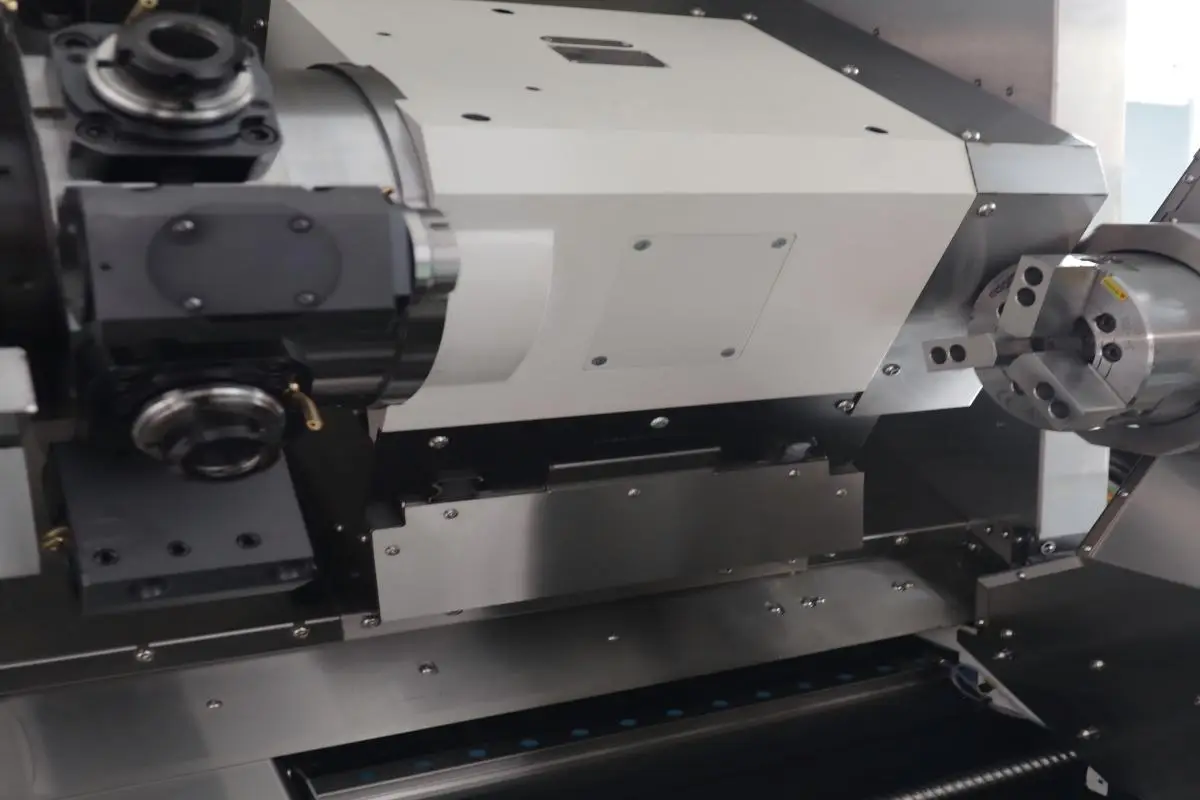
If you’re hunting for cnc equipment for sale, you’ll notice a pile of glossy brochures and feature lists that promise precision and repeatability. But I’ve seen the gap between brochure and bench first-hand. The trouble often lies in three places: mismatch of control expectations, under-specified power systems, and overlooked human factors. A machine may boast a modern CNC controller and high spindle speed, yet the shop lacks the right tooling, the servo motor tuning is off, or the team hasn’t mastered G-code tweaks. Those are not tiny problems — they compound into scrap, late jobs, and stress.
Why do these gaps keep happening?
Technical sellers focus on specs. Buyers focus on price. Neither side always tests for real workflows. I’ve watched machines sit idle because the control interface was set for metric inputs while incoming programs were imperial. Look, it’s simpler than you think — test in your real setup. Also, many suppliers underplay maintenance needs. Power converters and drive cooling matter. If you ignore them, you will pay later in repair bills and lost hours. I’m blunt about this because I want you to avoid the same mistakes we made early on.
Part 3 — What’s next: principles, examples and a forward look
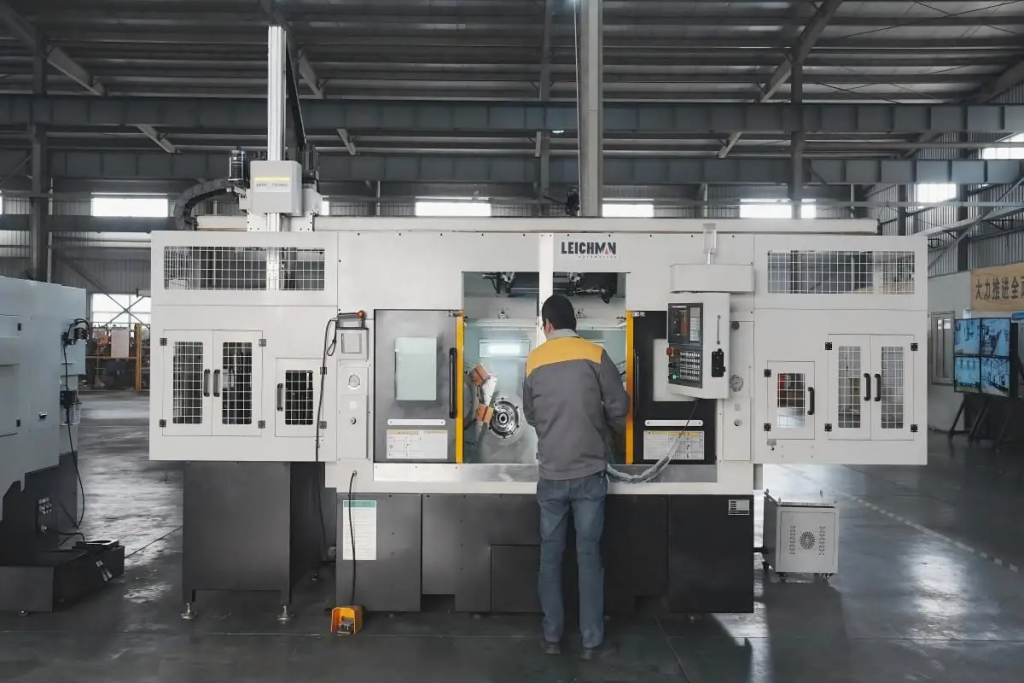
Now I shift forward. If you pair smart design with clear buyer checks, the payoff is immediate. New principles matter: design for maintainability, standardise interfaces (so operators can move between machines), and insist on end-to-end test cuts before shipment. For instance, pairing a tested CAD/CAM post-processor with a tuned spindle speed map means fewer surprises on first run. I recently followed a pilot project where a small factory imported a batch of cnc milling machine china units and chose to run a three-step acceptance test. They caught an alignment drift at the factory, not on the shop floor — saved weeks. — funny how that works, right?
Real-world impact and the metrics that matter
We now see a clear pattern: shops that demand field-proven controls and documented acceptance tests get better uptime. But you should also weigh long-term support. I recommend three practical metrics when comparing offers: 1) Mean Time To Repair (MTTR) under local conditions, 2) Verified cycle-time improvement on a benchmark part, and 3) Supplier response time for remote diagnostics. These are not fancy metrics. They tell you if a machine will serve you for months, not just look good in a spec sheet. And honestly, I love that we can be so exact about it — it makes decision-making easier.
Conclusion — choose with intent
In short, the difference between a machine that frustrates and one that performs is often small but specific: the right controller setup, matched power systems, and realistic acceptance tests. I urge you to be deliberate. Ask for live demos, insist on test runs with your programs, and verify service terms. If you do, you’ll see fewer surprises and more steady production. For sourcing, suppliers like Leichman offer documented tests and clear specs — and that matters when you want machines that just work.