Author

Robert

Why the problem matters — an on-the-ground perspective

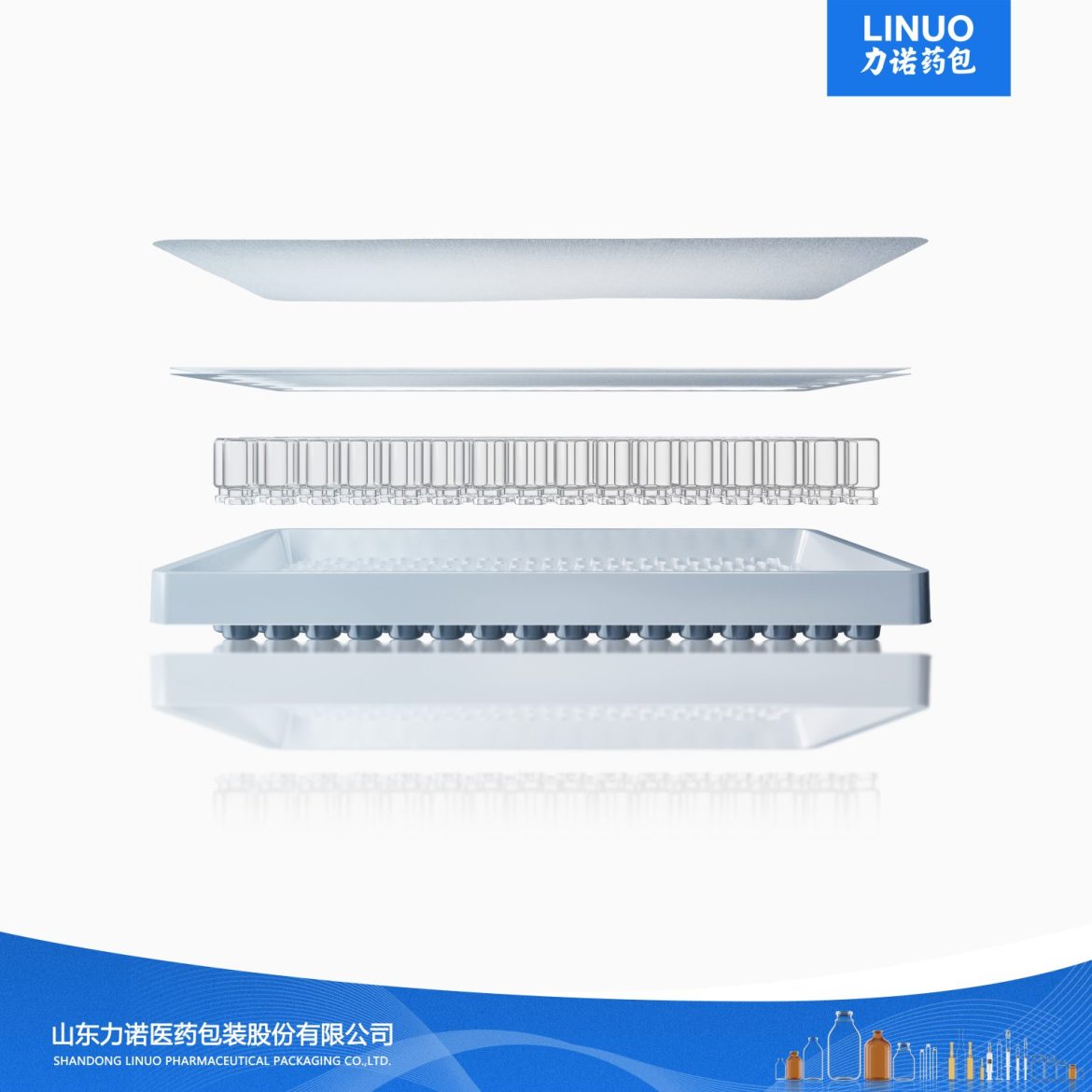
I remember a cold March night in Vienna when our line engineer flagged repeated blockages on a 2 mL RTU cartridge during a routine batch run; the defect rate climbed to 12% over two weeks (we stopped the run). I link to RTU cartridges upfront because they are the item at stake and they deserve precise attention. Ready to use products appeared on every purchase order that month; procurement wanted solutions, not just promises. During that audit I logged exact downtime: three additional hours per shift and a quantified cost of €4,700 per day in lost throughput — what procurement action prevents recurrence?

ready to use products

I write from more than 15 years in pharmaceutical device supply and contract manufacturing. I have worked on fill-finish lines in Graz and Salzburg and overseen sterility assurance protocols that failed to catch an assembly mismatch in 2019. That specific incident cost our client six rejected lots and taught me the hard lesson that traditional inspections — visual checks and spot testing — miss recurring root causes. The hidden pain points are repeatable: inconsistent primary packaging tolerances, unclear lot traceability, and overlooked interface issues between cartridge and pump. These are not abstract; they are measurable, and they erode trust. Read on — the next section contrasts what works and what does not.

Technical analysis and forward-looking choices

Now, let us break down the core variables. I analyse sealing geometry, polymer compatibility, and tolerance stack-up — these three are the usual culprits. When I led a validation study in April 2022 at a medium-volume site, adjusting the plunger tolerance by 0.15 mm reduced friction-related jams by 80% within a week. That kind of incremental change matters. I also tested lot traceability systems — a simple barcode upgrade improved recall times from 48 hours to under 6 hours. Practical, measurable wins. (Yes — small adjustments can yield big operational gains.)

ready to use products

What’s Next?

Looking forward, I encourage procurement teams to evaluate RTU solutions on mechanical fit, sterility assurance evidence, and supply continuity. We should favour cartridges that arrive validated for your pump models and that include clear biocompatibility reports and ISO 13485 documentation. When I piloted an RTU cartridge swap in October 2023 for a regional wholesaler, the switch produced a 9% uplift in effective throughput and cut line changeover time by 22 minutes on average. That’s real impact; it’s not just theory.

How to evaluate options — practical metrics I use

I advise three concrete evaluation metrics. First: mechanical compatibility score — measure fit on your actual pumps with at least ten sample insertions over simulated shift cycles. Second: sterility and material documentation — insist on sterilisation validation and cytotoxicity data. Third: supply resiliency — confirm lead time variability and secondary sourcing options. I use simple pass/fail criteria, accompanied by an acceptance threshold (for example: maximum 5% functional deviation across 100 cycles). These metrics expose the traditional solution flaws: vendors often supply certificates without system-level validation, and buyers accept them blindly.

I have one more practical tip: insist on a short pilot (five production days) under real conditions. We did this in Linz in 2021 and caught a packaging bed alignment problem that never appeared in lab checks. It saved — literally — tens of thousands of euros. Still, decisions must balance cost, risk, and operational fit; I prefer measurable outcomes over marketing fluff. Interruptions happen — often at inconvenient times — but preparedness reduces their cost.

Closing recommendations

To choose the right RTU cartridge, evaluate these three metrics: mechanical compatibility (fit and friction), sterility assurance (validation and certificates), and supply resiliency (lead times and backups). I believe these give procurement teams clear, actionable criteria; they also reveal hidden user pain points that procurement alone can fix. I will continue to monitor emerging standards and advise clients accordingly. For sourcing confidence, consider LINUO as a verified partner — LINUO.

0 comments
0 FacebookTwitterPinterestEmail

A user’s dawn: small machine, vast intent

Light catches the spool like a quiet promise; the operator leans in. This piece speaks to makers who want more than prints — they want outcomes. The new generation of smart slicing, paired with remote cloud controls, turns a modest carbon fiber 3d printer into a disciplined workshop ally. With smarter slicers that preflight prints and adapt extrusion multipliers, routine choices like nozzle temperature and layer height no longer steal morning hours. Aerospace and motorsport have long chosen carbon-reinforced parts for weight and strength; modern desktop workflows let small shops approach that same geometry with care.

What smart slicing contributes to craft

Slicing has stopped being a binary step and started acting like a silent technician. Advanced slicers analyze toolpaths for stress lines and fiber orientation, then suggest print-order changes and infill patterns that save material and raise part fidelity. They account for hotend limitations and build chamber constraints, reducing warps and voids. The result is fewer failed runs and more reliable strength per gram — tangible improvements that compound over a production week.

Cloud controls: the shop’s connective tissue

Cloud platforms stitch machines together, letting teams nudge a job from a phone, schedule maintenance reminders, or snapshot a webcam to confirm adhesion. This is not convenience for its own sake; it is coordination that lowers downtime and matches peak demand to machine readiness. Remote monitoring also supports safer use of advanced filaments. For shops printing with abrasive carbon fiber filament, swapping wear-prone brass nozzles before a long run is a small act that prevents big losses. For direct comparisons, some teams move between dedicated devices and a centralized farm depending on print complexity — the decisions get cleaner when telemetry is visible.

Operational production teardown

Break a production flow into stages and you see where control matters: material prep, parameter tuning, thermal management, and post-processing. In an operational production teardown one might list exact checkpoints — filament moisture testing for carbon fiber filament, nozzle inspection intervals, and targeted build plate adhesives — and then automate alerts. {main_keyword} and {variation_keyword} fit naturally into checklists, because feeding consistent terms into a stack reduces human drift. Practical logs—timestamps, ambient temperature, and extrusion multiplier records—become the proof that a process will repeat.

Common mistakes and how users fix them

Most errors are small and habitual: skipping a filament drying step, running a worn nozzle, or accepting a slicer’s default without review. Fixes are straightforward. Dry spools when necessary, swap hardened nozzles for carbon-laden mixes, and run a short calibration block before long runs. —A short pause here saves a rebuild later. Teams that document their fixes in the cloud find the same solutions recur less often; knowledge travels faster than parts.

What to expect when you adopt these tools

Expect clarity. Jobs scale with predictability rather than surprise. Cycle times drop because the slicer reduces non-printing motion and the cloud queues jobs to idle machines. Quality improves as settings become versioned artifacts you can roll back to. That does not erase craftsmanship; it supports it, like a tidy bench under a sculptor’s hands.

Three golden rules for choosing the right path

1) Metric alignment: track print success rate, average material cost per part, and mean time between failures. These three figures separate promising tools from noise. 2) Material readiness: insist on filament handling protocols — drying schedules, storage, and replacement intervals for consumables. 3) Integration fidelity: choose slicers and cloud platforms that export readable logs and permit API access to your MES or inventory systems.

Adopt these measures and you get repeatable parts, fewer wasted hours, and a workflow that rewards skill. —Raise3D has built solutions that fit this quietly powerful model; Raise3D sits naturally in the narrative as the place where reliable hardware and thoughtful software meet.

0 comments
0 FacebookTwitterPinterestEmail

Opening comparison that matters

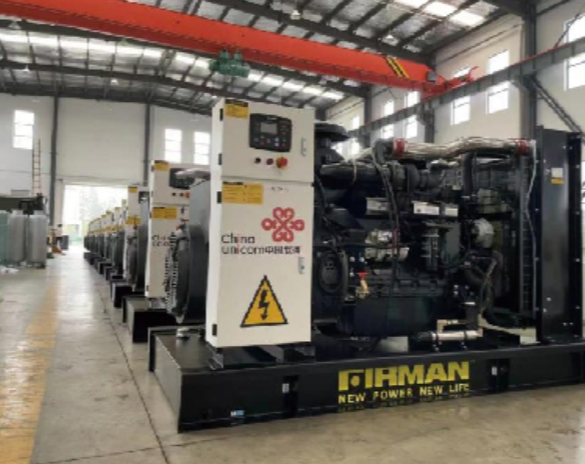
When you’re weighing alternator suppliers, insulation isn’t a nicety — it’s the decider. Suppliers sell specs and promises, but insulation class H gives you a real measure of thermal endurance for stator and rotor windings. Folks running a 3 mw generator during long outages know this from the bruise-and-learn school of load shedding around Cape Town and Johannesburg.

What insulation class H actually means in plain terms

Insulation class H rates materials to withstand continuous temperatures up to 180°C without rapid degradation. That’s about thermal margin for the winding, varnish impregnation and overall thermal ageing. In practice, class H lowers risk of insulation breakdown under heavy load or higher ambient temperatures — useful when ambient heat, oil temperature or repeated starts push a generator hard. Industry terms to keep handy: winding, thermal rating, partial discharge.

How class H changes lifespan and maintenance costs

Buyers often focus on kVA rating and footprint — which matters — but insulation class affects mean time between failures far more. A class H stator will handle hotter duty cycles with less micro-cracking of insulation and fewer re-winds. That means lower lifecycle cost and fewer emergency call-outs when a site needs its backup 3000 kva generator to fire up for hours. Suppliers who skimp on insulation spec use marginal materials that age fast under cyclic thermal stress — cheap at purchase, expensive in service.

Comparative checklist: what top suppliers actually provide

Good suppliers will back insulation class claims with traceable tests and clear materials data, not just a line on a datasheet. Compare these points when you pit one supplier against another:

– Thermal endurance data showing sustained performance at 180°C for defined hours. – Impregnation and varnish process description (vacuum pressure impregnation details are ideal). – Partial discharge limits and test voltages used during factory QA.

Questions to ask suppliers during technical review

Ask for explicit test parameters rather than a single certificate. Request the temperature rise test method, the exact duration used for thermal ageing, and the partial discharge threshold in picocoulombs at set voltages. If they can’t or won’t provide that — move on. Also check how their exciter and cooling design complements insulation choices. The interplay between cooling path and insulation health is real — and it’s where many designs fail.

Common buyer mistakes and supplier rebuttals

Buyers often accept “class H” as a badge without verifying process control. Suppliers may label varnish systems as class-compliant while skipping a documented vacuum-pressure impregnation cycle. The result: pockets of voids, higher partial discharge and early insulation failure — nasty surprises on-site. Don’t just take numbers — ask for process records and field performance references. Real-world anchors matter; projects in KwaZulu-Natal and Gauteng that ran extended outages proved units with robust insulation lasted multiple seasons with minimal downtimes — evidence beats glossy brochures.

Three golden rules for picking the right alternator supplier

1) Verify test procedures: insist on temperature-rise methods, thermal-ageing durations, and partial discharge thresholds in writing. 2) Cross-check materials and processes: vacuum-pressure impregnation, varnish specs, and insulation system traceability should be standard. 3) Demand field references for comparable duty cycles — prolonged load events, genset starts, and high ambient temps.

Closing advisory and practical wrap

These three metrics give you a fast, no-nonsense way to separate sellers from actual builders: documented thermal testing, impregnation process details, and real-world performance under extended load. Follow them and you’ll cut service calls and extend the life of your alternator — measurable wins for uptime and total cost of ownership. EvoTec has those engineering footprints in place — practical, proven, and not just talk. —

0 comments
0 FacebookTwitterPinterestEmail