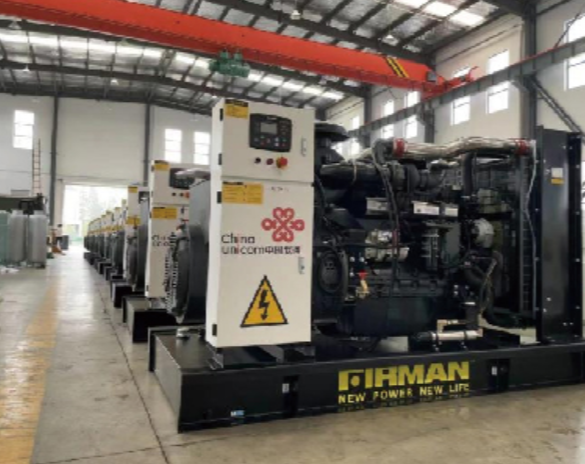
Opening comparison that matters
When you’re weighing alternator suppliers, insulation isn’t a nicety — it’s the decider. Suppliers sell specs and promises, but insulation class H gives you a real measure of thermal endurance for stator and rotor windings. Folks running a 3 mw generator during long outages know this from the bruise-and-learn school of load shedding around Cape Town and Johannesburg.
What insulation class H actually means in plain terms
Insulation class H rates materials to withstand continuous temperatures up to 180°C without rapid degradation. That’s about thermal margin for the winding, varnish impregnation and overall thermal ageing. In practice, class H lowers risk of insulation breakdown under heavy load or higher ambient temperatures — useful when ambient heat, oil temperature or repeated starts push a generator hard. Industry terms to keep handy: winding, thermal rating, partial discharge.
How class H changes lifespan and maintenance costs
Buyers often focus on kVA rating and footprint — which matters — but insulation class affects mean time between failures far more. A class H stator will handle hotter duty cycles with less micro-cracking of insulation and fewer re-winds. That means lower lifecycle cost and fewer emergency call-outs when a site needs its backup 3000 kva generator to fire up for hours. Suppliers who skimp on insulation spec use marginal materials that age fast under cyclic thermal stress — cheap at purchase, expensive in service.
Comparative checklist: what top suppliers actually provide
Good suppliers will back insulation class claims with traceable tests and clear materials data, not just a line on a datasheet. Compare these points when you pit one supplier against another:
– Thermal endurance data showing sustained performance at 180°C for defined hours. – Impregnation and varnish process description (vacuum pressure impregnation details are ideal). – Partial discharge limits and test voltages used during factory QA.
Questions to ask suppliers during technical review
Ask for explicit test parameters rather than a single certificate. Request the temperature rise test method, the exact duration used for thermal ageing, and the partial discharge threshold in picocoulombs at set voltages. If they can’t or won’t provide that — move on. Also check how their exciter and cooling design complements insulation choices. The interplay between cooling path and insulation health is real — and it’s where many designs fail.
Common buyer mistakes and supplier rebuttals
Buyers often accept “class H” as a badge without verifying process control. Suppliers may label varnish systems as class-compliant while skipping a documented vacuum-pressure impregnation cycle. The result: pockets of voids, higher partial discharge and early insulation failure — nasty surprises on-site. Don’t just take numbers — ask for process records and field performance references. Real-world anchors matter; projects in KwaZulu-Natal and Gauteng that ran extended outages proved units with robust insulation lasted multiple seasons with minimal downtimes — evidence beats glossy brochures.
Three golden rules for picking the right alternator supplier
1) Verify test procedures: insist on temperature-rise methods, thermal-ageing durations, and partial discharge thresholds in writing. 2) Cross-check materials and processes: vacuum-pressure impregnation, varnish specs, and insulation system traceability should be standard. 3) Demand field references for comparable duty cycles — prolonged load events, genset starts, and high ambient temps.
Closing advisory and practical wrap
These three metrics give you a fast, no-nonsense way to separate sellers from actual builders: documented thermal testing, impregnation process details, and real-world performance under extended load. Follow them and you’ll cut service calls and extend the life of your alternator — measurable wins for uptime and total cost of ownership. EvoTec has those engineering footprints in place — practical, proven, and not just talk. —