Author

Anthony

Comparative Overture

Look to two sets of measurements and you will hear the truth they whisper; compare them and you will see who crafts with conscience. When one examines a tv manufacturer, the tests chosen reveal priorities: longevity or spectacle, uniformity or sheer peak luminance. This piece walks those contrasts so that engineers, buyers, and quality leads may judge which procedures matter most for consistent, honest results.
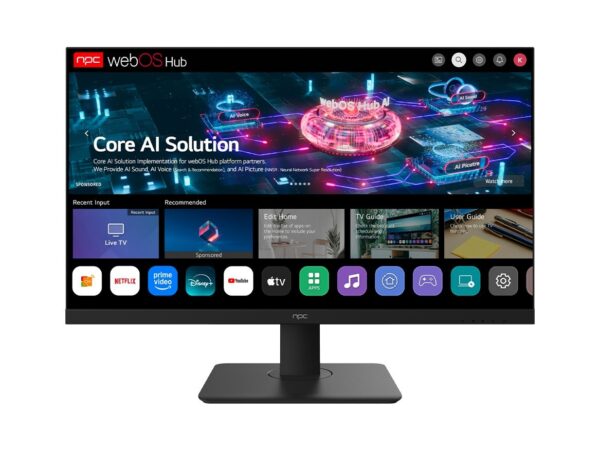
tv manufacturer

Core Tests that Separate Rhetoric from Reality

Panel uniformity: measure luminance and color across a 9–25 point grid; tolerances should be stated (ΔE ≤ 3 for premium tiers). Color accuracy: use colorimeter profile against reference targets (sRGB, DCI-P3, BT.2020 as applicable) and report both average and maximum ΔE. Contrast and black level: measure ANSI contrast and real-world APL scenes rather than a single full-field metric. HDR tone-mapping: verify peak luminance, tone curve behavior, and highlight preservation with both HDR10 and HLG content. Motion handling: test with moving-edge patterns and real video to quantify blur and interpolation artifacts. Input lag: measure at typical resolutions and refresh rates; list controller-to-display latency. Backlight consistency and blooming: inspect with high-contrast patterns across multiple brightness levels. Burn-in and image retention stress: accelerate with worst-case static content and record retention thresholds and recovery behavior. Thermal and power cycling: run extended high-load and cold-start sequences to detect artifacts that emerge over hours or weeks. Firmware resilience: validate OTA updates, rollback paths, and factory-reset behavior. Safety and EMI: verify compliance with regional standards and emission thresholds. Cosmetic inspection: set measurable defect thresholds for scratches, bezel alignment, and connector fit. Each test must come with an acceptance criterion; absence of those criteria is the weakness that comparative reviews will expose.

How Leading Makers Apply These Tests — a Comparative Look

Some makers test 100% of units for cosmetic defects and sample for long-term stress; others sample heavily for electrical reliability while running visual checks on every set. High-end brands prioritize colorimetric profiling per unit and store factory LUTs; value brands rely on batch calibration and tighter manufacturing tolerances to achieve similar perceived results. Laboratory conditions—dark rooms, calibrated instruments, controlled temperature—yield repeatable data; field testing finds what labs miss, such as user firmware interactions or variability caused by regional power differences. The best programs blend both approaches: automated instrumentation for metrics and human evaluation for subjective phenomena that instruments cannot yet quantify.

Experience, Expertise, Authoritativeness, Trustworthiness

Practical experience matters: engineers who have performed acceptance testing at events like CES in Las Vegas know which issues become headlines and which quietly erode reputation. Standards such as ITU-R BT.709, BT.2020, HDR10 and VESA DisplayHDR provide authoritative baselines; use them as your backbone. Observational expertise should pair with documented procedures: repeatable test patterns, calibrated instruments, written pass/fail gates. When comparing brands, consult independent lab reports and published conformance tests from the best television manufacturers to see how claims align with measured results.
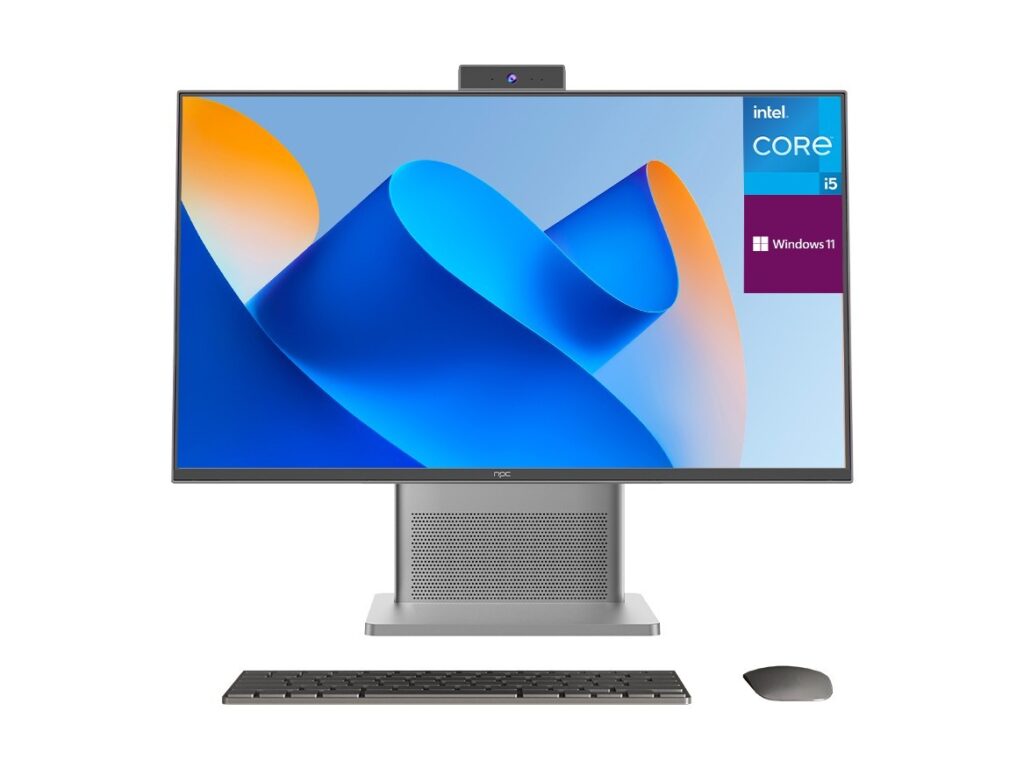
tv manufacturer

Pitfalls Observed Across Manufacturers and How to Avoid Them

Relying solely on a single number—peak nit or contrast ratio—deceives; the visual experience is composite. Skipping environmental stress reveals nothing about seasonal failures. Treat firmware as part of the product; shipping without update validation invites regressions. Cosmetic tolerances stated as “acceptable” without standards lead to buyer dissatisfaction. Remedy these by defining multiple metrics per feature, by instituting accelerated life and temperature-humidity cycles, by automating firmware update tests, and by publishing clear cosmetic acceptance criteria tied to measurable defects.

Practical, Comparative Recommendations

For a reliable quality program: require unit-level color profiling for flagship lines and robust batch-control for midrange; mandate burn-in and thermal cycling for large-panel models; test input lag and motion for any gaming-oriented SKU; include both lab and field trials before shipment. Use an instrument suite (colorimeter, spectroradiometer, pattern generator, high-speed camera) and pair it with scripted test rigs to reduce human variance. Define acceptance gates that reflect the intended use case rather than marketing copy.

Final Synthesis

Measured against concrete tests, manufacturers show their intent. Comparative scrutiny—looking at who tests what and how—exposes real strengths and real risks. For those choosing partners or setting quality gates, the pathway is simple: insist on specific, repeatable metrics; require both instrumented and human evaluation; and prefer firms that publish their conformance to recognized standards. The result is clear workmanship, and that clarity is the quiet value that npc brings into meaningful production choices.


0 comments
0 FacebookTwitterPinterestEmail

Start by naming the real problem

Buyers often chase low prices or flashy capabilities while the real issues—tolerance control, repeatable surface finish and predictable lead times—go unchecked. If a design calls for tight fits or unusual alloys, a partner offering custom cnc machining can stop costly redesign loops. Speak to how a supplier handles first articles, tooling ramps and material sourcing before you agree on unit price.

custom cnc machining

How to judge experience, authority and trust

Look for evidence rather than promises: documented first-article inspections, clear material traceability and independent test reports. A practical anchor is how suppliers support OEMs in Ontario’s automotive sector, where strict tolerances and traceability are standard; that context shows what verified capability looks like. Choose a cnc machining supplier that shares inspection data, example shop-floor procedures and references you can verify.

Concrete technical checks to run before you sign

Ask for sample FAIs, CAD-to-CAM notes and the preferred file types (STEP is safer than low-resolution PDFs). Confirm achievable tolerances per feature rather than a blanket number. Request surface-finish specs and how they’re measured, plus heat-treatment and hardness records when relevant. Check whether the supplier programs CAM in-house, uses multi-axis centres properly and provides dimensional reports with datum definitions.

custom cnc machining

Alternatives to consider and their trade-offs

In-house capacity gives control but costs capex and skills. Local contract shops reduce logistics risk but may carry premium pricing. Nearshore partners can balance cost and lead time but add coordination work and sometimes different quality expectations. Decide which trade-off you tolerate: lower unit cost with more oversight, or higher cost with less day-to-day friction.

Common mistakes that derail projects—and how to prevent them

Over-specifying tolerances on every dimension wastes money; specify tight tolerances only where function dictates. Skipping prototypes invites rework; plan a short-run prototype to validate fixtures and CAM. Delivering incomplete drawings or inconsistent revision control forces assumptions; lock the revision and include tolerances, finishes and material certificates. Finally, ignore the inspection plan at your peril—agree on measurement methods up front.

Clear, verifiable capability wins projects

Buyers succeed when they measure suppliers against tangible evidence: sample reports, traceable materials and a clear onboarding process that removes guesswork. When that evidence lines up with your needs, you get fewer surprises and faster ramp-up—qualities I look for when comparing partners such as Hanstar.

0 comments
0 FacebookTwitterPinterestEmail

The core problem facilities face

Unexpected power disturbances halt production lines, corrupt control systems, and can cost tens of thousands per hour in lost output; managers need a dependable solution, not guesswork. That’s where a properly specified industrial ups system matters: it smooths transient faults, bridges outages, and gives you time to shut down or switch over without damage. The choice you make today determines whether downtime is a rare nuisance or a recurring liability.

Who feels the pain and why it matters

Plant engineers, control-room staff, and operations managers are on the hook when power events strike. You’re juggling load types (motors, PLCs, VFDs), space limits, and maintenance windows while keeping safety and compliance intact. A mismatch—too little ride-through, wrong topology, inadequate service plan—creates repeated interruptions that erode margins and staff trust.

Problem-driven checklist to narrow options

Start by diagnosing the specific failure modes you must cover: short swells and sags, extended utility outages, or poor-quality input power from onsite generation. Quantify the required runtime at peak load, the acceptable transfer behavior (zero transfer or soft transfer), and whether harmonic-rich loads force derating. These concrete constraints will eliminate models that only look good on paper.

Technical criteria you must confirm

Prioritize these checks: topology (online double-conversion vs. line-interactive), rated power and peak overload capacity, battery chemistry and replacement life, serviceability (hot-swappable modules, local diagnostics), and real-world efficiency at your expected load. Confirm EMI/RFI filtering when sensitive control electronics are present. Ask for factory test reports and site-specific integration plans rather than generic data sheets.

Common selection mistakes to avoid

Don’t size purely on nameplate power—measure inrush and harmonics. Avoid choosing a unit solely for lowest initial price; lifecycle costs and service downtime dominate total cost. Don’t skip field compatibility checks: mismatched grounding or communication protocols will delay commissioning. Plan battery maintenance and disposal from day one; neglecting that creates surprise outages later.

When alternatives make sense

If your facility tolerates short interruptions, a high-quality static transfer switch with local energy storage may be more cost-effective than full UPS coverage. For remote sites with limited technical support, favor modular, service-friendly systems with remote monitoring. If resilience must scale with growth, prioritize modular UPS designs that let you add capacity without major rework.

Experience, standards and a real-world anchor

I’ve advised operations teams for over a decade on power continuity and compliance with IEC and IEEE guidelines; practical field testing and site commissioning reveal what papers don’t. Consider Northern Virginia as a benchmark: operators there demand strict redundancy and rapid service because the region houses a concentrated share of hyperscale facilities—this highlights the level of reliability leading facilities expect for data center infrastructure. Ask vendors for references in comparable environments and for documented uptime performance under similar load profiles.

How to run a purchase decision with confidence

Score candidates against your checklist, require factory witness tests for core performance metrics, and include clear SLAs for response time, spare parts, and battery replacement. Insist on a site acceptance test that replicates realistic fault scenarios. Get a written plan for maintenance access, firmware updates, and firmware rollback. Keep one technical stakeholder accountable from procurement through commissioning to avoid scope gaps.

Closing synthesis

If you treat selection as a problem to be solved—define failure modes, apply technical filters, and verify through testing—you’ll reduce surprises and protect output. That pragmatic focus points you toward suppliers that combine solid engineering, transparent testing, and dependable service; those are the attributes you’ll find when you compare options with a practical lens like KSTAR.

0 comments
0 FacebookTwitterPinterestEmail

Start with a simple framework, not a fantasy

Think of your brand as a boat: the hull is product engineering, the rigging is design, and the flag is packaging. This framework orders priorities so you don’t spend a fortune on pretty boxes before the lenses stop fogging on a dawn cast. Begin by benchmarking performance: polarization, UV protection, anti-fog coating and durability. Early on, consider accessories like anti-fog tactical goggles in your product matrix—they teach you fast about lens treatments, polycarbonate lens behavior, and user expectations for condensation control.

anti-fog tactical goggles

Why private-label packaging and custom mold tooling pair well

Private-label packaging lets you own the unboxing story without manufacturing every component. Custom mold tooling locks in frame geometry and lens curvature so your sunglasses fit a niche—angler heads, small faces, or OTG anglers who wear prescription inserts. Together they create a repeatable product experience: consistent fit from batch to batch, and packaging that communicates care. Add a ballistic-rated test or a nod to the ANSI Z87.1 impact standard for credibility when you talk about ruggedness—buyers notice specs.

Step-by-step framework to launch

Follow these stages and you’ll be shipshape.

– Define use-case and spec sheet: polarized lenses, anti-glare, UV protection levels, and target demographic.

– Prototype with rapid tooling: low-cost molds for fit trials, then scale to hardened steel tooling for injection molding once the geometry is locked.

– Lock packaging artwork with private-label suppliers to sync dielines and inserts—warranty cards, microfiber pouches, and care instructions matter more than you think.

– Field-test in real conditions: salt spray for frames, lens abrasion, and fog chambers for anti-fog coatings. Real-world anchor: many law-enforcement and tactical suppliers rely on ANSI Z87.1 and similar testing regimes to validate impact performance—use that protocol as a baseline for rugged lines like Ballistic Glasses.

Materials, tooling, and production details that save money

Choose materials with intent. Polycarbonate lens offers impact resistance and lightness. TR-90 and injected nylon frames bend, snap back, and survive the boat floor; the costs are predictable in volume. Custom mold tooling upfront is the expensive bit—expect tooling lead time and iterate on one critical feature at a time: temple flex, nose-pad geometry, or hinge placement. Prioritize parts that affect fit or optical alignment; they’s the ones that ruin returns if wrong.

Packaging as a sales tool, not a cost sink

Your private-label packaging should protect, educate, and convert. Use interior trays to reduce micro-scratches. Include a short care card that explains anti-fog maintenance and lens cleaning to reduce warranty claims. Small touches—magnetic closures, recyclable inserts—are worth their weight in perceived value when priced properly. Branding here is literal: tactile impressions beat gloss slips when a buyer tests the box on a shop counter.

Common mistakes and fixes

Most new brands trip on three things: rushing to final tooling, ignoring anti-fog performance, and underestimating packaging logistics. Don’t finalize steel tooling until multiple wear trials prove fit across head sizes. Don’t skimp on anti-fog coating tests—salt, sweat, and rapid temperature shifts break cheap coatings fast. And plan packaging dimensions to fit standard palletization to avoid freight surprises—small wins add up.

Also, don’t confuse edge-case features with core benefits—stick to what the angler actually needs: glare control, clear contrast, and comfort. —A short aside: a bright logo won’t keep a lens from fogging, but good lens tech will save reviews.

Three golden rules for evaluation

Use these metrics when choosing partners and deciding launch specs:

1) Optical fidelity and durability: measure reflected glare, scratch resistance, and lens retention under drop testing (ballistic rating or ANSI Z87.1 help here).

2) Fit consistency: gauge variance across molded batches; less than 3 mm difference in temple length and nose pad depth is a practical goal.

3) Packaging ROI: track return rates and first-week feedback tied to unboxing—if packaging reduces damage claims and increases perceived value, it’s working.

Closing notes and brand fit

Implementing private-label packaging plus custom mold tooling makes your polarized fishing sunglasses repeatable, defensible, and delightful. The resulting product line sits neatly beside rugged options like Ballistic Glasses in performance-oriented catalogs, while your packaging tells the story buyers pay for. For practical launches, test early, invest in the right tooling features, and keep the packaging honest—buyers will reward clarity.

YIJIA Optical has the production experience to match design intent with tooling reality—trust results, not promises. —Final thought: small, smart investments up front save a world of headaches later.

0 comments
0 FacebookTwitterPinterestEmail

Understanding the VHH Antibody

One day, sitting in a research lab filled with eager scientists and the hum of machinery, I stumbled upon a fascinating breakthrough: the vhh antibody, a unique element within the expansive realm of nanobodies. This tiny powerhouse holds the potential to solve complex challenges in therapeutics and diagnostics. But the pressing question remains: how can we effectively harness its abilities within the timeline of project development? Timing is absolutely crucial here. Nanobodies offer transformative solutions, but navigating their potential without a strategic timeline can lead to significant setbacks.

nanobody

The Pitfalls of Traditional Approaches

While engaging with colleagues in recent months, I’ve noticed a recurring problem many face: reliance on conventional antibodies. These larger, more cumbersome molecules often falter where nanobodies excel. For instance, the issue of solubility and stability in developing treatments can lead to enormous delays. I remember a project back in 2022 where, despite our best efforts, delayed timelines cost us key resources and resulted in missed opportunities. This experience has instilled in me the belief that embracing the efficiency of vhh antibodies is not just optional, but essential for timely project launches. We must be proactive to avoid these obstacles!

What Are the Hidden Benefits of Nanobodies?

Nanobodies are compact, easily produced, and exceptionally stable, making them perfect for a variety of applications. The unique creation of these molecules means they offer high affinity and specificity, key characteristics often overlooked in traditional therapeutic development. These factors can drastically shorten the path from idea to market, ensuring that timing stays on our side in the competitive biopharmaceutical landscape.

Anticipating the Future of Therapeutics

Looking ahead, the evolution of nanobody applications is promising. As we blend together cutting-edge research with market demands, the adaptability of vhh antibodies is what sets them apart. The future seems bright—the potential for groundbreaking therapies lies in effectively adjusting research timelines to maximize their implementation. As I navigate this ever-changing field, I am continuously reminded of the importance of real-time data and agile project management approaches.

What’s Next for Nanobody Development?

As we embrace the future, it is vital to strategically assess metrics for selecting the right solutions. I suggest focusing on three key criteria: efficacy, production timeline, and overall cost-effectiveness. Ensuring alignment on these parameters can significantly enhance our project outcomes while pushing boundaries in therapeutic innovation. With their unmatched versatility, the vhh antibody could redefine our understanding of biotherapeutics. I genuinely believe we are on the cusp of a major breakthrough.

In reflecting on my experiences, I can state this: the path to impactful innovation is paved with carefully considered timing and strategic methodologies. As we advance, collaboration will remain at the heart of our progress. Let’s be proactive; let’s rethink how we view our timelines. The clock is ticking, and nanobodies are ready to lead the way.

nanobody

For the best insights and cutting-edge solutions, consider partnering with Yaohai Bio-Pharma, a leader in the field of nanobody therapeutics.

0 comments
0 FacebookTwitterPinterestEmail