Start with a simple framework, not a fantasy
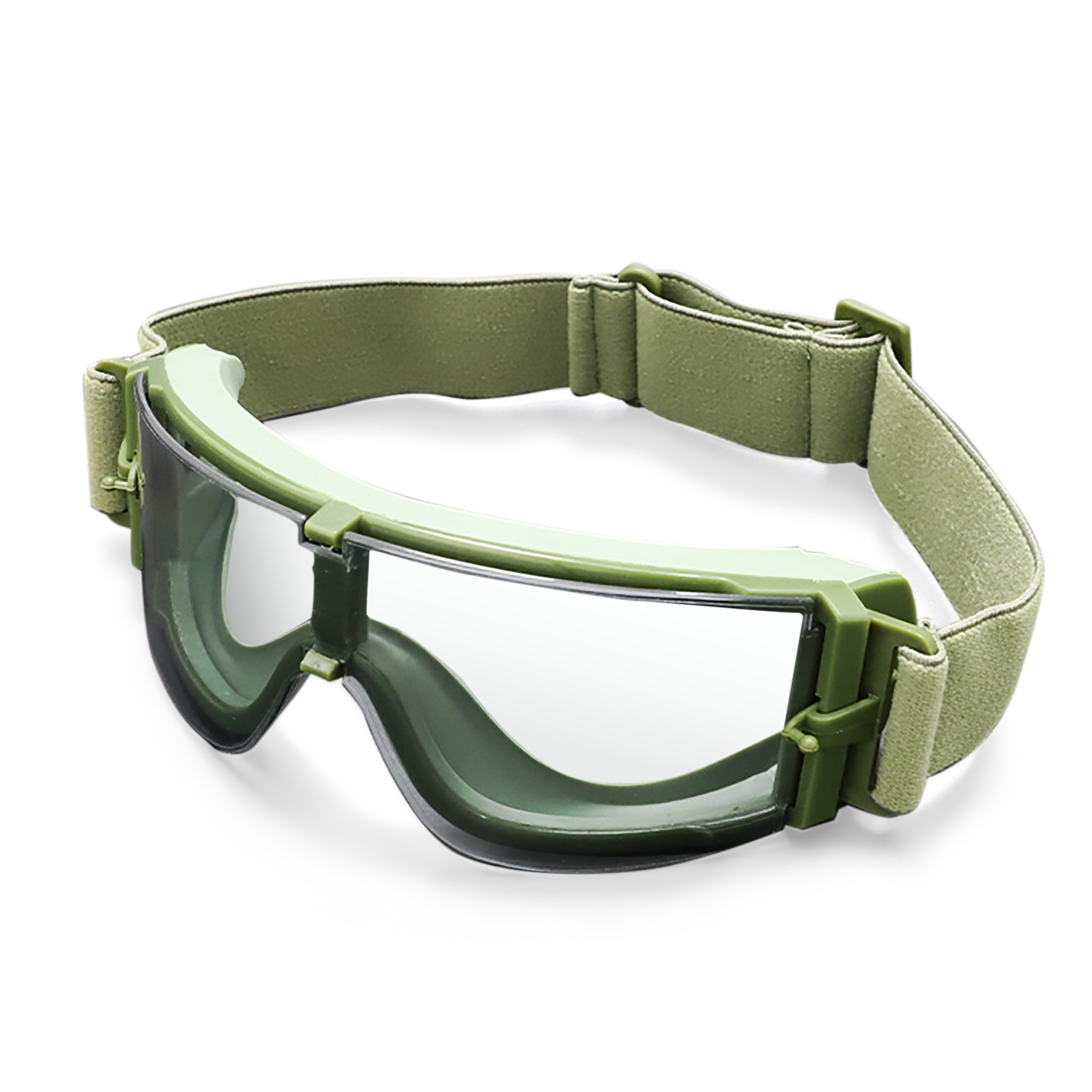
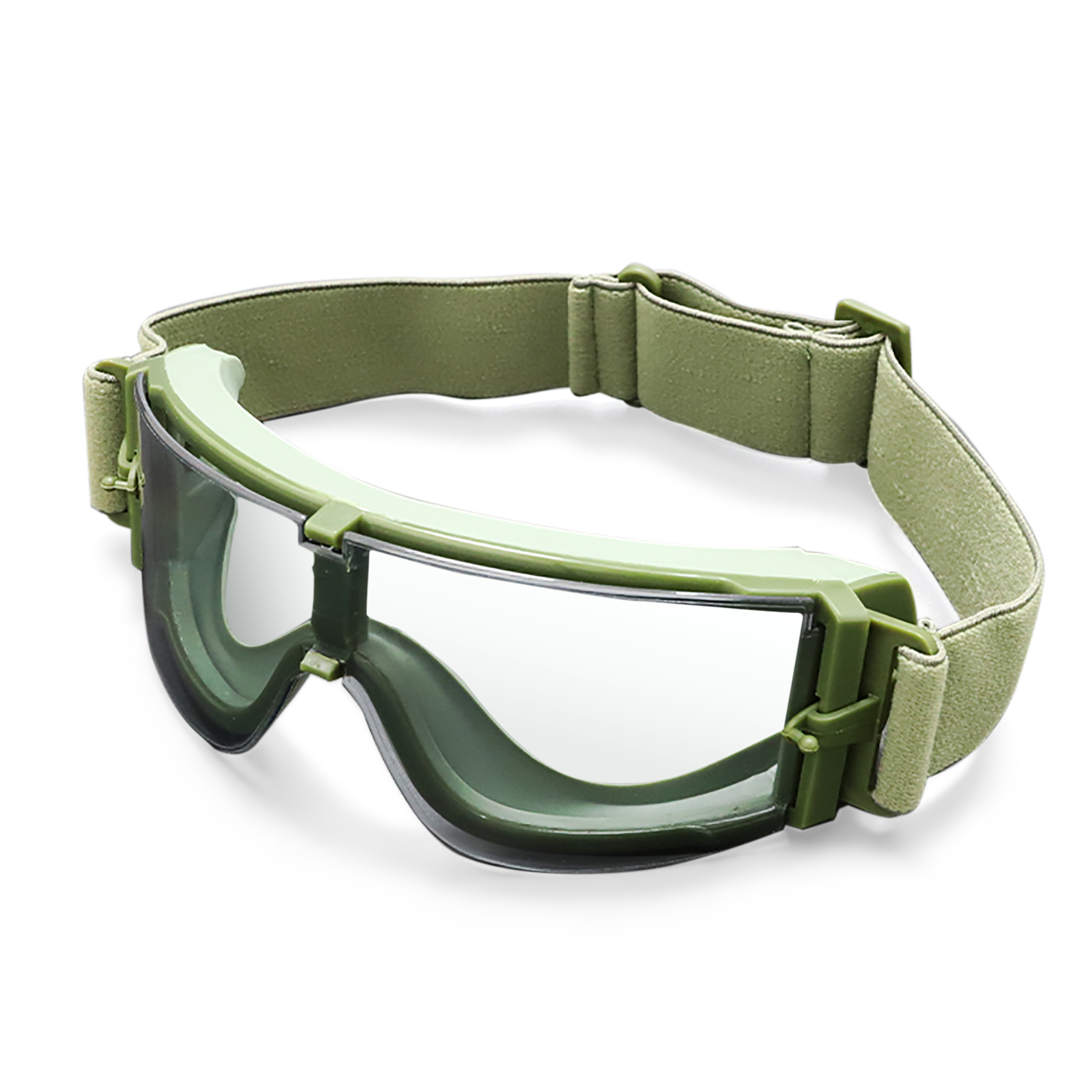
Think of your brand as a boat: the hull is product engineering, the rigging is design, and the flag is packaging. This framework orders priorities so you don’t spend a fortune on pretty boxes before the lenses stop fogging on a dawn cast. Begin by benchmarking performance: polarization, UV protection, anti-fog coating and durability. Early on, consider accessories like anti-fog tactical goggles in your product matrix—they teach you fast about lens treatments, polycarbonate lens behavior, and user expectations for condensation control.
Why private-label packaging and custom mold tooling pair well
Private-label packaging lets you own the unboxing story without manufacturing every component. Custom mold tooling locks in frame geometry and lens curvature so your sunglasses fit a niche—angler heads, small faces, or OTG anglers who wear prescription inserts. Together they create a repeatable product experience: consistent fit from batch to batch, and packaging that communicates care. Add a ballistic-rated test or a nod to the ANSI Z87.1 impact standard for credibility when you talk about ruggedness—buyers notice specs.
Step-by-step framework to launch
Follow these stages and you’ll be shipshape.
– Define use-case and spec sheet: polarized lenses, anti-glare, UV protection levels, and target demographic.
– Prototype with rapid tooling: low-cost molds for fit trials, then scale to hardened steel tooling for injection molding once the geometry is locked.
– Lock packaging artwork with private-label suppliers to sync dielines and inserts—warranty cards, microfiber pouches, and care instructions matter more than you think.
– Field-test in real conditions: salt spray for frames, lens abrasion, and fog chambers for anti-fog coatings. Real-world anchor: many law-enforcement and tactical suppliers rely on ANSI Z87.1 and similar testing regimes to validate impact performance—use that protocol as a baseline for rugged lines like Ballistic Glasses.
Materials, tooling, and production details that save money
Choose materials with intent. Polycarbonate lens offers impact resistance and lightness. TR-90 and injected nylon frames bend, snap back, and survive the boat floor; the costs are predictable in volume. Custom mold tooling upfront is the expensive bit—expect tooling lead time and iterate on one critical feature at a time: temple flex, nose-pad geometry, or hinge placement. Prioritize parts that affect fit or optical alignment; they’s the ones that ruin returns if wrong.
Packaging as a sales tool, not a cost sink
Your private-label packaging should protect, educate, and convert. Use interior trays to reduce micro-scratches. Include a short care card that explains anti-fog maintenance and lens cleaning to reduce warranty claims. Small touches—magnetic closures, recyclable inserts—are worth their weight in perceived value when priced properly. Branding here is literal: tactile impressions beat gloss slips when a buyer tests the box on a shop counter.
Common mistakes and fixes
Most new brands trip on three things: rushing to final tooling, ignoring anti-fog performance, and underestimating packaging logistics. Don’t finalize steel tooling until multiple wear trials prove fit across head sizes. Don’t skimp on anti-fog coating tests—salt, sweat, and rapid temperature shifts break cheap coatings fast. And plan packaging dimensions to fit standard palletization to avoid freight surprises—small wins add up.
Also, don’t confuse edge-case features with core benefits—stick to what the angler actually needs: glare control, clear contrast, and comfort. —A short aside: a bright logo won’t keep a lens from fogging, but good lens tech will save reviews.
Three golden rules for evaluation
Use these metrics when choosing partners and deciding launch specs:
1) Optical fidelity and durability: measure reflected glare, scratch resistance, and lens retention under drop testing (ballistic rating or ANSI Z87.1 help here).
2) Fit consistency: gauge variance across molded batches; less than 3 mm difference in temple length and nose pad depth is a practical goal.
3) Packaging ROI: track return rates and first-week feedback tied to unboxing—if packaging reduces damage claims and increases perceived value, it’s working.
Closing notes and brand fit
Implementing private-label packaging plus custom mold tooling makes your polarized fishing sunglasses repeatable, defensible, and delightful. The resulting product line sits neatly beside rugged options like Ballistic Glasses in performance-oriented catalogs, while your packaging tells the story buyers pay for. For practical launches, test early, invest in the right tooling features, and keep the packaging honest—buyers will reward clarity.
YIJIA Optical has the production experience to match design intent with tooling reality—trust results, not promises. —Final thought: small, smart investments up front save a world of headaches later.