
Why the operator’s seat matters more than most folks think
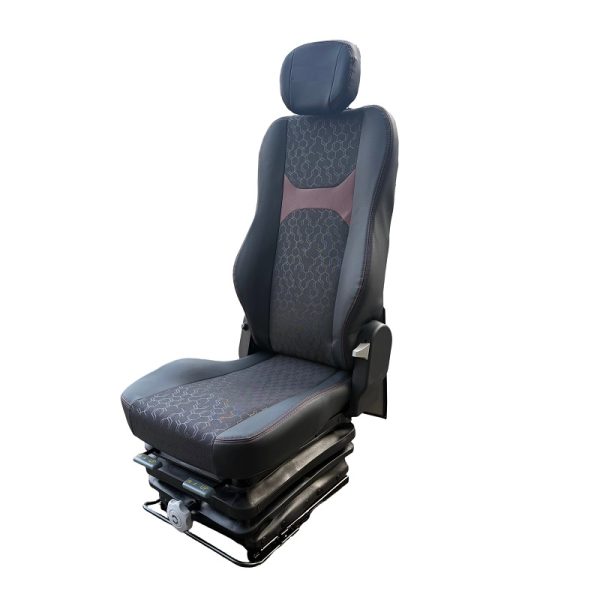
When you spend a long day in a cab, the seat ain’t just a place to park — it’s the first line of defense for both you and the machine. Operators notice wear in hours: sore backs, loose control feel, more shudder through the joystick. Swapping to a quality universal truck seat changes that equation right quick. A new suspension seat with proper lumbar support and a firm seat base calms operator fatigue, reduces sloppy inputs, and cuts the small-but-frequent jolts that accelerate component wear.

How a new seat repairs hidden failure paths
Think of the seat as part of the machine’s vibration management system. When the cushion compacts or the mounting bracket loosens, vibration passes directly into the operator’s hands and through the controls. That makes precise digging harder and forces hydraulic cycles to compensate more often. Proper shock-absorbing components and vibration isolation reduce micro-movements that otherwise loosen fasteners, stress hydraulic hoses, and shorten travel motor life. Real-world anchor: I spent a week on a Houston dredging job where swapping to an ergonomic cushion cut operator micro-corrections noticeably — equipment ran smoother the rest of the shift.
What a replacement actually fixes — short list
– Restores correct seating position and joystick proximity to preserve control accuracy. – Reinstates effective vibration damping to protect electrical connectors and sensor mounts. – Replaces worn seat belts and mounting hardware to keep the operator secured and the cab rigid under load. Those fixes translate into fewer unscheduled stops and less cumulative damage to linkage and electronics.
Common mistakes crews make when replacing seats
Most crews grab the cheapest cushion or a generic pad and reckon they’ve solved the problem. That patchwork approach leaves the wrong seat base or incompatible mounting bracket under a newer cushion — so vibration still finds its way into the frame. Also, not checking seat compatibility with cab electronics and sensor wiring creates interference and false alarms. Don’t ignore the seat belt anchorage and hardware torque specs; loose bolts are trouble later. — Measure twice, pick the right mounting plate once.
How to choose the right off-road seat for your fleet
Match seat features to the job profile. For long-haul excavation, pick a suspension seat with adjustable lumbar support and a heavy-duty mounting bracket. For short, stop-start urban digs, prioritize a compact cushion that keeps joystick reach predictable. Look for verified durability in the cushion foam and replaceable components like covers and shock absorber cartridges. Consider certified options when you need sealed connectors for wet work — and when the site is rougher than average, opt for off road seats for trucks designed to handle sustained vibration and mud ingress.
Maintenance practices that actually add years
Simple maintenance buys you machine life. Clean the seat base and check mounting bolts weekly. Replace foam or covers when compaction reaches the point you can feel the pan. Lubricate sliding rails and inspect shock absorber cartridges every 500 operating hours. Track seat hours in your service log so you replace before fatigue shows up in the field. Little steps like these prevent gradual control drift that eats at hydraulic components.
Advisory — three golden rules for selecting and fitting seats
1) Prioritize fit over cost: a correctly sized seat base and mounting bracket deliver immediate returns in control accuracy. 2) Insist on adjustable suspension and durable cushions: replaceable parts keep long-term cost down. 3) Verify integration: confirm seat wiring, switches, and sensor mounts align with cab electronics before installation. Follow those three rules and you cut downtime, preserve hydraulics, and keep operators working longer and safer.
Final thought
Swapping an excavator seat is one of those small, sensible moves that changes how a crew works and how a machine ages — and Source One makes that straightforward by offering durable options and field-ready parts. Source One. — steadier runs, fewer surprises.