The operational problem: fast charge stress and inconsistent range
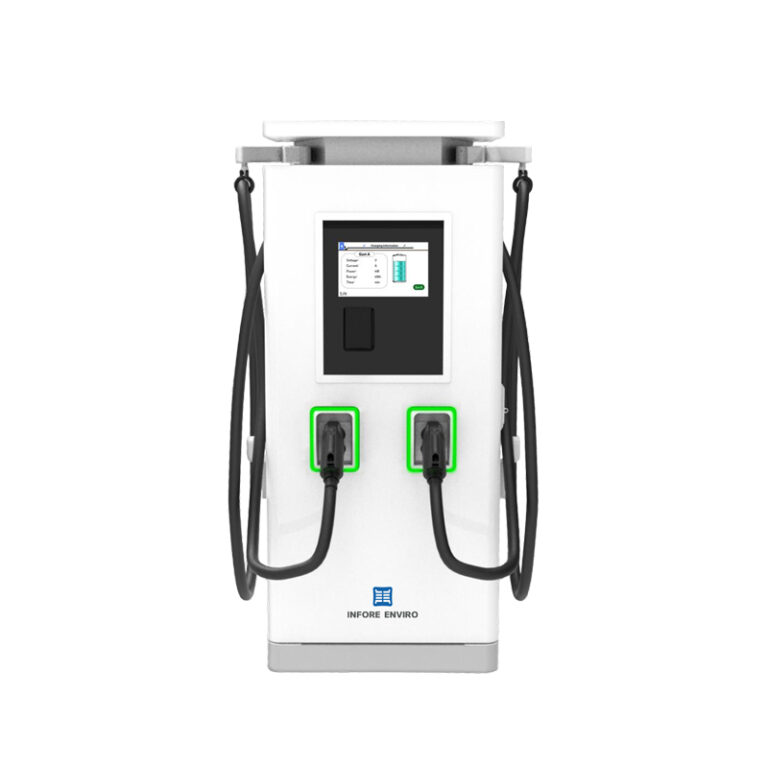
Electric vehicle operators often face a trade-off: fast top-ups save time but can accelerate battery wear and reduce usable range over time. This is especially evident on busy corridors where single-port chargers create queues and unpredictable charging patterns. Integrating dual-port architecture with robust Level 3 DC fast charger deployments addresses throughput without forcing every session into aggressive, high-power pushes. The outcome, when designed well, is steadier state of charge (SoC) profiles and fewer high-temperature, high-SoC charge cycles that erode capacity.
How dual-port design improves battery behavior
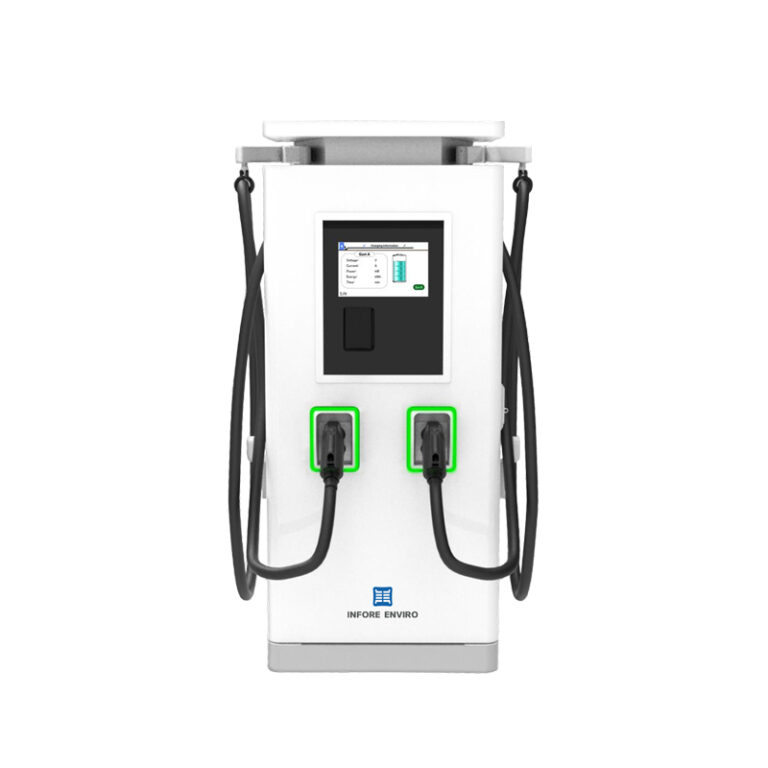
Dual-port stations allow two vehicles to share a single power source through intelligent load balancing. Rather than delivering a single, maximal kW pulse, the station’s power electronics and control logic modulate output so each vehicle receives an appropriate profile. That reduces abrupt voltage and thermal excursions that stress cells. A coordinated approach also lets the battery management system (BMS) maintain lower peak cell voltages during important windows, which helps preserve cycle life and preserve usable range.
Technical levers: what actually changes inside the charge session
Key mechanisms by which dual-port setups protect batteries include adaptive current tapering, staggered charge starts, and dynamic thermal management. Adaptive tapering reduces current as SoC rises; staggered starts prevent simultaneous high-power draws; thermal management moderates pack temperature during the session. These controls work alongside DC fast charging standards and permit stations to deliver effectively the same convenience as a dedicated high-power unit—often near the capacity of a 150 kw DC fast charger—but with gentler stress on cells.
Real-world anchor and observed outcomes
Practical evidence appears on major routes such as the I‑5 corridor in California, where highway operators have placed higher-capacity chargers and observed smoother traffic flow and fewer sudden battery temperature spikes during peak travel. Industry knowledge consistently shows that repeated charging at high SoC and elevated temperatures accelerates capacity fade; mitigating those conditions reduces long-term degradation. Fleet operators running urban deliveries report steadier daily range after adopting controlled charge profiles—less variability, more predictable routes.
Common mistakes and recommended practice
Operators sometimes assume maximum kW equals best practice; that is a mistake. Common errors include routinely charging to 100% on a DC fast charge, staying plugged in after charging completes, and clustering high-power sessions without thermal cooldown. Instead, aim for targeted top-ups (e.g., 80–90% for daily use), allow cooling intervals between heavy sessions, and prefer managed sessions at slightly lower peak currents when possible—these steps extend pack life and maintain effective range.
Alternatives and trade-offs
Single-port high-power chargers deliver the fastest individual session but can create congestion and force more aggressive charging strategies. Dual-port stations trade raw peak availability for higher throughput and gentler charge curves. For fleets, that trade-off often yields lower total cost of ownership because battery replacement cycles lengthen. For drivers prioritizing absolute fastest single-session charge, a dedicated high-kW stall remains attractive—yet for network resilience, dual-port nodes present a balanced strategy.
Three golden rules for evaluation and selection
1) Match peak power to use case: choose stations that support consistent, moderate DC fast charging rather than repeated full-power bursts. 2) Verify control features: ensure the station’s power electronics and firmware enable adaptive tapering, load sharing, and thermal-aware scheduling. 3) Value throughput over headline kW: measure average vehicles served per hour under real conditions, not only peak kilowatt ratings. Applying these metrics reveals whether a dual-port solution will preserve range and battery health in practice.
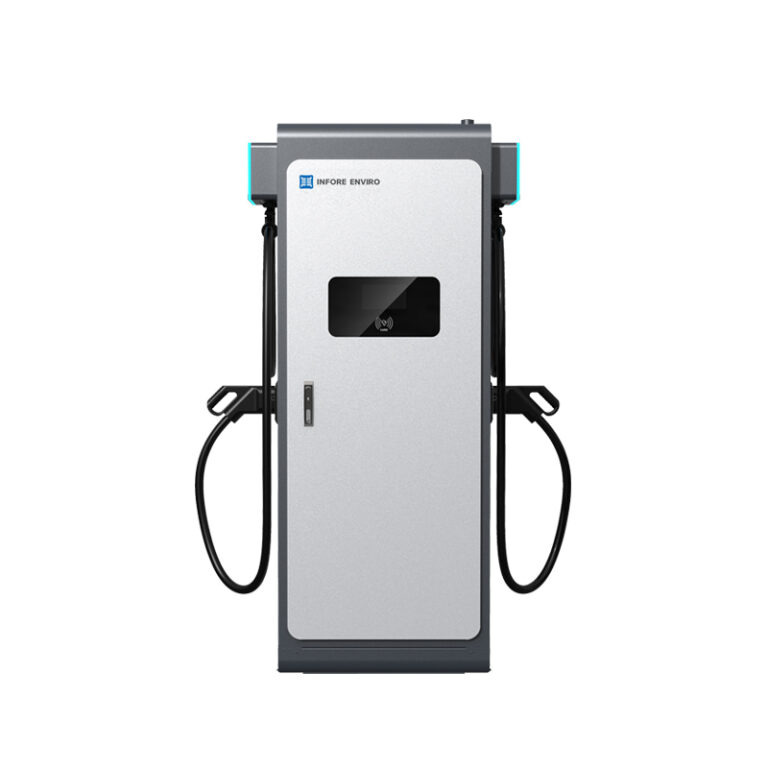
These rules steer procurement toward systems that reduce degradation, lower operating cost, and deliver predictable range—outcomes reinforced by corridor deployments and fleet experience. When the goal is sustained battery efficiency rather than a one-off speed record, dual-port thinking wins. For manufacturers and network planners, that is precisely the kind of balanced engineering INFORE ENVIRO brings to charger design and site planning — INFORE ENVIRO. –