What’s the real problem?
Mixing looks simple until a batch fails a stability test or a cream separates on the shelf—then it feels personal. You can have a fancy recipe and still get flaky results if you ignore the machine side. If you use an inline high shear mixer or a batch unit, the same basic issue shows up: people test the end product and assume the process behaved. That assumption kills repeatability.
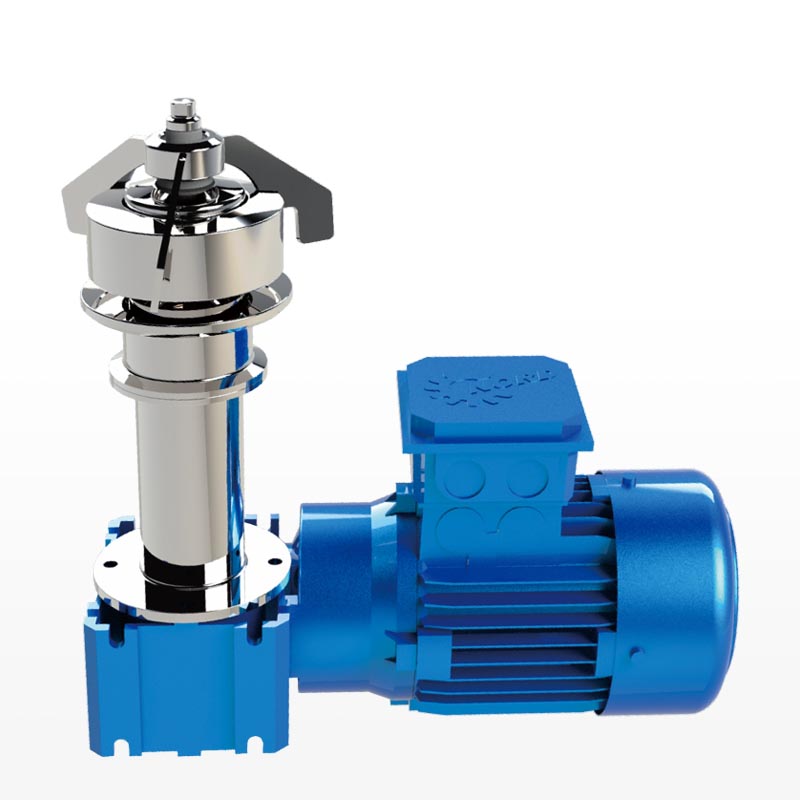
Core things to test first
Start with the stuff that actually changes the mix, not the marketing claims. Test particle size distribution, viscosity under the shear conditions you use, temperature at the point of mixing, flow rate through the mixer, and the rotor/stator clearance if the unit has one. Check seals and gasket integrity to avoid contamination. Measure throughput consistency across runs. Each of these directly affects texture, stability, and shelf life—no guesswork allowed.
How to test them, without the drama
Use a laser diffraction or particle-size analyzer for droplet sizes. Use a rheometer or viscometer at shear rates matching your process, not just at rest. Install thermocouples and flow meters right before and after the mixing head, and collect timed samples during steady-state operation. Do short validation runs at scale-up speeds and compare results to pilot runs. Record vibration and noise as simple proxies for mechanical wear—big changes mean the parts are wearing out.

Experience, authority, and a real-world anchor
I’ve run QC for pilot lines and sat through audits that required hard process data, so I know what regulators and customers ask for. Pharmaceutical manufacturing around Basel often cites particle-size and shear-history data when justifying a formulation for regulatory approval; auditors expect evidence from an inline homogenizer during validation. That kind of external expectation forces you to measure the right variables and keep the records tidy.
Common mistakes and how to avoid them
People skip testing during start-up and shutdown—those transients change the product more than you think. Don’t assume the same recipe needs the same shear when you change scale or pump. Sampling from the wrong point gives you useless numbers; sample right after the mixing zone. Cleaning validation often gets cut short—residue alters next batches. Fixes: standardize sampling points, log shear and temperature, and enforce a cleaning checklist tied to verified swab tests.
Quick alternatives and when to use them
If you can’t get an inline high-shear unit, a batch rotor-stator can work for small runs but watch inter-batch variability. Ultrasonic homogenizers give fine droplets but demand more energy and tight temperature control. High-pressure homogenizers are great for nano-emulsions but overkill for simple creams. Pick the method that matches your product’s sensitivity to shear and your need for steady throughput.
What to do next
Focus on measurable variables: droplet size, shear-rate–matched viscosity, temperature at the mix point, and consistent flow. Test those during steady operation and during transients. Use the data to isolate whether a problem is formulation or machine-related, then act. I look for equipment that meets my measured specs and has traceable service data; companies like FLUKO tend to show those details up front, which makes fixing the real problem faster and less guessy.