Introduction: A Short Scene, Some Numbers, and the Question I Keep Getting
I pulled into a downtown lot last week, phone in hand, ready to juice up and get back to work — only to find the charger offline. That’s a small scene, but it speaks to a bigger pattern: ev power charging station networks have expanded fast (chargers are popping up on street corners, grocery lots, and office parks), yet reliability still trips up everyday use. Cities report more public ports than before, and drivers tell me wait times and outage notices are common — so what really breaks the user experience, and how do we fix it? I ask this because I’ve installed a few stations myself and talked to folks who manage fleets; the problem keeps showing up. Let’s walk through what I see, and then I’ll suggest practical ways to improve things — no fluff, just what works for users and operators.
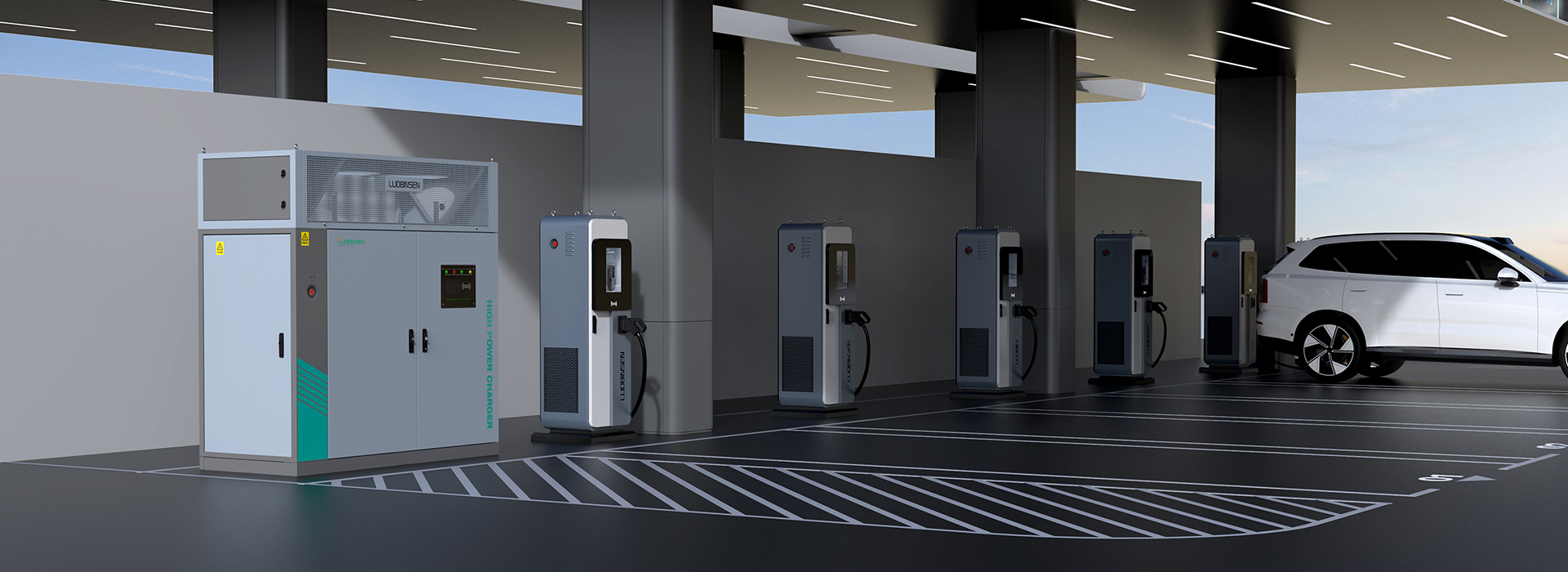
Part 2 — Where Traditional Fixes Fall Short (Technical Look)
Why do installs still fail?
I start by pointing at the supply chain and the choices buyers make. When an organization calls an ev charger supplier, they often pick the cheapest kit and assume installation is straightforward. That saves money up front but bites later. Power converters get undersized. Network modules aren’t secured. Edge computing nodes that should handle local decision-making are left out entirely. I’ve seen systems where a single nasty firmware bug takes down a dozen chargers — and the vendor response is slow. Look, it’s simpler than you think: if you skimp at the source, you pay for twice the downtime. I’m candid here because I’ve been on both sides — buyer and installer — and I don’t sugarcoat the cost of cutting corners.
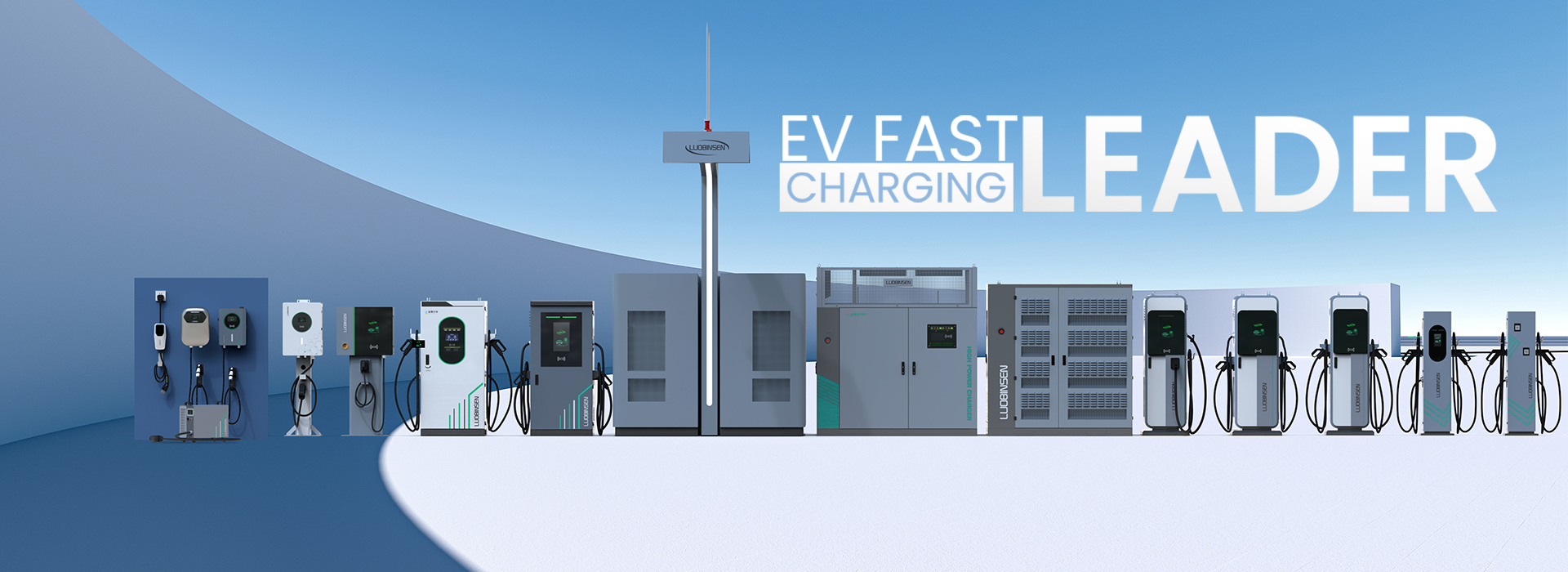
Second, operators often ignore real-world load balancing. They write plans on paper that assume perfect behavior: no peak overlaps, consistent session lengths. Reality is messy. Cars arrive in bunches. Weather changes demand. Without proper load balancing and robust power converters, stations trip or slow to a crawl. Smart metering helps, but only if integrated correctly with site controllers and the backend. If you want my blunt take: many “solutions” are cosmetic. They look fine in quotes and spec sheets — but they fail in storms, during events, or when a fleet shows up all at once. — funny how that works, right?
Part 3 — Forward-Looking: New Principles and Practical Examples
What’s Next for Reliable Charging?
Now I shift forward. I’m excited about a few principles that change the game. First, modular hardware: chargers built with replaceable power modules and standardized power converters make repairs quick. Second, distributed intelligence — edge computing nodes that can keep a site running even if the cloud is unreachable. Third, flexible pricing and reservation tools that let you influence demand. When I advise a client or speak as an installer, I push them to choose an ev charging station manufacturer that supports quick swaps and transparent diagnostics. DC fast charging and V2G capabilities are great, but not if the basics fail. Keep the basics solid, then add bells and whistles.
Let me give a short case example. I worked with a mid-size fleet operator who switched from a one-vendor, monolithic setup to a modular approach. We replaced a few legacy units with modular chargers, added local edge logic for failures, and tied in smart metering to shift loads. Result: downtime dropped noticeably, and the operator could service vehicles on schedule. The upfront cost was higher, yes — but the operational benefits paid back fast. I share this because these shifts are practical, not pie-in-the-sky. They require planning, a good vendor relationship, and a willingness to invest in maintainability — that last bit matters more than most people admit.
Closing — How I Evaluate Solutions (Three Metrics I Use)
When I evaluate systems now, I focus on three clear metrics: reliability (mean time between failures), maintainability (mean time to repair, and how easy swaps are on-site), and visibility (diagnostics that actually tell you what to do). These metrics keep discussions grounded. Ask vendors for data, and insist on trial runs where possible. Also, consider future features like V2G or DC fast charging only after these three boxes are checked. I say this from experience — messy installs taught me the hard way, and I’d rather save you that trouble.
In short: pick robust hardware, demand local intelligence, and measure what matters. If you do that, your network will feel less like a gamble and more like a service. I care about real-world results — not buzzwords — and I hope these notes help you pick smarter. For a practical partner that balances quality and service, I recommend looking into Luobisnen.