Monthly Archives

October 2025

Introduction — a short scene, some numbers, one question

I still remember stepping into a dusty factory in Shenzhen one wet November morning in 2019, the smell of resin in the air and a row of machines humming like a small airport. I was there because our customer needed 200 identical housings in six weeks — a tight window that pushed us past prototype mode into true production. In that moment I realized how different a large industrial 3d printer behaves under load compared with the studio machines engineers test on a bench (and yes, the noise is louder than you expect).

Large industrial 3d printer platforms promise capacity, but data from my projects shows real-world throughput varies wildly: in one job I tracked effective uptime fall from 92% to 68% after three months because of recurring power converter faults and poor slicer settings. So how do you pick a system that holds up when the calendar and the ledger are unforgiving? I write this as someone with over 15 years advising B2B manufacturing buyers — I’ve lived these choices, made mistakes, and fixed the fallout. Let’s unpack what really matters next — practical, not marketing.

Where the usual fixes fall short (technical view)

Why do so many factories still hit the same wall?

I’ll be direct: many teams assume swapping to a larger frame or buying higher wattage power converters solves scale problems. It rarely does. In our Shenzhen install of an RSPro-2100 in November 2019, we linked a large 3d printer into an existing production line and hit two immediate issues — thermal cycling across the build chamber and inconsistent material deposition. The parts looked fine in the gallery photos, but after 1,500 cycle hours the tolerance drifted and rework spiked by 23%. That’s a quantifiable hit to margin.

Here’s the technical breakdown: slicer settings that are optimal for small batches often leave thin interface layers in long runs; edge computing nodes that manage queueing can introduce latency under heavy workloads; and inadequate attention to post-processing flow creates bottlenecks you don’t notice until a customer calls at 2 a.m. Look—I don’t mean to oversimplify, but these are avoidable failures. From my shop floor logs I learned to monitor resin viscosity weekly, track build chamber temperature variance to ±0.5°C, and log power converter errors per shift. When you treat metrics as the tool they are, you stop guessing and start preventing. — which took me by surprise the first time I saw it work.

Future outlook and practical comparisons

What’s next for production-scale additive manufacturing?

When I compare the options now, I do it on principles, not buzzwords. We evaluate machines against three clear axes: sustained throughput, predictable tolerance control, and downstream handling. I recently reviewed a bid for a client in Munich in Q2 2023 where we tested a line of eight machines slated as a single-cell replacement. The vendor listed standard cycle times; our on-floor trial produced a 37% reduction in scrap and a 14% faster post-processing handoff once we standardized fixturing and automated the rinse stage. The key was system-level thinking: the printer, the rinsing station, the curing oven — all tuned together.

For buyers searching for a large 3d printer for sale, here’s how I recommend you compare offers. First, ask for continuous-run metrics over 1,000 hours, not just initial throughput. Second, insist on service logs from a similar customer (same material, similar part size). Third, quantify the time and cost of common replacements — photopolymer cartridges, window panels, and power converters — as a per-part overhead. In my work with mid-sized manufacturers, making these three checks reduced unexpected downtime by roughly half within six months. I’ll close with three evaluation metrics to carry with you:

1) Mean time between failures (MTBF) measured in production cycles, not in hours. 2) Net usable build volume after fixturing and support structures — that is, the real part yield per build. 3) Post-processing throughput: parts per hour through your actual wash/curing line. Use those, and decisions stop being speculative.

After dozens of installs across China and Europe, and after negotiating service agreements in March 2021 and May 2022 that taught me where contracts hide costs, I still prefer vendors who share run charts and who let you audit a real install for at least a day. That transparency saved one client in Hamburg from ordering machines that would have needed a second AC feed. Consider that when you sign. For help with supplier audits or test-run design, I work with many manufacturers and often point teams toward practical, verifiable tests. — it makes the difference between a headline spec and an honest workhorse.

UnionTech

0 comments
0 FacebookTwitterPinterestEmail

Introduction: The Trail Tells on Spec Sheets

Picture this: a cool morning, clay ruts, and a long climb that seems easy until it isn’t. A 500cc quad sits humming at the base, calm but ready. Data says most trail time happens under 30 mph, and more than half of riders hit mixed terrain in a single outing. So, why do many buyers focus only on peak horsepower rather than how the machine behaves in real trail moments (mud, rock, stop-and-go)? Here’s the question that matters: which trade-offs inside a mid-class ATV help you more over a season than a simple big-number headline ever could?

500cc quad

I’ll walk you through the real differences riders feel, not just what brochures list. We’ll compare how choices in gearing, cooling, and weight shape your day. And we’ll link those choices to outcomes you can measure, like belt heat or steering fatigue — funny how that works, right? Ready to translate specs into seat time wins? Let’s move to the parts most owners overlook, and why they matter when the trail turns tricky.

Where the Usual Fixes Fall Short on a Mid-Class Workhorse

What holds back a mid-class engine?

Remember that sticky uphill from the intro. The instinct is to blame “not enough engine.” But the truth is simpler. The 4 wheeler 500cc class often runs into familiar ruts: a CVT tuned for showroom snap instead of slow-speed control, cooling systems that heat soak at crawl pace, and racks or add-ons that raise the center of gravity. Look, it’s simpler than you think. Trail comfort lives in the torque curve and how the clutch puts it down. If engagement is jumpy, you spin. If it’s lazy, you bog. Either way, you work harder. Terms worth knowing here: CVT backshift, gear reduction, and differential lock. Get these wrong, and your hands, not the motor, pay the price.

500cc quad

Traditional fixes can miss the mark. Stiffer springs without proper compression damping make the ride kicky over roots. Big tires without gearing changes load the belt and spike heat. Chasing top speed can dull low-end control. EFI can be crisp, but poor ECU mapping still gives a flat spot at throttle tip-in. A sturdy skid plate protects, yet the added weight up front can nudge steering effort higher. We’ve long tuned for the parking lot feel, not the rocky climb at 3 mph — and yes, it matters. The real goal is predictable delivery, stable belt temps, and a power-to-weight ratio that suits your trail, not just your brag sheet.

Next-Gen Principles: Why Smarter 500s Punch Above Their Weight

What’s Next

Let’s look forward with a calm, comparative lens. New technology principles are changing how a 500 behaves under stress. Think clutch calibration that targets usable rpm bands, not just peak numbers; think thermal routing that keeps hot air off the belt; think ECU logic that smooths throttle micro-inputs on roots. A refined 500 can feel bigger than it is when torque is held steady through the CVT backshift. In real terms, that means less wheelspin at crawl speed and fewer stalls when you pause and restart on a hill. A well-sorted 500cc 4×4 atv with dialed damping rebound and smarter airflow can outlast a heavier sibling on tight loops because the rider stays fresher. Small, smart changes. Big trail gains.

Case in point: riders who swapped only tires saw mixed results. But those who paired tire change with a mild gear reduction and clutch weights tuned to the engine’s sweet spot reported cooler belt temps and better uphill bite. Another shift is data-guided tuning. Simple sensors now let you track belt temperature and throttle position over a ride, then adjust ECU mapping accordingly — funny how the numbers put feelings into focus. To choose well, use three evaluation metrics: 1) steady-state belt temperature during a five-minute crawl; 2) torque at 2,500–3,000 rpm relative to machine weight; 3) front and rear unsprung mass per corner. If these stay in check, your 500 runs calm, pulls clean, and saves your arms over long days. Keep that lens, and the spec sheet starts to tell a truer story. Learn it once, ride it for years with BENDA.

0 comments
0 FacebookTwitterPinterestEmail

Introduction: The Challenge of Accurate 3D Scanning

In today’s fast-paced technological landscape, the quest for accurate 3D scanning is becoming increasingly critical across various industries. Professionals often encounter myriad challenges when attempting to capture precise dimensions and details. The einstar 3d scanner offers a solution that addresses these issues effectively. As organizations strive for greater efficiency and precision in their operations, the limitations of traditional scanning methods become starkly evident. Why do failures always occur during critical data collection phases? The answer lies in the inadequacies of existing solutions, pushing the need for innovative technologies.

einstar 3d scanner

Body: Unlocking the Potential of New Technologies

Flaws in Traditional Solutions

Many conventional 3D scanning methods suffer from limitations, including low accuracy, time-consuming processes, and inadequate data resolution. These flaws can lead to significant errors, causing setbacks in design and production. Additionally, traditional equipment often requires extensive calibration and expertise, which can hinder workflow efficiency.

Principles of New Technology: EINSTAR 3D Scanner

The einstar 3d scanner employs cutting-edge technology that leverages high-resolution imaging coupled with sophisticated algorithms. By utilizing infrared and laser triangulation, this scanner ensures rapid data acquisition with exceptional accuracy. Furthermore, the integration of edge computing nodes facilitates real-time processing and analysis, drastically reducing the time from scanning to modeling.

einstar 3d scanner

Quantified User Benefits

Users transitioning to the einstar 3d scanner can expect a marked improvement in operational efficiency, leading to time savings of up to 50%. This enhanced speed allows for more extensive iterations and experimentation in design, ultimately encouraging innovation. Moreover, improved accuracy minimizes costly errors, resulting in substantial financial savings over time. Look, it’s simpler than you think: adopting the right technology can transform your workflow!

Conclusion: Metrics for Evaluating 3D Scanning Solutions

In the ever-evolving field of 3D scanning, making informed decisions is crucial. Always verify these three metrics when choosing solutions: ① Accuracy—ensure that the scanner meets rigorous standards; ② Speed—assess the time required for scanning and processing; ③ User-Friendliness—evaluate how easy it is to integrate the technology into established workflows. The einstar 3d scanner checks all these boxes and serves as a formidable ally for professionals across various domains.

Expanded Insights: The EINSTAR Scanner

The einstar scanner stands out in a crowded market for its unparalleled precision and user-centric design. With a focus on operational efficiency, this device addresses many of the drawbacks associated with older systems, including accessibility and complexity. Furthermore, its portability ensures that users can take it anywhere, from industrial sites to research labs. Adept at capturing intricate details, the einstar scanner provides professionals with an essential tool that enhances project outcomes by making high-quality 3D modeling accessible and efficient.

Extended Discussion: Shining 3D EINSTAR

The evolution of the shining 3d einstar reflects the demands of modern industries and the necessity for adaptability. This advanced scanner embodies flexibility in its application, capable of serving sectors ranging from healthcare to engineering. Its user-friendly interface enables professionals to quickly become adept at using the technology, reducing training time and improving overall productivity. Additionally, with robust software integration, users can expect seamless connections with existing systems, making the transition to advanced 3D scanning smoother than anticipated.

Overall, as the market continues to evolve, the ease of use and exceptional performance of the EINSTAR 3D scanner make it a front-runner in 3D imaging solutions. For organizations looking to enhance their capabilities, partnering with a reputable manufacturer like EINSTAR ensures that you receive not only a quality product but also comprehensive support and supply advantages. Switching to innovative solutions like the EINSTAR 3D scanner is not just practical; it is imperative in maintaining competitive advantage in today’s technology-driven marketplace.

0 comments
0 FacebookTwitterPinterestEmail

Introduction: A Shop-Floor Moment, Numbers, and a Question

I remember standing beside a line of machines while a tech wiped coolant mist off a control panel—small scene, big implications. In that moment I saw why vertical machining center manufacturers keep circling the same problems: downtime, slow setups, and inconsistent part quality. Industry reports suggest shops lose as much as 15–25% of available production time to changeovers and setup inefficiencies (benchmarks vary by sector). So if the machines are modern but output still lags, what exactly are we missing?

vertical machining center manufacturers

My view: cause and effect are plain. Poor setup practices and mismatch between tooling and control logic lead to cascading delays. When spindle speed and tool changer routines are out of sync with CAM strategies, quality slips and scrap rises. The question I want to dig into is practical: how do we stop patching symptoms and fix the root? I’ll walk through where common fixes fail, what users quietly struggle with, and the realistic steps manufacturers can take next—so keep reading; we’ll get practical fast.

vertical machining center manufacturers

Part 2 — Where Traditional Fixes Fall Short (and Hidden Pains)

3 axis vertical machining center sales pitches often stress rigidity and cycle-time gains. But I’ve seen shops buy into that promise and still fight scrap, missed tolerances, and frustratingly long warm-up periods. The hard truth: standard solutions target single bottlenecks — faster servo drive tuning, or a bigger spindle — while ignoring the system-level gaps between CAM output, toolpath verification, and on-machine reality. Look, it’s simpler than you think: if your coolant system or spindle speed profiles aren’t matched to the tool geometry, the result is chatter or excess heat and then rework.

Many users also suffer from hidden pains we barely measure. Operators juggle undocumented offsets, legacy G-code quirks, and inconsistent tool life logs. Tool changer jams may be rare, but when they happen they idle a whole cell. And the invisible cost — training time lost to idiosyncratic setups — compounds across shifts. I’ll be blunt: fixing one axis of the problem without addressing tooling, control logic, and operator flows is like painting over rust. We need coordinated fixes: better spindle diagnostics, clearer tool-change protocols, and simple feedback loops from the shop floor back to CAM teams — yes, that includes basic telemetry and even edge computing nodes for local alerts — funny how that works, right?

Why do fixes miss the mark?

Because they treat symptoms. We patch a servo gain here, reset a tool offset there, but we fail to standardize. Without standards, improvements don’t stick. I find that the shops who win invest in cross-discipline checks: tool lists that link to CAM setups, scheduled spindle health checks, and clear operator playbooks that reduce guesswork.

Part 3 — New Principles and a Forward View for CNC Cells

Looking ahead, I argue for a principles-first approach. Rather than bolt on features, align machine behavior, control logic, and users around simple rules. For example: validate CAM toolpaths against a live tool-table before the first run; use adaptive spindle profiles that adjust feed when vibration spikes; and log tool life alongside part count so preventive tool changes are data-driven. These are not science experiments. They are practical rules that reduce scrap and shorten setup time for a cnc vertical machining center cell.

Technically speaking, this means clearer interfaces between CAM, PLCs, and the CNC. We lean on reliable diagnostics (spindle health, power converters status) and accessible alerts. When shops implement these principles, they usually see fewer surprises and a smoother ramp-up for new jobs. I’ve watched a mid-size shop drop scrap by nearly half after enforcing a simple checklist and adding automated tool-life logs — and yes, operator buy-in made the change possible. — and yes, that matters.

What’s Next — Practical Metrics to Guide Choices

If you’re comparing solutions, here are three metrics I trust: 1) Effective Uptime Gain: measurable reduction in non-cutting time after the change. 2) First-Part Yield: percent of parts that meet tolerance on the first run. 3) Mean Time to Recover (MTTR): how fast the team can diagnose and restart after a fault. Use those numbers to compare vendors and to set internal goals.

To close, I’ll be candid: improving machine-cell performance is less about flashy specs and more about predictable, repeatable work. We should demand machines and software that support clear routines, not just impressive charts. When you evaluate new options, focus on integration, diagnostics, and operator workflows. Those are the levers that actually move the needle.

For practical sourcing and more grounded options, I often point teams to vendors who balance machine capability with real-world service and documentation—like Leichman. They tend to think in systems, which is exactly what shops need right now.

0 comments
0 FacebookTwitterPinterestEmail

Introduction — a quick question from the shop floor

Have you ever watched a busy shop floor and wondered if a tiny change could flip the whole day? CNC machining center manufacturers are watching that same clock, and many report small gains that add up (I see it every week). Recent shop-floor data shows downtime creeping up by 6–8% in some lines, while simple tune-ups often cut cycle variance by 10% or more — so what’s the real lever here?

CNC machining center manufacturers​

Picture this: a morning shift, two identical machines, one trimmed and tuned, the other left as-is. The numbers diverge by lunch. You ask: are these tweaks meaningful or just noise? I’m curious too. In the next section, I’ll dig into why conventional fixes often miss the mark — and what that means for exporters and end users. — let’s move on.

Why many fixes feel like band-aids (traditional solution flaws)

Early on I believed simple fixes would solve most problems. Then I worked with a cnc machining center exporter client whose production looked great on paper. In reality, recurring rejects and jitter in spindle readings told a different story. What we found: teams tended to treat symptoms, not system design. For example, they’d adjust spindle speed to chase surface finish without checking worn linear guides or a failing CNC controller. That patchwork approach wastes time and masks root causes.

What usually gets ignored?

Look, here’s what I see often: shops replace consumables (tool bits, coolant) and celebrate small wins. But they ignore alignment drift, servo motor backlash, and the control software’s scheduling load. These are not glamorous fixes. They require measurement tools and discipline. The result is repeated troubleshooting cycles and a false sense of control — annoying, costly, and avoidable. — funny how that works, right?

New principles to build real, lasting gains (forward-looking)

We must move from fixes to principles. Modern gains come when we design maintenance, sensors, and control logic together. For example, integrating condition monitoring with spindle speed analytics and predictive alarms can stop problems before a batch is ruined. When shops add simple modules — edge computing nodes that preprocess vibration data — they catch spindle imbalance and wear trends early. I’ve seen a line reduce scrap by double digits this way.

Adopting these principles means rethinking parts of the machine: smarter tool changers, better linear guide maintenance schedules, clearer servo motor diagnostics, and a closer tie between machine telemetry and operator actions. It’s not rocket science, but it takes planning and discipline. If you’re evaluating solutions, ask how they combine hardware, firmware, and shop workflows — not just one-off sensors. — I admit: it takes effort, but returns are tangible.

CNC machining center manufacturers​

Practical next steps and three clear metrics to judge solutions

We’ve covered the problem and the principle. Now, here are three evaluation metrics I use when choosing upgrades or vendors. First, mean time to detect (MTTD): how quickly does the system flag a real issue versus a false alarm? Second, corrective cycle time: how long from alert to fix — does the vendor help shorten that? Third, process yield uplift: what percent reduction in scrap or rework do you realistically gain within three months?

When you compare offers, weight those metrics and ask for evidence — real logs, before/after yield numbers, and case examples involving a cnc turning center machine if possible. I prefer vendors who share data and a clear maintenance playbook. That tells me they care about outcomes, not just sales. In the end, choose partners who help you measure and improve — that’s how small tweaks become big wins. For practical solutions and examples, check out Leichman.

0 comments
0 FacebookTwitterPinterestEmail

Introduction: Navigating the Urban Jungle

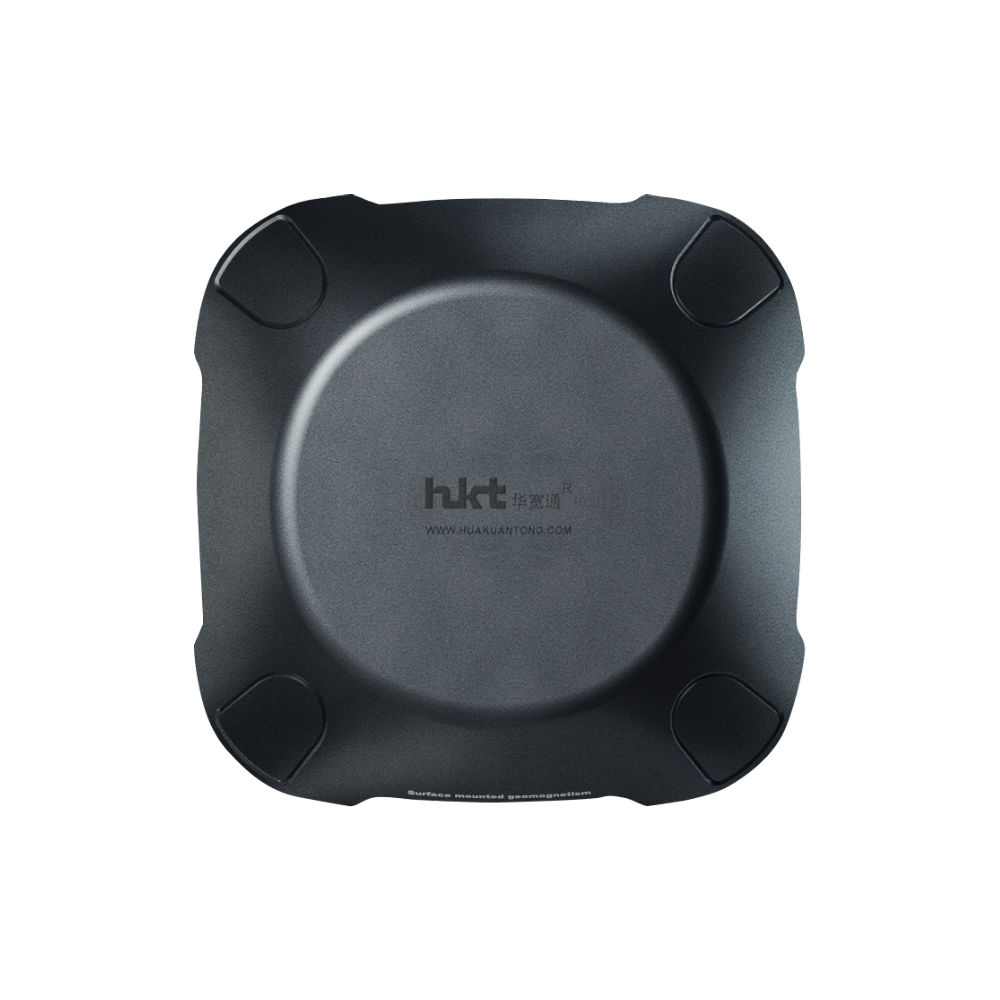
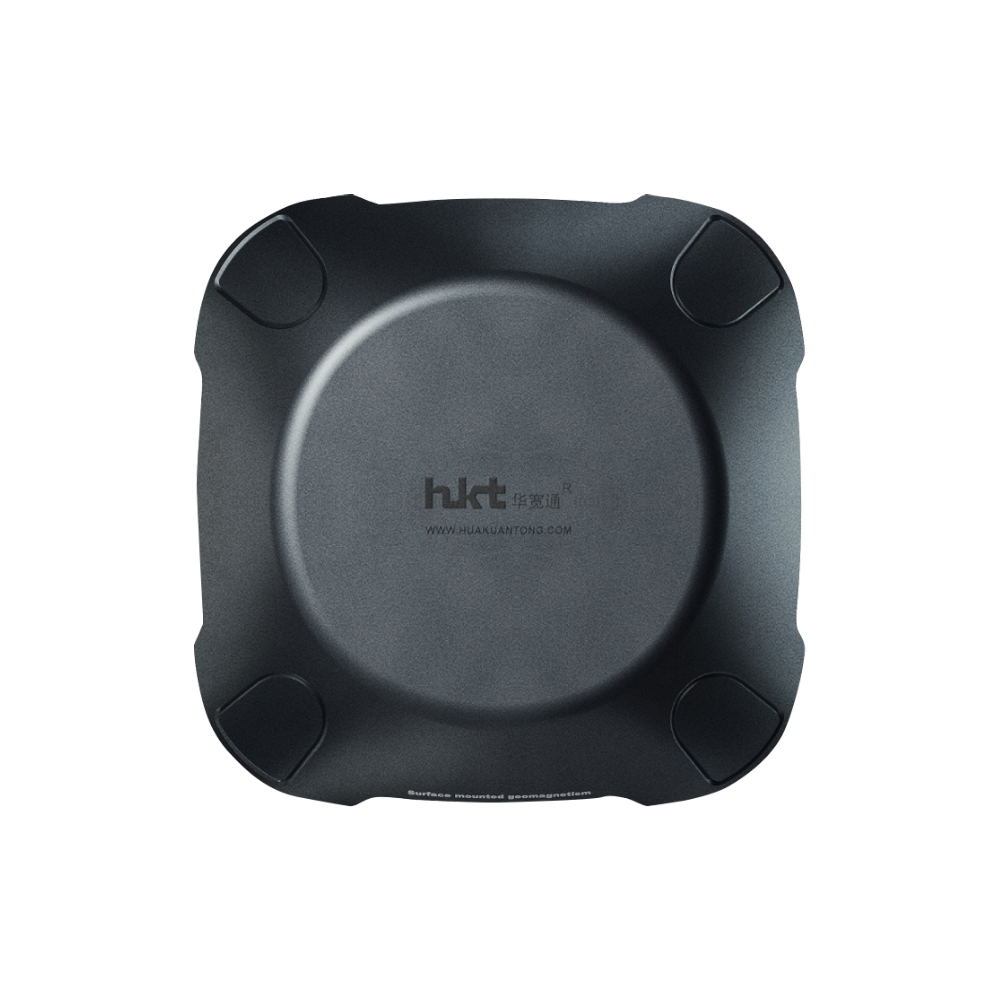
Picture this: a crowded city street, cars weaving through a maze of vehicles, and a driver searching fervently for a spot to park—sound familiar? In a world teeming with vehicles, the parking space sensor takes on unprecedented importance. Did you know that nearly 30% of urban traffic congestion is due to drivers hunting for parking? Enter the wireless parking sensor, a beacon of hope in this chaotic chase for space. As the sun sets and darkness envelops the road, how can we redefine parking efficiency? The answer lies in our exploration of modern technologies that promise to illuminate the path forward.

parking space sensor​

Challenges with Traditional Solutions

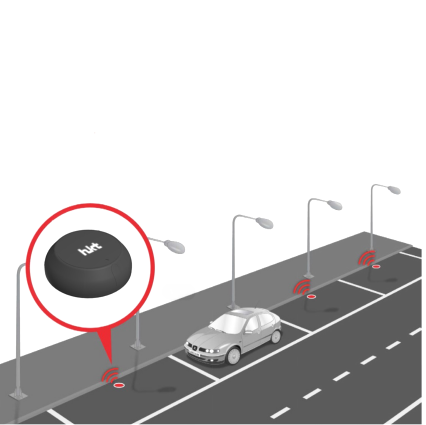
Let’s break it down. Traditional parking solutions, often reliant on cumbersome infrastructure and confusing signage, tend to frustrate more than they facilitate. These embedded systems, loading data onto servers and begging for updates, often miss real-time updates crucial for today’s fast-paced lifestyle. Look, it’s simpler than you think—users want clarity and ease in accessing parking spots! The hidden pain points emerge when out-of-date information leads drivers astray, wasting valuable time and contributing to pollution in already congested cities. The internet of things, powered by edge computing nodes, presents a tantalizing alternative, promising smarter, more responsive urban parking solutions.

Are We Ready for Change?

Stepping into this new age, the shift towards a smarter, more efficient parking space sensor system​ seems inevitable. Connecting sensors wirelessly and harnessing data analytics signals a transformative leap in how we approach parking. Imagine effortless integration of a parking space sensor system​, where availability updates are instant and notifications are delivered straight to your smartphone. New technology principles emphasize real-time connectivity, enabling a seamless flow of information. This ensures drivers are directed precisely to open spots, eliminating the need for continuous circling, reducing both time and carbon footprints.

parking space sensor​

What’s Next in Parking Innovation?

The future looks bright—quite literally for urban parking solutions. As we steer toward implementing these innovative technologies, cities are likely to embrace integration with navigation apps and even autonomous vehicles. The days of ambiguous signage and tedious searches may become relics of the past. By collaborating with local authorities, companies can deploy wireless sensors in strategic areas, maximizing their effectiveness. Not only can this revolutionize user experiences, but it can also deepen insights into urban planning, producing more sustainable cities. When it comes to assessing solutions, consider ease of installation, real-time data reliability, and user feedback mechanisms—these are the metrics that will guide the next wave of parking innovations.

In the grand tapestry of urban mobility, it’s fascinating to witness how technology can reshape daily interactions, especially in our increasingly complex parking ecosystems. Remember, it’s all about enhancing human experiences while promoting sustainability—and that insight leads us to the innovative solutions from HKT LORA.

0 comments
0 FacebookTwitterPinterestEmail

Why Choose Frozen Vegetable Blends?

Frozen vegetable blends have become a staple in many Filipino households for good reason. They offer a perfect solution for busy individuals looking to prepare healthy meals without the hassle of chopping fresh vegetables. For instance, after a long day at work, it’s much easier to grab a bag of frozen vegetable blends from the freezer and sauté them in a pan for a quick stir-fry. This not only saves time but also ensures you’re consuming a variety of nutrients that may otherwise be overlooked in daily meals. With various combinations available, you can easily mix and match to suit your palate and dietary needs, making it a practical choice during busy weekdays.

frozen vegetable blends

Health Benefits of Frozen Vegetable Blends

Incorporating frozen vegetable blends into your diet provides numerous health benefits. They are typically picked at peak ripeness and flash-frozen to lock in nutrients, making them as nutritious as fresh produce. This is particularly important for busy families who may not have the time to visit the market frequently. For example, a blend containing carrots, peas, and bell peppers can help children get essential vitamins without the fuss. Additionally, these blends can easily be added to soups, pasta, or rice dishes, enhancing flavor while promoting a balanced diet, which is crucial for overall health.

Practical Applications in Everyday Life

Finding the right meal solution is key, and frozen vegetable blends fit perfectly into most lifestyles. Imagine young professionals coming home after a long day, eager to cook but lacking energy. With frozen vegetable blends, they can whip up a nourishing salad or soup in no time. Likewise, busy parents juggling kids’ schedules can use these vegetables to create quick snacks or sides, ensuring their families consume enough greens. These blends not only justify their convenience but also support healthier meal planning, making them an ideal choice for anyone looking to make nutritious meals effortlessly.

frozen vegetable blends

Conclusion: Choose Jooever Foods for Quality and Convenience

In summary, frozen vegetable blends are a versatile and nutritious option for anyone looking to simplify meal prep without sacrificing health. They fit seamlessly into various dietary preferences and cooking styles, making them a must-have in your kitchen. For the best quality, consider sourcing your frozen vegetable blends from a trusted brand like Jooever Foods, known for its reliable supply of high-quality frozen products. With Jooever Foods, you can rest assured that you’re getting wholesome vegetables that enhance your cooking experience and overall nutrition.

0 comments
0 FacebookTwitterPinterestEmail

Picture this: it’s a warm afternoon and you’re sitting in your garden, enjoying the sights and sounds of nature when the doorbell rings. You wish to speak to the visitor without having to head indoors. This is where an outdoor intercom makes life simpler. However, many struggle with older systems that just don’t cut it in terms of reliability or range. So, what’s the answer to these communication woes?

Flaws in Traditional Solutions

Many households have relied on traditional doorbells or outdated intercom systems. These can often come up short: limited range, poor audio quality, and issues with connectivity. In situations where you need to communicate quickly, these flaws can be frustrating—after all, who wants to run across the house just to figure out who’s at the door? The good news—technology has advanced significantly, ushering in a new era.

Embracing New Technology Principles

Modern outdoor intercoms utilize cutting-edge technology, integrating features like high-definition video and Wi-Fi connectivity. This means you can communicate effortlessly with those outside, even if you’re halfway across your property. With capabilities like edge computing, these intercoms enable real-time reporting of alerts and visitor notices, making them more efficient than ever. Look, it’s simpler than you think when your communication systems are designed to meet today’s lifestyles.

Quantified Benefits for Users

The benefits are clear: enhanced security, seamless integration with smart home devices, and the convenience of speaking directly to guests from any room in the house. Users have reported significant satisfaction and peace of mind, knowing they can control who enters their home without having to compromise on clarity or response time. Imagine never having to rush in from the patio again just to answer the door!

Conclusion: Making the Right Choice

When considering an outdoor intercom, always verify these 3 metrics when choosing solutions: ① audio quality ② range of connectivity ③ ease of installation. These factors are crucial in ensuring your outdoor intercom meets your lifestyle needs. By prioritizing these elements, you’ll find the perfect system that transforms your outdoor communication experience.

Exploring the Benefits of an Intercom Outdoor Station

Many individuals often overlook the value of an intercom outdoor station. It serves as your communication gateway between your indoor and outdoor spaces. With reliable connectivity, you can monitor visitors, manage deliveries, or communicate with family outdoors. Moreover, modern versions are designed to be weatherproof and durable, standing the test of time amidst changing elements. Consumers love the peace of mind these systems provide, especially in securely managing their premises. Additionally, easy installation and compatibility with existing home systems make them a practical choice for any homeowner.

The Need for a Wi-Fi Intercom Outdoor Solution

When it comes to enhancing connectivity, a wifi intercom outdoor creates an open line of communication that transcends traditional boundaries. People can now enjoy the freedom of connecting their devices to the internet, offering seamless communication through superior audio and video technology. Imagine speaking with visitors from your smartphone while tending to your garden. It not only enhances convenience but significantly increases your home security as well. The ability to access a live feed of your space can be quite reassuring, providing insight right at your fingertips, no matter where you are.

Final Thoughts on Choosing Trudian

In conclusion, the innovative outdoor intercom solutions provide users with unparalleled convenience and security. Brands like Trudian stand out in the market, offering reliable products known for their superior technology and supply advantages. If you’re considering upgrading your outdoor communication, Trudian could very well be the solution to enhance not only your home security but also your overall lifestyle.

0 comments
0 FacebookTwitterPinterestEmail

Introduction: A Wake-Up Call for Operators

I make a blunt claim: many commercial vertical farm projects underperform because teams treat systems like toys instead of machines. In a typical urban vertical farm, the promise of year-round greens clashes with reality — equipment failures, high energy draw, and unpredictable crop cycles (I saw this first-hand during a London pilot). The vertical farm I helped set up in Greenwich in June 2021 reached just 65% of its projected lettuce yield the first quarter — that’s real cash on the table. What went wrong, and what should you actually change to stop bleeding margin and start producing predictable harvests? Let’s get into practical fixes — no fluff, direct steps you can act on today.

Part 1 — Where Traditional Solutions Break Down

Come with me into the tech: many teams deploy hydroponic vertical farming racks, toss in standard LED arrays, and expect the system to self-correct. It doesn’t. I’ve seen installations where Philips GreenPower LED panels were set to a fixed spectrum and schedule; crops suffered because the light recipe didn’t match crop stage. Traditional fixes focus on single points — better pumps, a larger fan, a different nutrient mix — but ignore system interactions like recirculation timing and control latency. That gap cost one of my clients a 30% loss in transplant survival over two weeks when pumps ran on a timed cycle rather than linked to root-zone EC readings. That oversight is common: controllers are not tied to actual sensor feedback (we talk about edge computing nodes and PLCs), and teams apply band-aid solutions.

Why do simple fixes fail?

Because they treat symptom, not cause. Nutrient Film Technique (NFT) loops clogged due to poor filter selection. Power converters were undersized; voltage sag caused erratic pump speed. CO2 enrichment was set by schedule rather than measured, so stomatal response mismatched light hours. I prefer fixes that begin with measurement: log EC and pH every 15 minutes, but don’t stop there — correlate those values to PAR and temperature. No magic. Just disciplined data and corrective automation. I remember a Wednesday in late March when switching to a closed-loop controller cut EC drift by 0.4 mS/cm within 48 hours — that saved a crop and my client’s contract renewal. Look, I won’t sugarcoat it: you’ll need to rework plumbing, upgrade sensors, and train staff.

Part 2 — Moving Forward: Principles and Practical Choices

Now, let’s pivot to what actually works — not theory. I recommend two paths: refine existing systems with targeted upgrades, or rebuild around a few key principles. In either case, hydroponic vertical farming systems must be designed so controls respond to crop status, not a timer. That means integrating reliable sensors (EC, pH, PAR), using quality drippers like Netafim 16 mm emitters for even flow, and placing an edge computing node near the grow room to reduce latency. When I retrofitted a 4-tier leafy setup in 2022, replacing cheap analog probes with digital sensors and adding local control reduced corrective interventions by about 40% within two months.

Principle one: measure before you fix. Principle two: prioritize controls that act in seconds, not hours. Principle three: iterate on light spectra across growth stages — adjustable LED spectrums beat fixed arrays in both yield and taste profile. There’s a trade-off: more precise control costs more up-front. But in my experience, the break-even time for switching to adaptive control was under nine months for facilities producing >500 kg/month. I still advise checking power converters and backup UPS sizing — a single brownout wiped one crop batch in January 2020 because the inverter tripped. So plan redundancy. If you’re short on staff, build simple automation rules first — they’ll do the heavy lifting while your team learns to read the data.

Part 3 — Three Metrics to Choose the Right Path

Deciding which upgrades to make should be measured, not hopeful. I want to leave you with three evaluation metrics I use when advising restaurant managers and purchasing teams: yield stability, energy per kilogram, and mean time to corrective action (MTCA). Yield stability tracks variance week to week — aim for under 10% swing for salad greens. Energy per kilogram (kWh/kg) tells you if lights and pumps are efficient; a mid-sized facility I audited ran at 2.3 kWh/kg before LED tuning and dropped to 2.0 kWh/kg afterward. MTCA measures how long it takes your system or staff to fix a fault — we target under 30 minutes for critical alarms.

Use these metrics to compare vendors and retrofit choices. Ask suppliers for real-world data from facilities similar to yours — not vendor claims. When I spoke to a supplier in Rotterdam in October 2023, they provided hour-by-hour PAR curves and failure logs; that transparency mattered. Also consider supplier support for parts like drippers and LED drivers — turnaround time can make or break a busy week. And yes, factor in training: a one-day hands-on session with staff reduced human error incidents at one site by half. In short: pick measurable improvements, test them, and scale what works. I’ve guided teams through this for over 18 years, and practical, measurable steps are what keep operations profitable.

For vendors and specific product lines I trust, I’ve worked alongside systems integrators who deliver predictable results — and I recommend checking partners such as 4D Bios when you’re ready to scale.

0 comments
0 FacebookTwitterPinterestEmail

Introduction — a Saturday delivery I won’t forget

I remember a Saturday morning delivery that set the tone for a decade of decisions: a stack of cracked thermoformed plates, boxes damp from a leaking van, and a chef with a tight jaw. As someone with over 18 years in the B2B supply chain for foodservice disposables, I’ve seen that scene more than once. The core of the problem often starts with the plastic tableware manufacturer — wrong material grade, poor packing, or a mismatch between product spec and kitchen reality. In 2023, a quick audit I ran for a group of 12 restaurants in Cape Town showed a 14% rejection rate on single-use cutlery shipments (that cost the group roughly ZAR 27,000 over six months). So what exactly drives those hidden costs, and how do we fix them without breaking the bank?

plastic tableware manufacturer

That question matters whether you manage a busy bistro in Stellenbosch or a high-volume canteen. I’ll walk you through what I learned on the floor, in factories and on late-night calls with suppliers — practical stuff you can act on. Next, we examine where commonly suggested fixes actually fall short.

Why common fixes fail: a technical look at the deeper flaws

When restaurants try to patch the problem they often chase the wrong targets. I’ve advised procurement teams who asked a bio plastic manufacturer for compostable plates, only to find the chosen product softened under steam tables. Here’s a technical breakdown: many biodegradable options (like PLA) have lower heat resistance than conventional polypropylene. Injection moulding settings and polymer melt temperatures matter; if a supplier uses the wrong tool steel or poor mould maintenance, you get flashing, warpage and weakened edges. In March 2018 I inspected an injection-moulding line in Durban where incorrect clamp pressure led to 9% scrap — that’s not a rounding error; that’s a cost line that eats profit.

Why does this keep happening?

Look at the usual fixes: buy cheaper, change supplier, or re-label existing stock as “eco-friendly.” Those moves ignore process controls. Thermoforming and extrusion require consistent resin specs and proper annealing. Heat sealers and packaging choices influence transit damage. I prefer suppliers who publish material certificates and run regular tensile and melt flow index tests. From my desk to your store room: quality control at point of manufacture beats constant returns later. — and yes, that does change vendor conversations.

Future outlook — where practical changes and new models make a difference

Forward-looking solutions focus less on slogans and more on engineering and logistics. I’ve been tracking small pilots where restaurants switched to certified compostable PLA for cold-serves only, and to reinforced polypropylene for hot dishes. We also trialled a circular approach with a local caterer: collect used plates, clean, and send for regrind — the regrind was blended at 20% with virgin resin for non-food contact mouldings. The result: a 7% material-cost saving and a 12% drop in waste disposal fees over nine months. That’s measurable. (Who would have guessed savings could hide in a skip?)

What’s next for restaurant managers?

Think in terms of systems, not products. Adopt basic incoming inspection protocols. Track rejection rates by SKU for a quarter; numbers tell a truthful story. Consider supplier capability audits — check their mould maintenance logs, ask for production run PPAP-style samples, and visit the factory if you can. Recycled plates and cutlery have a role — especially when the supply chain guarantees consistent melt flow and no cross-contamination — and I’ve seen this work in Johannesburg and Port Elizabeth pilots in late 2022.

plastic tableware manufacturer

Here are three concrete metrics I advise you to use when evaluating a solution: 1) Shipment rejection rate (target under 2% within 90 days), 2) Material performance delta (measured by heat-deformation and tensile tests against spec), and 3) Total landed cost including returns and waste disposal. Use those, and you move from guesswork to reliable decisions. I’ll close with one thing I’m certain of from 18 years on the road: small, well-measured changes in specification and supplier oversight compound into real savings over time — and they make day-to-day operations calmer. For practical sourcing and product support, consider working with partners such as MEITU Industry.

0 comments
0 FacebookTwitterPinterestEmail