Introduction — a quick question from the shop floor
Have you ever watched a busy shop floor and wondered if a tiny change could flip the whole day? CNC machining center manufacturers are watching that same clock, and many report small gains that add up (I see it every week). Recent shop-floor data shows downtime creeping up by 6–8% in some lines, while simple tune-ups often cut cycle variance by 10% or more — so what’s the real lever here?
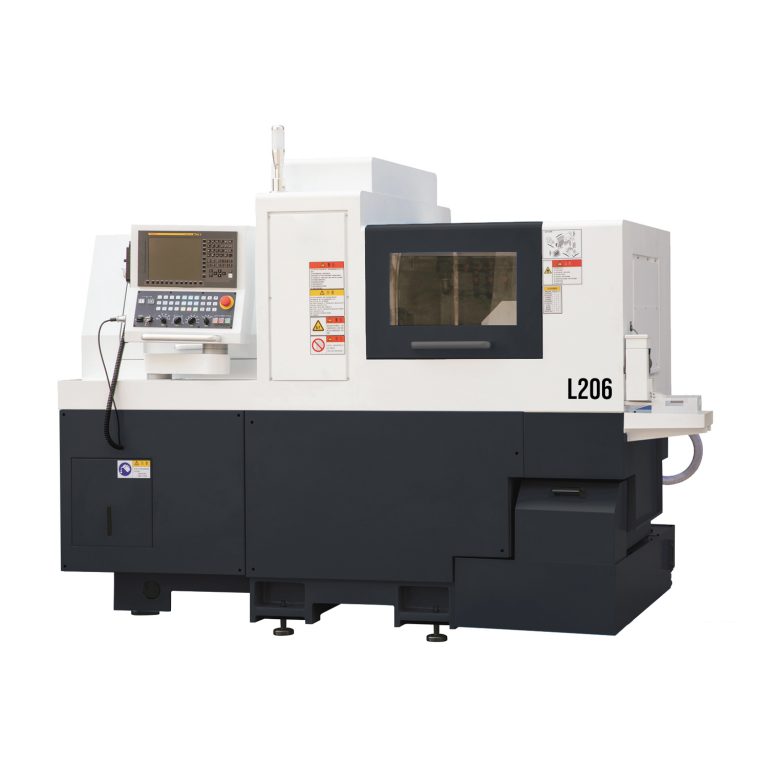
Picture this: a morning shift, two identical machines, one trimmed and tuned, the other left as-is. The numbers diverge by lunch. You ask: are these tweaks meaningful or just noise? I’m curious too. In the next section, I’ll dig into why conventional fixes often miss the mark — and what that means for exporters and end users. — let’s move on.
Why many fixes feel like band-aids (traditional solution flaws)
Early on I believed simple fixes would solve most problems. Then I worked with a cnc machining center exporter client whose production looked great on paper. In reality, recurring rejects and jitter in spindle readings told a different story. What we found: teams tended to treat symptoms, not system design. For example, they’d adjust spindle speed to chase surface finish without checking worn linear guides or a failing CNC controller. That patchwork approach wastes time and masks root causes.
What usually gets ignored?
Look, here’s what I see often: shops replace consumables (tool bits, coolant) and celebrate small wins. But they ignore alignment drift, servo motor backlash, and the control software’s scheduling load. These are not glamorous fixes. They require measurement tools and discipline. The result is repeated troubleshooting cycles and a false sense of control — annoying, costly, and avoidable. — funny how that works, right?
New principles to build real, lasting gains (forward-looking)
We must move from fixes to principles. Modern gains come when we design maintenance, sensors, and control logic together. For example, integrating condition monitoring with spindle speed analytics and predictive alarms can stop problems before a batch is ruined. When shops add simple modules — edge computing nodes that preprocess vibration data — they catch spindle imbalance and wear trends early. I’ve seen a line reduce scrap by double digits this way.
Adopting these principles means rethinking parts of the machine: smarter tool changers, better linear guide maintenance schedules, clearer servo motor diagnostics, and a closer tie between machine telemetry and operator actions. It’s not rocket science, but it takes planning and discipline. If you’re evaluating solutions, ask how they combine hardware, firmware, and shop workflows — not just one-off sensors. — I admit: it takes effort, but returns are tangible.
Practical next steps and three clear metrics to judge solutions
We’ve covered the problem and the principle. Now, here are three evaluation metrics I use when choosing upgrades or vendors. First, mean time to detect (MTTD): how quickly does the system flag a real issue versus a false alarm? Second, corrective cycle time: how long from alert to fix — does the vendor help shorten that? Third, process yield uplift: what percent reduction in scrap or rework do you realistically gain within three months?
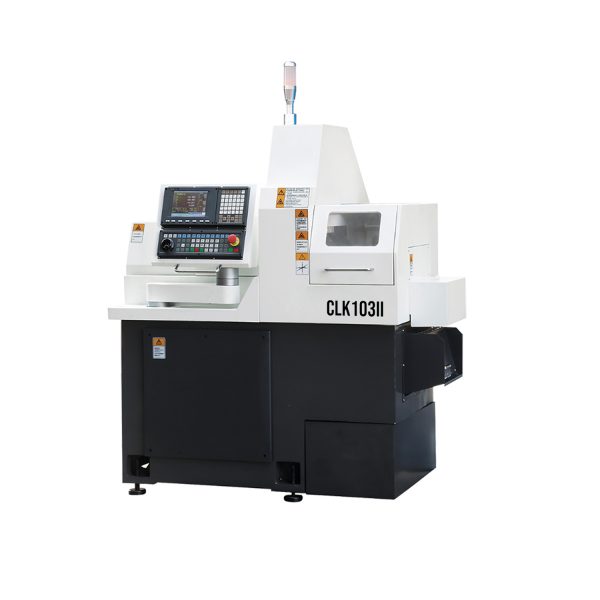
When you compare offers, weight those metrics and ask for evidence — real logs, before/after yield numbers, and case examples involving a cnc turning center machine if possible. I prefer vendors who share data and a clear maintenance playbook. That tells me they care about outcomes, not just sales. In the end, choose partners who help you measure and improve — that’s how small tweaks become big wins. For practical solutions and examples, check out Leichman.