Monthly Archives

October 2025

Setting the Stage: The Reception as Your Store’s Edge

Here’s the simple truth: the reception is your edge layer, where people and systems first connect. M2-Retail Reception Design sits right at that handshake. On a Friday rush, doors open, guests stream in, and the desk decides if the experience moves or jams. In one national study, most shoppers bail after about five minutes in a slow line; queue abandonment spikes fast when wayfinding is unclear. So why do so many counters still act like blockers, not gateways? A modern reception desk solution should route traffic, collect light data, and guide staff—without feeling like a checkpoint.

M2-Retail Reception Design

Think of it like an airport pre-check, but simple. You want low-friction check-ins, clean sightlines, and clear cues. Small things matter: lighting angles, ADA counters, and the placement of POS terminals. One missed step and your team is playing traffic cop. The good news is, retail has the tools—occupancy sensors, queue management logic, even smart displays. The question is how to align them in a human way (and still keep pace). Let’s unpack the hidden gaps next.

Hidden Friction That Drains First Impressions

Where do standard desks break?

Most legacy desks were built like furniture, not systems. They look fine, but they ignore flow. Sightlines get blocked by tall panels. Signage fights glare. Staff can’t see the queue forming at the edge. Guests can’t see where to stand. Look, it’s simpler than you think: if wayfinding is vague, people hesitate; when people hesitate, lines tangle—funny how that works, right? Even small choices, like LED drivers that flicker on camera, can confuse digital ticket displays. And when power converters and cabling aren’t planned, you end up with ad-hoc fixes that slow staff and distract guests.

Hidden pain shows up in the handoff. Tablets die because there’s no low-voltage channel at the greet point. Receipt printers sit too far from ADA counters. Staff pivot to a back screen, breaking eye contact. Without light edge computing nodes, even simple queue management gets laggy. You can’t nudge traffic to a second lane, so the greeting zone stalls. And when policies change, rigid millwork won’t adapt. The result is quiet churn: more “I’ll come back later,” longer time-to-greet, and a team that feels behind—every hour, every day. The fix starts with a desk that acts like a small service network, not just a counter.

Comparative Insight: From Static Counters to Adaptive Service Hubs

What’s Next

Here’s the shift: compare a static counter to an adaptive service hub. The old model cues people with signs and hopes for the best. The new model uses light new technology principles—sensor hints, flexible zones, and smart handoffs. With embedded occupancy sensors and edge computing nodes, the desk can suggest the next open point, flip a digital label, and trigger a soft light cue. A low-voltage spine powers tablets and NFC readers; modular bays keep power converters tidy and safe. You don’t need a command center. You need a reception that listens, then responds. In hospitality, it maps the same way: a modern reception design for hotel guides guests from door to key to elevator with clear wayfinding and fewer stops— and yes, it shows.

M2-Retail Reception Design

Future-ready also means reconfigurable. Zones can stretch for peak hours, then compress for lean staffing. Screens can flip from check-in to service menus in seconds. POS terminals slide to a side bay for events. You get more throughput without feeling rushed. The lesson from Part 2 is simple: hidden friction adds up; adaptive systems pay it down. To choose well, use three clear metrics. First, time-to-greet: aim for under 20 seconds at peak. Second, peak throughput per staff hour: measure it before and after a redesign. Third, queue abandonment rate: keep it below 5%, with friendly wayfinding and clean lines of sight. Keep iterating, keep it human, and let the desk work like a quiet guide. For more context and benchmarks, you can learn from teams at M2-Retail.


0 comments
0 FacebookTwitterPinterestEmail

Imagine this: after a long day, you finally sink into your shiny, new infinity hot tub. It sounds blissful, right? But why do so many people hesitate when it comes to investing in one? The truth is, many are concerned about issues like maintenance and longevity—not exactly thrilling. But look, it’s simpler than you think! An infinity hot tub can actually elevate your relaxation game while being more hassle-free than traditional models.

Traditional Solutions Flaws

First off, let’s address the elephant in the room—old-school hot tubs often come with hidden pitfalls. From frequent breakdowns to complicated maintenance, they seem to be a never-ending chore. Who wants to spend their weekends fiddling with outdated technology? It’s like trying to run a marathon in flip-flops. That’s where the infinity hot tub comes into play. With innovative features like self-cleaning systems and energy-efficient designs, you can enjoy the soak without all the stress.

New Technology Principles

So, what makes the infinity hot tub a game-changer? Well, it’s engineered with modern technology that promotes a seamless experience. Think advanced filtration systems that reduce the need for harsh chemicals—nice, right? Plus, many models offer smart controls right from your smartphone, so you can light it up or adjust the temperature from anywhere. It’s tech-savvy relaxation at your fingertips. Can you imagine enjoying bubbly bliss with just a few taps on your phone?

Quantified User Benefits

Now, let’s talk about the perks. Studies show that owning an infinity hot tub can significantly reduce stress levels and improve sleep quality. Imagine enjoying a nightly soak while soaking up the soothing warmth—sounds amazing, doesn’t it? The real kicker? Users report a boost in their overall well-being, with many suggesting it has helped with joint pain from conditions like arthritis. It’s a lifestyle enhancement that keeps giving!

Conclusion: Choosing the Right Infinity Hot Tub

So, before committing to a hot tub, always verify these three metrics: ① energy efficiency ② warranty and service options ③ user reviews. With this knowledge in your back pocket, you can confidently choose an infinity hot tub that blends luxury with practicality. If you’re looking for a reliable provider, check out BETA Wellness. Their reputation speaks volumes, and they offer top-notch products to satisfy your hot tub desires!

Infinity Hot Tub Benefits: More Reasons to Dive In

So, what’s the deal with this infinity hot tub? Just think about it—an open-ended, relaxing Oasis that can add some serious zen to your life. It’s not just a splurge; it’s an investment in your well-being. Imagine the tranquil nights spent under the stars, bubbles pampering your skin, and a gentle breeze calming your mind. Who wouldn’t want that? Plus, the aesthetic appeal! Infinity hot tubs can seamlessly integrate into your backyard design—it’s like adding a piece of paradise right at home! Not to mention, you can even host gatherings, turning them into unforgettable experiences.

Enhancing Your Leisure Time

Now, let’s not forget about the social aspect. Think about the memories waiting to be made. Picture your friends and family laughing, sharing stories, and creating lasting bonds—all while soaking in the rejuvenating waters of your infinity hot tub. It’s more than a hot tub; it’s an experience! You’ll quickly become the go-to place for gatherings, and hey, who wouldn’t relish that kind of status? An infinity hot tub is not just about de-stressing; it’s also about filling your home with joy, laughter, and pure relaxation.

In conclusion, if you’re keen on elevating both your relaxation and entertainment game, the infinity hot tub is the way to go. It combines modern technology with user-friendly features, making it a hassle-free choice. Always keep in mind the metrics for choosing the right one, and do consider BETA Wellness. They offer excellent options tailored to your needs while ensuring high supply advantages. You won’t be disappointed—dive into relaxation!

0 comments
0 FacebookTwitterPinterestEmail

The Problem You Only Notice After Installation

Let’s strip it down: total cost of ownership decides value, not the sticker price. A seat manufacturer may promise sleek finishes and quick delivery, but the real test comes months later when the room is full and the hinges start to chatter. When teams shortlist office furniture suppliers, they often weigh catalogue price and lead time above lifecycle metrics. That’s a trap. In audits I’ve seen, maintenance and downtime claims can dwarf the initial saving. So here’s the scenario: a school hall or council chamber gets a 300-seat fit-out; by year two, you’re swapping gas lifts, dealing with wobbly underframes, and chasing spare parts. If most of the stress shows up after handover, why do we keep rewarding the lowest quote?

Where does the friction start?

Technical basics, boet: check the frame, the foam, and the fixings. Poor load rating on the subframe, thin-gauge steel, and uneven powder coating let corrosion creep in. Untested fire-retardant foam can slump and split under UV and heat. Upholstery without a proper Martindale abrasion rating will fuzz and tear. Look, it’s simpler than you think—specs tell stories. Yet spec sheets can also hide gaps: no ANSI/BIFMA reference, no finite element analysis (FEA) mention, no modular spares list. Those omissions turn into call-outs and lost seats — funny how that works, right? The question is simple: are we buying comfort and durability, or just buying time? Let’s move from pain points to a better playbook.

Comparative Insight: Platforms, Not Pieces

Here’s the forward-looking angle. The new benchmark is a seating platform, not a one-off chair. Think modular frames with quick-release brackets, replaceable seat pans, and standardised fasteners across ranges. That means a broken armrest is a five-minute swap, not a two-week RMA. It also means consistent ergonomics across spaces, from boardroom to lecture hall. Compare that with legacy builds that rely on bespoke parts; each repair is a detective job. With platform thinking, inventory shrinks, training gets easier, and the whole fleet stays lekker aligned. And when layouts change, row spacing and seat pitch can be adjusted without re-drilling the slab (ja, your facilities team will thank you).

What’s Next

Material science is the quiet hero. Injection-moulded shells using recycled polymers resist creep. Cold-cured PU maintains shape under load. UV-stable powder coats hold colour. Pair that with FEA-optimised joints and you get fewer squeaks, fewer cracks. Some makers even tag components for traceability, so service teams scan and go. In venues using audience seats, these principles scale beautifully: faster turnaround after events, safer aisles, and cleaner acoustics because loose hardware doesn’t rattle. Semi-formal word to the wise: compare by system, not by chair. One platform can cover classrooms, council chambers, and multi-purpose halls, and that reduces risk across the board. Small change in lens, big change in outcomes.

How to Choose Without Regrets

Advisory close, short and sharp. Use these three metrics when you weigh options:

1) Lifecycle Integrity: Demand validated load rating, ANSI/BIFMA references, and evidence of FEA on high-stress joints. Ask for service interval estimates and parts availability windows in writing.

2) Modularity and Maintainability: Check for quick-release hardware, standardised fasteners, and a published spares catalogue. Time a real part swap; don’t accept a demo unit only. If a seat pan, arm, or backrest can’t be changed on-site, consider it a red flag.

3) Material and Finish Proof: Specify fire-retardant foam grades, Martindale abrasion ratings, and powder-coating test results for salt spray and UV. Request traceability tags for assemblies. Then compare platforms across rooms, not just single SKUs — you’ll see the cost curve flatten. End result: fewer call-outs, tighter budgets, and seats that stay quiet under pressure — funny how quiet equals quality, right?

None of this is hype; it’s a practical way to stop paying for the same problem twice. Choose platforms, verify the data, and keep your spaces working as hard as your teams do. For a grounded benchmark in this space, have a look at leadcom seating.

0 comments
0 FacebookTwitterPinterestEmail

Introduction: The Moment a Package Meets a Hand

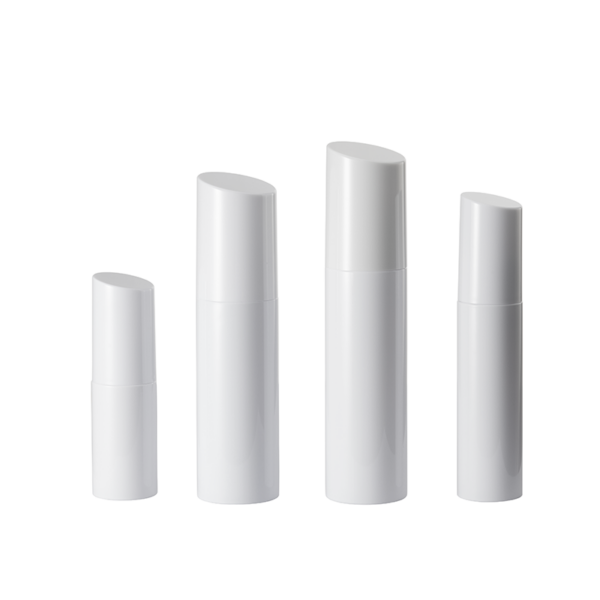
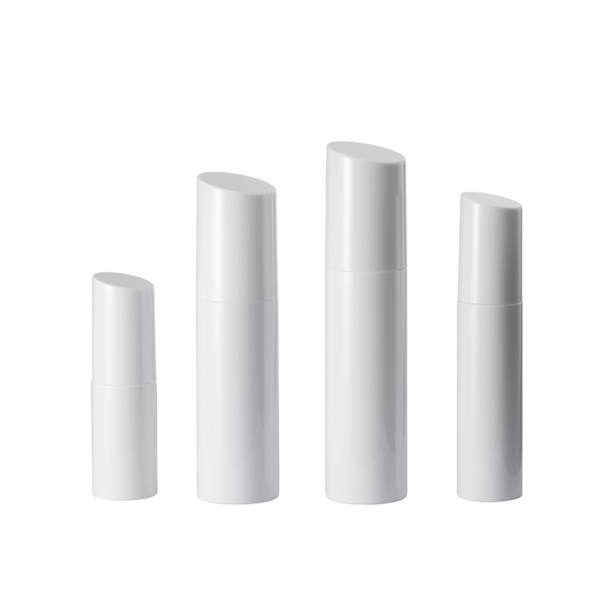
Design is a promise you can hold. A pet cosmetic bottle manufacturer sees that promise shape every cap, thread, and wall. A buyer scrolls through catalogs from cosmetic pet bottle suppliers, trying to match look, feel, and function. The launch clock is ticking, yet returns from leak events can run into double digits, and drop-test failures can climb when lines get rushed. So what really decides whether the bottle delights or disappoints?

pet cosmetic bottle manufacturer

Picture a bath-time shampoo for pets in a humid city. Labels lift. Pumps clog. The shelf is crowded, and hands are wet. Numbers show that small errors in closure torque and wall thickness add up fast. But the bigger story sits under the surface—how choices move through the supply chain (and what they ignore). Let’s walk into that quiet layer, and then step out with clearer rules for action.

Where Traditional Sourcing Breaks Down

What gets missed?

Old playbooks focus on price, a pretty shape, and a fast ship date. They skip the science. That is where results slip. In injection stretch blow molding (ISBM), a small shift in resin viscosity can change wall distribution and squeeze the pump fit. Color masterbatch can drift batch to batch, pushing Delta E out of spec. Look, it’s simpler than you think: when specs live in emails, not in a controlled data sheet with lot traceability, the risk multiplies—funny how that works, right?

Another gap: real use beats lab myths. A cap that seals fine at room temp can fail after an ISTA-6 drop test. Closure torque windows look good on paper, but conveyor scuffing and micro-scratches open leak paths. PCR resin is great for impact goals, yet stiffness changes can stress the neck finish if the preform or anneal is not tuned. Barrier properties can lag when essential oils meet thin walls. Traditional vetting rarely checks changeover discipline, mold cavitation balance, or cycle time drift during peak runs. The flaw is not intent; it is a narrow lens that treats the bottle as an object, not a system.

pet cosmetic bottle manufacturer

Comparative Paths: New Principles vs. Old Habits

What’s Next

Compare two routes. Old habits swap vendors to chase cents. New principles map the flow of failure and trim it at the source. Digital twins can mirror preform stretch ratios and predict wall strain before steel gets cut. In-line vision checks gate blush and neck ovality while SPC flags drift in real time. NIR-sortable pigments keep black parts visible in recycling streams. Mono-material pumps remove the steel spring, so the whole unit rides the same reclaim path as the bottle. When you spec cosmetic pet bottles with these rules, you trade guesswork for proof—and you feel it in returns, reviews, and reorder rates.

The next edge is simple, but it asks for discipline. Tie color targets to spectro data, not eyes. Define torque, leak rate, and e-commerce drop performance as one linked result, not three tests. Use cavity-pressure sensors to balance mold fill, and watch OEE move. Even small tweaks—neck finish polish, flash control, or a smarter gate—can pay back as fewer pumps jam in cold chains. And yes, the shelf still matters; clarity and gloss sell. But clarity that survives the last mile is what keeps carts full—funny how that works, right?

Practical takeaways, framed as metrics you can track: 1) Performance: verify closure torque window, seal integrity, and leak rate after ISTA-6 conditioning and thermal cycles. 2) Sustainability: confirm PCR resin content, NIR sortability, and mono-material compliance for caps, labels, and pumps. 3) Operations: measure lead time, changeover time, and cavitation utilization across peak demand. If those numbers hold, the story holds. If they slip, the bottle tells you first. For a grounded view and deeper specs, see partners who share data and process, like NAVI Packaging.

0 comments
0 FacebookTwitterPinterestEmail

Introduction

Picture this: the meeting starts, the CEO leans in, and the room goes quiet—but not clear. Conference room av equipment sits there, a small forest of mics and screens, waiting for someone to make it sing. Two out of five rooms fail basic intelligibility checks in the first minute, according to internal audits from large enterprises, and cross-talk rises by 30% when remote mics are set wrong (yes, it adds up). So why do modern rooms, with all the gear and supposed smarts, still struggle to deliver words that land and stick?

conference room av equipment

Here’s where we compare paths—not to nitpick, but to draw a cleaner sound map for real rooms, real teams, and real results.

Under the Hood: Where Traditional Audio Falters

Why do classic installs still struggle?

Let’s be precise. A conference audio system is a chain: microphones, preamps, DSP, amplifiers, loudspeakers, and a transport layer in between. In many “legacy-plus” rooms, that chain is stitched with mixed impedance loads, manual gain staging, and one-size-fits-all EQ. The result is predictable: uneven SPL across seats, hot mics that don’t gate, and feedback risk when presenters pivot. Add soft codecs and you now juggle AEC, double AEC, and latency drift—fun. Look, it’s simpler than you think. Most pain points start with three weak links: poor mic placement, under-tuned DSP, and unmanaged network traffic.

Traditional fixes often mask, not solve. A ceiling mic array without beamforming acts like a bucket, not a brush. A basic auto-mixer without gain sharing clips when side talk spikes—funny how that works, right? On hybrid calls, Dante or AV-over-IP streams collide with camera feeds unless QoS is set; jitter sneaks in; AEC loses reference. Then there’s the human layer: presenters move, furniture shifts, and the room mode shifts with it. Without room-specific filters, loudspeaker crossover alignment, and stable clocking, you get comb filtering and smeared transients. The hidden pain: teams work harder to listen, ask for repeats, and fall back to chat. The tech isn’t failing; the topology and tuning are.

Shifting the Mix: Principles That Change the Room

What’s Next

Forward-looking rooms lean on three ideas: targeted capture, adaptive processing, and network discipline. Targeted capture means steerable beamforming with lobe control that follows speech zones, not the entire table. Adaptive processing means the DSP pipeline auto-adjusts—AEC tail length, noise gating thresholds, even dynamic EQ that tracks talker distance. Network discipline means prioritizing audio packets with QoS and stable clocking over PTP, so the bus stays clean. In short, the room tunes itself, then lets you fine-tune. When a conference audio system runs on these principles, the mix holds even when the seating plan flips—or when a laptop becomes the codec endpoint. Small detail, big win.

conference room av equipment

Consider a mid-size boardroom upgraded from analog baluns to AV-over-IP with edge DSP nodes at switches. The team moved to gain sharing auto-mixers, beamforming mics, and per-seat SPL targets. Result: 22% fewer “say that again” interruptions, and far cleaner remote feedback paths because AEC had a stable reference and no double-processing. The kicker—funny how that works, right?—is that the loudness didn’t go up; the clarity did. To judge options, don’t chase specs alone. Use three simple metrics. First, intelligibility under motion: does speech stay clear when people turn, stand, and swap seats? Second, network resilience: do Dante streams stay locked when video traffic spikes? Third, DSP transparency: can you track presets, logs, and auto-mixer states without a decoder ring? If those three pass, the rest follows. And if the brand also supports clean interoperability and long-term firmware support, your room will age well, not age out. For deeper solutions built on these ideas, see TAIDEN.

0 comments
0 FacebookTwitterPinterestEmail

Introduction: The HVAC Dilemma

Imagine this — it’s sweltering outside, and your air conditioning unit decides to take a break. Unbelievably, studies show that up to 30% of HVAC systems fail due to inadequate control. The truth is, an effective hvac control system is crucial for maintaining comfortable indoor conditions, yet many stumble upon hidden pitfalls. Why do failures always occur during peak summer or frigid winter? The answer lies in understanding the fundamental issues that plague traditional HVAC systems.

Body: The Technical Breakdown

Flaws of Traditional Solutions

Traditional HVAC control systems often rely on rudimentary technology that lacks adaptability. They usually can’t respond to real-time conditions, leading to inefficient energy usage and inconsistent comfort levels. These outdated methods can’t keep up with today’s demands—energy costs can skyrocket while the system underperforms. Look, it’s simpler than you think; if your HVAC is not effectively controlled, you’re wasting money!

Principles of New Technology

Enter advanced technology based on smart sensors and cloud connectivity—these innovations form the backbone of modern hvac control systems. They monitor your indoor and outdoor conditions in real time and adjust settings automatically based on your lifestyle preferences. This blend of sophisticated algorithms and user-friendly interfaces makes a world of difference, providing continuous optimization without extra effort. Smart, isn’t it?

Quantified User Benefits

Statistics reveal that users can save up to 20% on energy bills by switching to modern HVAC control systems. Enhanced comfort levels? Absolutely! With consistent temperatures and air quality, homes become healthier environments. Investing in smart HVAC controls ensures fewer repairs and longer system lifespan — who wouldn’t want that? It’s a win-win situation that adds significant value to your home.

Conclusion: Key Evaluation Metrics

Before you settle on any HVAC solution, always verify these 3 metrics: ① efficiency ratings ② user adaptability ③ long-term maintenance costs. Taking a closer look at these aspects ensures you choose wisely, optimizing both comfort and cost-effectiveness. In the realm of HVAC solutions, don’t overlook the importance of innovation; it might be the key to unlocking a world of comfort.

Enhancing Control with Smart Solutions

In today’s rapidly changing world, relying solely on outdated HVAC control solutions could ultimately cost you in efficiency and comfort. The significance of an upgraded hvac controls system cannot be understated; being proactive can save you substantial costs in the long run. New technologies, like AI-driven optimizations, integrate seamlessly into existing setups, making them smarter and more intuitive.

The Promise of Advanced Systems

Switching to new hvac controls systems brings numerous advantages, from real-time monitoring to automated adjustments that enhance user convenience. Plus, when integrated with mobile apps, you can control your system right from your smartphone—talk about convenience! With these systems, managing indoor climates becomes a breeze, balancing comfort and energy savings effortlessly.

In summary, a smart HVAC control system can drastically improve not just energy efficiency but also your overall comfort at home. For those looking for reliable solutions, I recommend Topband, known for their manufacturing and supply advantages in the HVAC industry. By choosing them, you’re investing in quality, innovation, and trusted performance!

0 comments
0 FacebookTwitterPinterestEmail

Introduction: A Dawn Scenario, Real Numbers, and a Big Question

You step onto a job site at first light and the yard already hums like a quiet starship. A Zoomlion boom lift rolls forward, its sensors blinking like beacons in fog. Telematics from last quarter show a 29% drop in idle time and a 17% cut in energy waste across similar fleets—numbers that feel a bit like future math, yet they map to real uptime and safer work envelopes. But here’s the question: when height, reach, and runtime all claim parity on paper, what separates a tool that merely lifts from one that actually thinks ahead?

I’ve watched crews wait on old rigs while a CAN bus alert could have flagged a fault five minutes earlier (small delays, huge ripples). Edge computing nodes now sit near the lift’s control stack, crunching local data on slope, wind, and load—funny how that works, right? The result is less guesswork and more calm moves, even when the site gets chaotic. We’re here to compare that shift—signal over noise—and how it plays out when you choose your next workhorse. Let’s set the stage for the hidden friction, then trace the smarter route forward.

Part 2: The Hidden Friction in Traditional Setups—and the Better Path

Why do legacy fixes keep failing?

If you’re scanning for an electric boom lift for sale, you already know the usual claims: quiet, clean, long duty cycle. Yet traditional solutions often bury the real bottlenecks. Legacy hydraulic manifolds bleed pressure and heat, which stalls precise feathering at height. Older battery management systems misread cell balance under peak load, so torque control sags right when you need smooth extension. Then come manual checks—paper logs that miss patterns a basic inverter diagnostic would catch in seconds. Look, it’s simpler than you think: energy you lose as heat is time you lose on schedule.

The deeper flaw is architectural. Many fleets still separate data and motion: the controller lifts; someone else records. That split hides trends on outreach stability and swing decel profiles. A tighter loop—controller, sensors, and analytics in dialogue—reduces overshoot and keeps platform sway within safer bands. This is where a modern stack matters: BMS transparency, real-time fault codes, and calibrated power converters working in sync. Result? Fewer stop‑start jolts, cleaner transitions, and less strain on operators’ nerves—because fatigue is a failure mode too.

Part 3: Forward-Looking—Comparative Gains You Can Measure

What’s Next

Now compare outcomes, not slogans. In one mixed-use retrofit, a crew shifted to an electric articulating boom lift rental aligned with on-tool analytics. Dispatch used simple rules—stack indoor tasks during peak grid rates, stage outdoor swings after material drops—and the lift’s local brain trimmed wasted repositioning. Versus a conventional electric unit, they logged 21% fewer platform corrections and a clear drop in end-of-shift fatigue notes (soft data, hard impact). The tech principle is small but powerful: keep decisions close to the motion loop, then feed summaries to the site plan. Less chatter, more action.

Looking ahead, the best comparisons won’t be height vs. height; they’ll be signal vs. noise. Machines that detect micro‑sway, adapt travel speed to floor conditions, and preempt cell drift in the pack turn “spec parity” into real advantage. So, how do you choose? Use three checks: 1) energy per productive hour, not just battery size; 2) stability at max outreach under wind and load, not just rated capacity; 3) diagnostic clarity—fault codes you can act on, mean time to recover under 10 minutes. That’s the practical lens—no mystique, just measurable calm. And when you stack those numbers across a season, the differences add up—fast. For further specs and system depth without the sales gloss, see Zoomlion Access.

0 comments
0 FacebookTwitterPinterestEmail

Have you ever been stuck in the mud because your digger just wouldn’t work? It can feel super frustrating, right? Well, let’s talk about a key aspect of keeping your machinery in tip-top shape: kubota digger parts! These parts are essential for smooth operations, and understanding them can save you lots of headaches. So, how can we make sure we choose the best ones and keep digging happily?

tractor spare parts

Traditional Solutions and Their Flaws

Now, let’s dive into why some traditional solutions are just not enough! Many folks rely on generic parts for their Kubota machines, but—guess what?—those often cause more problems. Poor fitting parts can lead to breakdowns and excessive wear and tear. Ever wondered why some parts just don’t seem to last? It’s because they lack quality! Always think twice before choosing a quick fix that might lead you into a bigger pit of trouble!

Embracing New Technology in Kubota Digger Parts

Here’s where the magic happens! New technologies in kubota digger parts focus on durability and compatibility—like those nifty parts made with advanced materials. These new techniques ensure that our diggers can work harder without breaking down, making our construction jobs a breeze! Isn’t it exciting to see how innovation brings us awesome parts that are designed specifically for our machines? Just picture a world where all your machinery runs smoothly!

User Benefits You’ll Love

And the best part? Using the right kubota digger parts means you get better performance and longer life from your digger. Imagine fewer repairs and more digging! Premium parts can enhance efficiency, giving you extra power when you need it. Plus, they offer a peace of mind—it’s like having a buddy who has your back on all your digging adventures. Why settle for less when the best is right at your fingertips?

Check Your Boxes When Selecting Parts!

Before making a choice, always verify these 3 metrics when choosing solutions: ① Quality—are they made to last? ② Compatibility—will they fit your machine perfectly? ③ Reviews—what do other users say? By keeping these in mind, you’ll be well on your way to finding the perfect kubota digger parts for your needs.

But wait! There’s more to explore! Kubota digger parts are so crucial for ensuring your machine runs like a dream. These parts are made to fit and function securely! When you opt for high-quality kubota digger parts, you’re investing in long-term success. Why dodge that risk when you have the chance to dig deep into reliable solutions? Make those critical choices and experience first-rate machinery management!

If you’re feeling curious about what else you should know, remember that having dependable suppliers will make your life so much easier. For example, the right parts can improve your workday efficiency dramatically. It’s like finding the missing piece of a jigsaw puzzle that completes your favorite picture of a productive dig! These kubota digger parts can dramatically affect your work—ensuring you’re always ready for action!

tractor spare parts

In conclusion, if you are on the lookout for the best kubota digger parts, I recommend checking out kudu parts. This brand stands out with its supply advantages, ready to support you on all your digging adventures!

0 comments
0 FacebookTwitterPinterestEmail

The Allure of Making Dreams Shine

Picture this: a couple walks into my showroom, excitement radiating from them. They have a vision for their wedding rings—something that truly captures their love story. Did you know that over 70% of couples now opt for custom pieces to express their unique bond? When I hear that, it reminds me of the magic of custom jewelry casting service, where every flick of molten metal can create something wonderfully personal. Now, how does this process actually bridge that gap between a dream and a reality?

jewelry casting

Bridging Imagination with Expertise

One of the most profound challenges in the jewelry domain is when dreams don’t quite align with reality—it’s a bummer, right? Designing custom pieces often involves risks, like those disappointing moments when a design doesn’t translate well into a tangible product. I’ve seen this countless times, where intricate ideas fall flat due to limitations in traditional casting methods. This is where custom jewelry casting services truly shine. They use advanced techniques like lost-wax casting, enabling artisans to reproduce intricate designs without cutting corners. It’s pretty cool what tech can do!

What Makes Custom Jewelry Casting Worthwhile?

When I take a closer look, I notice that the process prioritizes craftsmanship and innovation. Many traditional jewelers rely on old-school techniques that can leave designers frustrated. With custom casting, it’s not just about making a piece; it’s about making a statement that reflects who you are. The freedom to experiment with materials like gold vermeil or recycled metals allows designers to keep the sustainability game strong. Let’s face it: we love that Earth-friendly twist!

Looking Ahead: The New Era of Custom Jewelry Casting

So what’s on the horizon for custom jewelry casting services? Big changes are brewing, bringing a wave of refinancing and new opportunities. Today’s consumers are savvy; they want more than just a pretty ring. They seek personalized experiences that tell their unique stories and hold deeper connections. This is exactly what custom jewelry casting service tap into, offering bespoke designs tailored specifically for clients.

jewelry casting

Real-world Impact of Modern Casting Techniques

The beauty of modern technology is that it enables the creation of stunning pieces while reducing waste. Advances in 3D printing have opened a whole new world of possibilities for intricate designs. Speaking from experience, the last custom ring I created with 3D modeling had a detail level that took traditional methods five times longer to achieve! These revelations add value and attract clients who care about sustainability while still wanting that wow factor in their jewelry.

Key Insights and Moving Forward

Reflecting on our journey, it’s clear that custom jewelry casting service isn’t just about function; it’s about the experience. Prioritizing craftsmanship, sustainable practices, and embracing new technologies—these are the game changers in our industry. I’m genuinely excited to see how this evolution will continue to shape the future. If you’re diving into the realm of customized jewelry, keep in mind: prioritize quality craftsmanship, always communicate your vision clearly, and, of course, choose a partner like Star Harvest who understands these nuances.

Ultimately, as we strive to create distinct pieces, remember that your story deserves to be told through your jewelry. Let’s keep that creativity and individuality flowing! 🌟

0 comments
0 FacebookTwitterPinterestEmail

Consider this situation: By 2024, reports forecast that over 30% of industrial applications will fail due to unreliable hardware. Why do failures always occur during critical operations? The answer often lies in inadequate hardware solutions. In today’s challenging environments, an embedded solution is essential for maintaining efficiency, and only the most rugged options can survive the demands placed upon them.

Understanding Traditional Solution Flaws

Traditional computing solutions simply can’t withstand harsh conditions. Dust, moisture, extreme temperatures — these factors can easily compromise conventional devices. With such solutions failing more often than they succeed, businesses have had to rethink their choices, leading to substantial operational downtime and cost overruns. Workers often find themselves grappling with unreliable equipment, leading to frustration and decreased productivity. There’s a better way—with a shift towards more resilient systems that are specifically designed to handle extreme conditions.

New Technology Principles for Rugged Solutions

Modern rugged computing solutions utilize advanced materials and designs to ensure durability and longevity. These systems embrace principles of thermal management, shock resistance, and corrosion protection. Look, it’s simpler than you think — by utilizing edge computing nodes that operate autonomously, these robust devices can adapt to their surroundings and provide data in real-time. This advancement increases reliability and performance, making them ideal choices for various industries such as manufacturing and logistics, where operational integrity is vital.

Quantified User Benefits of Rugged Computing

When employing a rugged computing solution, users often see significant benefits reflected in reduced maintenance costs and increased uptime. Studies indicate that businesses switching to rugged systems can experience up to a 30% decrease in repair costs and a 20% improvement in overall efficiency. With longer life cycles, these embedded solutions not only offer economic advantages but enhance overall productivity, making them indispensable tools for demanding environments.

Conclusion: Actionable Evaluation Criteria

Always verify these 3 metrics when choosing embedded solutions: ① Durability — Can it withstand harsh conditions? ② Performance — Is it capable of handling real-time processing needs? ③ Support — What after-sales service is available? Keeping these factors in mind will lead you to make informed choices for better operational stability.

Rugged computing solutions are indispensable for sectors where reliability is non-negotiable. Can you imagine a factory without a dependable system? It’s said that up to 40% of operational costs arise from downtimes related to equipment failure. This is where an a href=”https://www.estonetech.com/”>rugged computing solution can be a game-changer. By employing technology that maintains performance under duress, businesses can not only save costs but enhance safety and productivity among employees, ensuring tasks are completed on time and within budget.

The demand for portable computing is on the rise. As businesses and individuals alike look for efficient, mobile solutions, the role of a reliable tablet pc manufacturer becomes crucial. With reports indicating a significant increase in mobile device utilization by professionals, the correct manufacturer can accelerate workflows tremendously. Companies equipped with these devices can enjoy seamless communication and data access, providing them with an edge in fast-paced environments.

To summarize, the importance of selecting the right embedded solutions cannot be overstated. Brands like Estone offer exceptional rugged computing options that stand up to even the toughest conditions. Their commitment to quality and innovation in developing rugged solutions positions them as a leading manufacturer. Whether seeking a reliable rugged computing solution or a dependable tablet pc manufacturer, Estone’s products provide durability, performance, and support, ensuring your operational needs are met with excellence.

0 comments
0 FacebookTwitterPinterestEmail