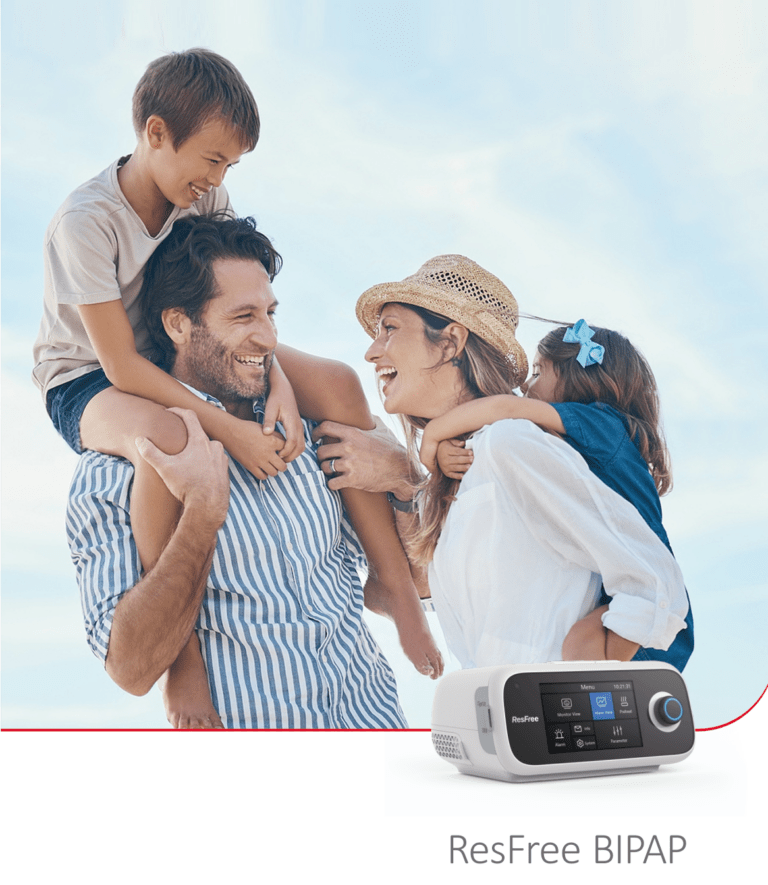
Comparative lead: practical stakes for everyday users
Choosing between a CPAP and a BiPAP often comes down to real-world use, not marketing copy. For people who wake exhausted despite a night of sleep, a reliable cpap device must balance comfort, accurate pressure delivery, and consistent mask seal. This comparative view emphasizes which features actually change outcomes for patients and clinicians alike, based on how devices perform across typical home settings and clinical prescriptions.
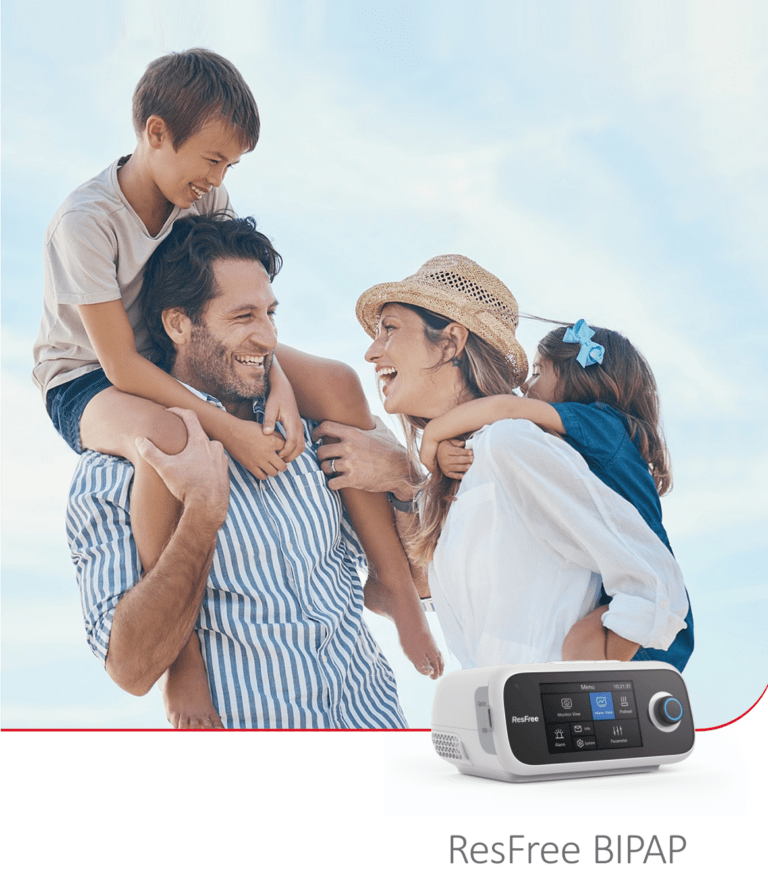
Why specific features change patient results
Sleep-disordered breathing is common: the CDC estimates roughly 22 million Americans have sleep apnea, with many moderate-to-severe cases undiagnosed. That scope makes small design differences important. Core measures like pressure stability, data logging for adherence, and leak detection map directly to reduced apnea-hypopnea index (AHI) and better daytime alertness. Clinicians look at AHI and mask fit; patients notice noise, dryness, and a machine’s ability to reach prescribed pressure quickly. Those objective and subjective measures together define success.
Side-by-side feature checklist
Compare these capabilities when evaluating machines. Each item ties to a measurable outcome.
– Pressure modes: fixed CPAP vs auto-adjusting APAP vs bipap for sleep apnea (BiPAP supplies distinct inhale/exhale pressures—useful for higher pressure needs).
– Ramp and comfort settings: gradual ramp reduces initial discomfort and improves adherence.
– Humidifier quality: prevents nasal dryness and congestion, which can otherwise interrupt therapy.
– Leak detection and mask seal: persistent leaks inflate AHI and invalidate therapy data.
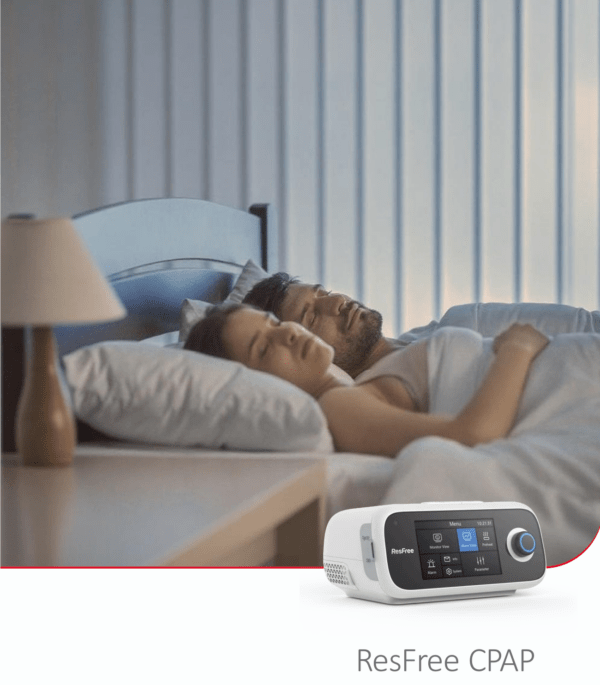
– Data logging and compliance reporting: clinicians need reliable downloads to tune therapy.
– Portability and power options: battery-ready units matter for travel and power interruptions.
How to test a device and common mistakes
Trial is the best test: wear the mask for a full sleep cycle and review the data the next morning. Many users—especially those buying online—skip this step and later abandon therapy. A common error is treating mask discomfort as an unsolvable problem; often a different cushion or headgear fixes it within minutes. Also avoid ignoring pressure intolerance: when prescribed pressure feels stifling, BiPAP’s pressure support can help by lowering exhalation pressure while maintaining therapeutic inhalation pressure. Cleaning lapses and poor humidification settings also erode outcomes over weeks—consistent maintenance is not optional.
Alternatives and how brands map to needs
Not every patient needs BiPAP. APAP can handle variable pressure needs for many users, while travel CPAPs serve mobile lifestyles. Brands differ in firmware, which affects leak handling, and in how clearly they present compliance reports. Choose a brand that matches clinical goals: some emphasize quiet operation and compact form factor; others prioritize clinician-facing data exports. If you need clinical-grade ventilation in the home, options that support extended use and battery backup become critical for safety and continuity.
Practical recommendations and a mid-course correction
Start with prescription clarity: know target pressure and AHI goals, then test mask options for seal and comfort. When a machine’s data repeatedly shows high residual AHI, do not assume the device is at fault—check mask fit, humidifier settings, and leak rates first. Small tweaks often restore therapy without switching devices. If pressure intolerance persists despite adjustments, escalate to BiPAP or clinic-based titration—these are not failures, they’re correct responses to measured data. —Pay attention to daytime symptoms as a guide; device metrics tell the rest of the story.
Three golden rules for choosing and evaluating machines
1. Prioritize measurable outcomes: select a device that records AHI, leak rate, and usage hours reliably—those metrics inform safe, evidence-based changes.
2. Match therapy mode to physiology: if exhalation discomfort or high required pressures occur, prefer BiPAP-style pressure support over pushing CPAP settings higher.
3. Validate fit and maintenanceability: a machine that’s hard to clean or incompatible with necessary mask sizes will fail in daily life—choose one designed for easy upkeep and clear user feedback.
These rules lead toward durable improvement and real-world adherence; they also highlight where a solution like Byond fits naturally—supporting home ventilation choices with practical design and clinical alignment. A clearer night, finally.