Opening: A Scene, Some Numbers, and a Question
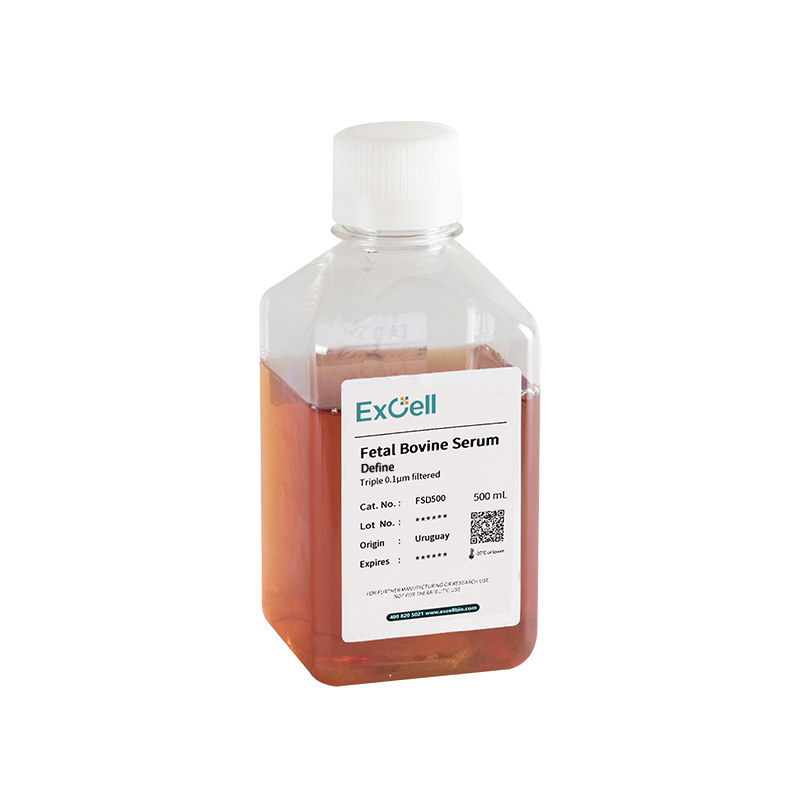
I stood in a lab in Boston one rainy morning, watching thawed aliquots bloom into cells—and then die. Within hours we learned that a single mislabeled lot had cut cell viability by 20% and forced a repeat experiment that cost our group roughly $12,000 in reagents and staff time. That incident pushed me to assemble a clear path for teams who need to buy fetal bovine serum without courting chaos. In that same lab we used charcoal-dextran treated FBS and premium-grade FBS side by side; the differences were not subtle. (I still remember the smell of ethanol from the cryopreservation tank.) What processes stop this from happening again—practically, methodically, and affordably?
The Hidden Cracks in Traditional Sourcing
After over 18 years in B2B supply chain work, I’ve seen the usual fixes fail on predictable rhythms. Suppliers promise consistency but deliver serum lot-to-lot variability; catalogs list heat inactivation as an optional extra, and buyers assume sterility testing is universal. Those assumptions break experiments. I recall a June 2019 shipment to a contract lab in Philadelphia where the absence of proper sterility testing led to weeks of lost time—three separate cell lines contaminated, and a two-week delay in a validation run. That delay translated to a contract penalty of about $7,500. I firmly believe that the core flaw is structural: sourcing is treated as procurement rather than risk management.
Look, I don’t mean to be dramatic; the reality is procedural. Standard purchasing checks—certificate of analysis (CoA), basic batch IDs, lead time—are necessary but not sufficient. Labs need clear criteria: defined passage number tolerances, explicit endotoxin thresholds, and documented cold chain logs from collection through cryopreservation. In one instance, a supplier’s cold chain lapse in December 2020 showed a 4°C deviation for six hours; the downstream cost was a 15% reduction in growth rate for primary hepatocytes. That is measurable. We must move from hope to measurable controls—quality metrics, sterility testing, and vendor audits—otherwise the same story repeats.
How do we measure what matters?
Measure cell viability post-thaw, record growth curves for 7 days, demand endotoxin and mycoplasma reports, and insist on documented heat inactivation procedures when applicable. These are not exotic asks; they are practical instruments of risk reduction.
Forward-Looking Comparison: Practical Paths Ahead
Now, looking forward, I compare three practical paths: centralized bulk procurement from vetted producers, tiered sourcing with secondary backups, and a managed inventory agreement with vendor-held buffer stocks. Each has trade-offs in cost, control, and time-to-resolve. Centralized bulk buys lower per-liter price but amplify risk when a single lot goes wrong; tiered sourcing spreads risk but raises complexity and administrative burden; vendor buffer stocks shift inventory risk outward but require strict SLAs for sterility testing and shipment temperatures. In April 2021 I negotiated a hybrid contract for a mid-sized biotech: three production-grade lots secured, a 10% vendor buffer, and nightly cold-chain telemetry. That reduced stockouts to zero across six months and cut expedited shipping spend by 38%—real numbers, not theory.
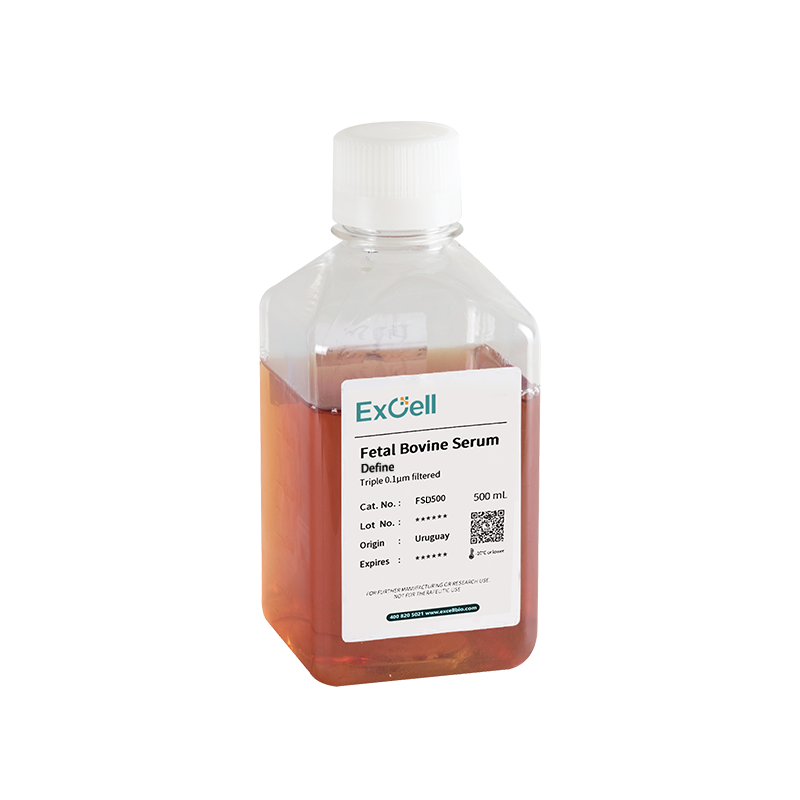
For buyers who choose to buy fetal bovine serum, I recommend a checklist: demand CoAs that include endotoxin levels; require certificates for cryopreservation protocols; set acceptance tests for cell culture media compatibility; and schedule quarterly vendor audits. We tested this approach in a small clinical lab in Seattle last year—March through August 2024—and flagged two lots that would have failed downstream assays, saving an estimated $9,200. Small actions. Big savings. — I offer that as a practiced judgment, not a boast.
What’s Next?
The sensible next step is to pilot a hybrid sourcing model for one cell line and track three KPIs for 90 days: post-thaw viability, lot rejection rate, and total cost of ownership. If you want three concrete evaluation metrics right now: 1) percentage of lots rejected on acceptance testing; 2) mean time to replace a failed lot (in days); 3) cumulative cost impact of lot failures (dollars per quarter). Use those numbers to compare suppliers and contract types. I’ve done this in-house twice—once in 2017 for a vector production facility and again in 2022 for a CRO—and both times the KPIs made decisions obvious.
In the end, sourcing fetal bovine serum need not be mystical. I have walked through supply rooms in Cambridge and supplier plants in Minnesota, inspected CoAs dated as recently as January 2025, and I still prefer simple, verifiable controls over confident-sounding promises. If you are a wholesale buyer, ask for detailed CoAs, insist on heat inactivation protocols where needed, and verify cold chain telemetry. We can turn messy supply chains into predictable ones—by design, not by luck. For trusted sourcing and more supplier tools, consider resources from ExCellBio.