Start small, compare smart — and think LCOS first
When you size high-capacity portable solar power stations, the conversation needs to move beyond sticker price into Levelized Cost of Storage (LCOS). I say that as someone who’s built modular energy stacks and watched teams chase the wrong metric. Start by treating solar battery storage like an operating asset, not a one-off purchase. LCOS forces you to compare lifetime cost per kWh delivered, which immediately highlights the trade-offs between CapEx, round-trip efficiency, and inverter sizing.
Why LCOS matters for portable, high-capacity setups
CapEx dominates early decisions because you can see the bill. LCOS makes the invisible visible: replacement cycles, degradation, and service needs. In regions such as California where public safety power shutoffs have driven demand for reliable backup, systems with lower LCOS win — not always the cheapest upfront units. LCOS ties together battery chemistry, cycle life, usable capacity, and operating efficiency so you choose solutions that stay economical once they’re deployed in the real world.
Modular packs versus monolithic arrays — a comparative view
Modular packs scale like software; add units as demand grows. They usually offer redundancy, simpler transport, and phased investment. Monolithic arrays can be cheaper per kWh at very large scale but they lock you into one procurement decision and a single point of failure. Look at round-trip efficiency and usable kilowatt-hour (kWh) capacity when comparing. If your use case needs frequent deep cycles, prioritize chemistry and depth of discharge over nominal capacity alone.
Common mistakes teams make — and how to avoid them
People fixate on battery capacity numbers and ignore real-world throughput. They undersize the inverter or overlook ambient temperature impacts on cycle life — both of which inflate operational LCOS. Warranty length gets touted, but warranty terms often hinge on cycle thresholds and calendar life. Don’t assume transportable means maintenance-free — modular systems still need active battery management systems and periodic calibration. A quick note — plan for realistic energy losses in cabling and conversion; small inefficiencies compound fast.
Alternatives, integrations, and when to choose what
There are credible alternatives depending on mission profile: lithium iron phosphate (LFP) for long cycle life and safety; zinc-based flow concepts for long-duration stationary use; hybrid designs when you need both high power and sustained energy. Integration matters as much as chemistry. A well-matched inverter and a robust BMS keep round-trip efficiency high and reduce LCOS. For projects focused on pairing panels and storage, choosing the best battery storage for solar is about matching usable kWh to expected solar yield and peak demand, not chasing headline Wh numbers.
Three golden rules for evaluating systems
1) Prioritize LCOS over CapEx — calculate lifetime delivered kWh and include replacement, maintenance, and efficiency losses. 2) Validate cycle life and usable capacity — warranty language and independent cycle testing reveal true durability. 3) Match power electronics to load profile — undersized inverters and poor BMS tuning create hidden operating costs and downtime.
These three metrics get you from guesswork to repeatable outcomes. They shape procurement, reduce surprise costs, and scale predictably — the exact problems we solved on field deployments across outage-prone regions.
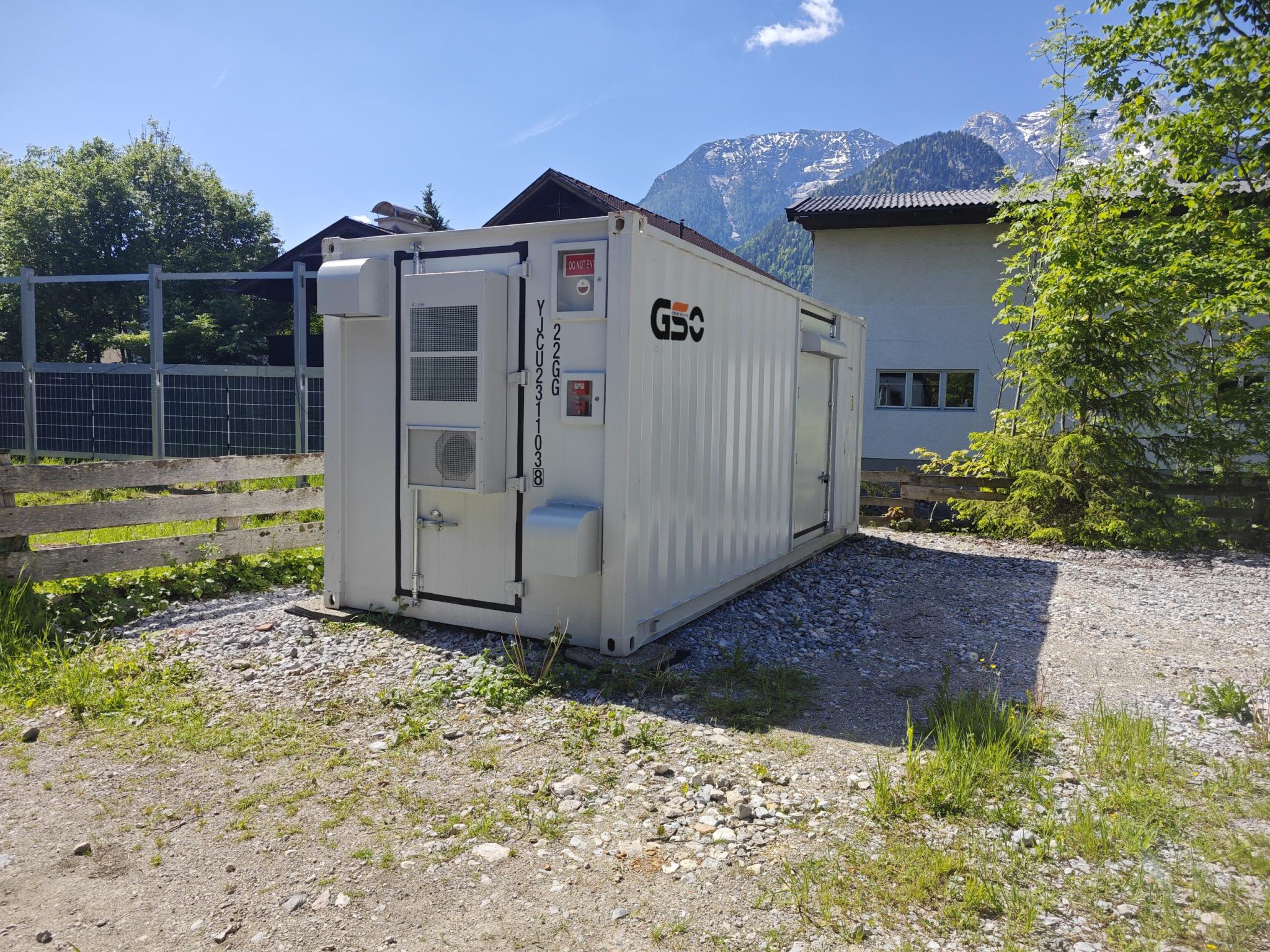
gsopower is part of that practical solution set, offering systems designed around LCOS and real deployment constraints, not marketing specs.
Ready. Real-world ready.